
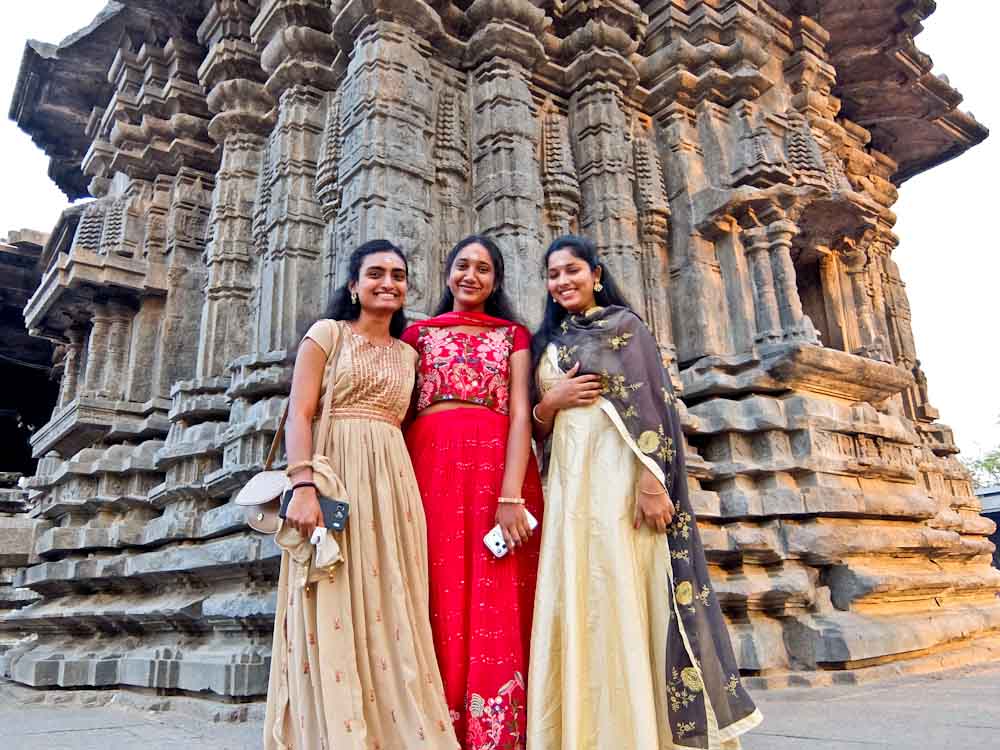
Formed in 2014 after being carved out of Andhra Pradesh, Telangana has rapidly emerged as a vibrant destination for travellers seeking a blend of history, culture, cuisine, and innovation. At its heart sits Hyderabad, its capital for over 400 years and largest city.
Golconda
Golconda
Hyderabad
The Muslim Nizam dynasty ruled the state from 1724 until independence in 1948 and Hyderabad became synonymous with opulence. Because of their treasure trove of jewels, the city was known as the “City of Pearls” The last Nizam was famous as the richest man in the world.
Today, Hyderabad effortlessly balances its regal past with a thriving tech-driven present. The city’s skyline tells this story clearly: centuries-old minarets and domes stand alongside gleaming office towers. One tasty legacy of the Nizams is Biryani – a distinctive blend of Muglai and Iranian cuisine which originated in the palace kitchens.
Telangana
Telangana
Telangana
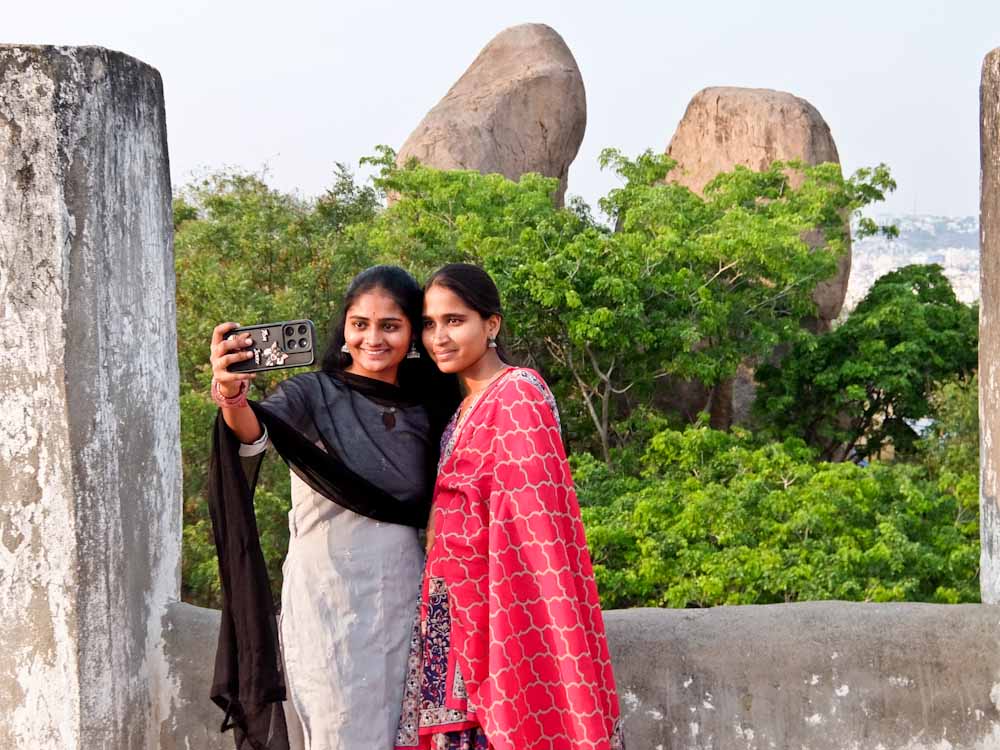
Beyond the city, Telangana reveals a different, quieter charm. The state is dotted with ancient temples, serene lakes, and lush forests that offer a glimpse into its spiritual and natural richness. Protected areas offer a chance to see India’s diverse fauna and even encounter leopards and tigers.
Telangana
Telangana
Telangana
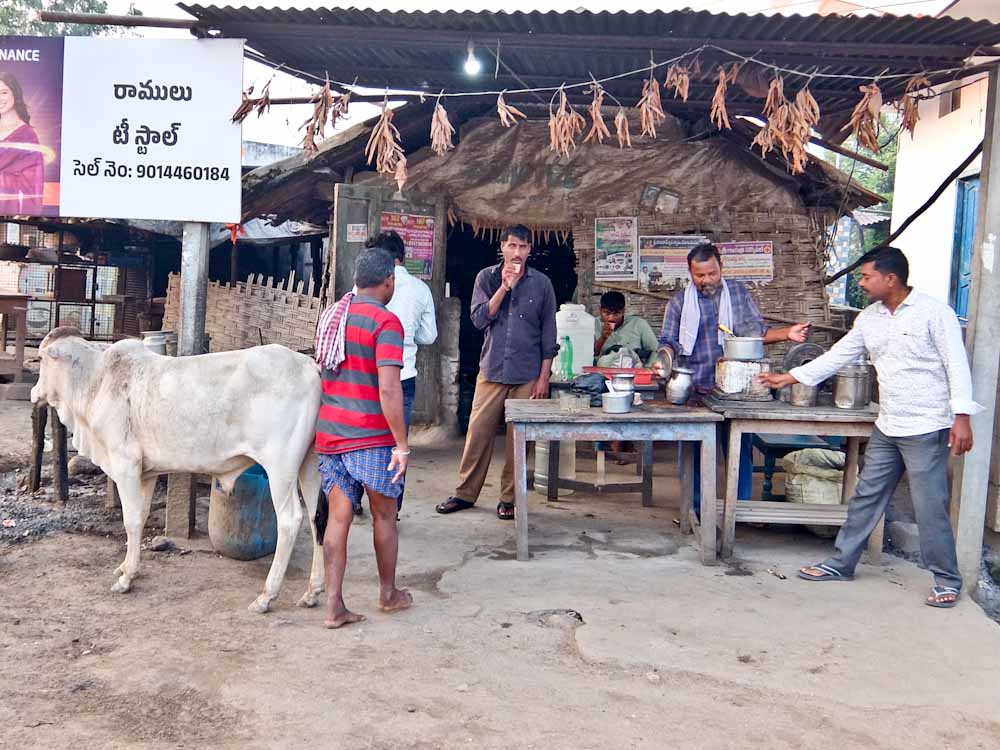
Traveling is relatively convenient, with well-connected roads, railways, and an international airport in Hyderabad. Whether heritage tours, eco-tourism initiatives, or culinary trails, there are plenty of ways to explore the region. It’s a place where you can spend your morning exploring ancient ruins, your afternoon enjoying a lakeside retreat, and your evening dining in a world-class restaurant.
Hyderabad
Charminar
Charminar
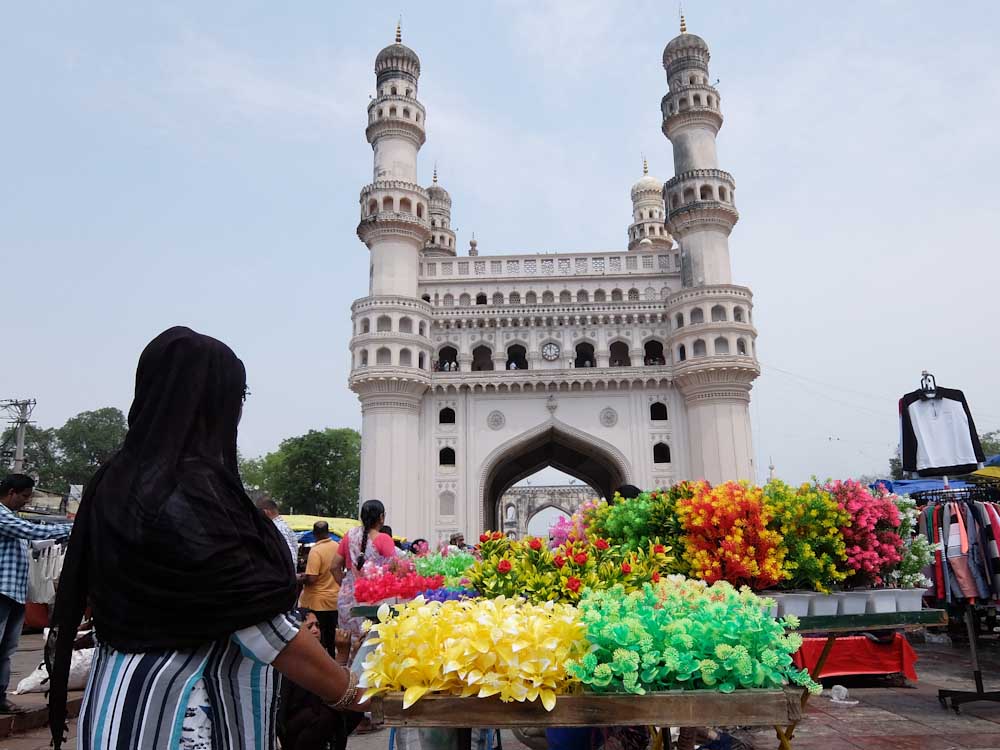
Charminar
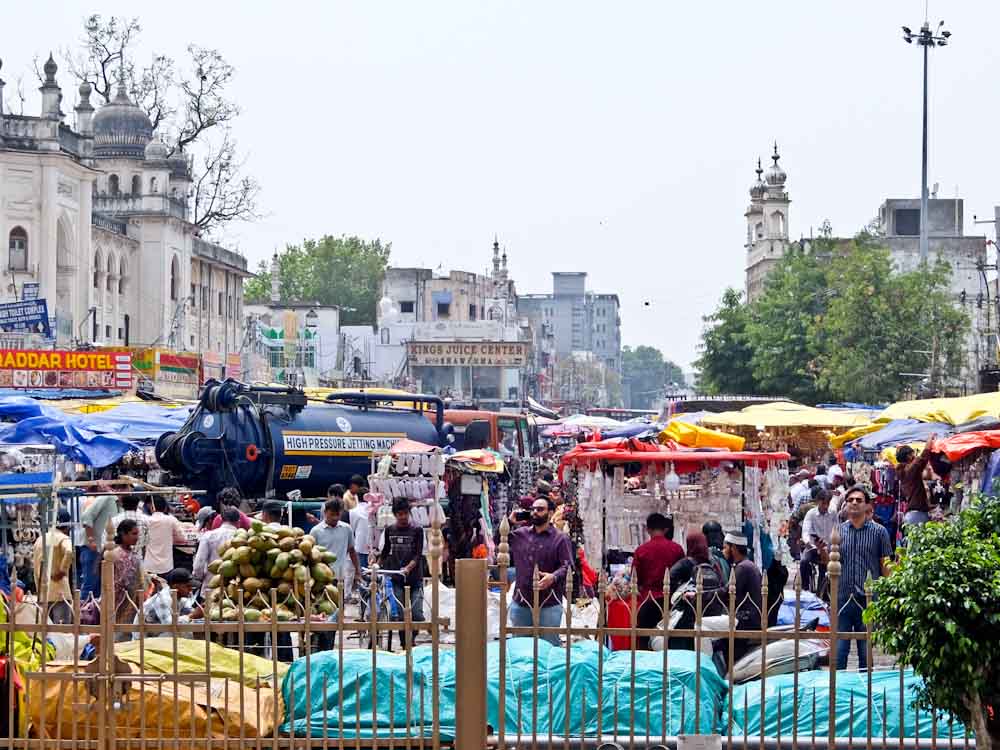
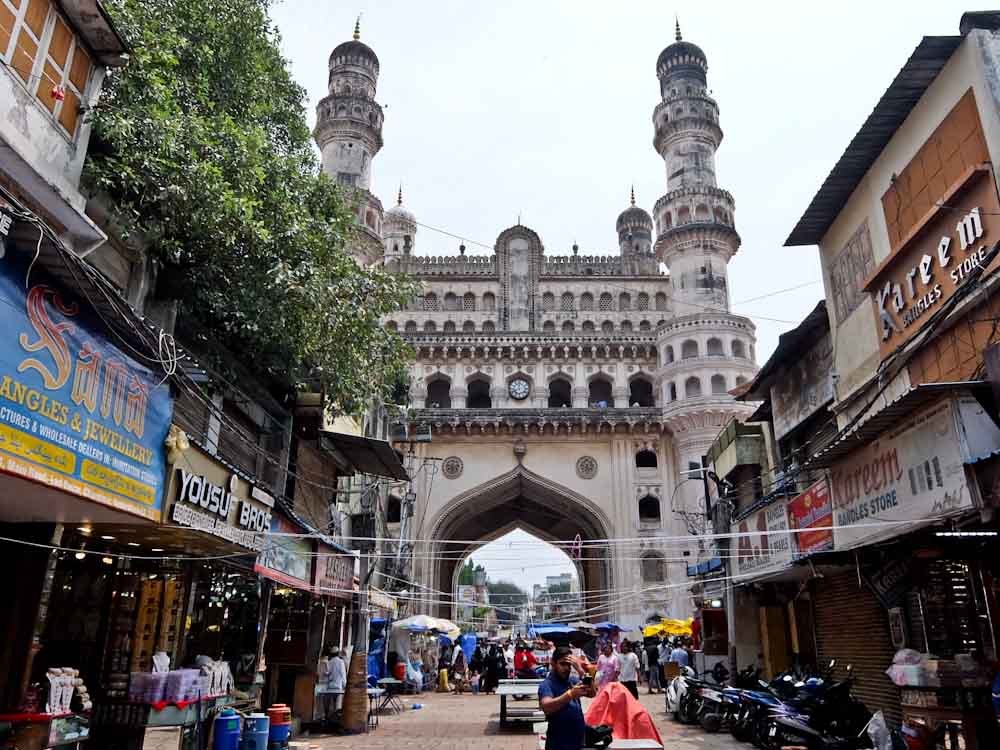
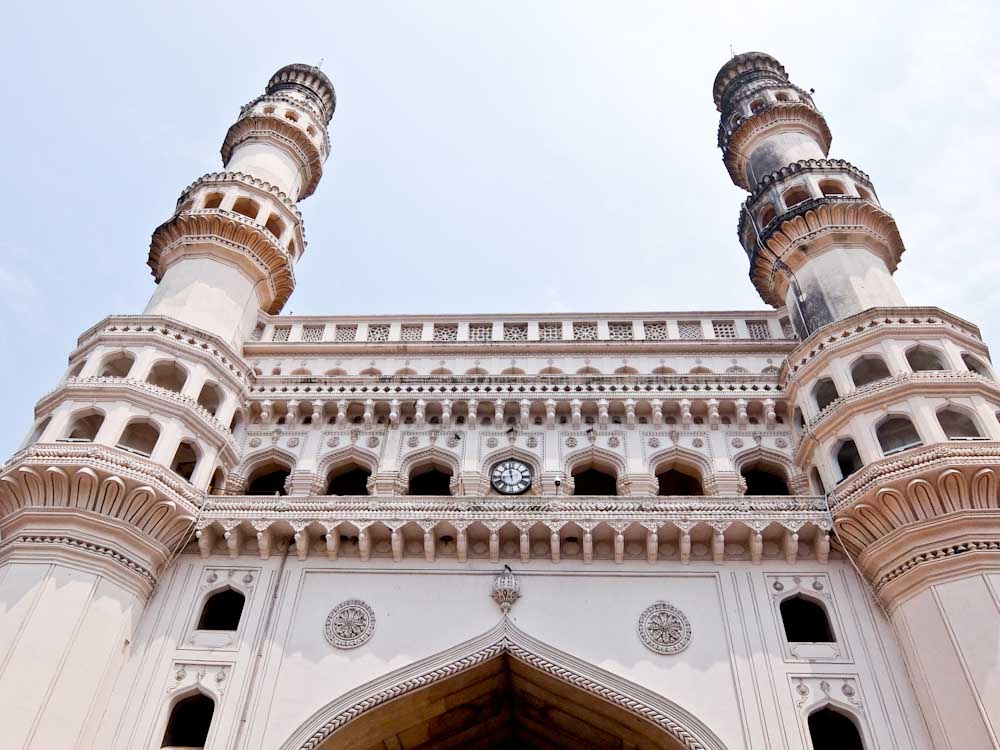
The iconic Charminar, built in 1591, remains the symbolic centrepiece of the city. Surrounded by lively bazaars, this where you go to experience the iconic sights, sounds, and aromas of traditional India. Vendors selling bangles, pearls, spices and street food add to a sensory overload that is part of the charm of the old city.
Golconda Fort
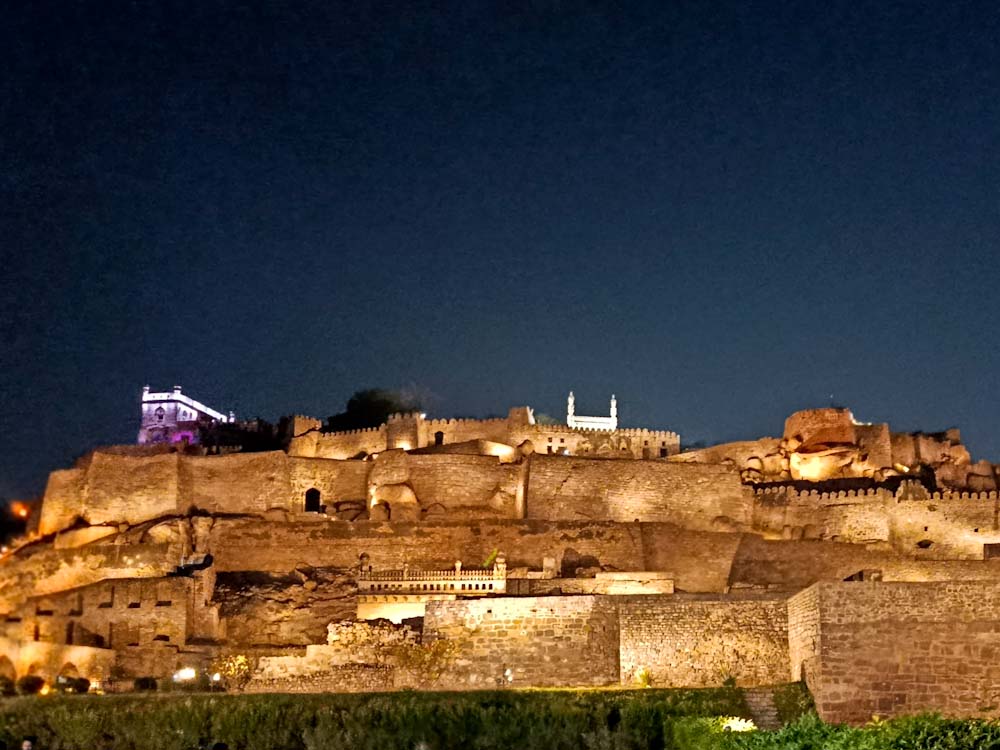
Golconda Fort
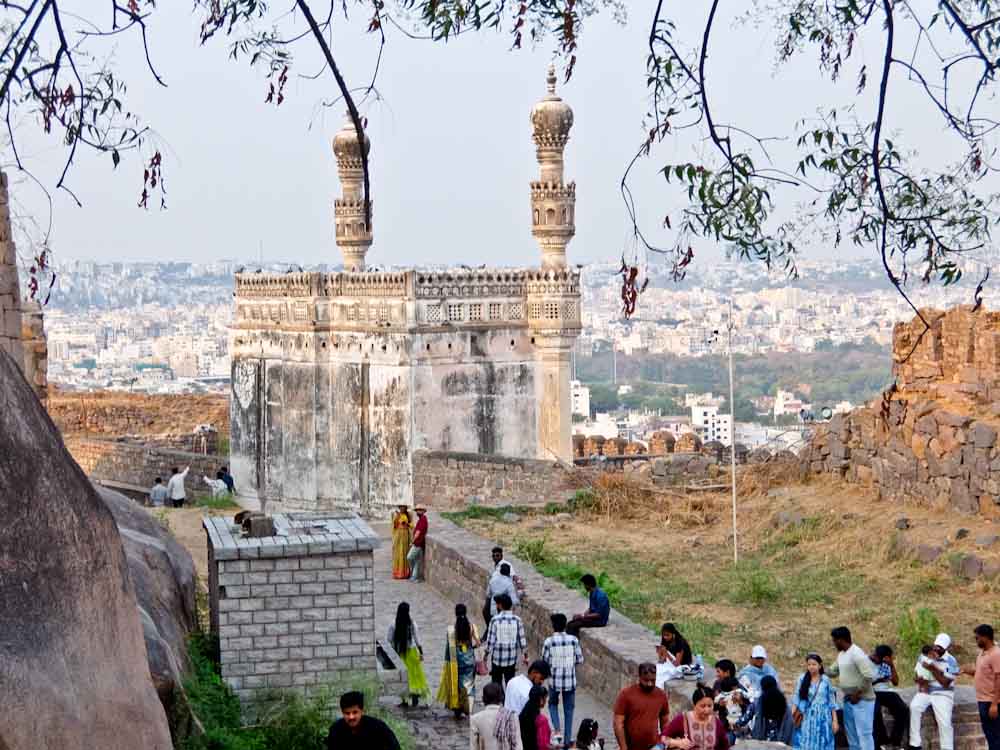
Golconda Fort
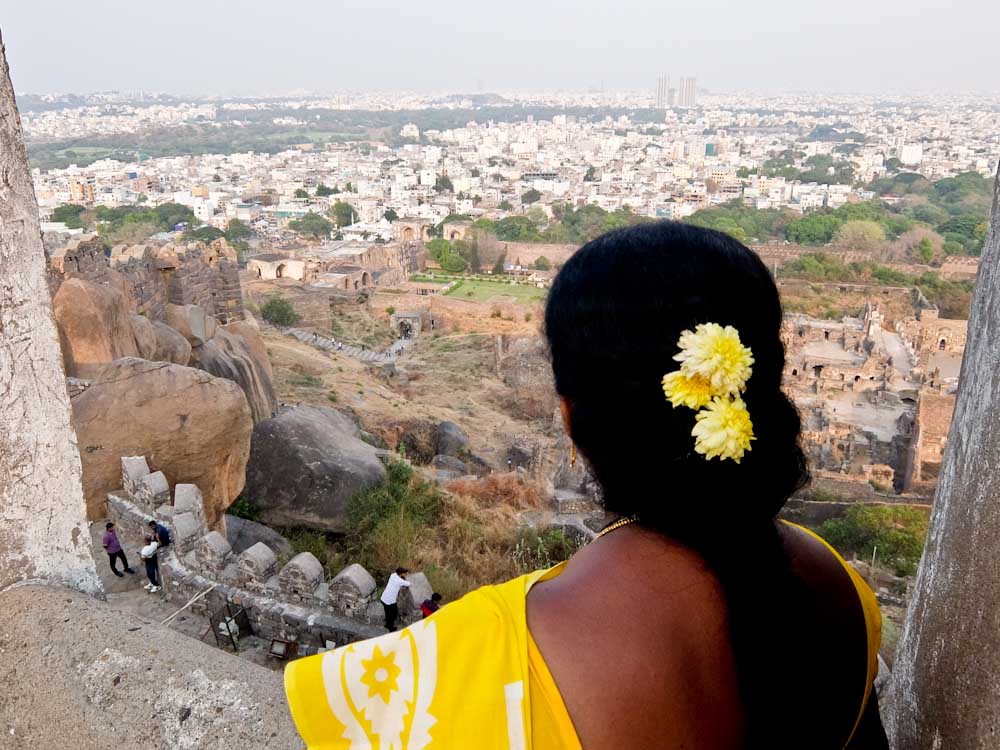
Golconda Fort
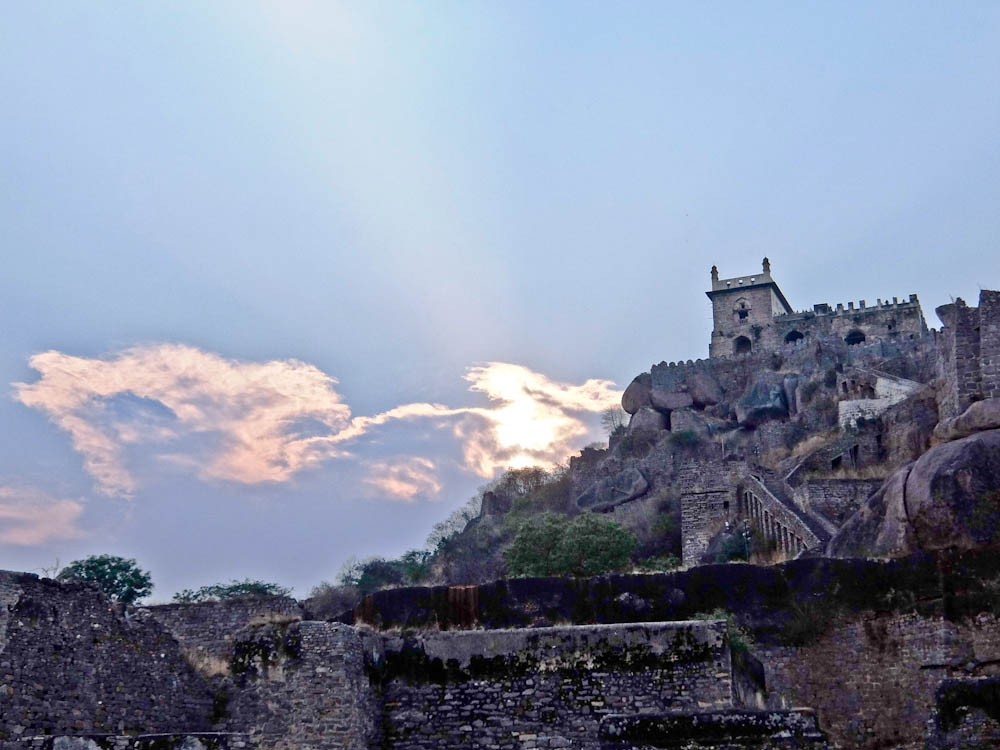
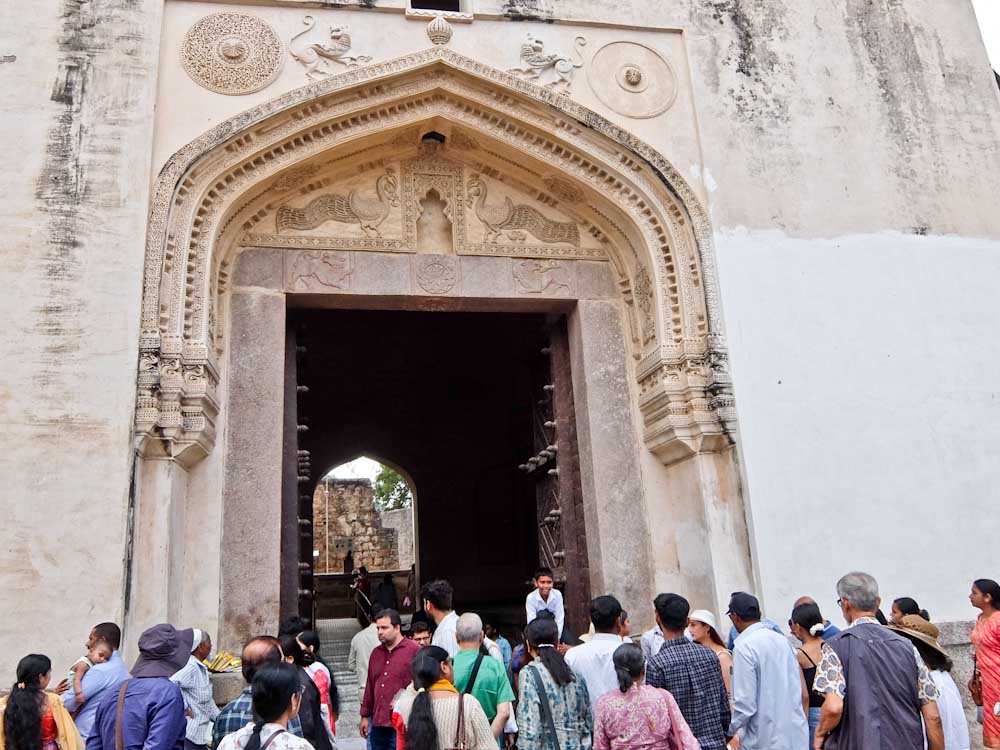
Not far from Charminar lies the majestic Golconda Fort, originally a mud structure in 1143, it became a sprawling stone fortress by the 14th century. Four drawbridges and eight gateways lead into the complex which includes palaces, stables and even a mosque. In the evenings, a sound and light show brings the fort’s history to life, offering a dramatic retelling of its glory days.
Royal Tombs
Royal Tombs
Royal Tombs
Royal Tombs
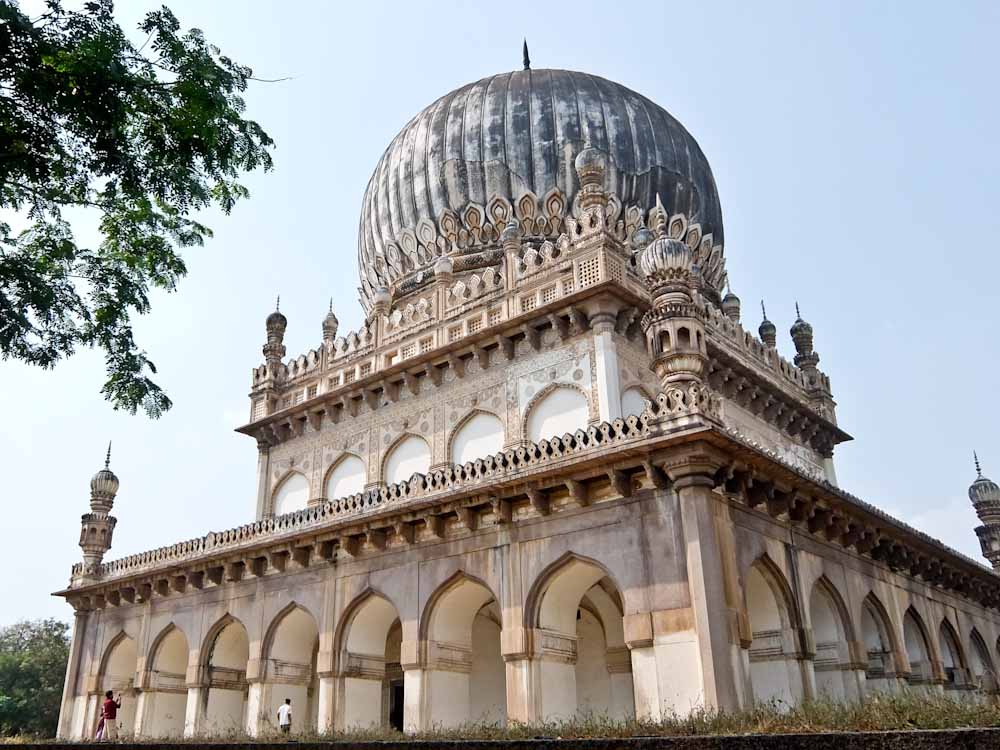
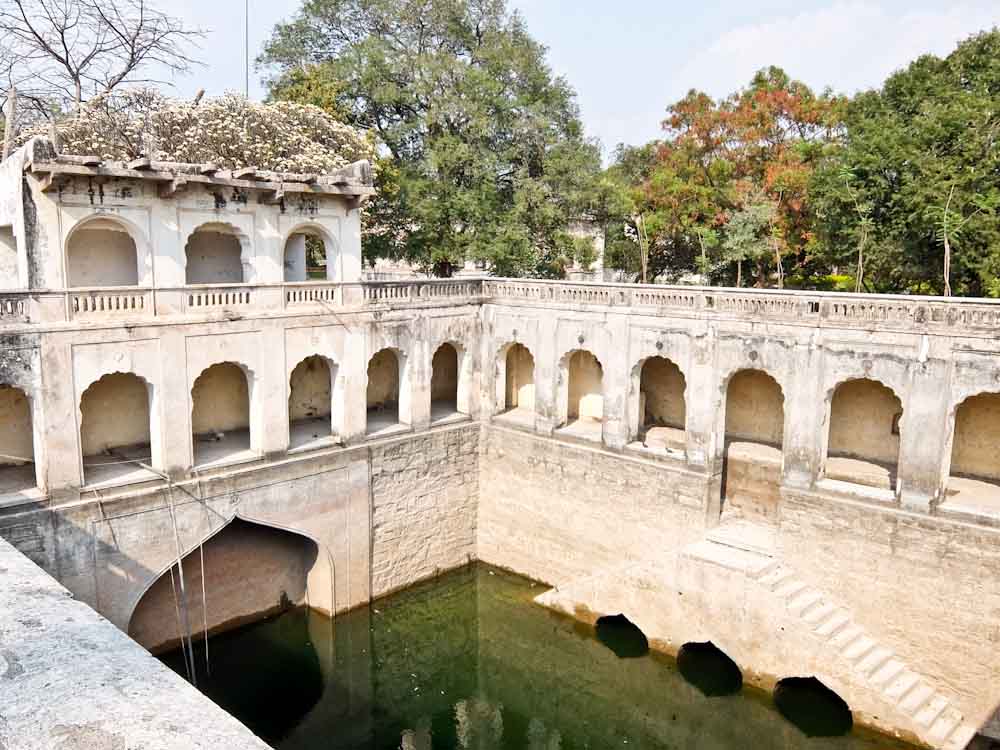
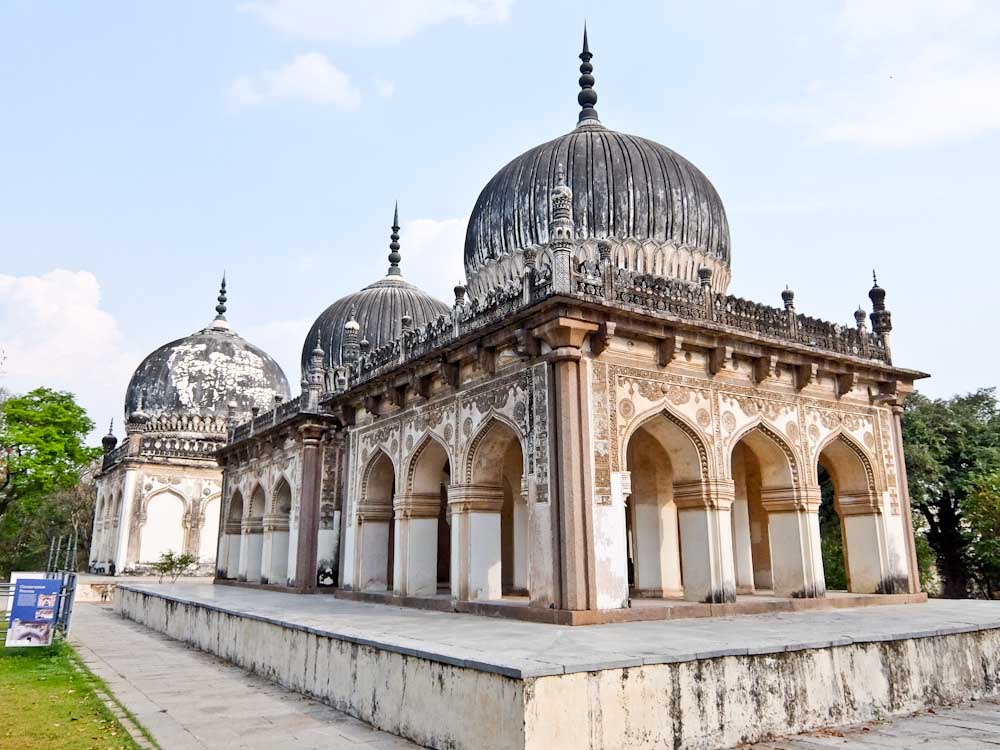
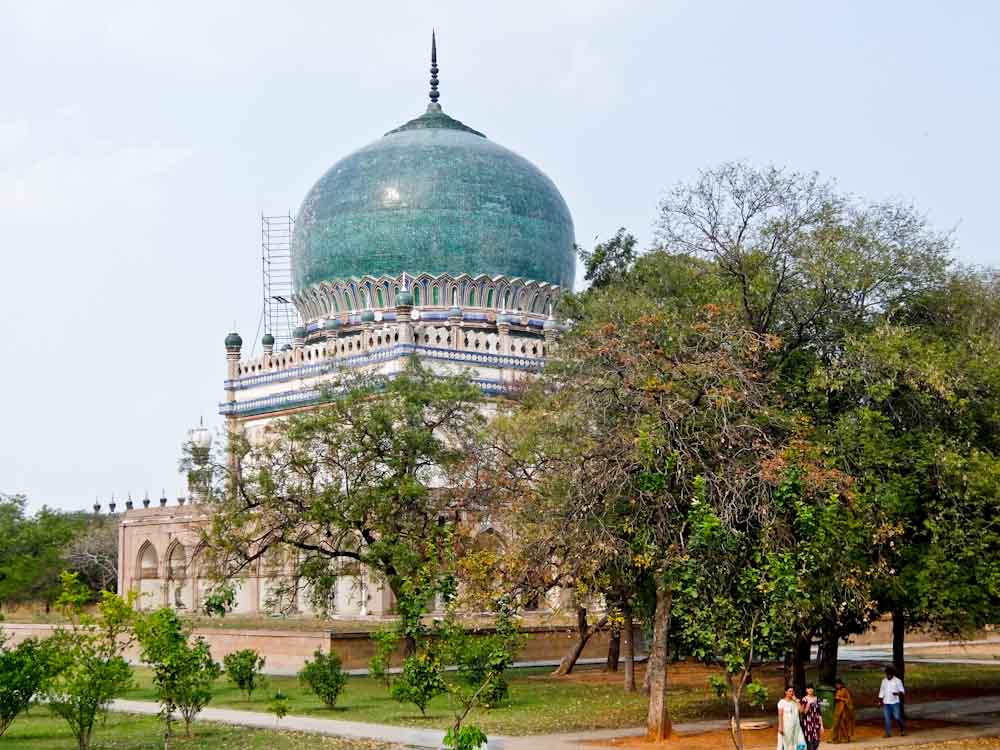
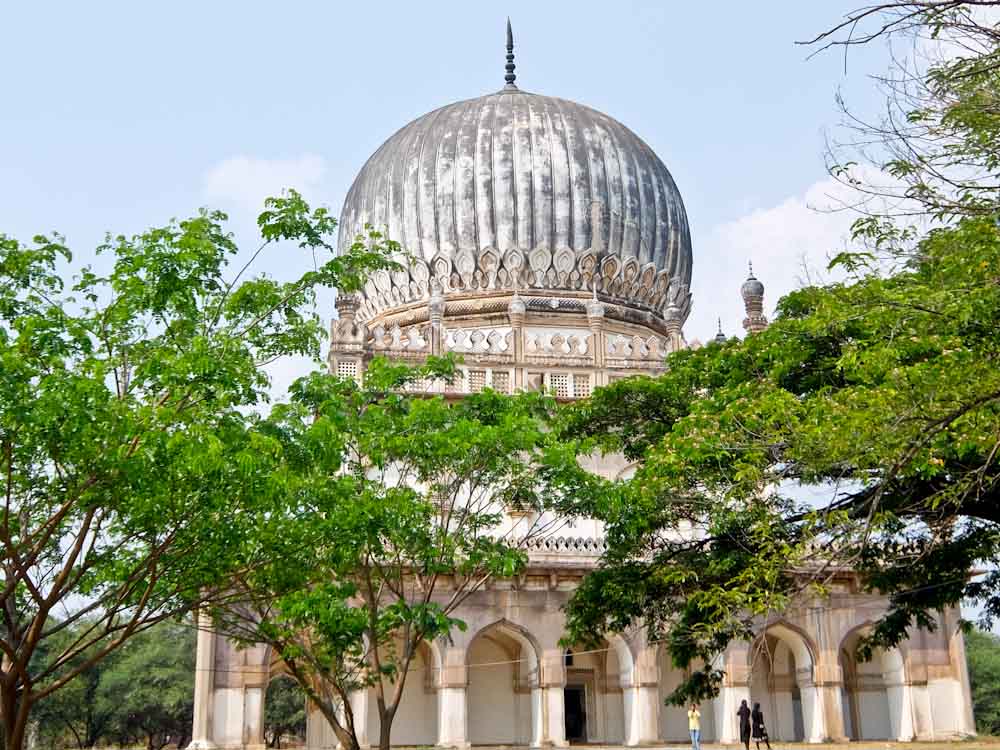
The Qutb Shahi Tombs are an architectural and historical treasure located nearby. Set amidst beautifully landscaped gardens, these tombs form a grand necropolis that reflects the splendour of the Qutb Shahi dynasty, which ruled the Golconda kingdom between the 16th and 17th centuries.
Royal Tombs
Royal Tombs
With over 100 structures on the 43 hectare site, each tomb is a masterpiece in its own right, blending Persian, Indian, and Pathan architectural styles. Built primarily from granite and adorned with intricate stucco ornamentation, the tombs feature large domes, pointed arches, and delicately carved minarets that rise gracefully against the sky.
Chowmahalla Palace
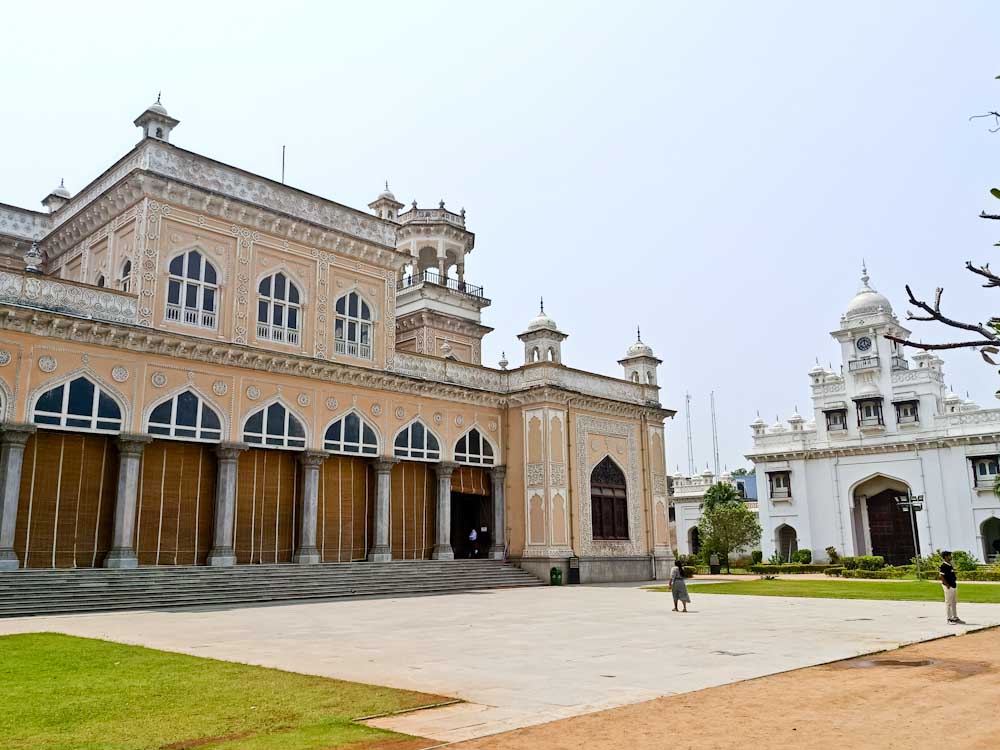
Chowmahalla Palace was the official residence of the Nizams until independence, when the state became part of India. Built in the neo-classical style, it’s actually four palaces packed with grand courtyards, elegant fountains, and lofty halls. It boasts Mughal domes and arches and elegant Persian stucco work.
Chowmahalia Palace
Chowmahalia Palace
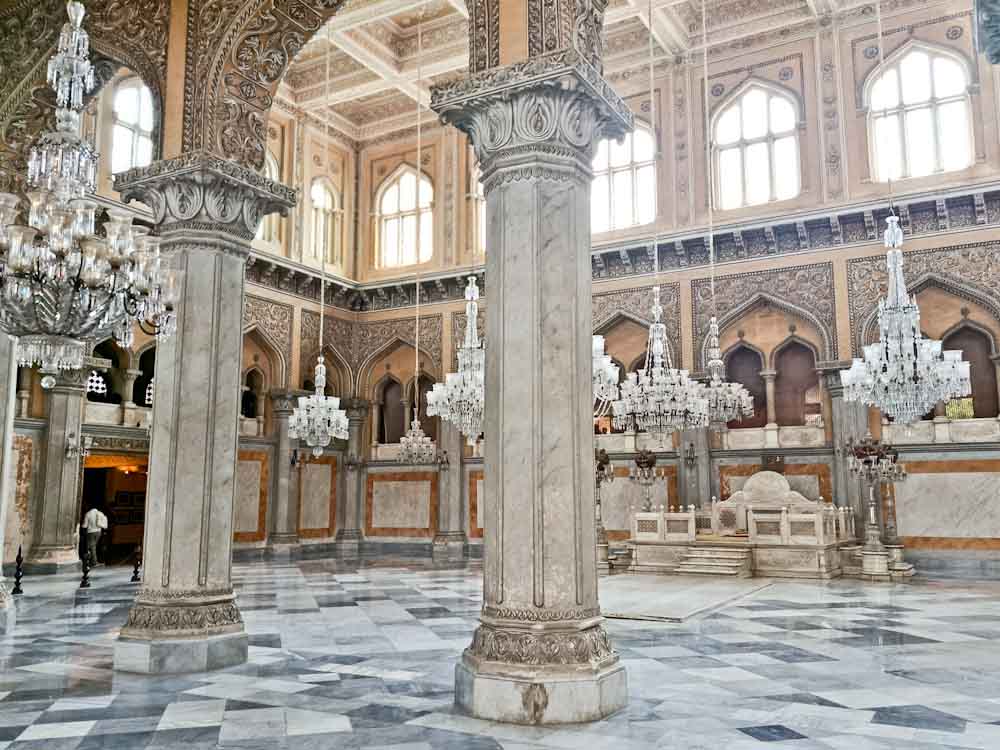
The highlight is the Khilwat Mubarak, the grand Durbar hall, where formal ceremonies were staged. Adorned with massive Belgian crystal chandeliers and a marble platform, it offers fitting regal splendour. At the rear is a collection of vintage cars and other artefacts, reflecting the wealth and taste of the Nizams.
Salar Jung Museum
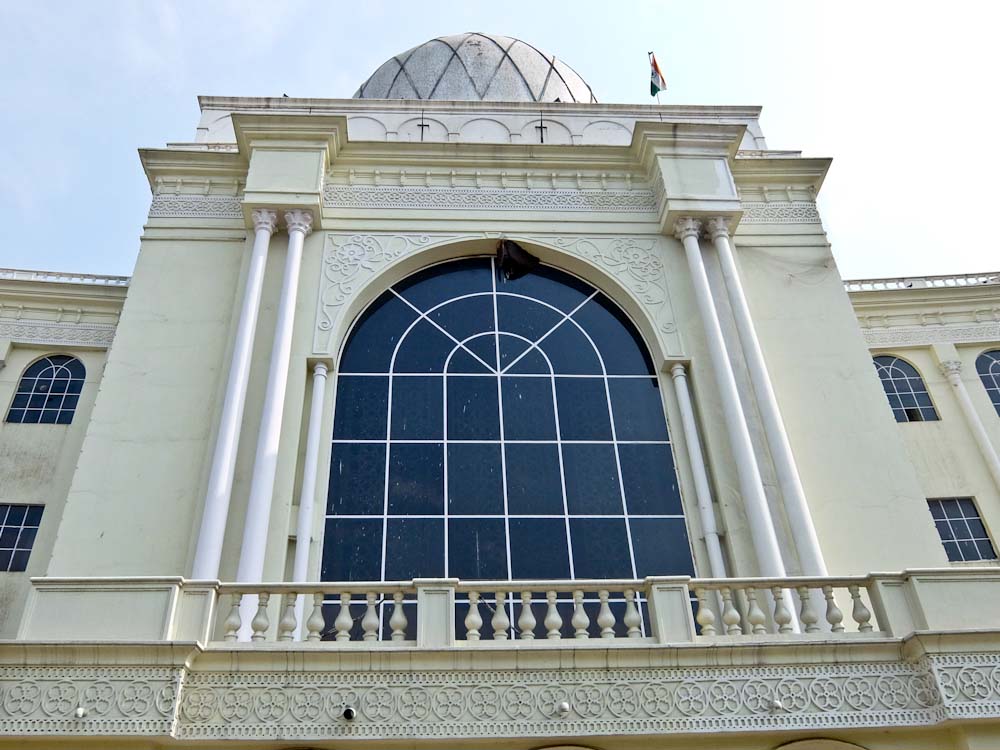
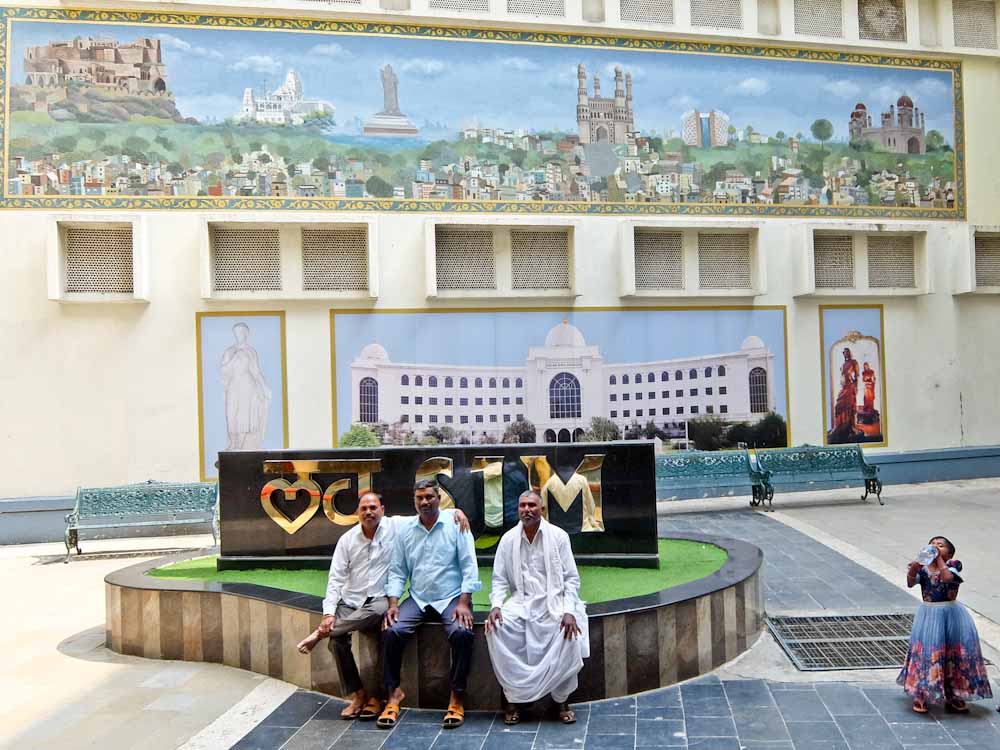
One of the largest art museums in India, Salar Jung houses the extraordinary collection of Mir Yusuf Ali Khan, the former Prime Minister of the 7th Nizam. Over 35 years, he used his money to collect rare art, manuscripts, and artefacts from across the globe.
Salar Jung
Salar Jung
Salar Jung
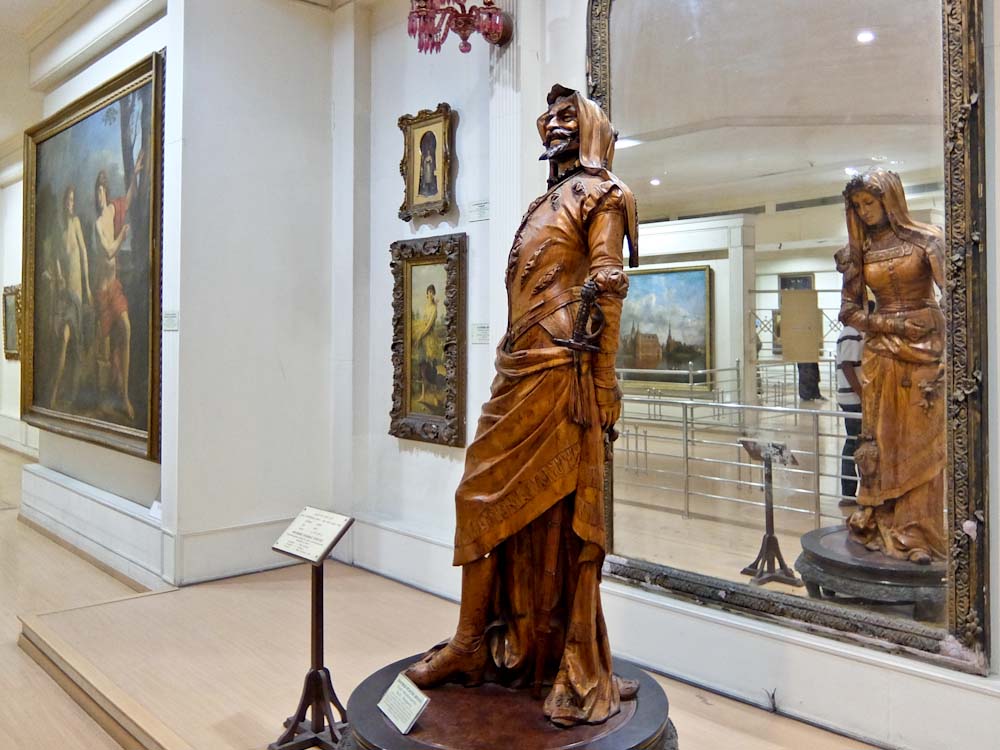
The museum spans multiple galleries and features European paintings, Persian carpets, Indian sculptures, and Far Eastern art. Among its most celebrated pieces is the Veiled Rebecca, a marble sculpture where the veil appears almost transparent. Another favourite is Mephistopheles and Margaretta, a 19th century wooden double sculpture with the reverse visible in a mirror.
Ramoji Film City
Ramoji Film City
Ramoji Film City
Ramoji Film City
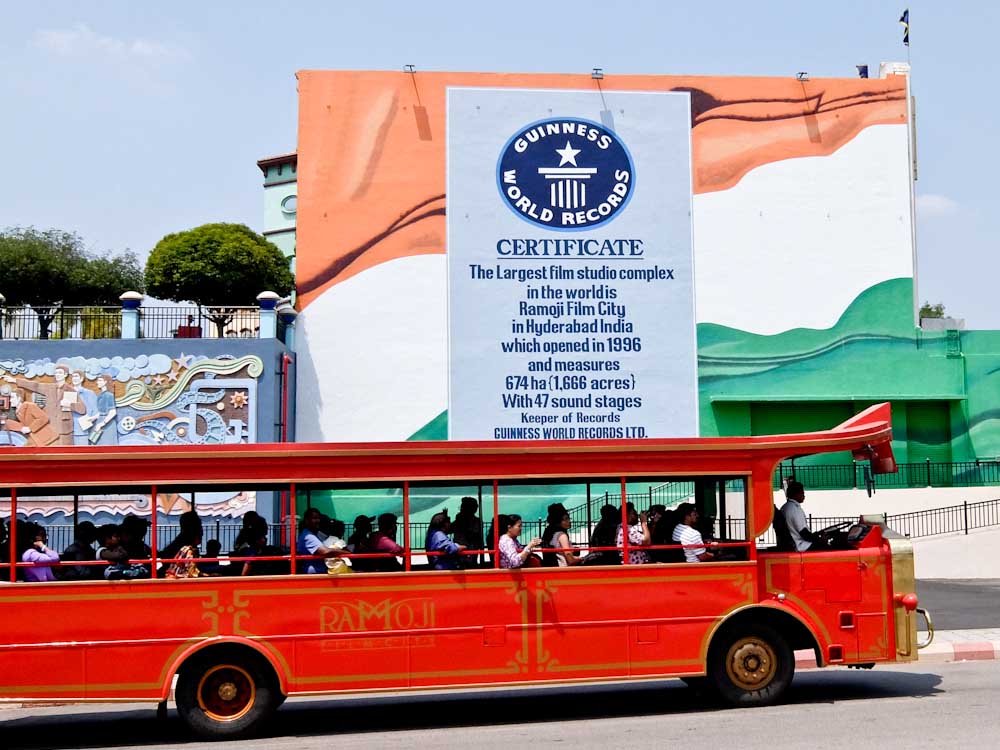
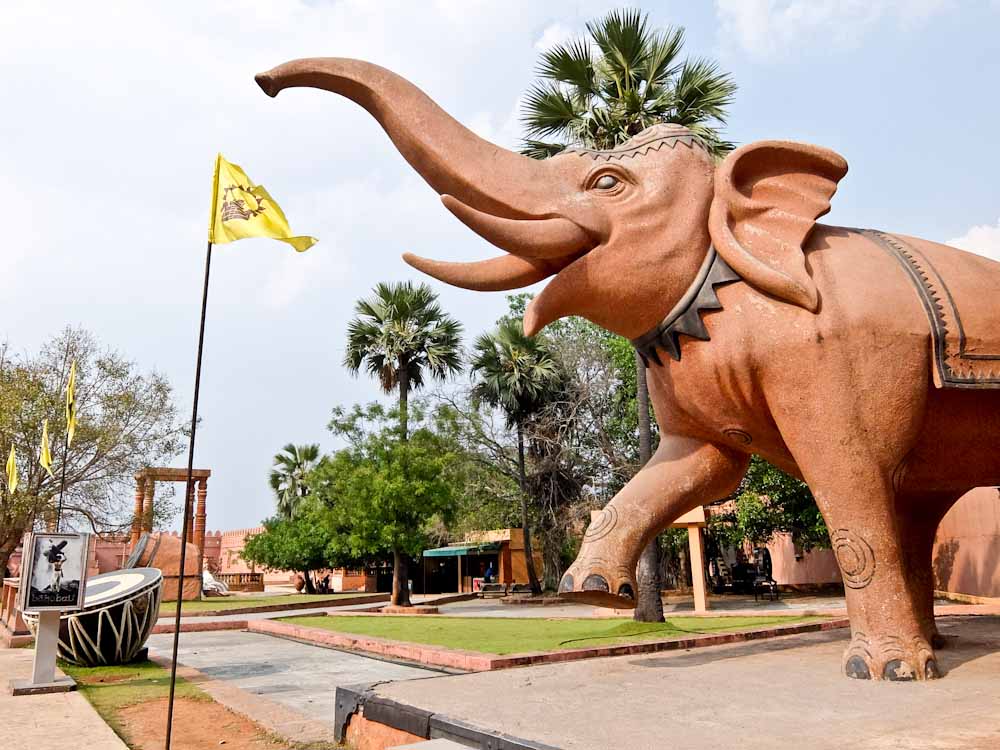
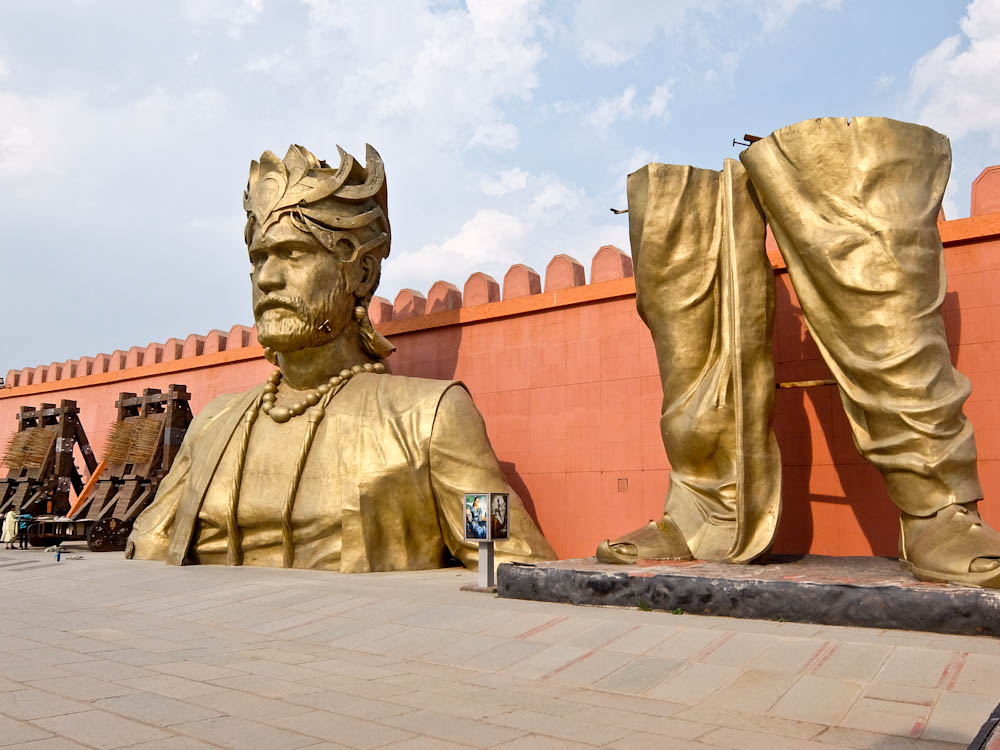
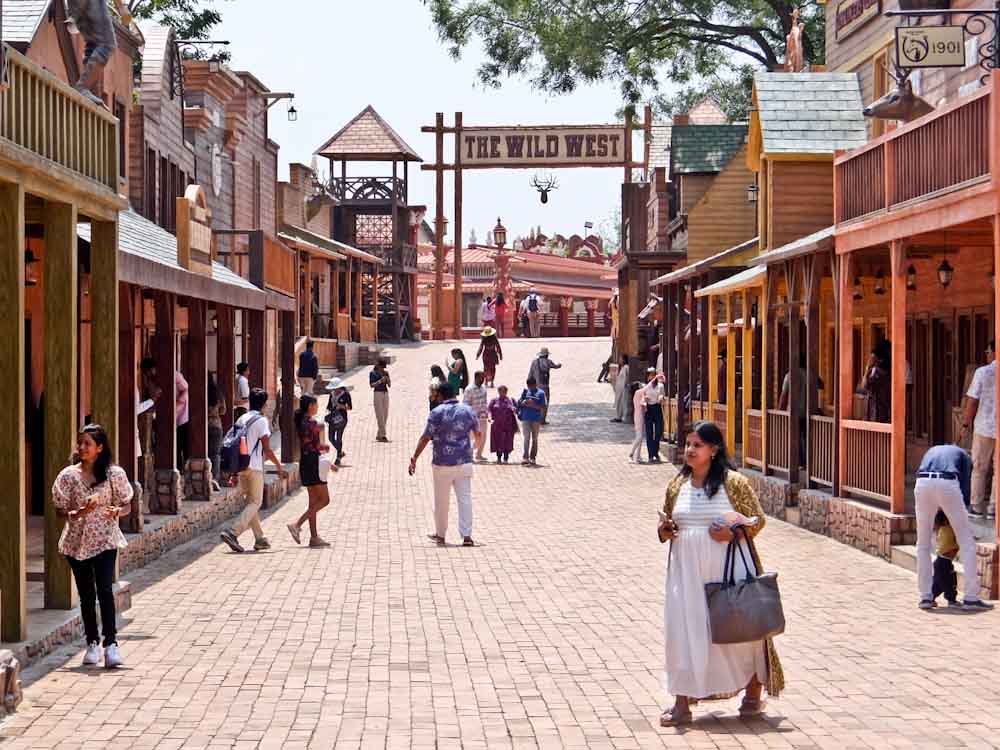
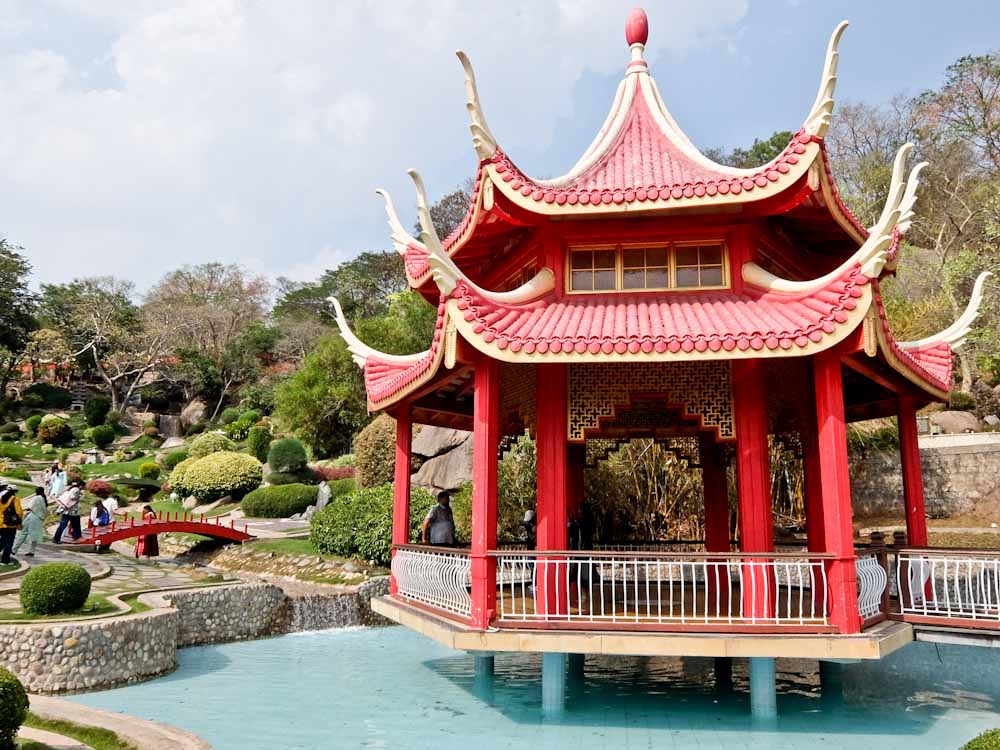
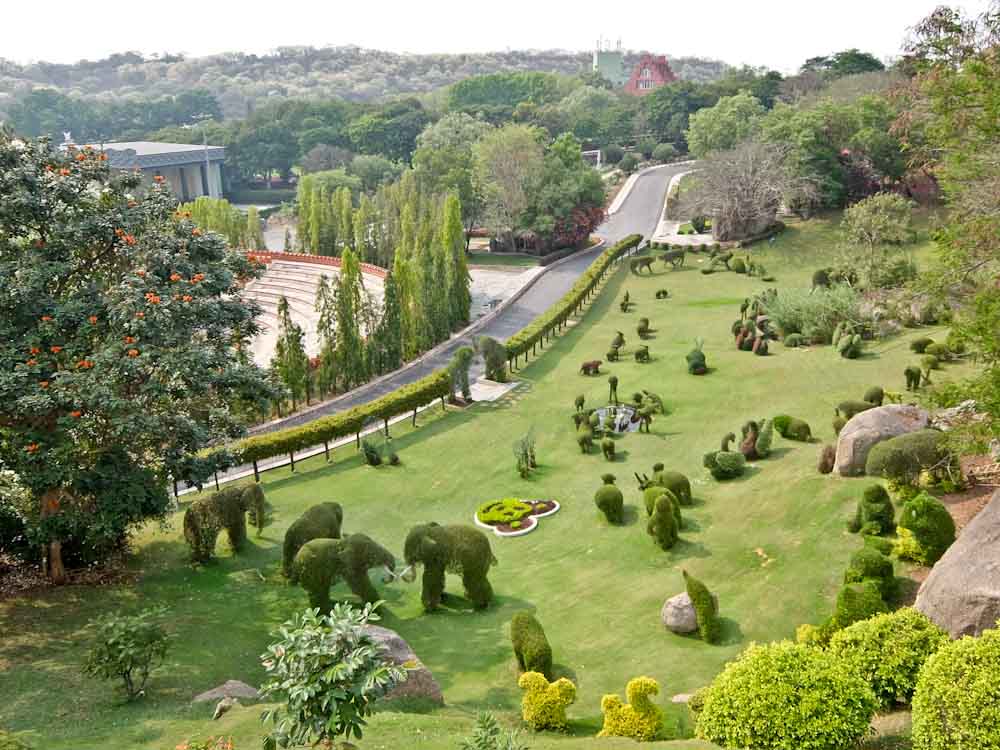
Spread across 800 hectares, Ramoji Film City is one of the largest integrated film studios in the world. More than 3,500 movies, including Hindi blockbusters, have been shot here since it opened in 1996. Guided tours take you around the permanent sets which include a royal palace, a modern airport terminal and a wild west street.
Ramoji Film City
Ramoji Film City
Ramoji Film City
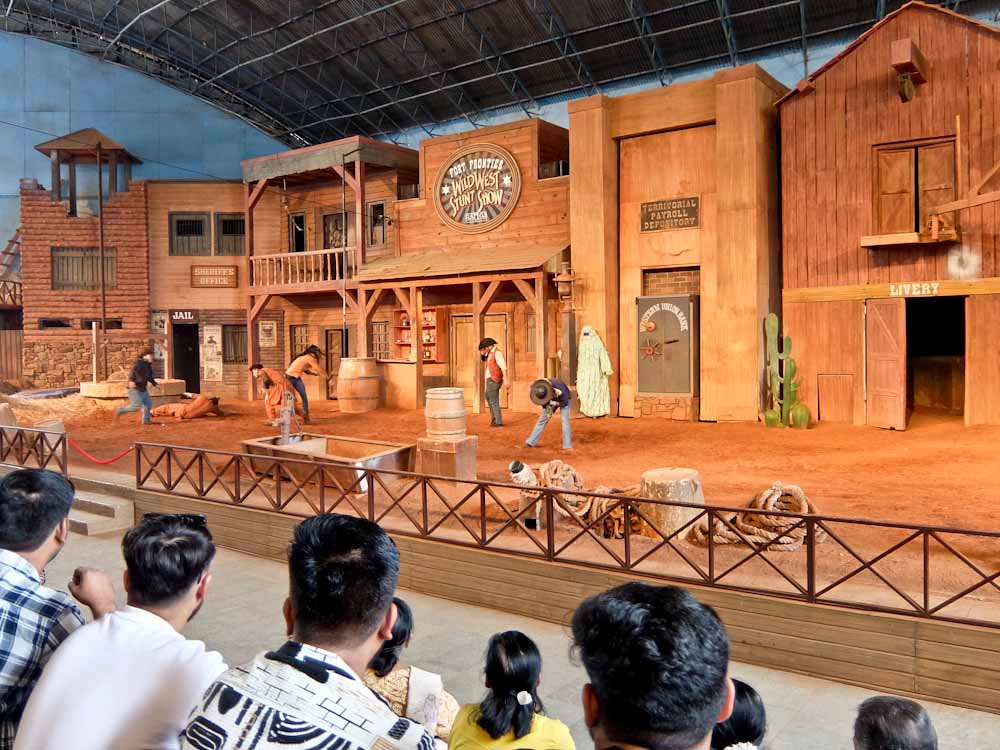
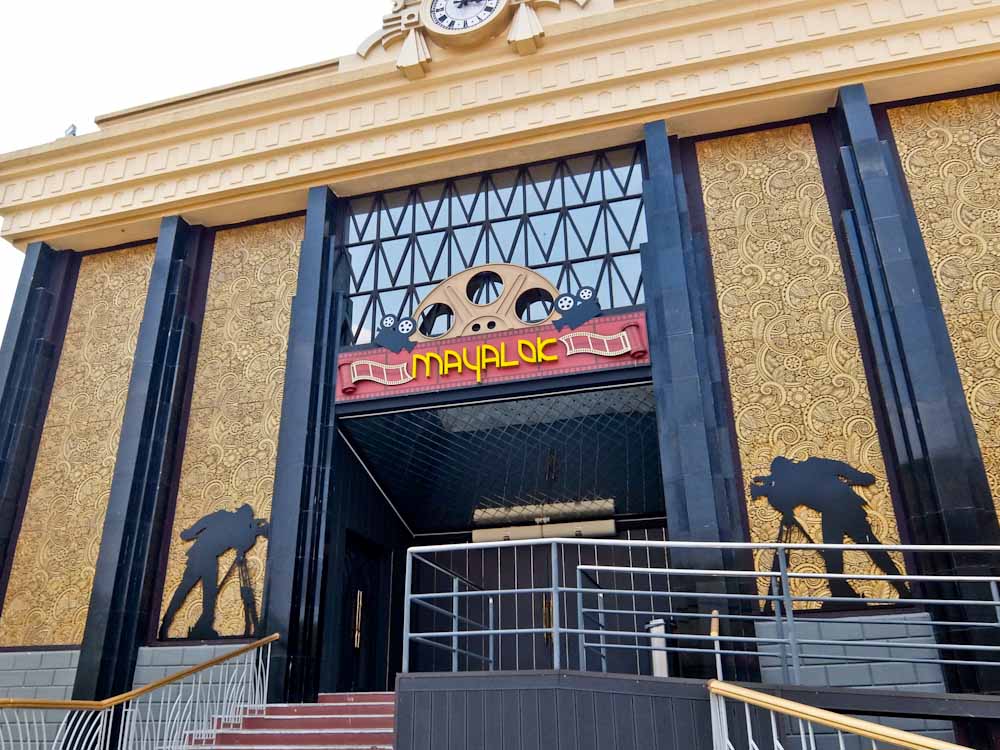
Live shows, stunt performances, themed gardens, and entertainment zones make it feel like a blend of Hollywood studio tour and amusement park. Demonstrations of filmmaking techniques offer insight into the technical side of the industry. Mayalok, the latest attraction, looks at how some of their fantastic movies were created.

Ramoji Film City
Ramoji Film City
Ramoji Film City
Beyond Hyderabad
Beyond Hyderabad, Telangana reveals a different, quieter charm. The state is dotted with ancient temples, serene lakes, and lush forests that offer a glimpse into its spiritual and natural richness.
Bhongir Fort.
Bhongir Fort
Bhongir Fort
Bhongir Fort
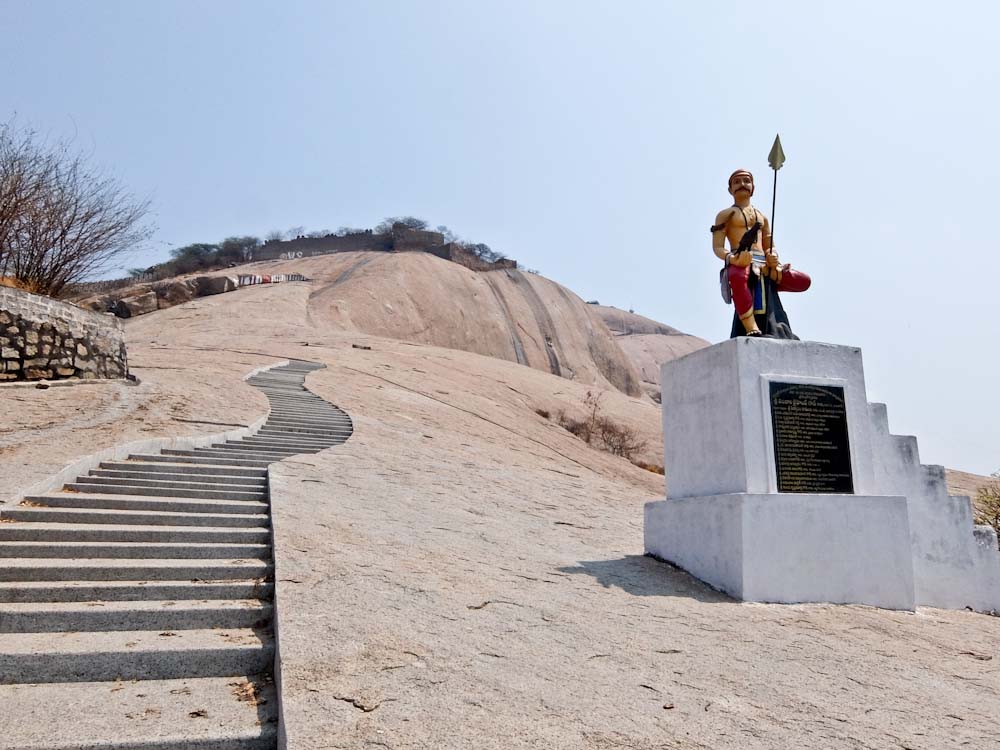
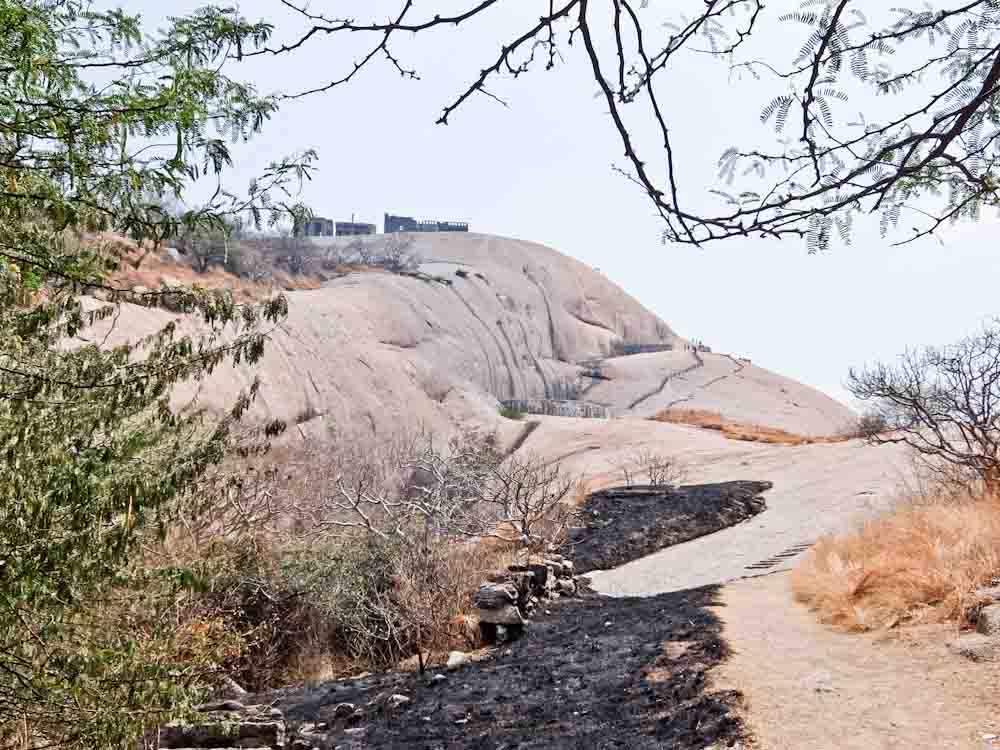
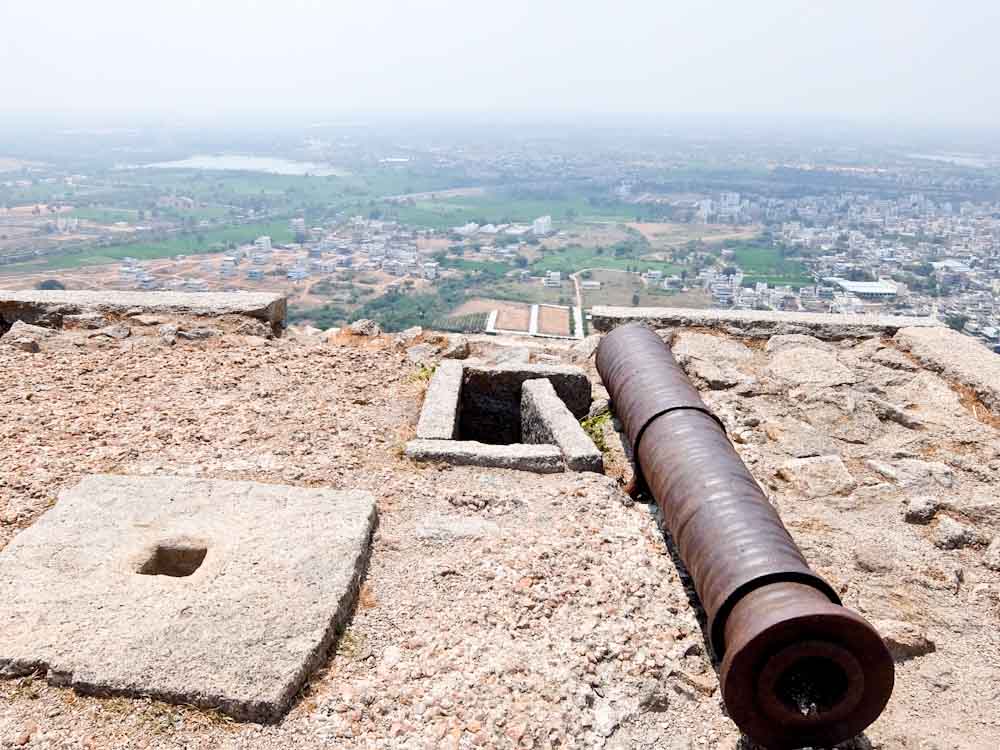
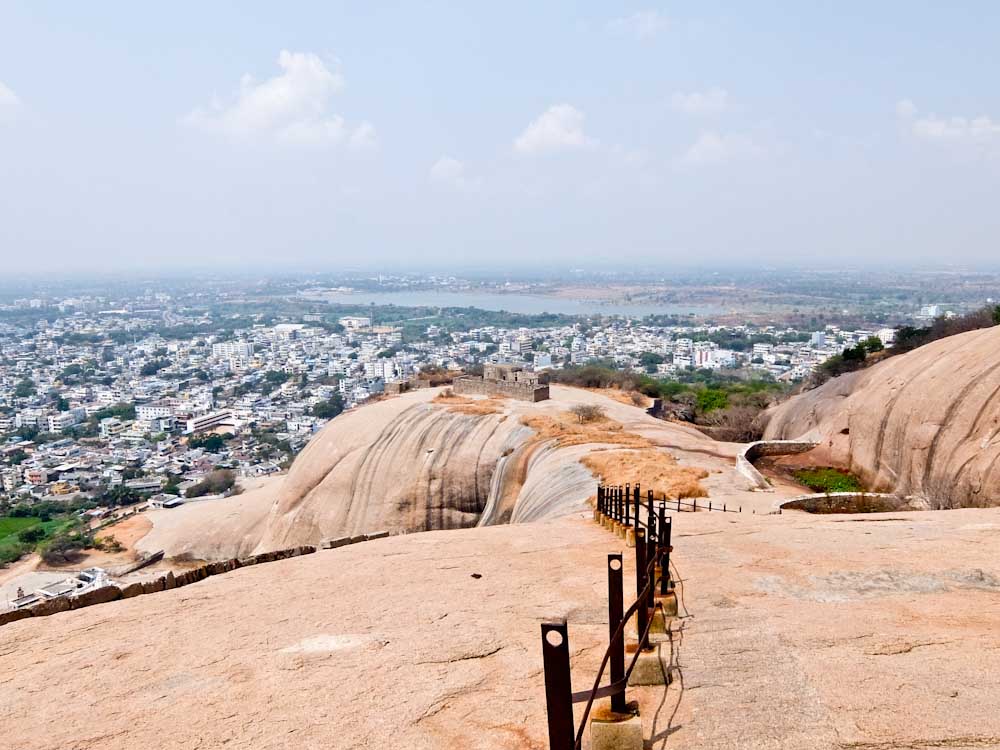
Rising dramatically from the plains, 50 km northeast of Hyderabad, Bhongir Fort crowns the top of a massive egg-shaped monolithic stone. Built in the 10th century, it’s different from other hill forts in India as it’s sculpted directly into the rock. Although the smooth, sloping surface makes the 185m ascent tricky, a series of ancient stone steps are there to help you climb
Bhongir Fort
Bhongir Fort
Bhongir Fort
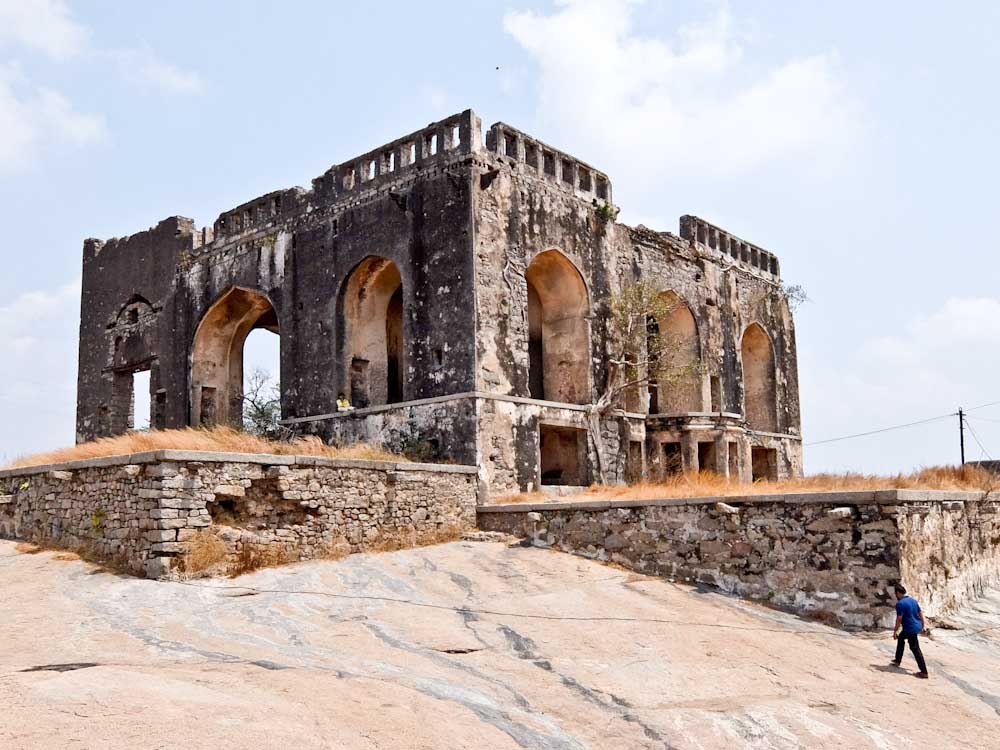
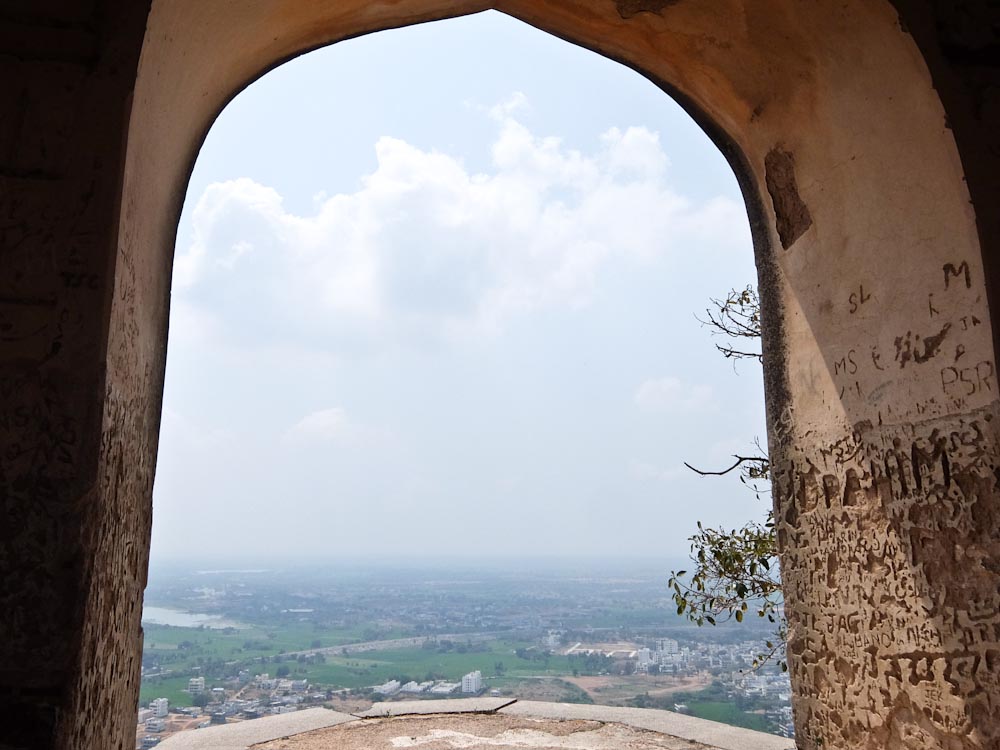
Along the way, you pass remnants of fortifications, gateways, and guard posts .Near the summit, an impressive steel gateway leads to the fort, with ruins of spacious courtyards, granaries, stables, and barracks. There are sweeping views of the surrounding countryside, all patchwork fields, scattered villages and distant hills.
Yadadri Temple
Yadadri Temple
Yadadri Temple
Yadadri Temple
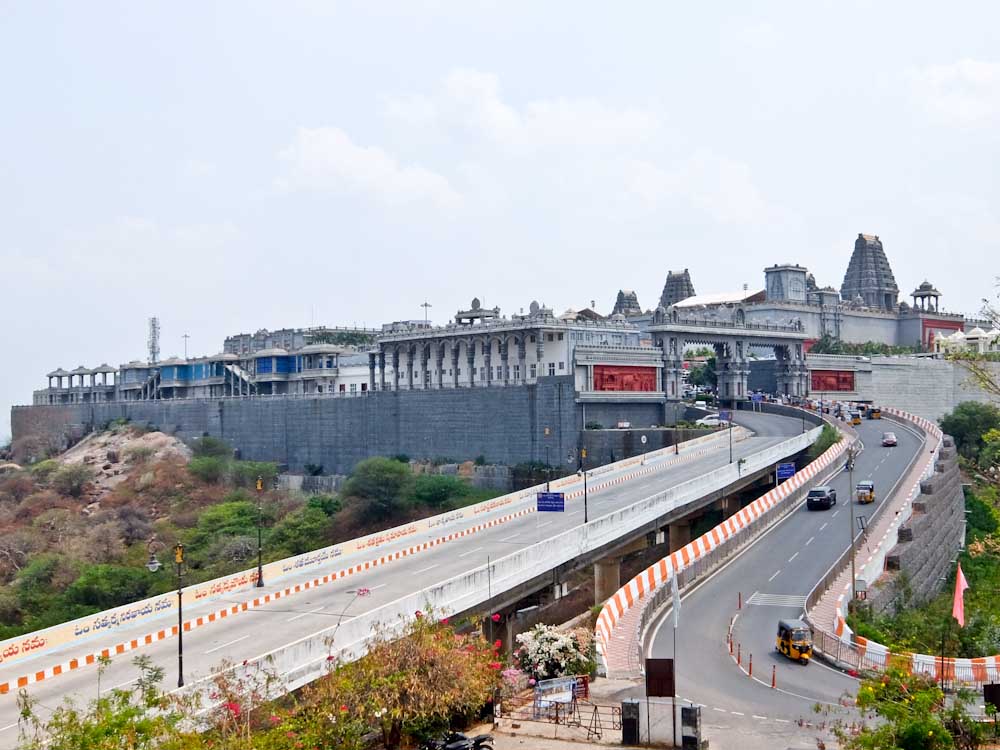
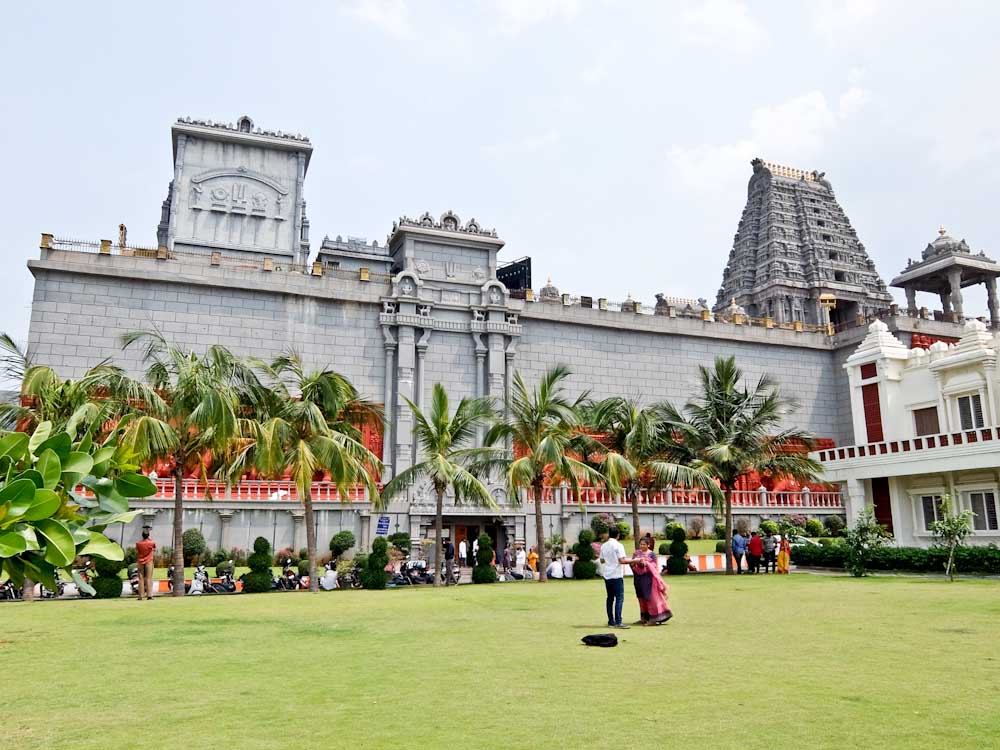
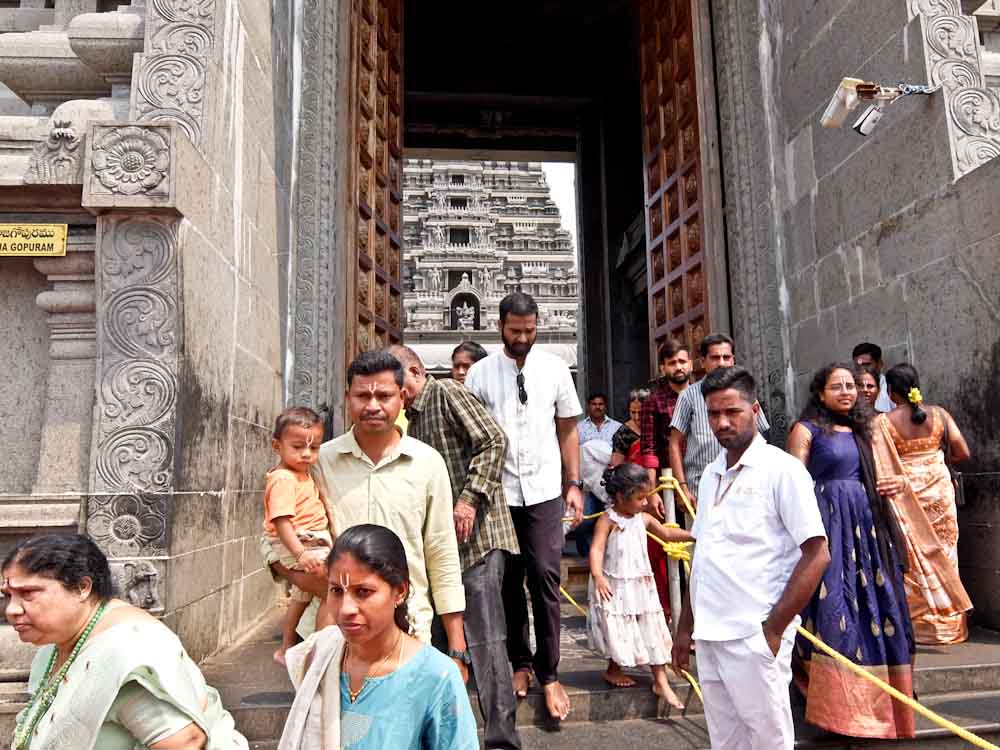
One of the most significant religious sites is the temple town of Yadadri Temple, dedicated to Lord Narasimha. Built on a hill top, the temple has undergone extensive renovation in recent years and blends traditional temple architecture with modern facilities.
Nagarjunakonda
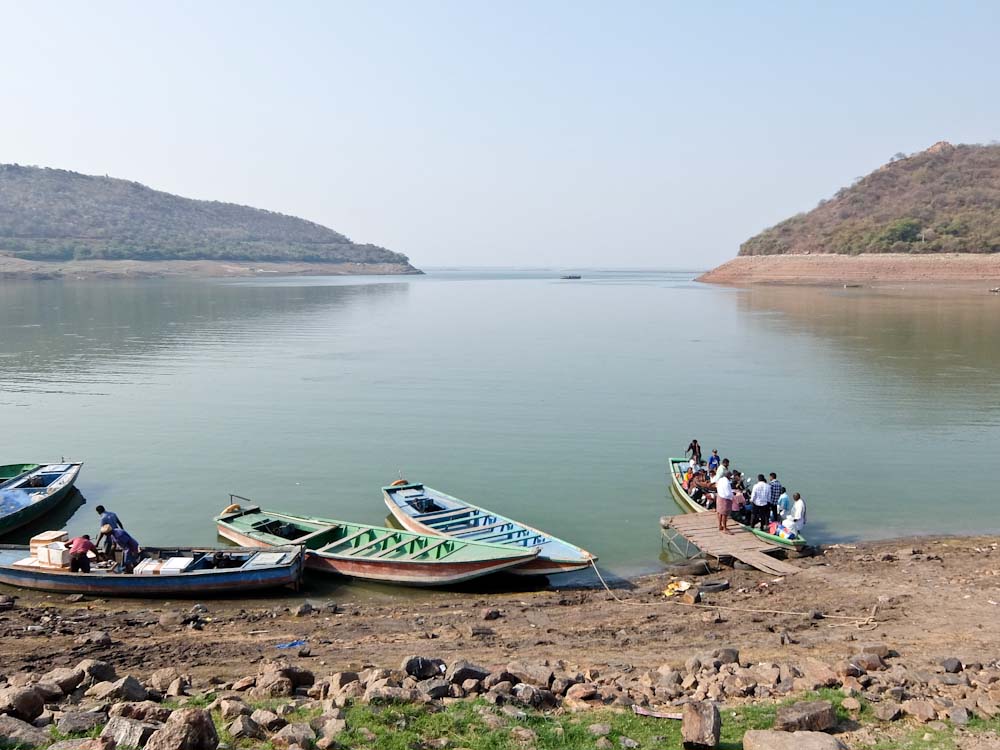
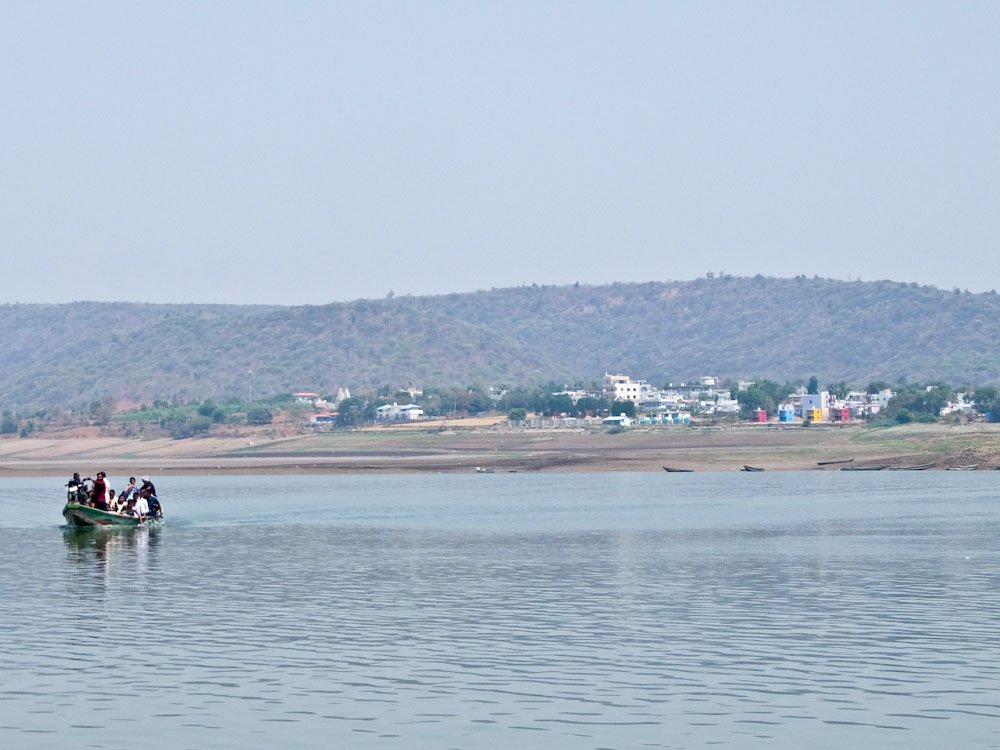
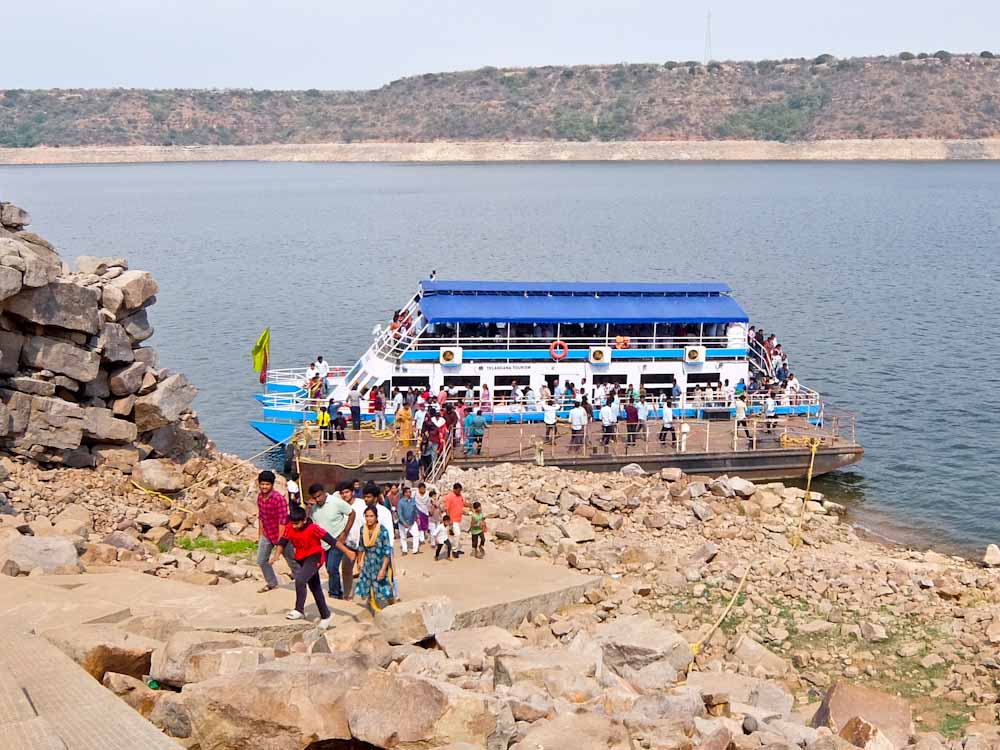
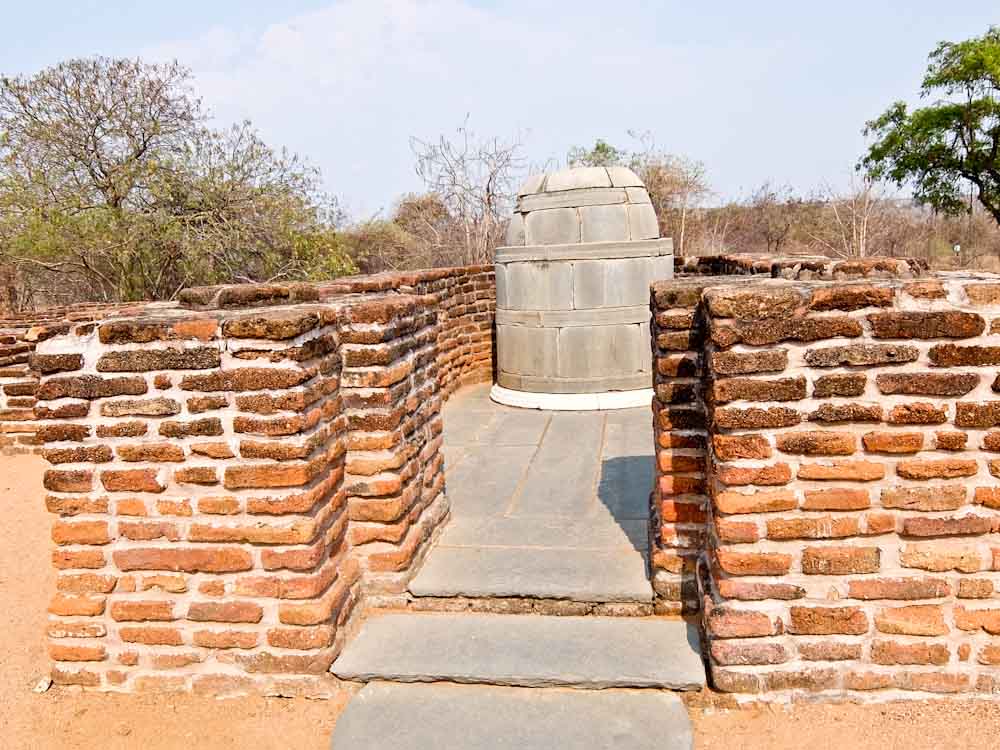
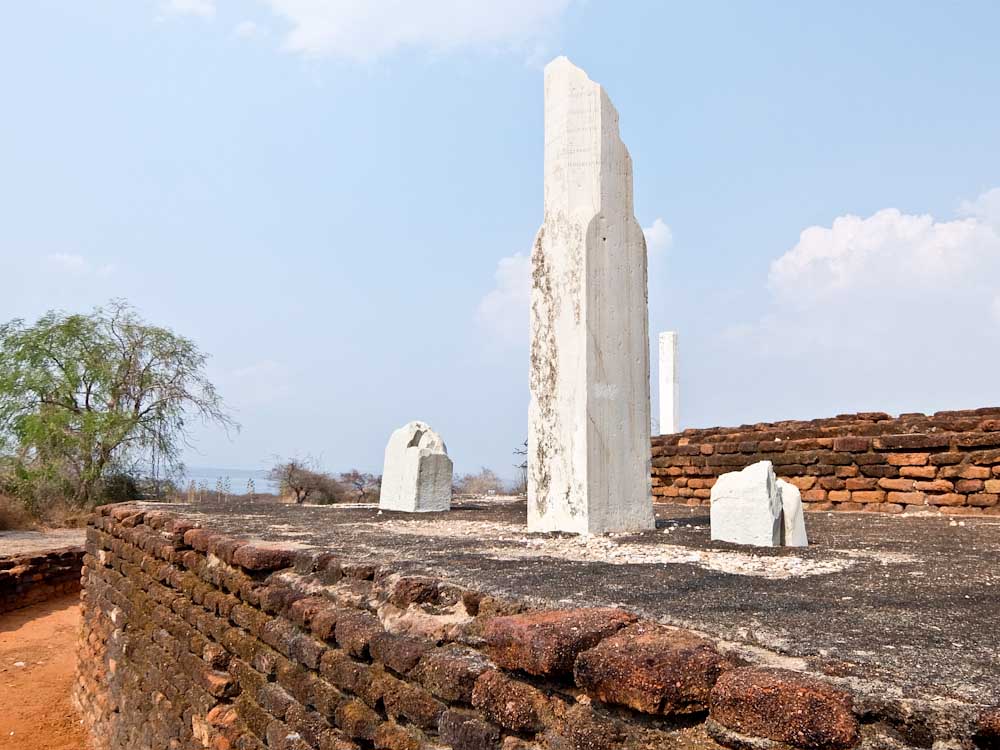
Nagarjunakonda, was a flourishing centre of Mahayana Buddhism between the 2nd and 3rd century CE. Remains included monasteries, universities and stupas but the valley was submerged by a dam project in the 1960’s. The ruins were relocated and reconstructed on a remaining island, easily accessible by boat.
Nagarjunakonda
Nagarjunakonda
Nagarjunakonda
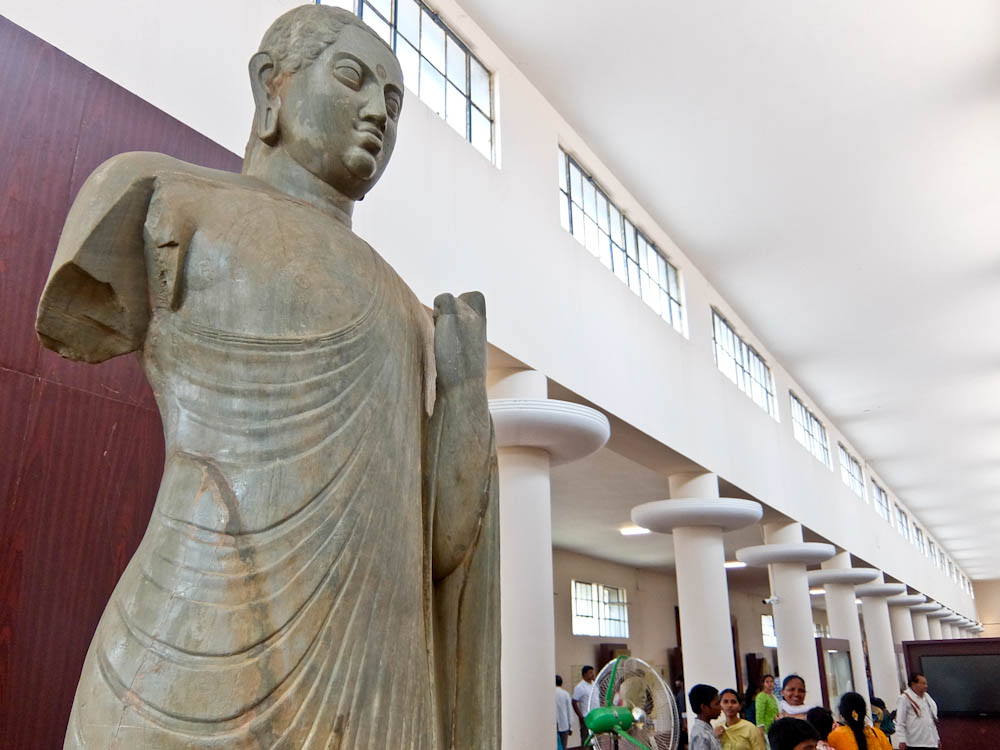
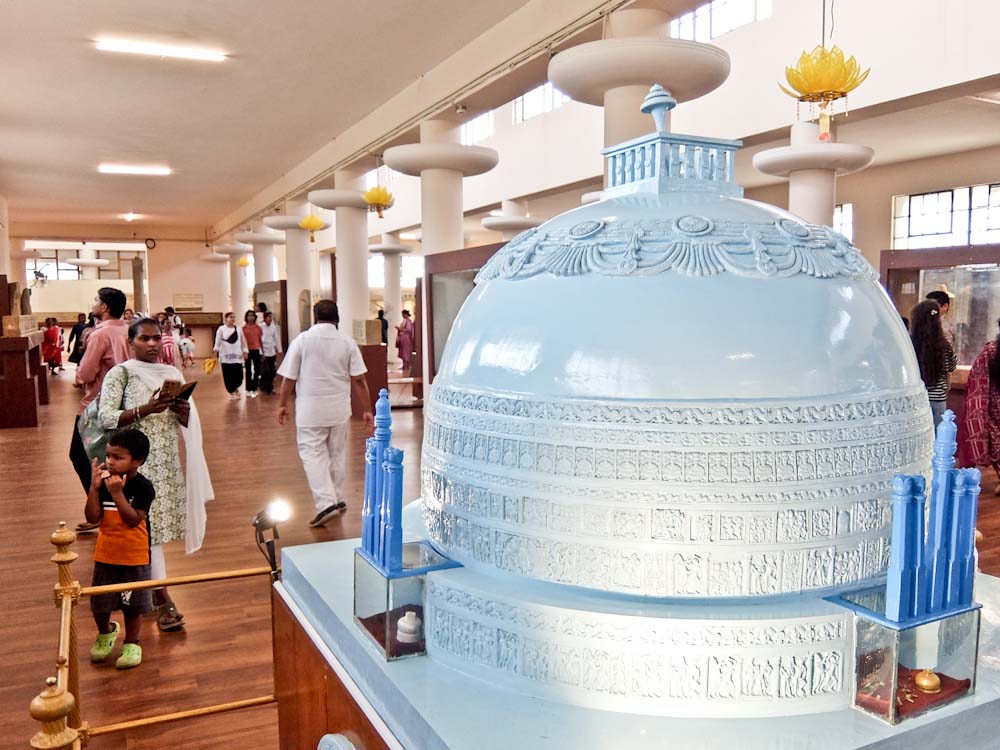
Among the reconstructions is an amphitheatre believed to be one of the earliest of its kind in India. One of the highlights is the Mahachaitya, or Great Stupa, a sacred structure that once housed relics of the Buddha. A large museum contains an impressive collection of artefacts including carved limestone panels, Buddha statues and coins and pottery.
Nagarjunakonda
Nagarjunakonda
Buddhavanam
Buddhavanam
Buddhavanam
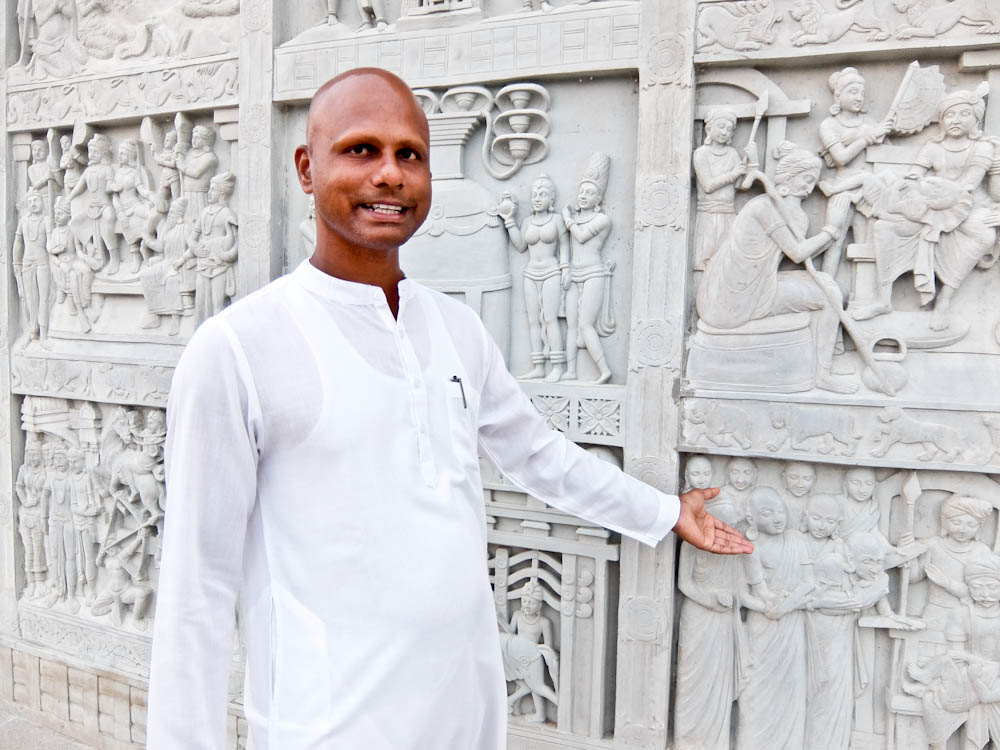
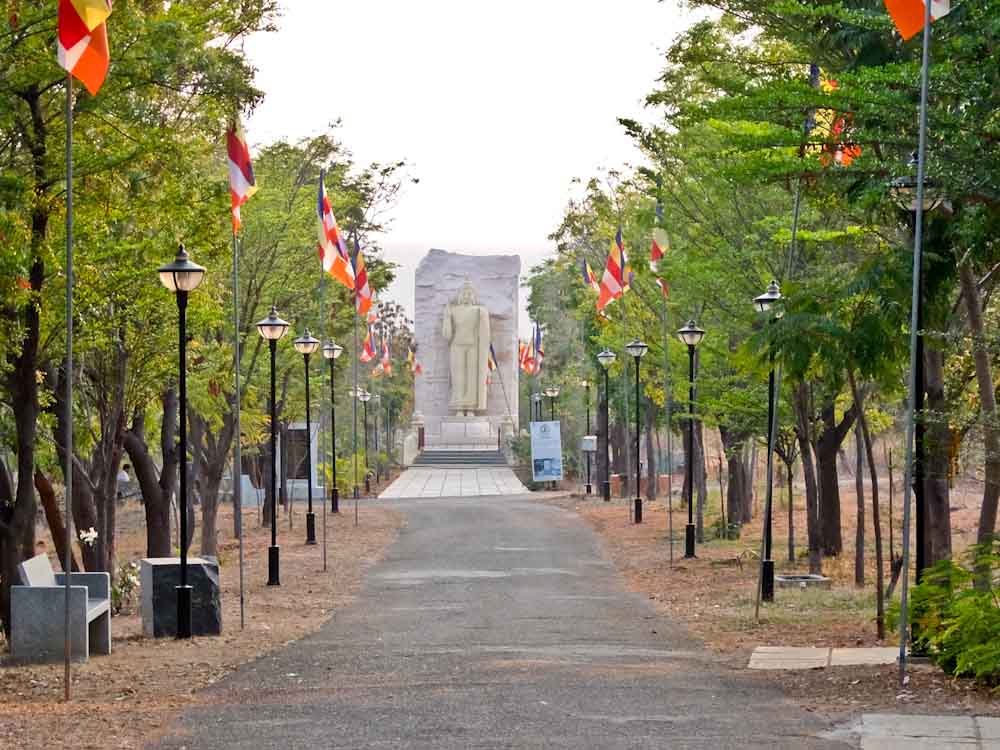
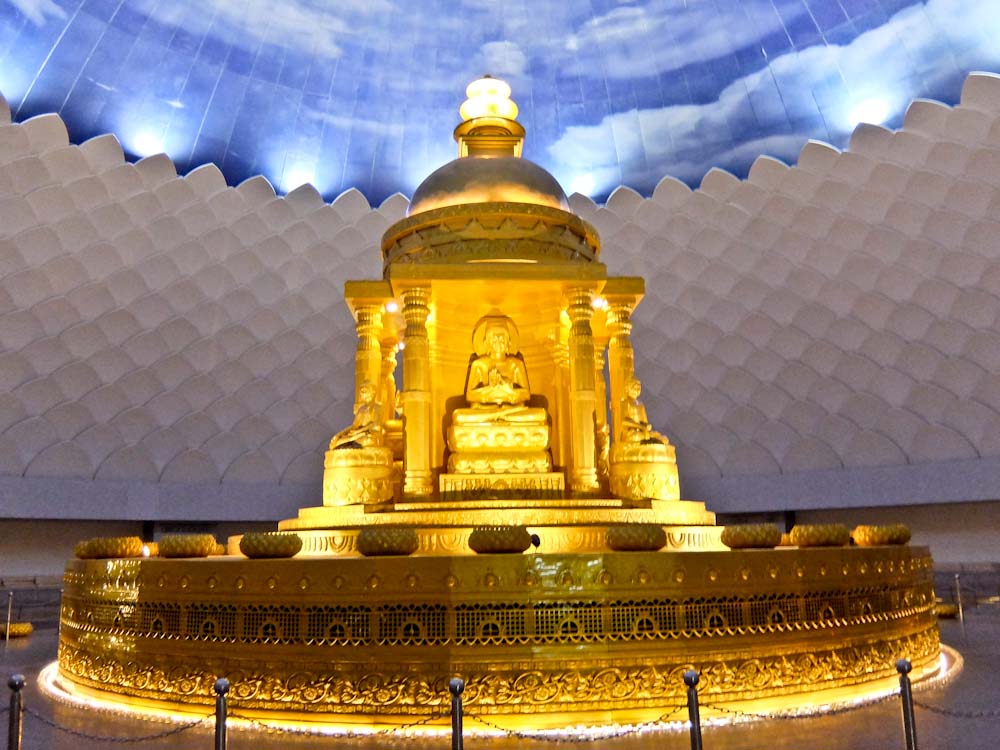
Just a short distance from Nagarjunakonda, on the banks of the reservoir, is Buddhavanam, a new Buddhist theme park. Its 112 hectares are divided into thematic zones that display major events from the life of Buddha. The layout walks you through the story of Buddhism, step by step, with sculptures and detailed narrative panels.
Buddhavanam
Buddhavanam
Buddhavanam
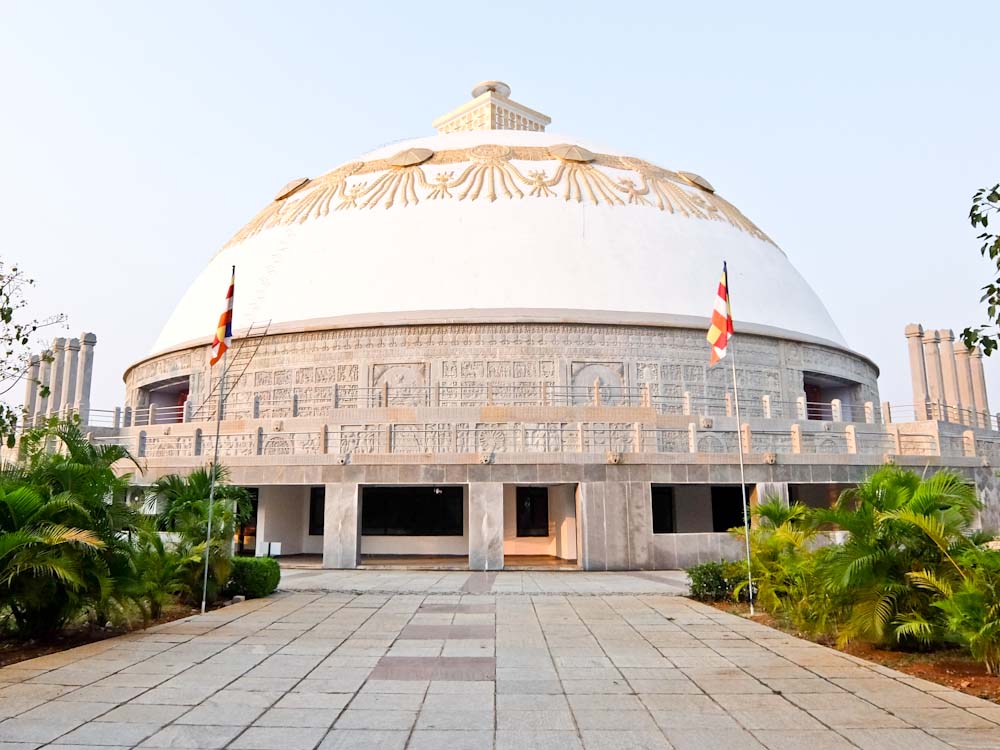
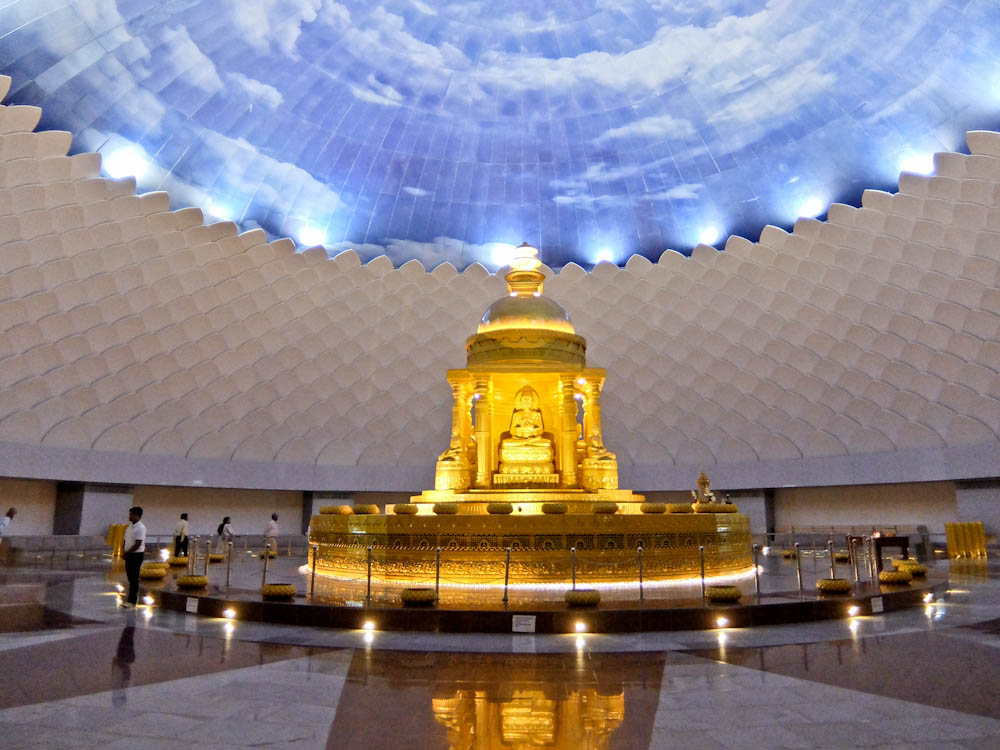
The Maha Stupa is the centrepiece, constructed as a faithful replica of the ancient Amaravati Stupa, 21 m high and 42 m wide. Inside, the dome gives an impression of “virtual sky” and you can climb to the top for panoramic views of the entire complex and surrounding landscape.
Warangal
Warangal
Warangal
Warangal
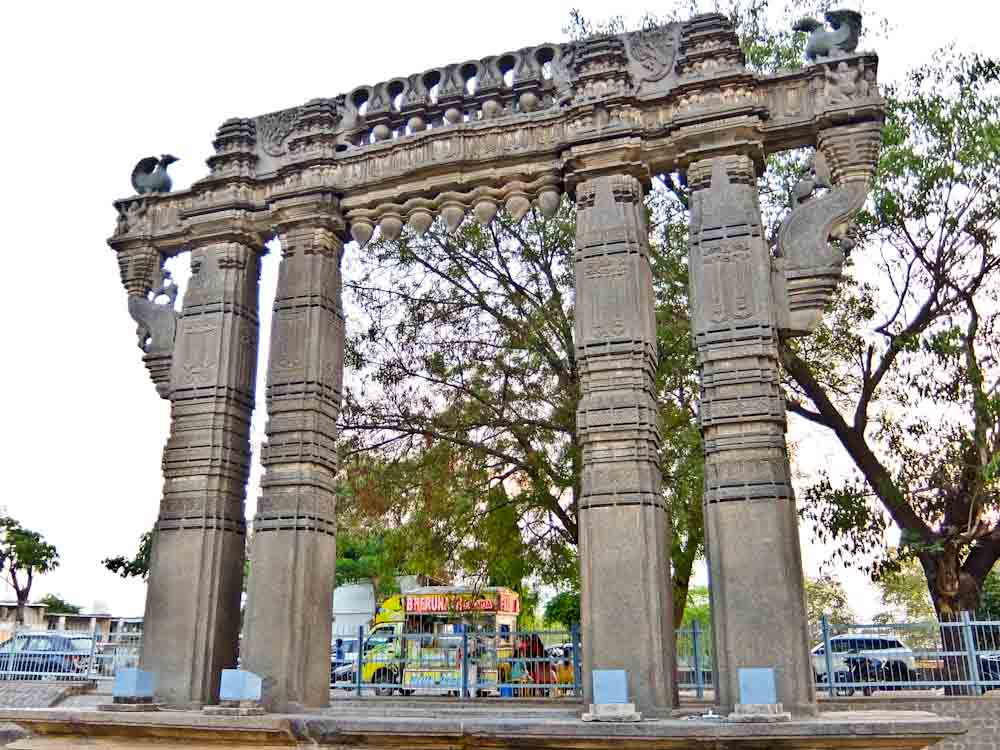
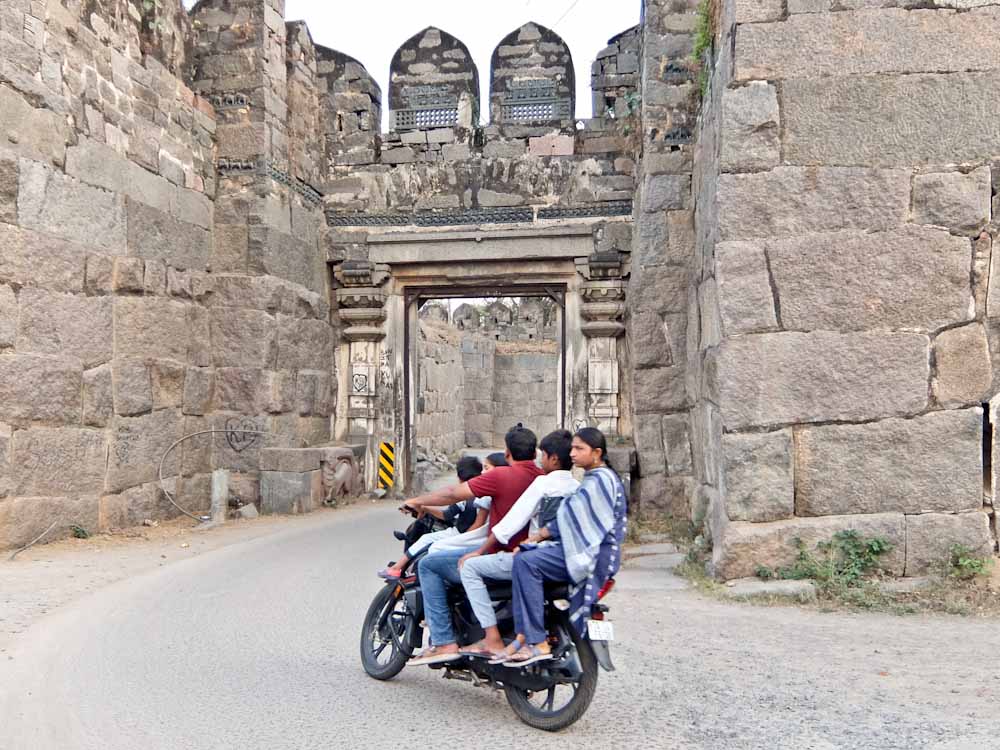
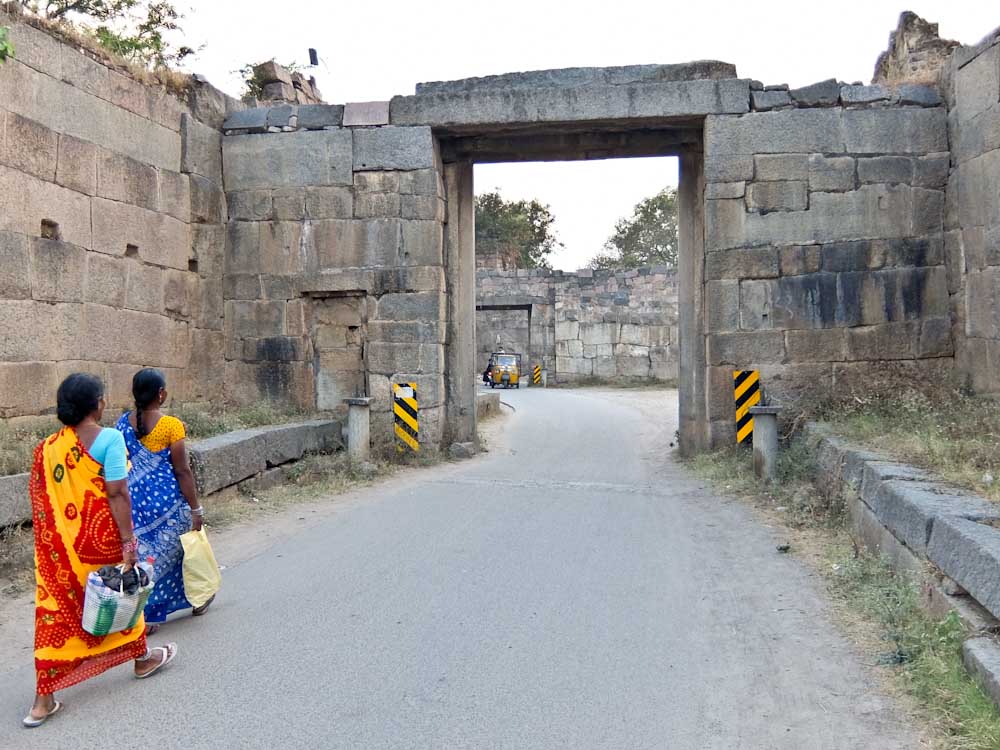
144 km from Hyderabad, Warangal is one of the oldest cities in Telangana and has preserved much of its past. The massive Warangal Fort, around 19km across, dates from the 13th century, Although much of the interior lies in ruins, its three concentric circular walls and impressive stone gateways, known as Kakatiya Kala Thoranam, still stand.
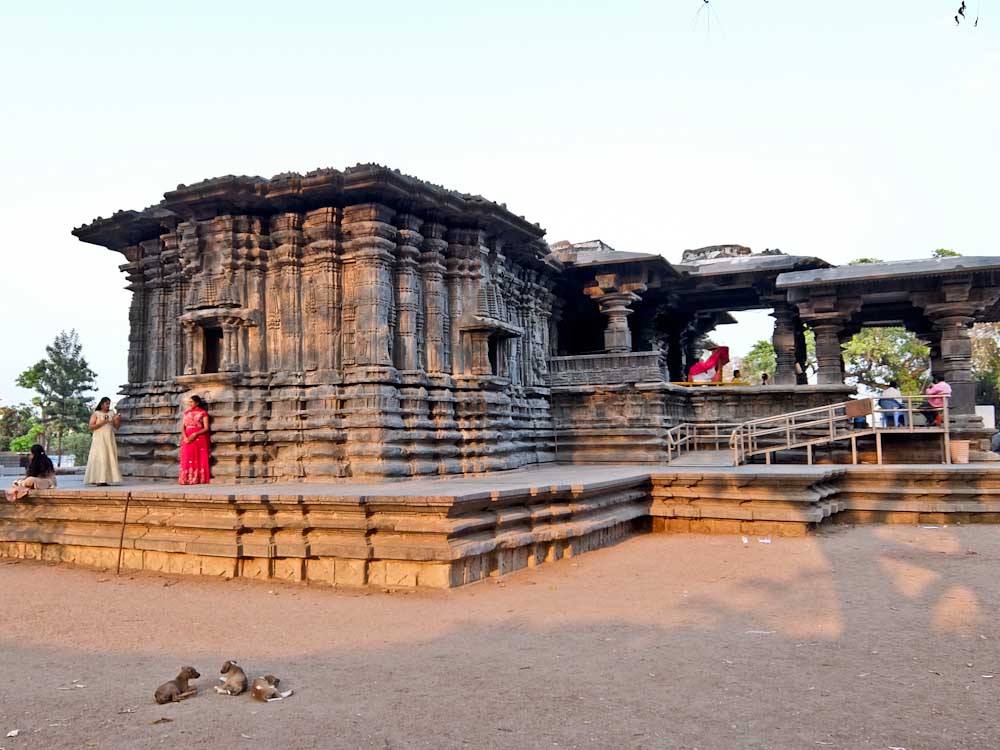
Thousand Pillar Temple
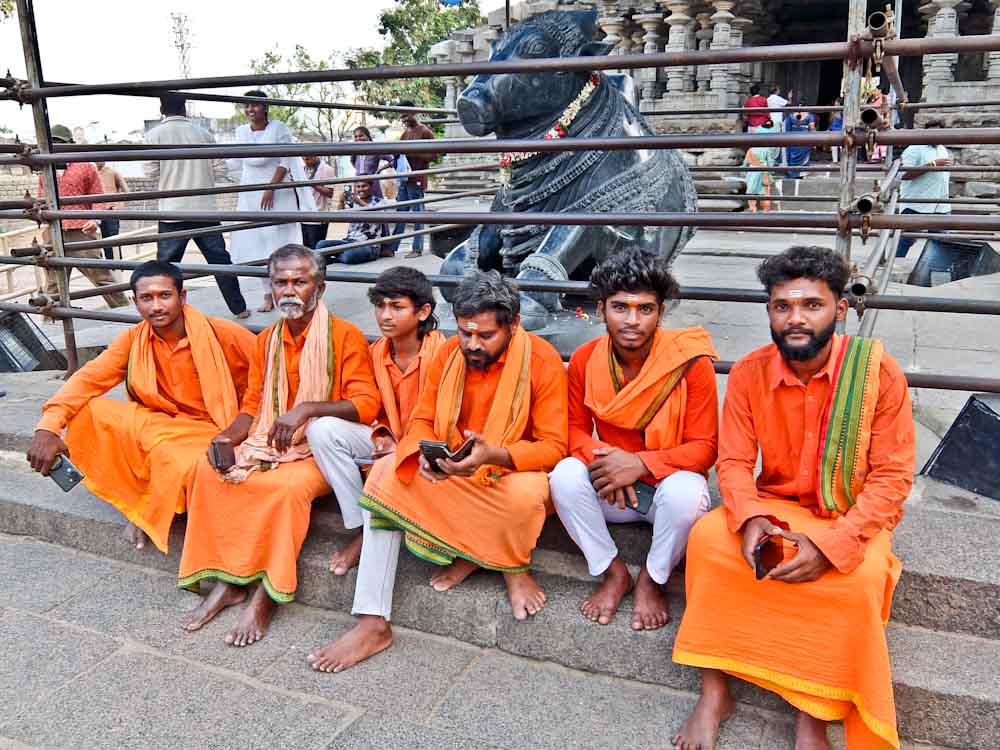
Thousand Pillar Temple
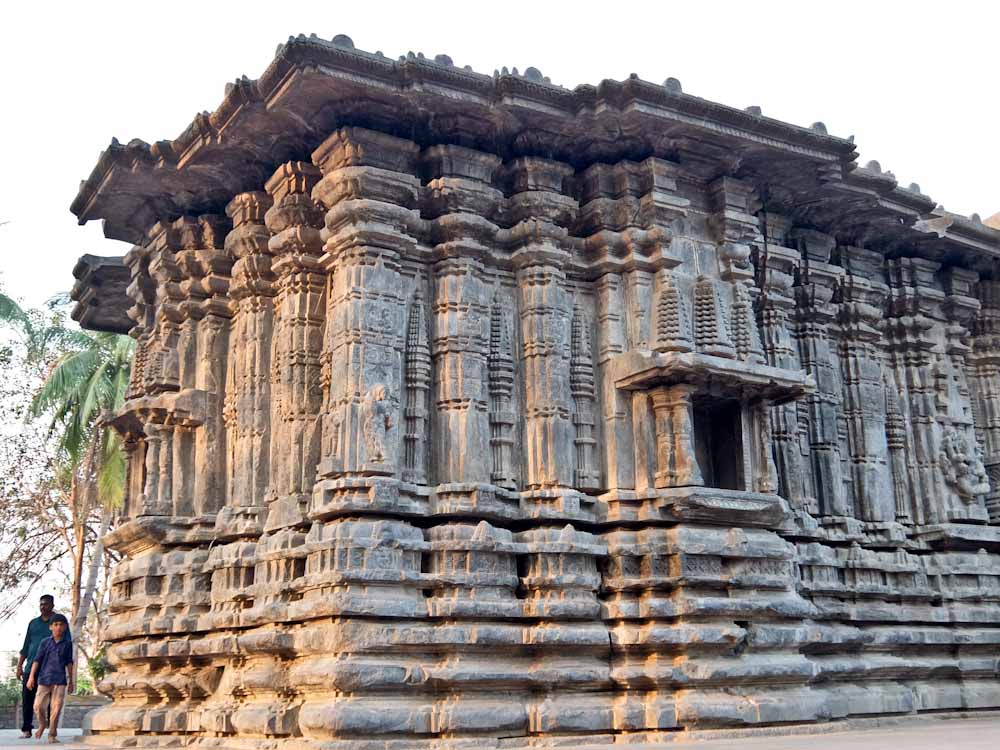
Thousand Pillar Temple
Nearby is the iconic Thousand Pillar Temple, started in 1175 and one of the finest examples of Kakatiya architecture. Dedicated to Lord Shiva, Vishnu, and Surya, it’s renowned for its exquisite carvings and its seemingly endless array of pillars. Each pillar is uniquely sculpted, reflecting the craftsmanship and attention to detail that defined the era.
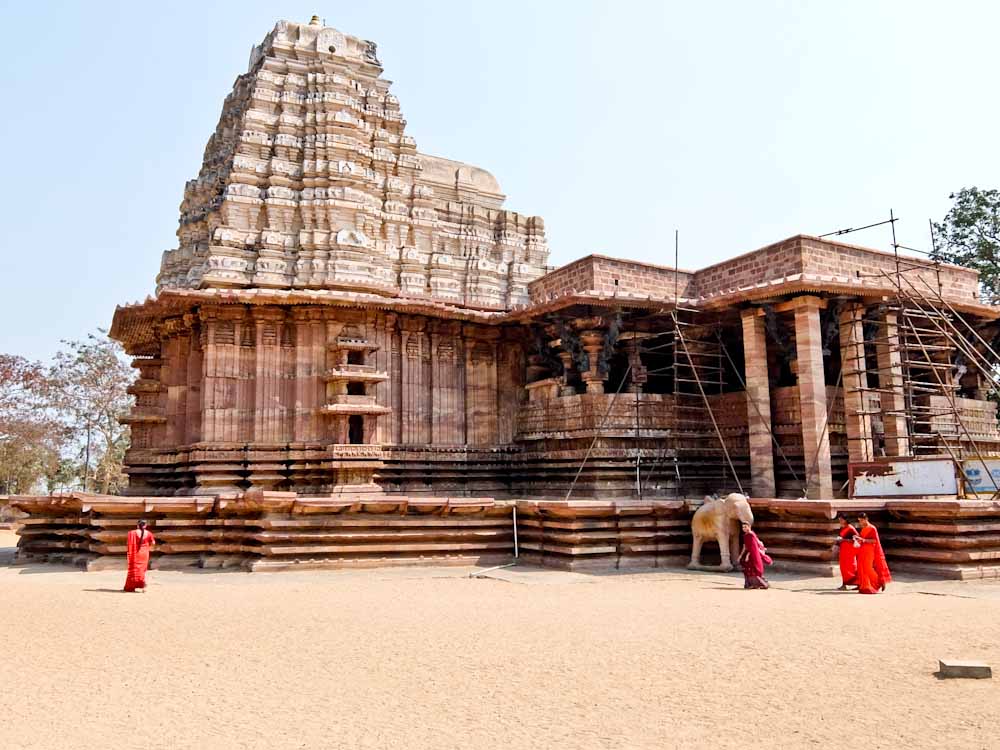
Ramappa
Ramappa
Ramappa
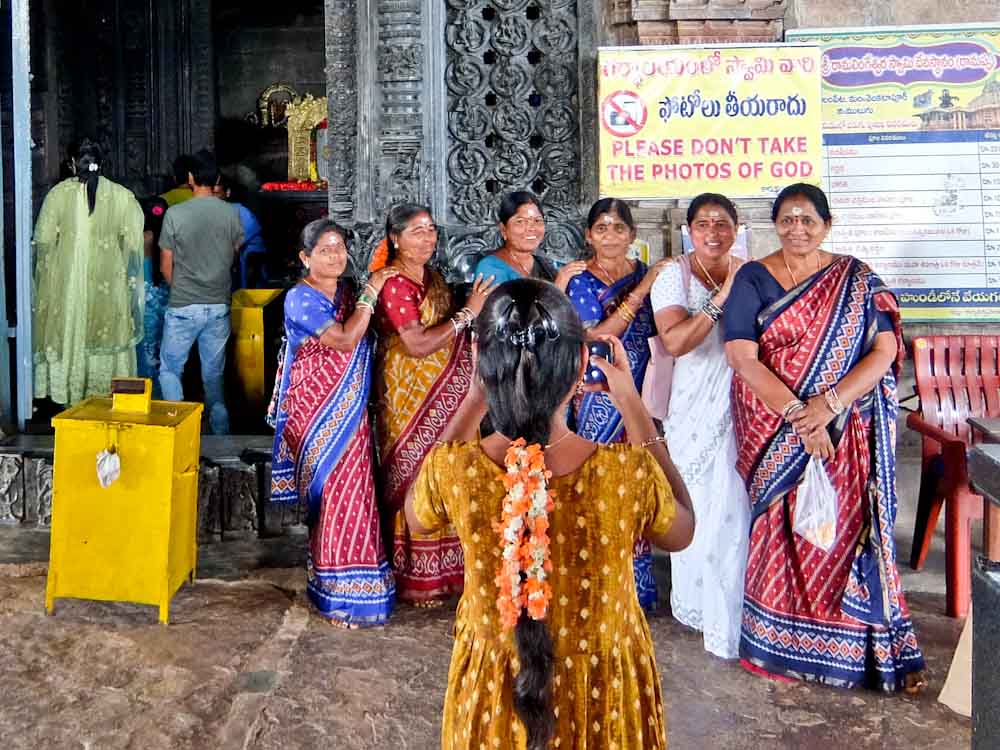
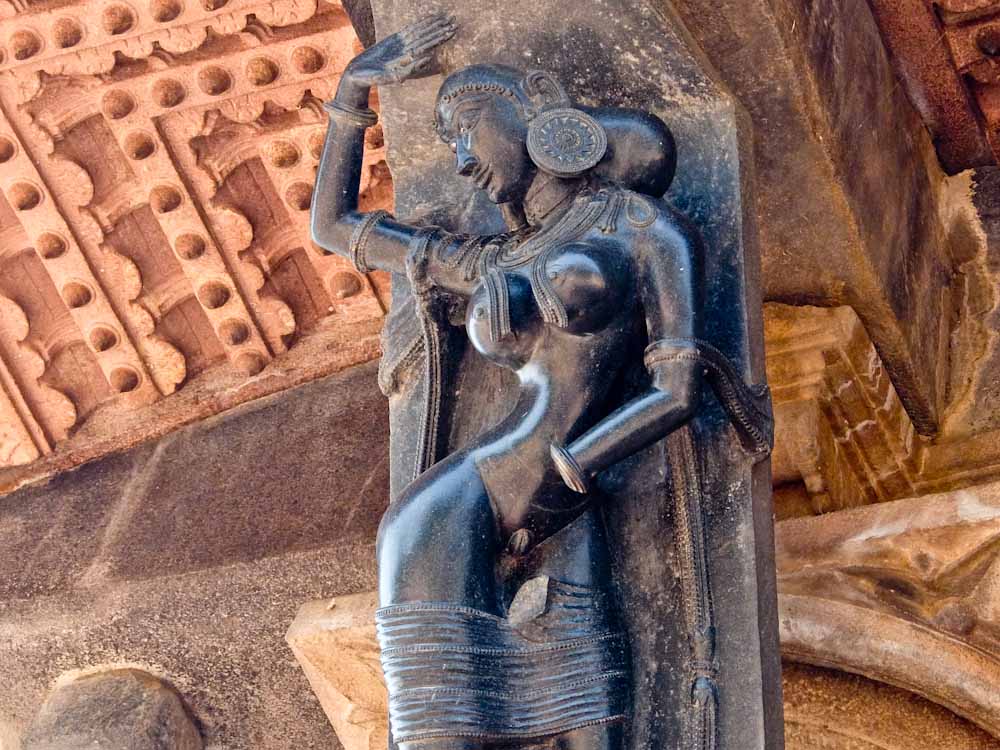
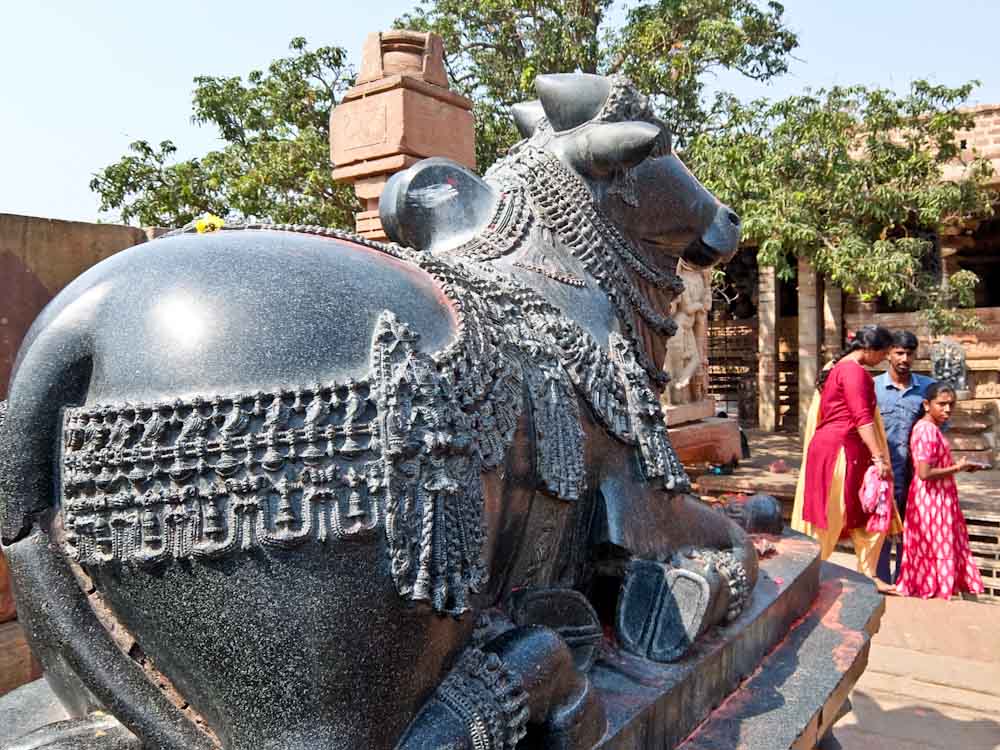
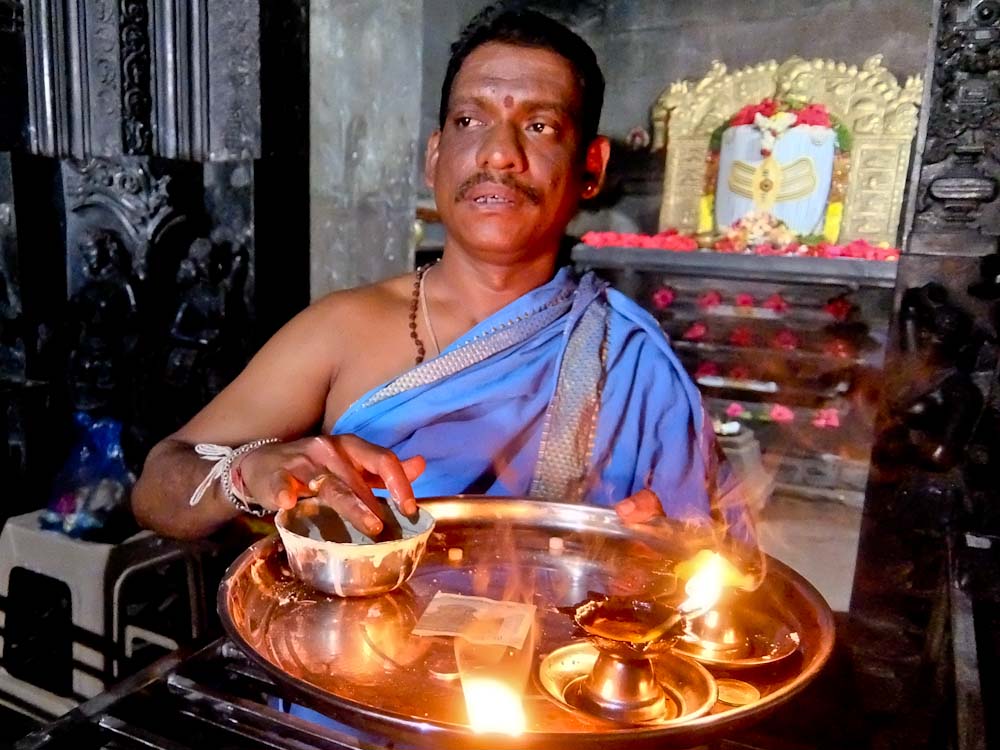
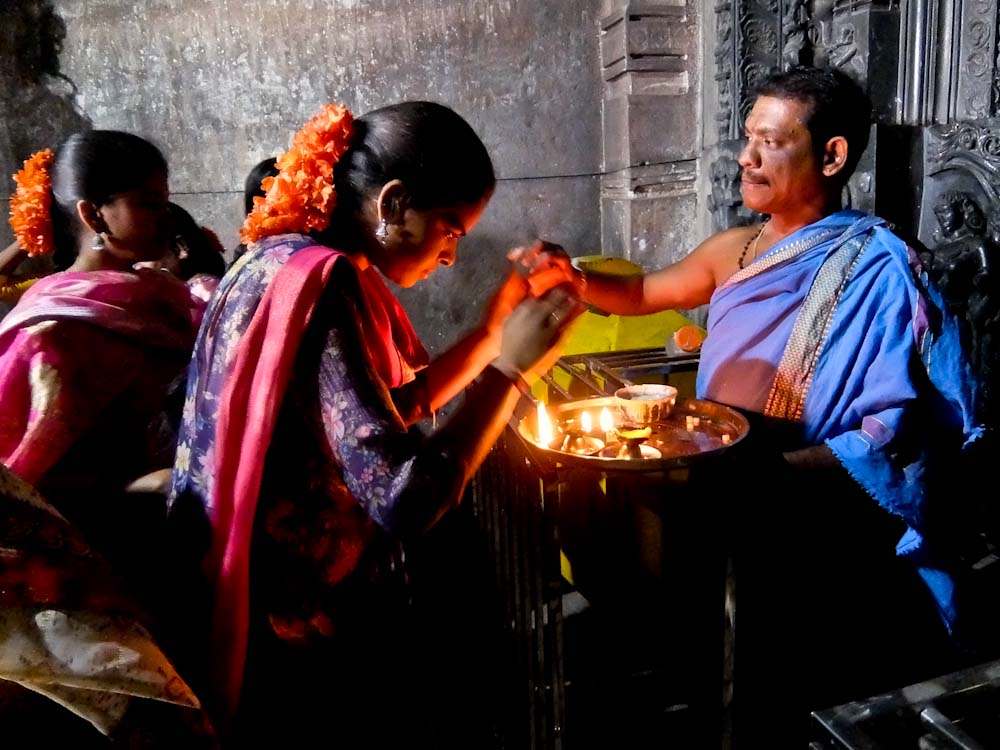
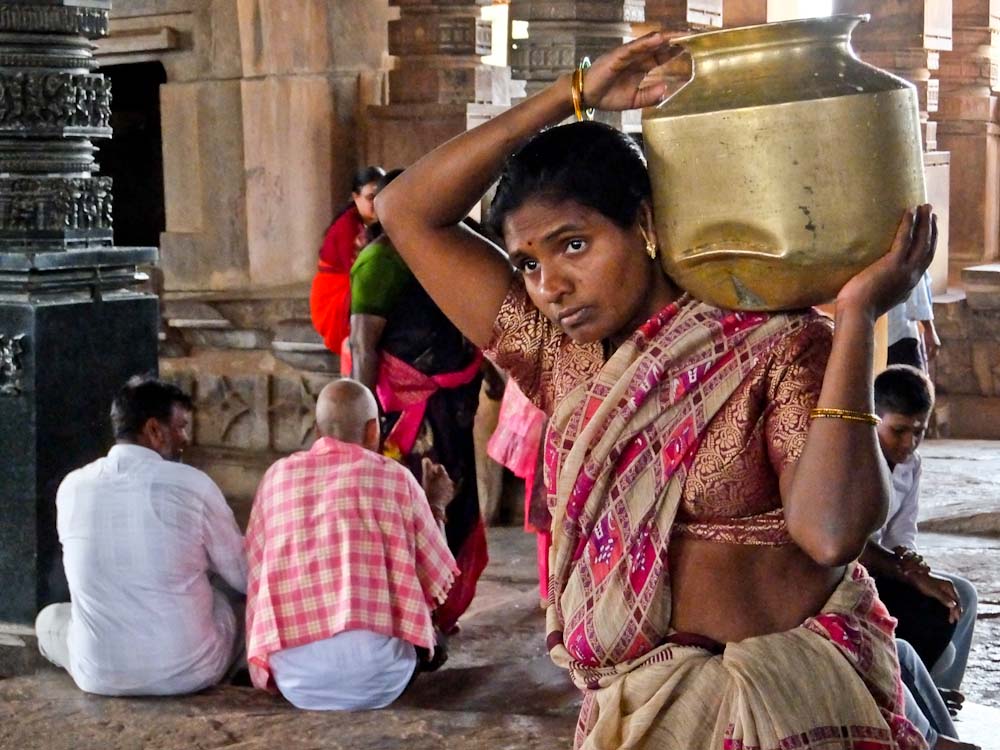
Another architectural gem is the Ramappa Temple, a UNESCO World Heritage Site, around 70 km from Warangal. Built in the 13th century, the intricate carvings on the walls and pillars depict scenes from mythology, dance, and daily life. Apparently, its bricks are so light that they float on water.
Ramappa
Ramappa
Ramappa
Wildlife
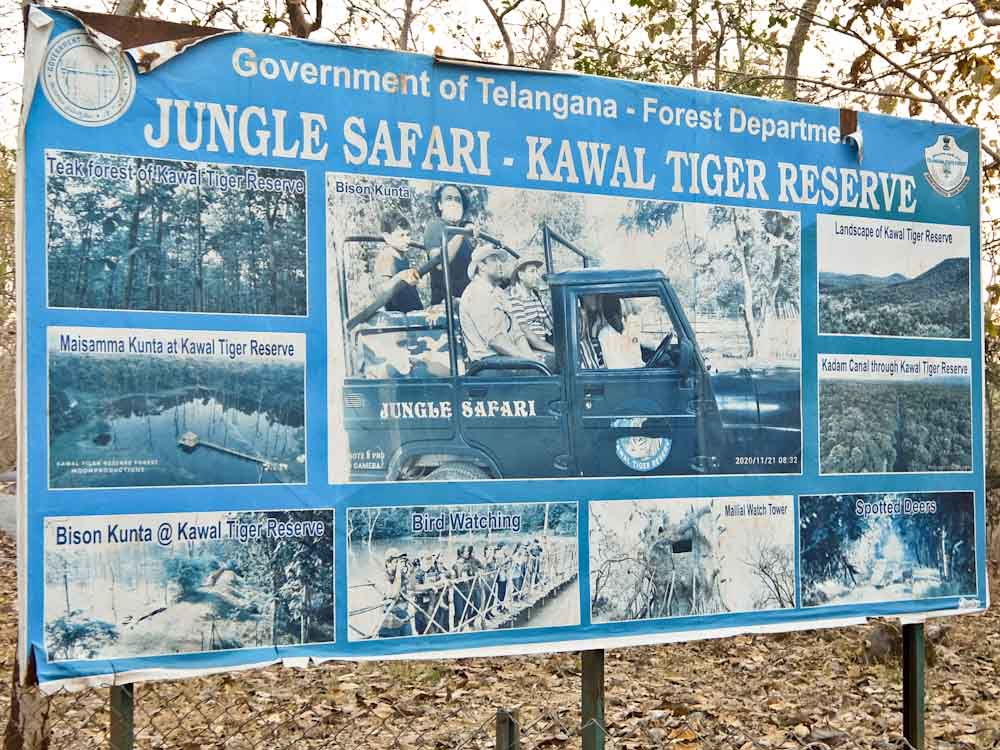
The state is home to several wildlife sanctuaries and national parks, including the Kawal and Amrabad Tiger Reserves. Jeep safaris offer a chance to spot deer, bison and wild boar, although tigers and leopards, are rarer.
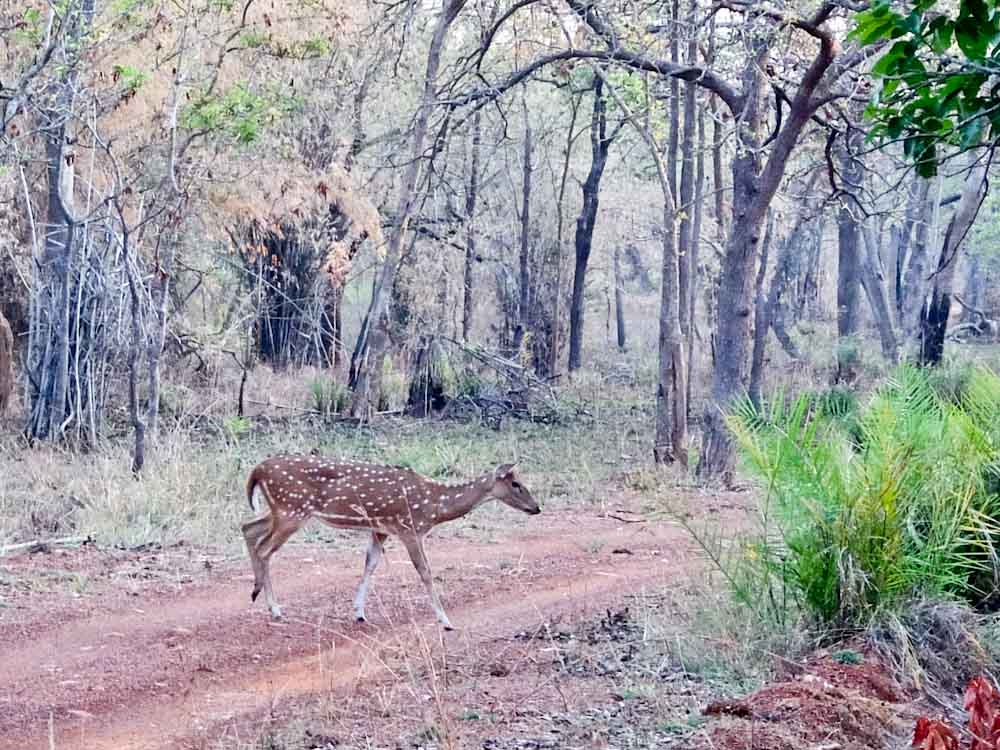
Spotted Dear
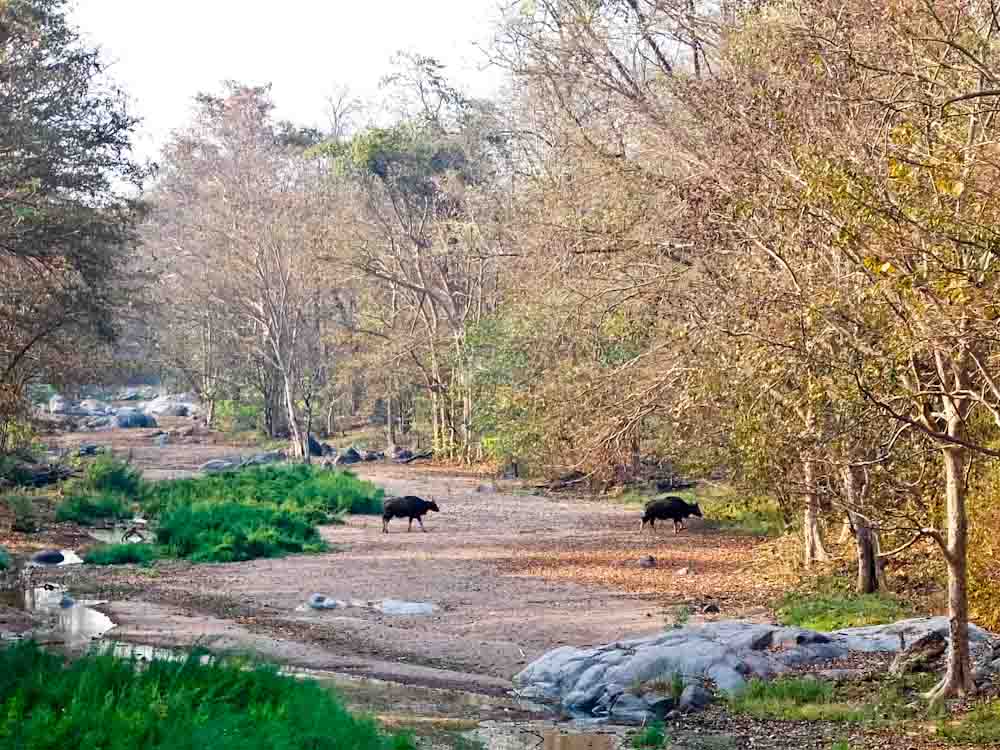
Bison
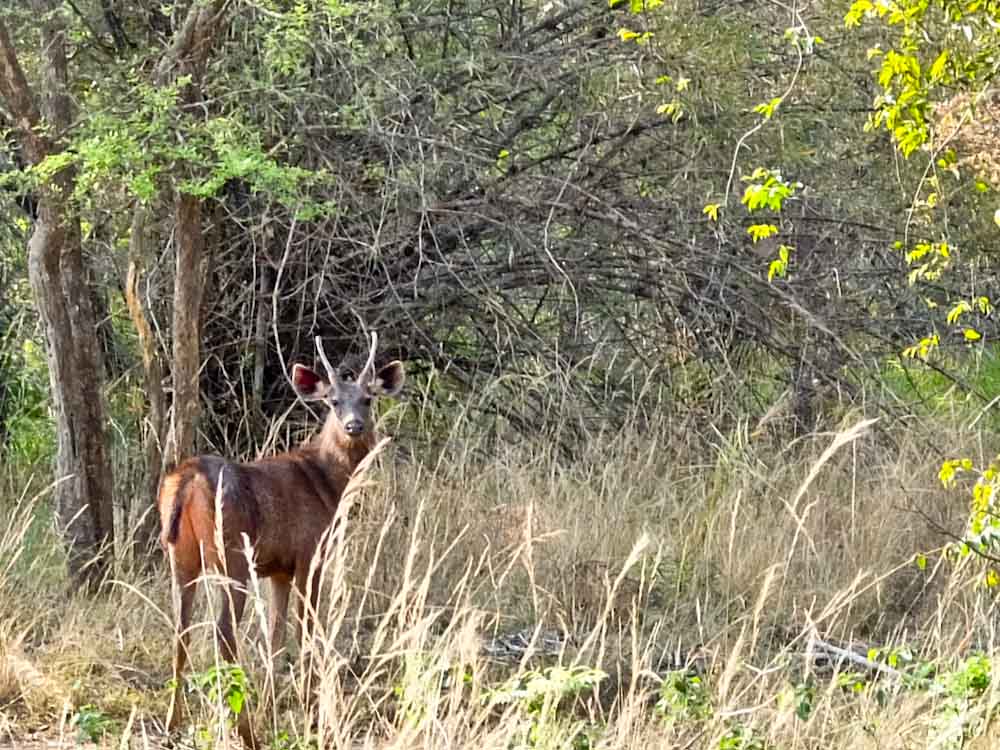
Deer
The forests, rivers and hills provide opportunities for trekking, birdwatching, and eco-tourism. At Vikarabad, the Breeze is a new eco resort which offers guided walking birding trails in the Ananthagiri Hills. And at Munnanur Jungle Resort, there are opportunities to spot tigers and other wildlife.
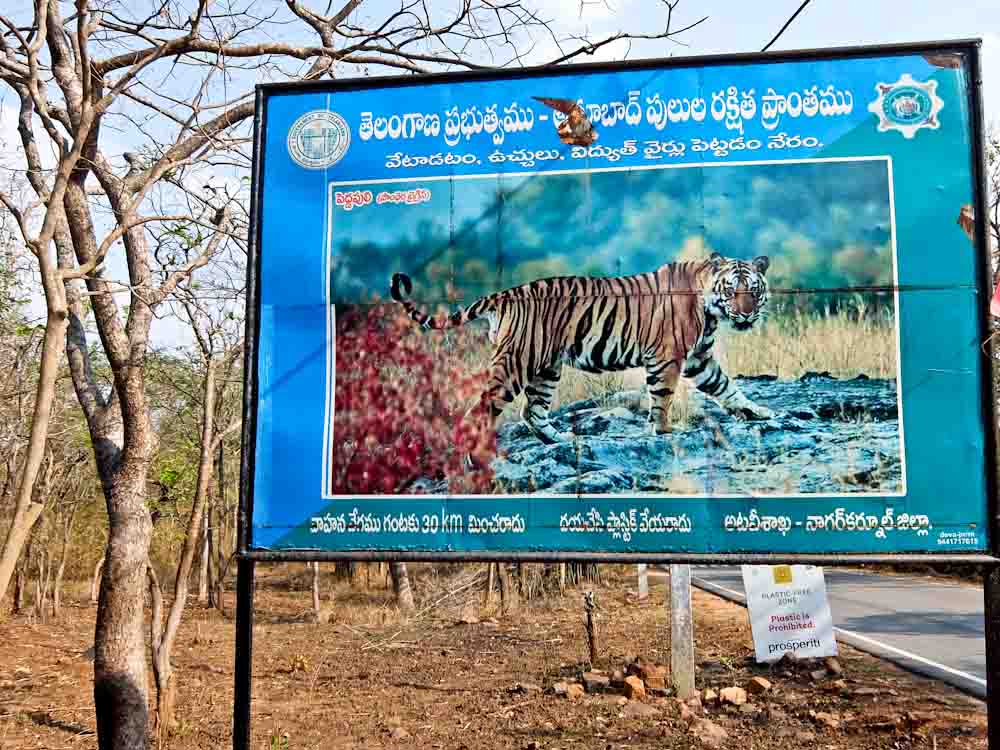
Amrabad
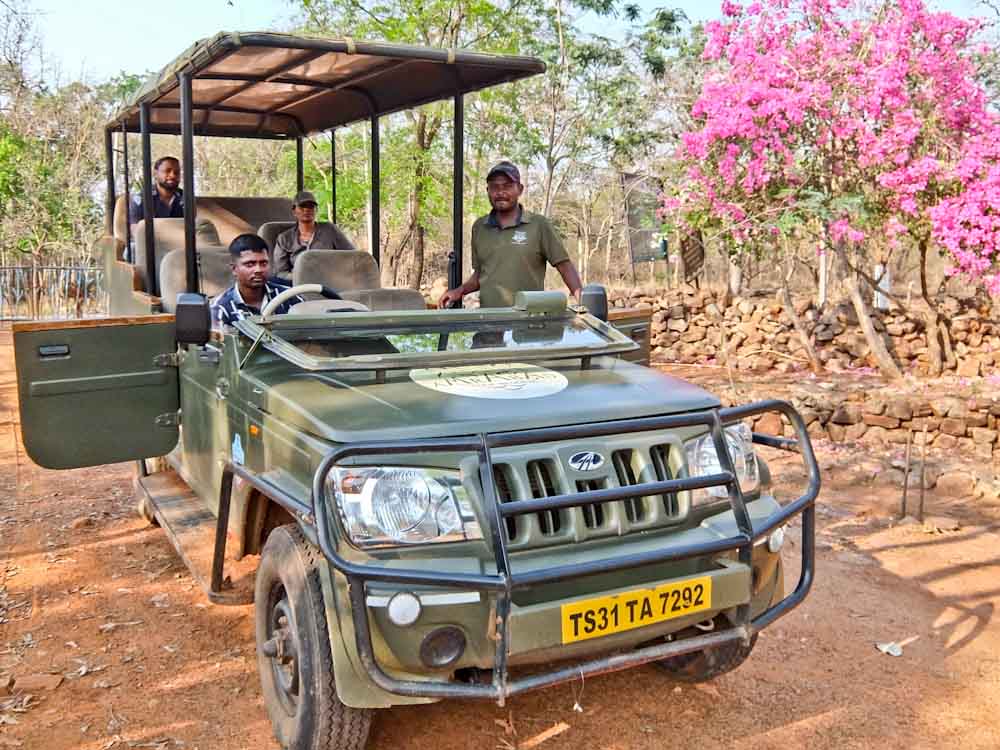
Amrabad
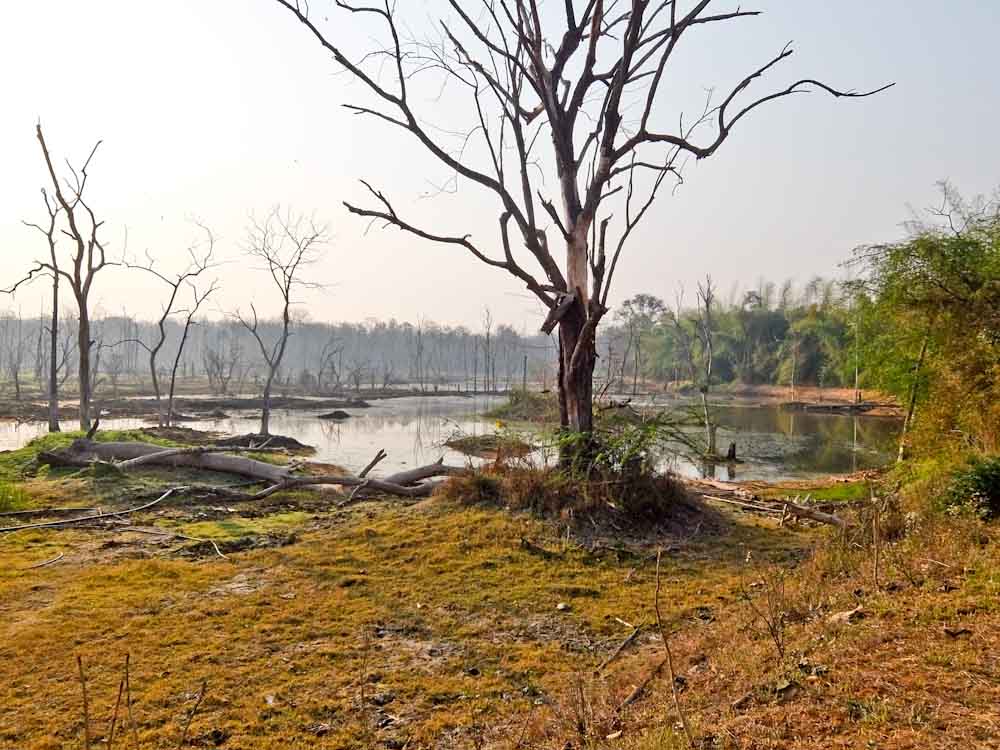
Amrabad
Factfile
GO: British Airways flies direct from Heathrow to Hyderabad.
STAY: Haritha Hotels, throughout Telangana, including the Plaza Hotel and Taramati Baradira Resort in Hyderabad, make for a comfortable stay.
The Breeze and Munnanur Jungle Resort are eco hotels in the reserves.
INFO: Telangana Tourism has information about the state.
Ramoji Film City offers daily studio tours and has hotels for overnight stays.