
In West Africa, on the Gulf of Guinea lies Côte d’Ivoire, a country that pulses with creative energy, deep history, and natural beauty. Long overshadowed by its more famous neighbours, the country is emerging as one of West Africa’s most compelling destinations. You can explore tropical forests in the morning, wander colonial streets in the afternoon, and dance to cutting-edge African music at night.
Côte d’Ivoire
Côte d’Ivoire
Côte d’Ivoire
After decades of political instability, Côte d’Ivoire is experiencing a tourism revival. Infrastructure improvements, international events, and cultural investment are attracting millions of visitors and helping redefine the country’s global image.
Côte d’Ivoire
Côte d’Ivoire
Côte d’Ivoire
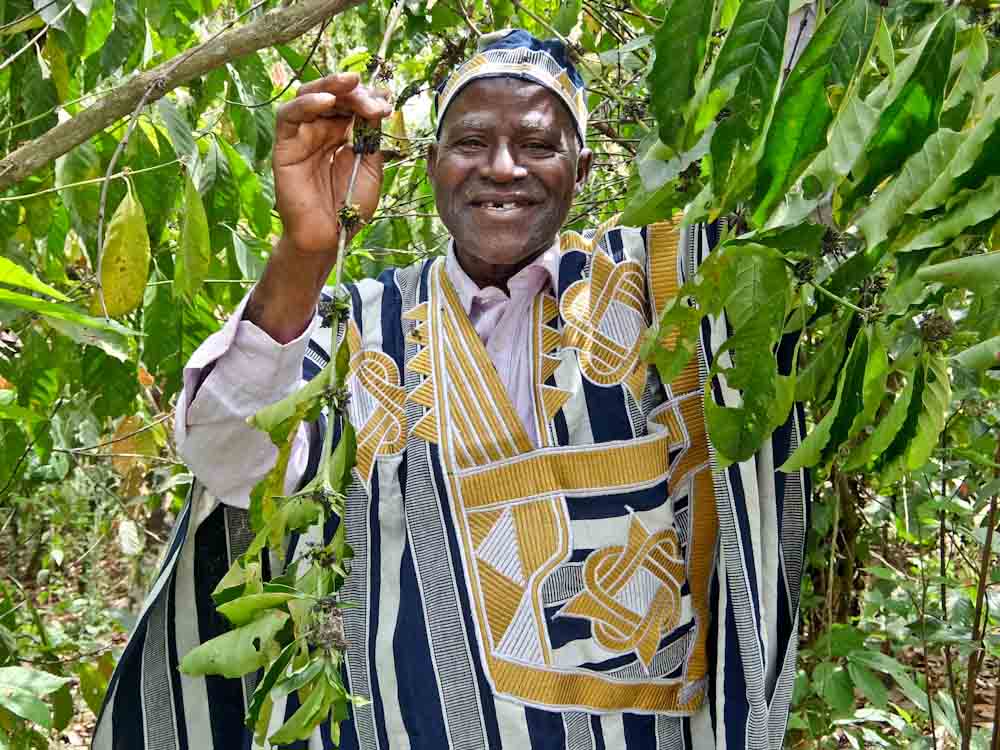
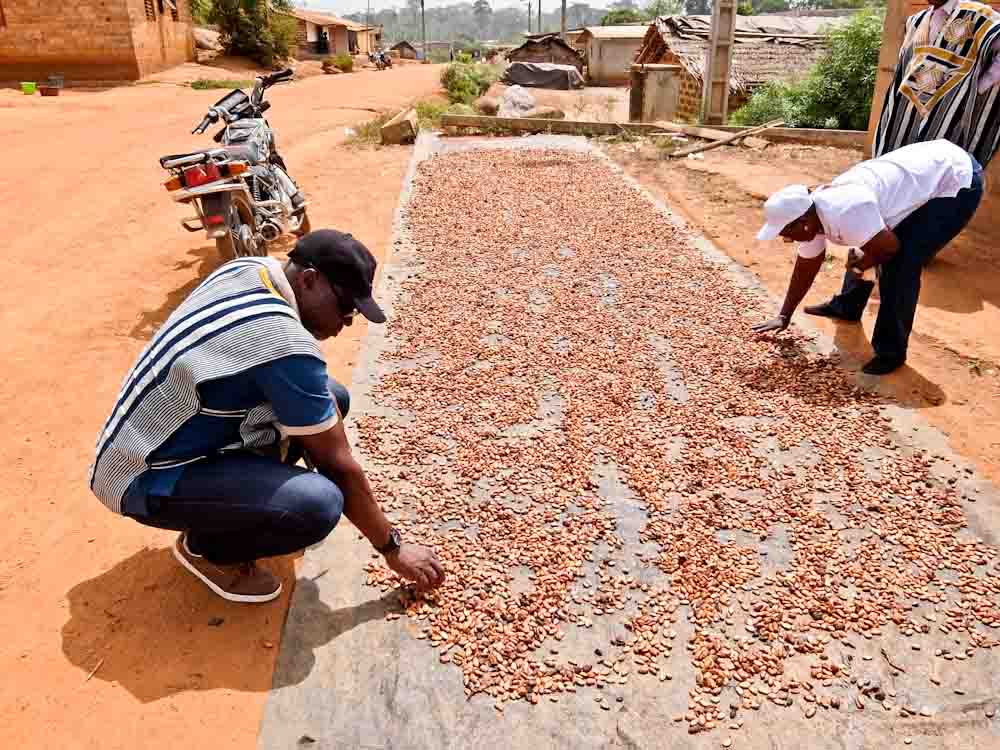
From the vibrant cityscape of Abidjan to the colonial elegance of Grand-Bassam and the palm-lined Atlantic beaches, Côte d’Ivoire offers travellers a vivid introduction to contemporary Africa. Beyond the cities, you’ll find traditional markets, cocoa and coffee farms, and village life largely unchanged for generations.
Côte d’Ivoire
Côte d’Ivoire
Côte d’Ivoire
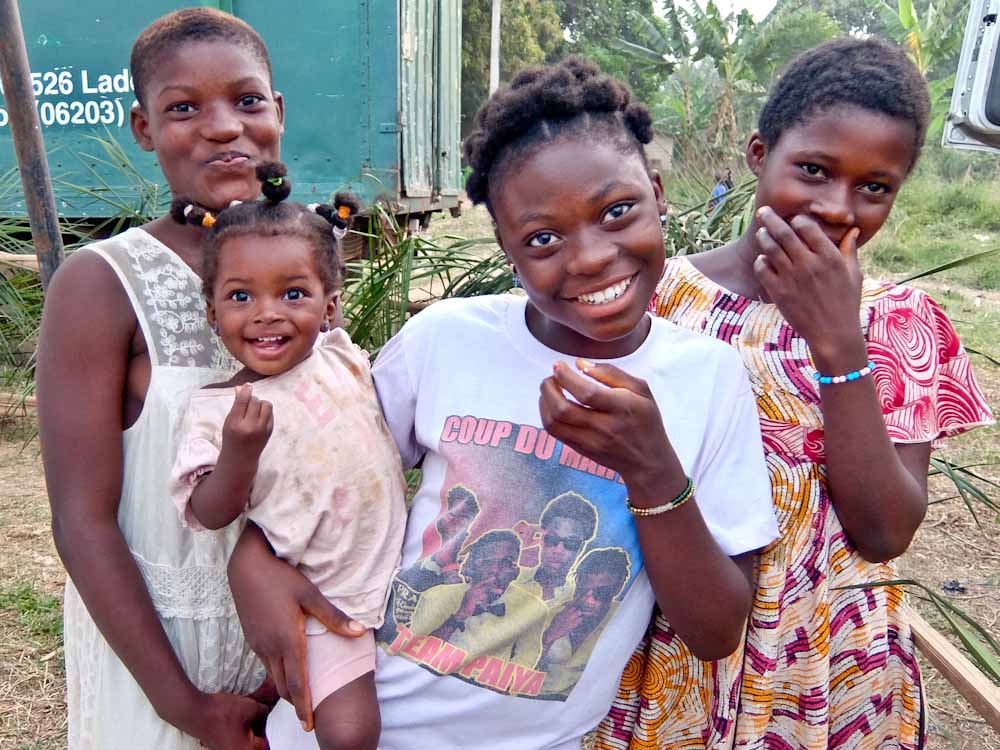
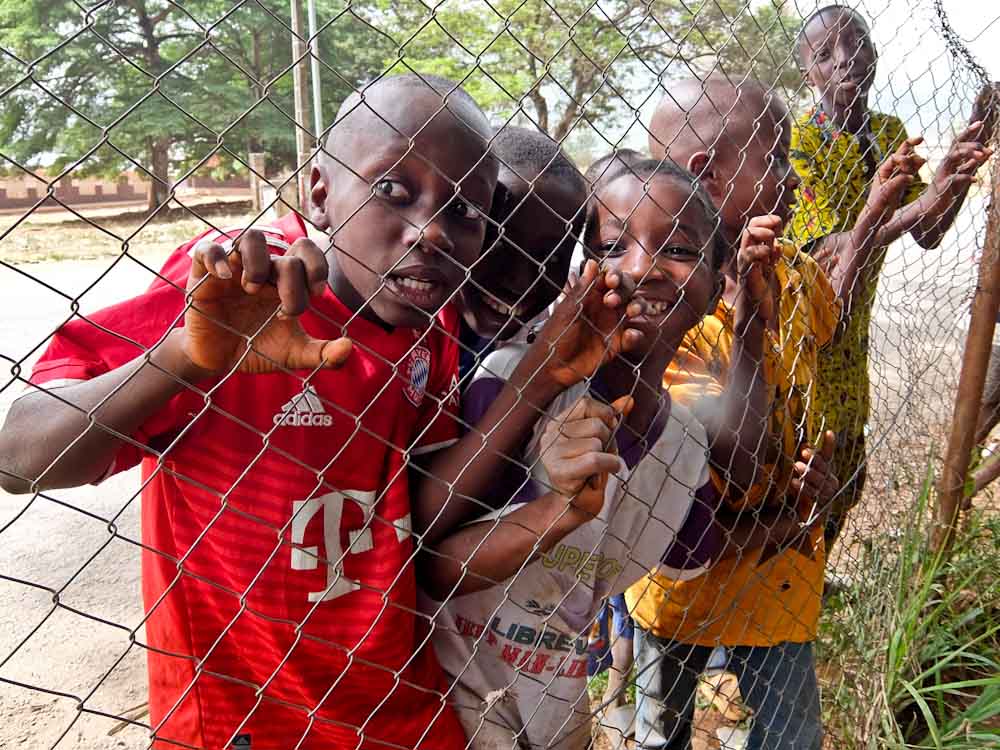
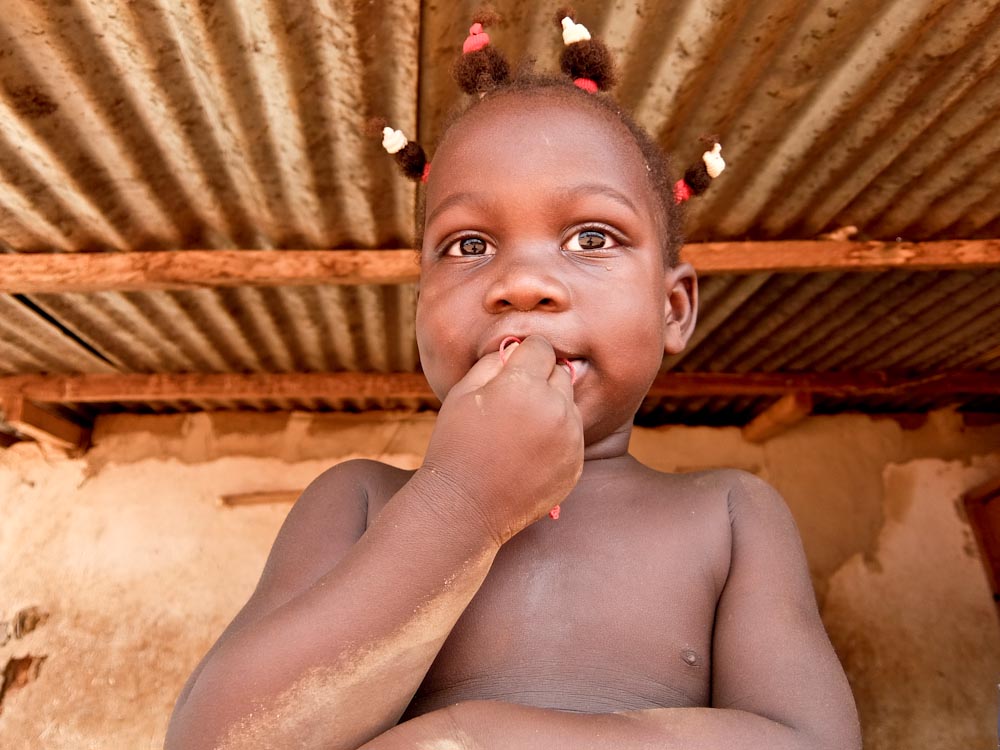
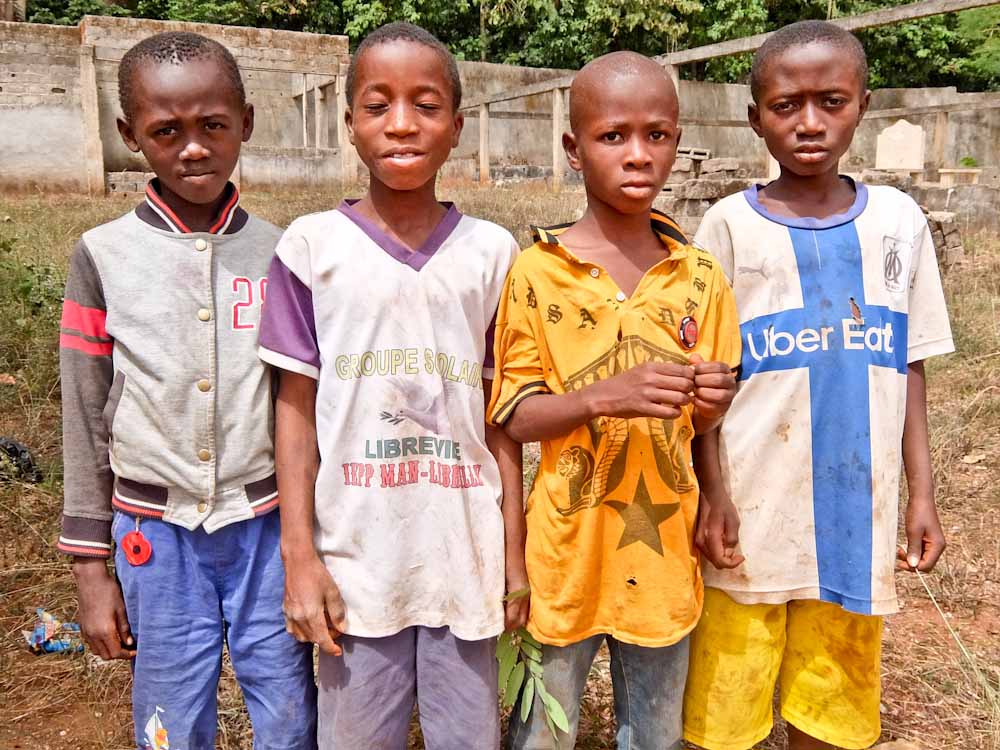
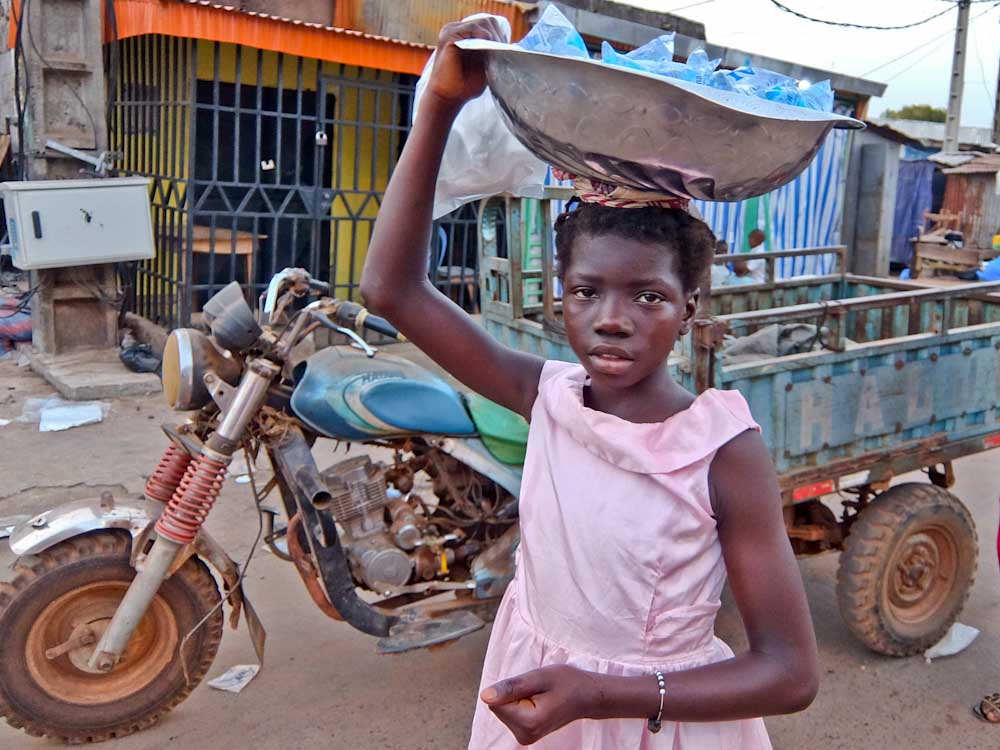
But more than its landscapes or landmarks, it’s the people who define Ivory Coast. Their energy, creativity, and warmth create an atmosphere that visitors rarely forget. Don’t forget the food – high end sophisticated French cuisine exists side by side with traditional Ivorian dishes, always accompanied by spicy chilli sauce.
Abidjan
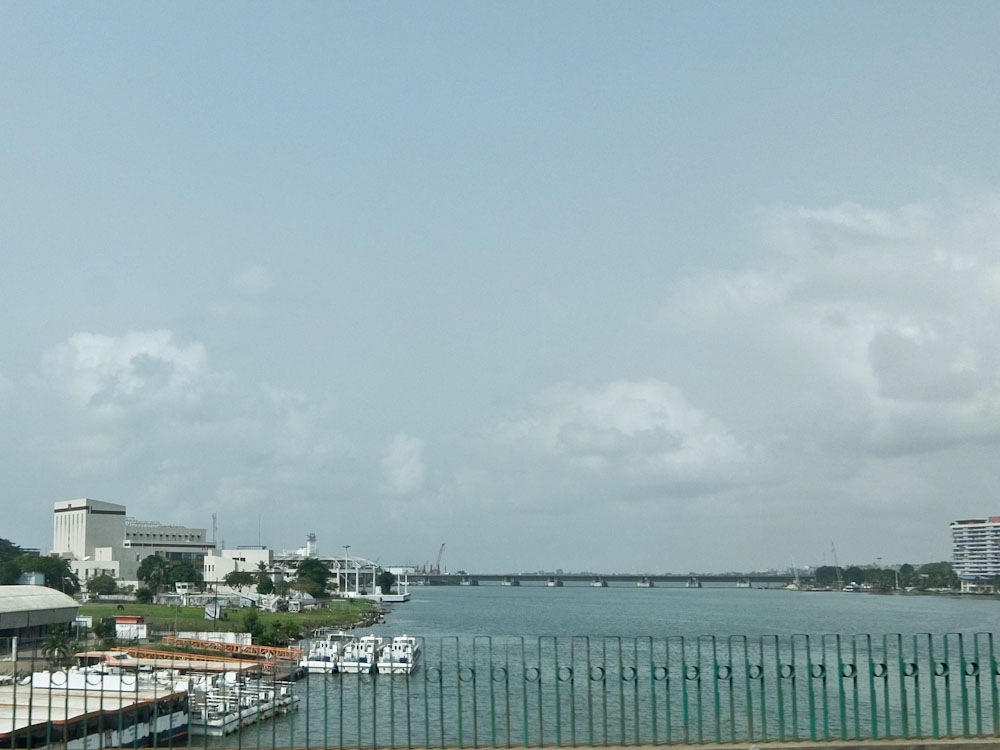
Abidjan, the country’s largest city and economic capital, is often described as the “Paris of West Africa.” Built around a network of lagoons, the city blends futuristic architecture with tropical scenery and lively street life. Three times the size of London, a network of modern highways makes it easy to get around.
 One of its most distinctive landmarks is St. Paul’s Cathedral, a dramatic modernist structure overlooking Cocody Bay, designed to symbolize spiritual renewal in the young nation. Nearby, the unusual pyramid-shaped La Pyramide building reflects the ambition of post-independence architecture.
Treichville Market
Treichville Market
Treichville Market
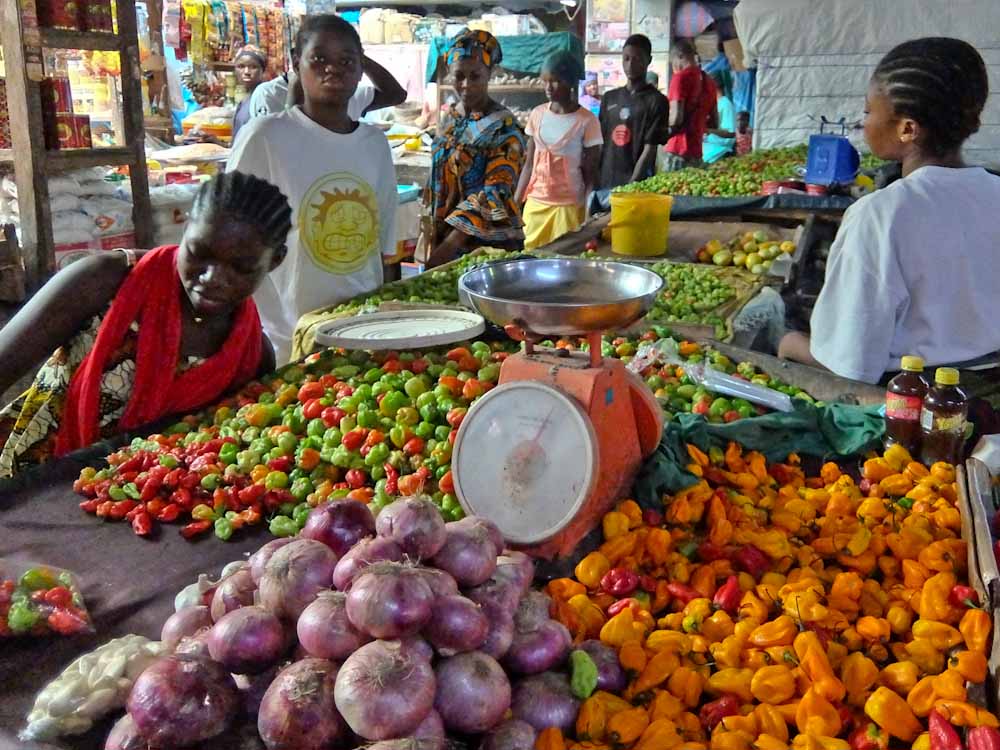
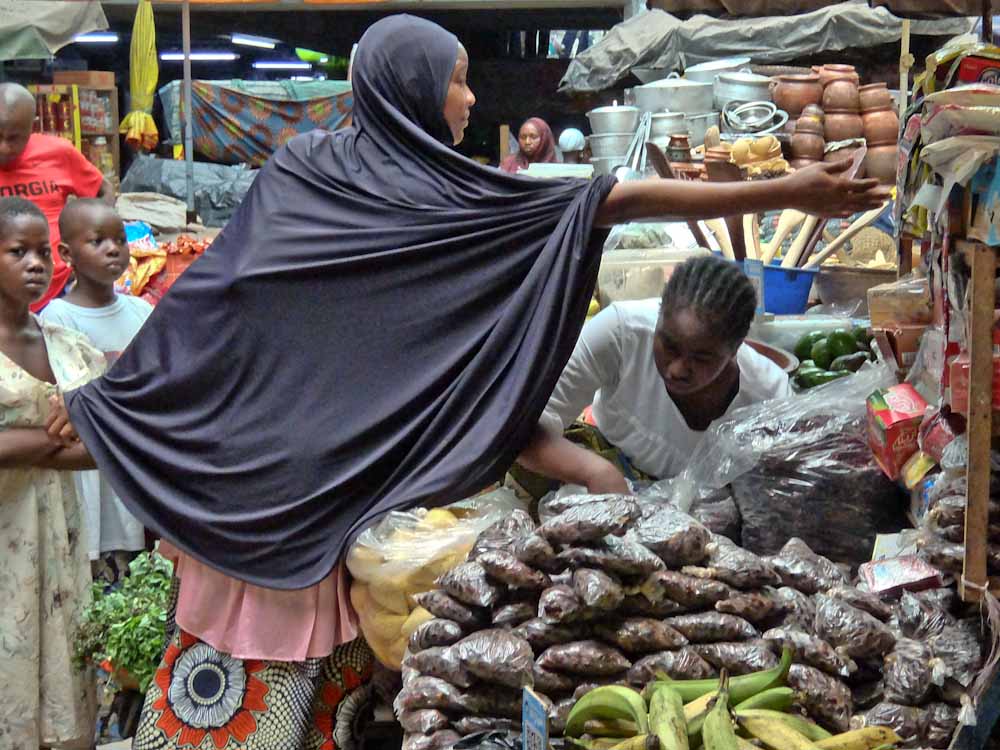
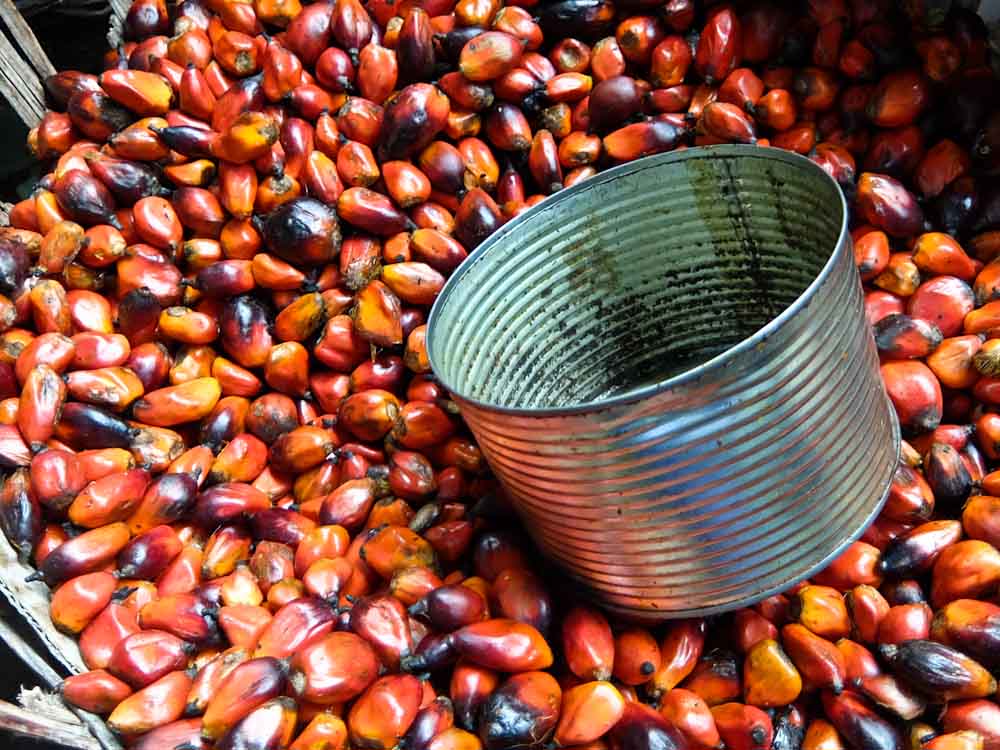
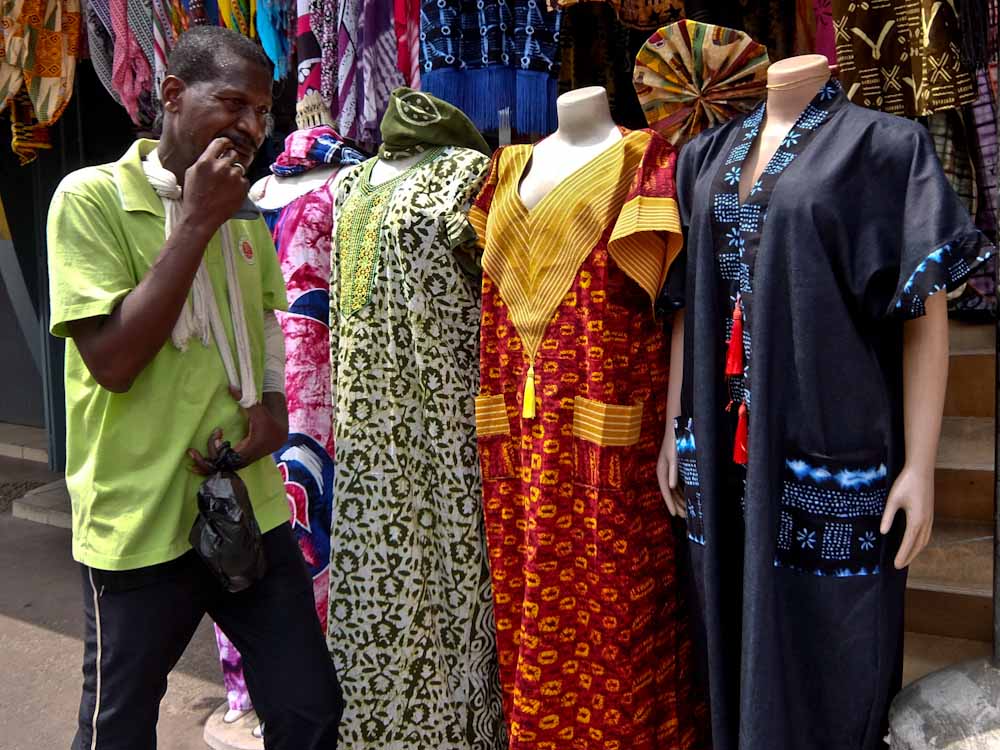
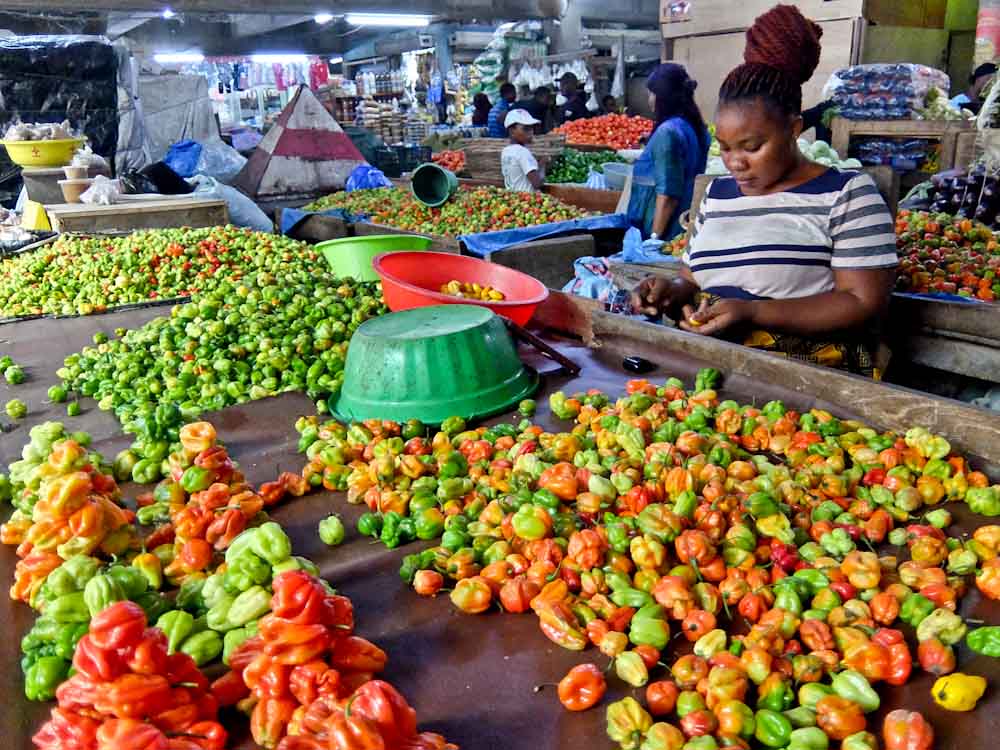
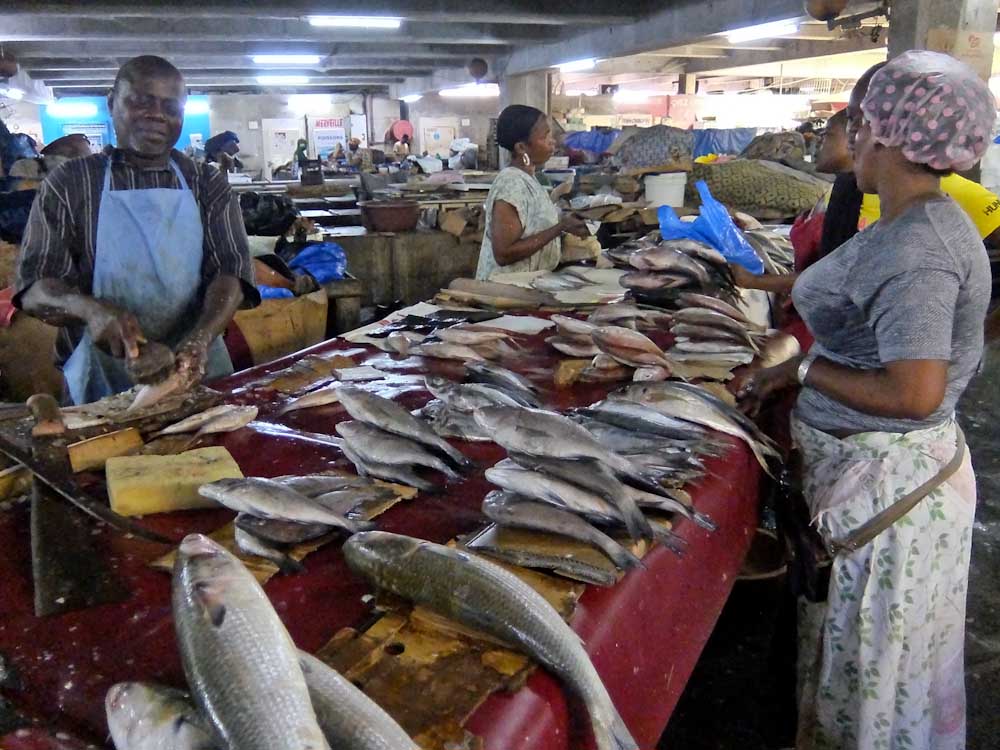
During the day, Treichville Market, the city’s biggest, is a good place to get a glimpse of local life. Butchers, fishmongers, fruit and vegetable sellers sit side by side with coloured textiles while seamstresses and barbers ply their trade on the pavement.
Treichville Market
Treichville Market
Treichville Market
As evening falls, the city comes alive in the two nightlife hubs north and south of Félix Houphouët-Boigny Bridge. Between them, Marcory and Rue des Jardins boast open-air bars, music, and local cuisine. Further from the centre is Yopougon, a vibrant area of live music and late-night partying.
Abidjan’s natural beauty can be found in Banco National Park, a rare expanse of primary tropical forest located right inside the city. Covering more than 3,400 hectares, it has over 800 species of indigenous trees, home to diverse birds and monkeys. It’s also the source for almost half of the city’s drinking water.
Grand-Bassam
Just 40 km east of the city lies Grand-Bassam, a seaside town where the country’s colonial past is preserved in pastel-coloured buildings, with ornate balconies and white stucco walls. Built as the first capital of Côte d’Ivoire, Grand-Bassam served as the country’s main port and administrative centre during the late nineteenth century.
Assinie Beach
Assinie
Assinie Beach
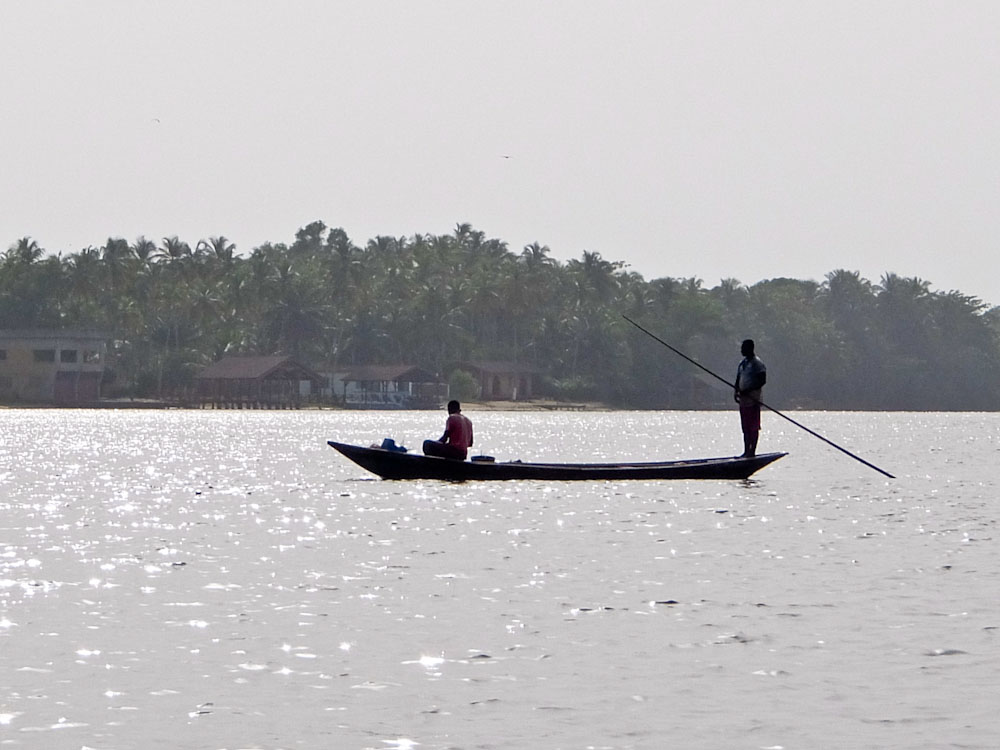
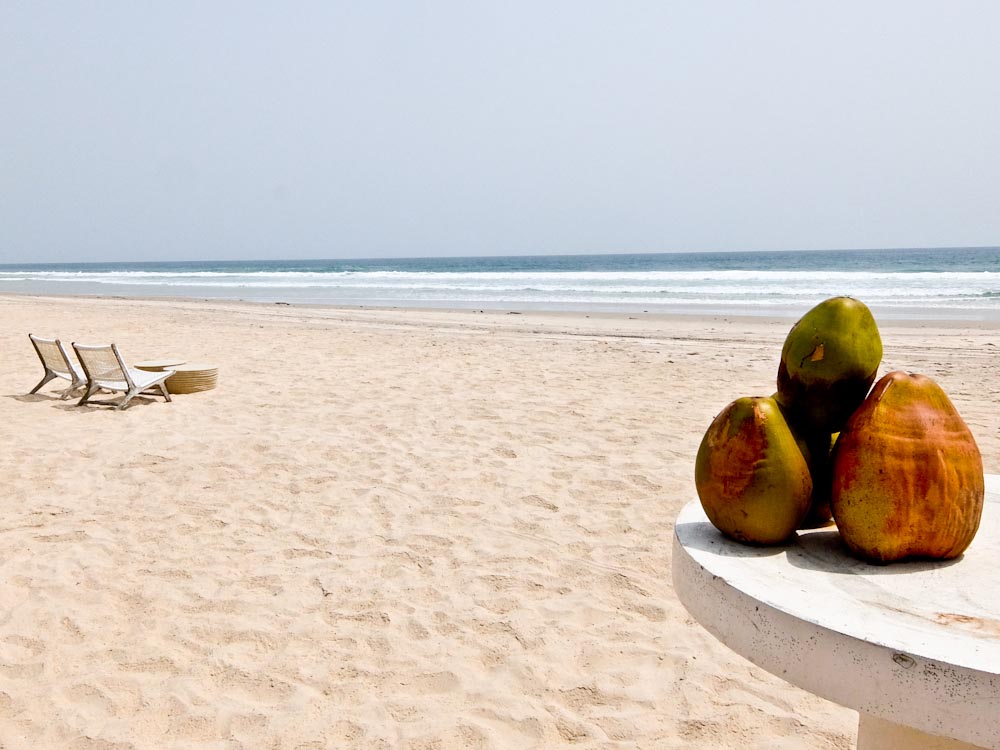
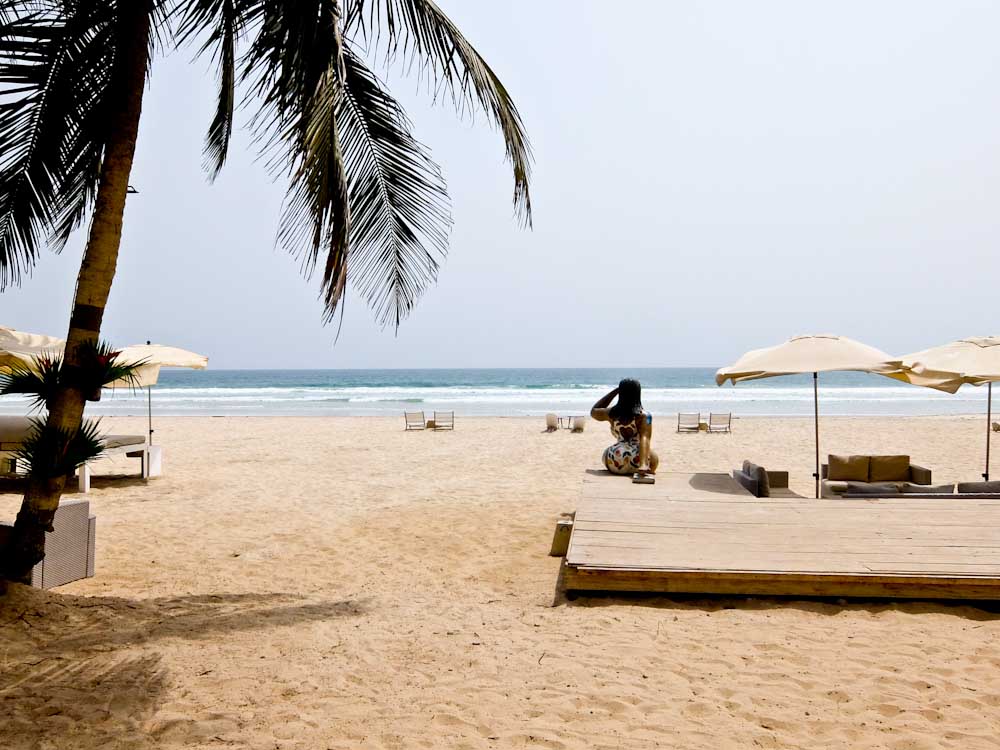
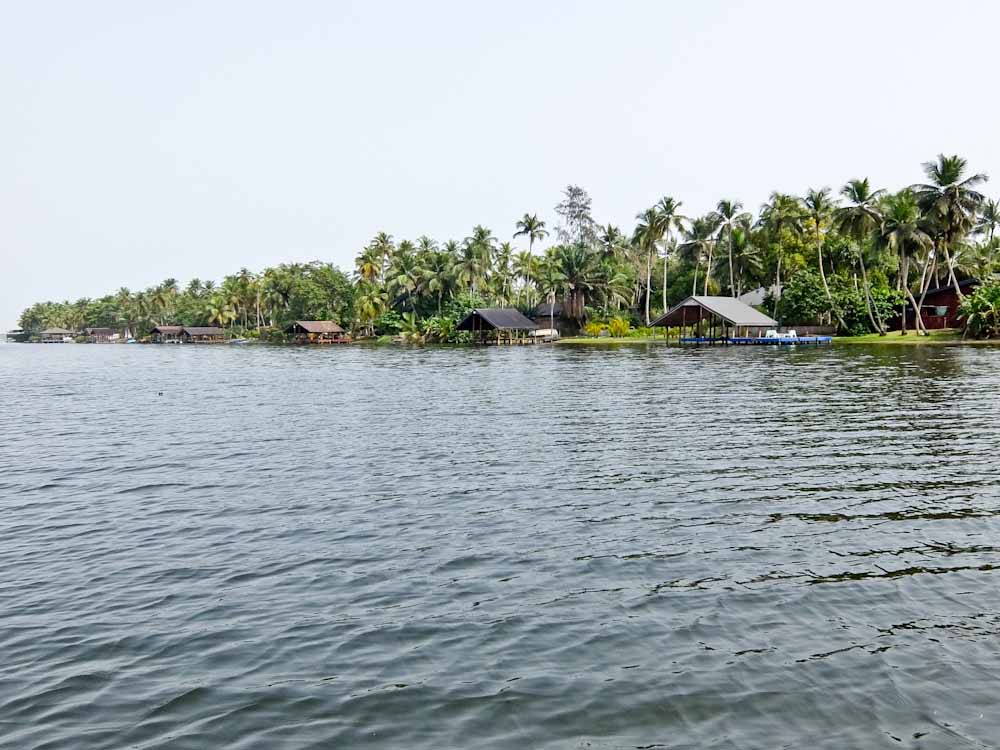
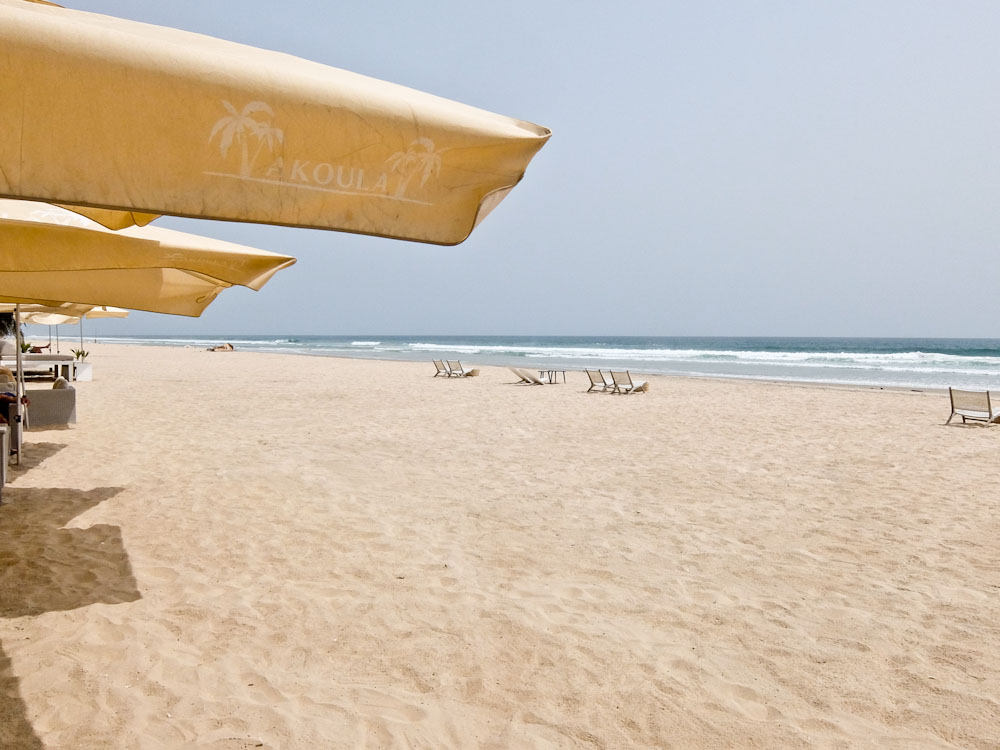
The southern coastline is lined with golden beaches, lagoons, and fishing villages. Assinie, east of Grand-Bassam, is perhaps the most famous, with 18 km of golden sand. These beaches, framed by palm trees and warm Atlantic waters, represent the classic tropical dream, yet remain relatively uncrowded. And they’re accessible from Abidjan’s International Airport.
Yamoussoukro
In the country’s interior lies Yamoussoukro, the political capital and birthplace of the nation’s first president. Félix Houphouët-Boigny. Elected after independence in 1960, he officially moved the capital from Abidjan to his hometown in 1983. What was once a small village was gradually transformed into a symbol of national pride and African modernity.
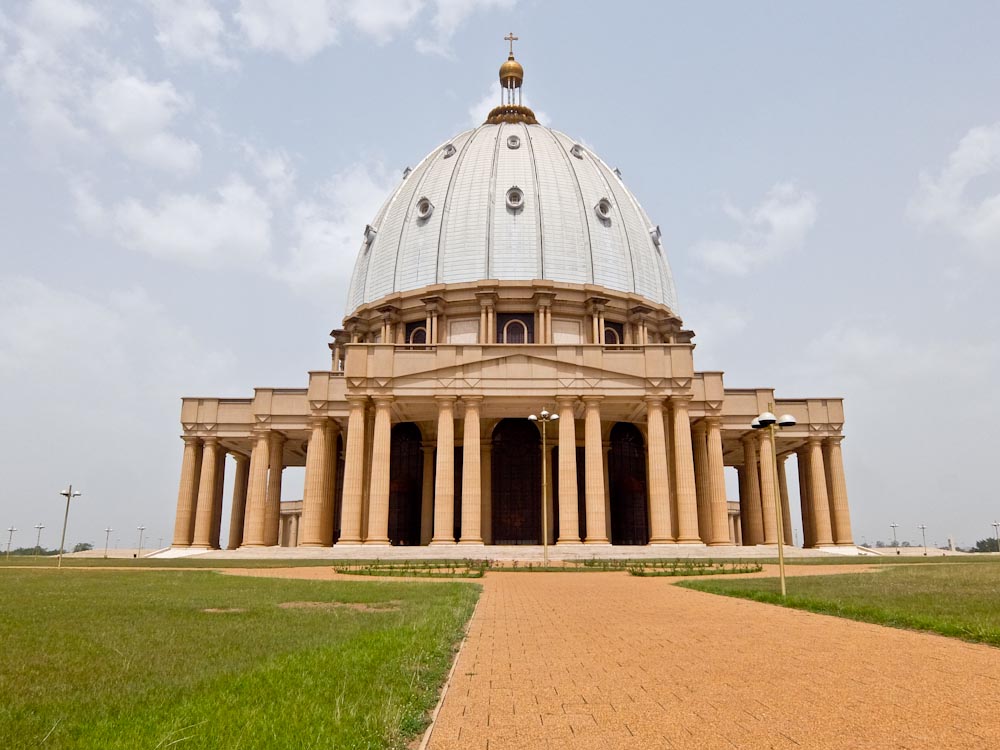
Our Lady of Peace
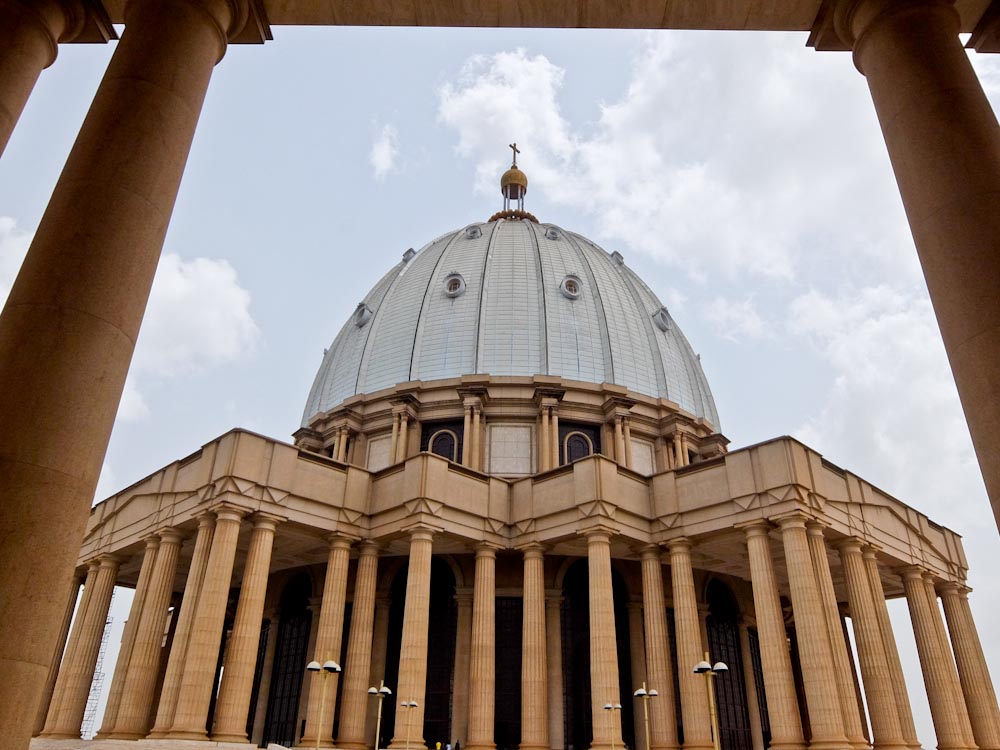
Our Lady of Peace
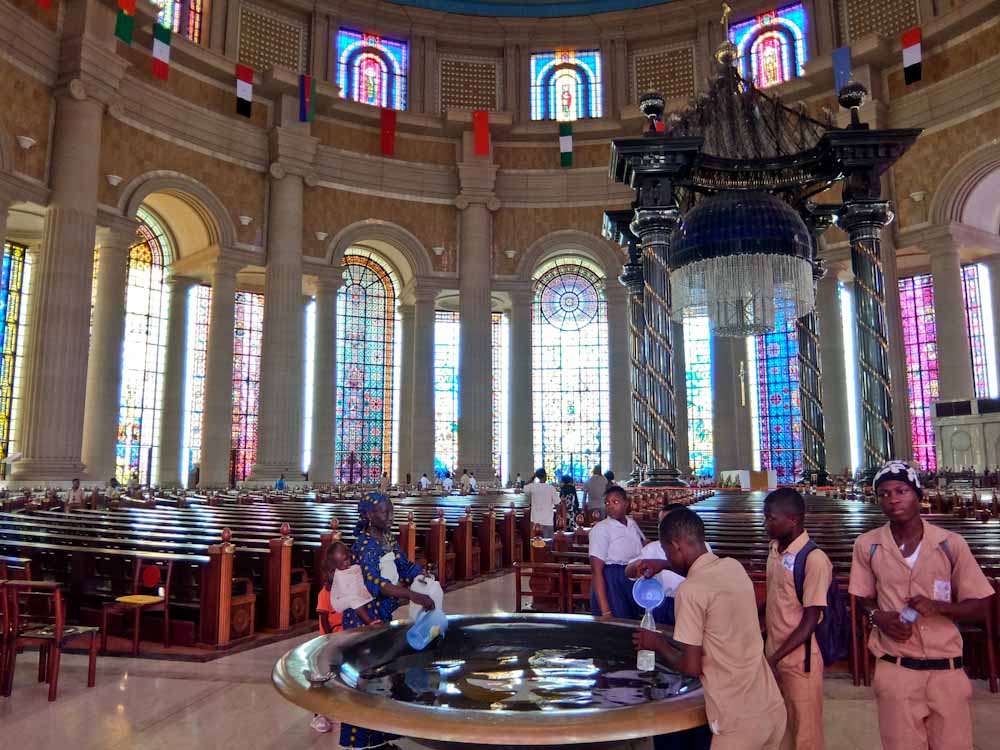
Our Lady of Peace
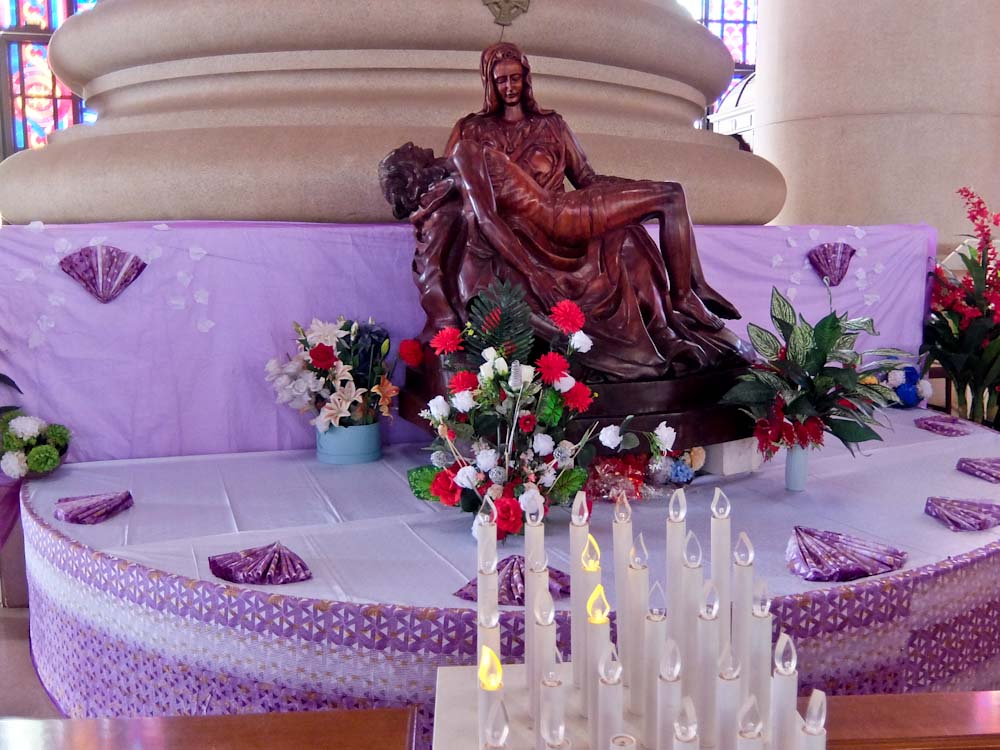
The city’s most famous landmark is the Basilica of Our Lady of Peace, completed in 1989 and listed in the Guinness Book of Records as the largest church in the world. Its enormous dome rises above palm trees and manicured gardens, taller than St. Peter’s Basilica in Rome. Inside it can hold 18,000 worshippers and there’s space for around 300,000 outside.
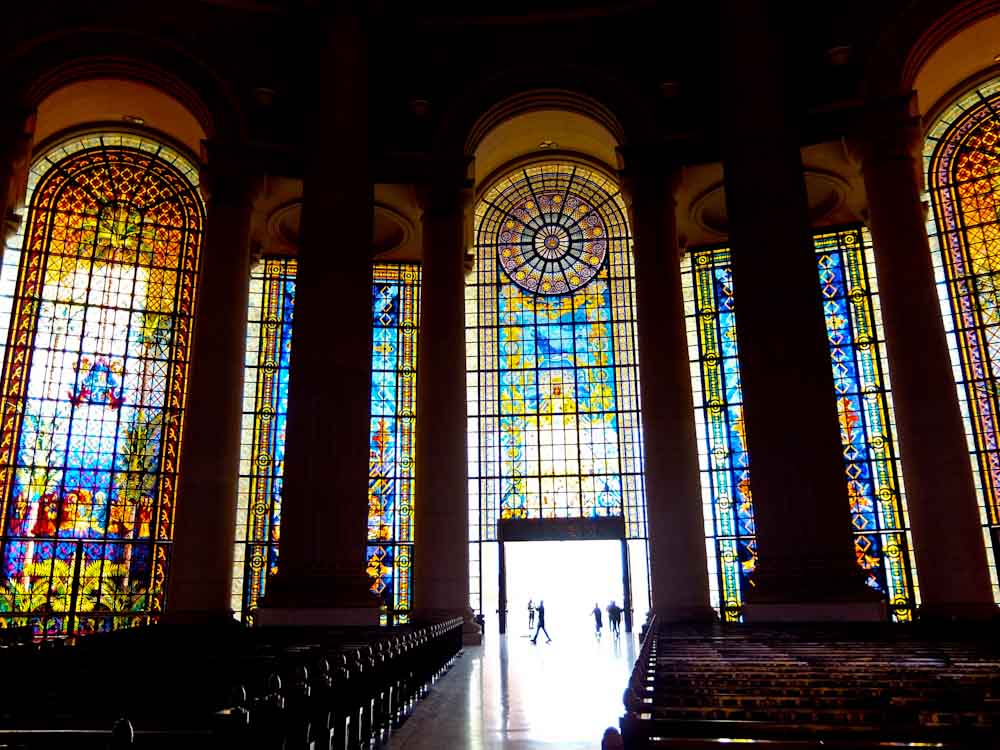
Our Lady of Peace
Our Lady of Peace
Our Lady of Peace
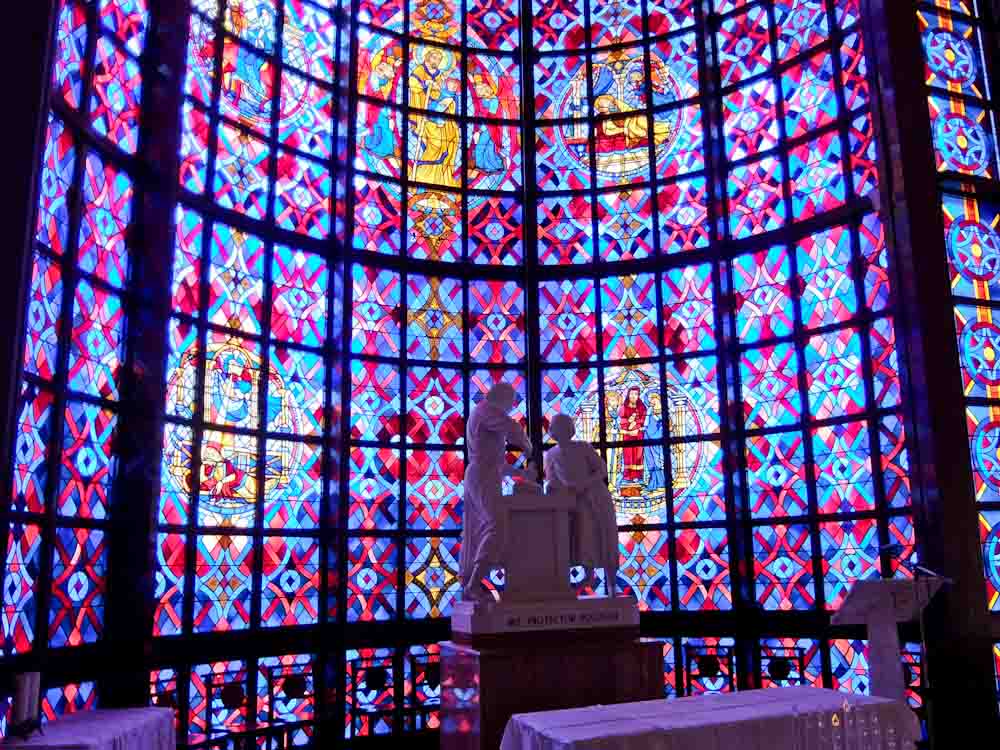
The basilica is constructed with marble imported from Italy and the windows contain 8,400 m2 of contemporary stained glass from France. They depict African religious imagery, blending local identity with Catholic tradition. Visitors can tour the basilica’s interior, climb up into the dome, or just sit in the air conditioned pews and enjoy mass.
Man – the city of 18 mountains
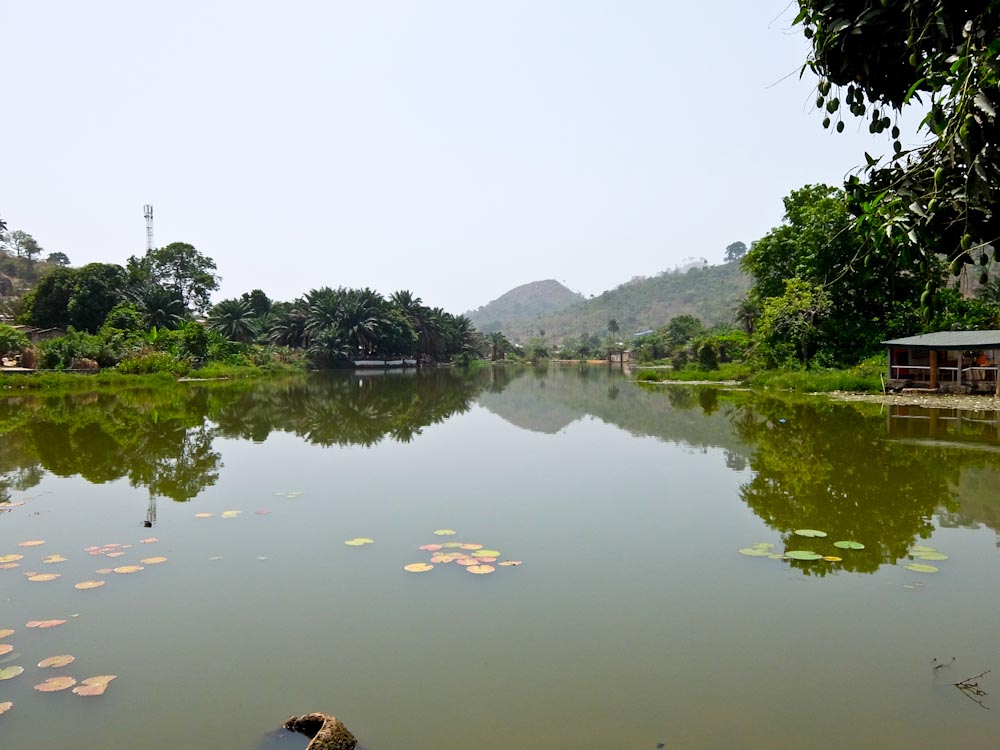
In the far west of the country, the land rises into forested highlands with mist drifting between emerald peaks. Man, the “city of 18 mountains”, sits in a dramatic landscape near the Nimba mountain range, on the Ko River. It’s one of the prettiest in the country, a place where waterfalls tumble from jungle cliffs, masked dancers carry ancient traditions, and cool mountain breezes replace the tropical heat of the coast.
Man
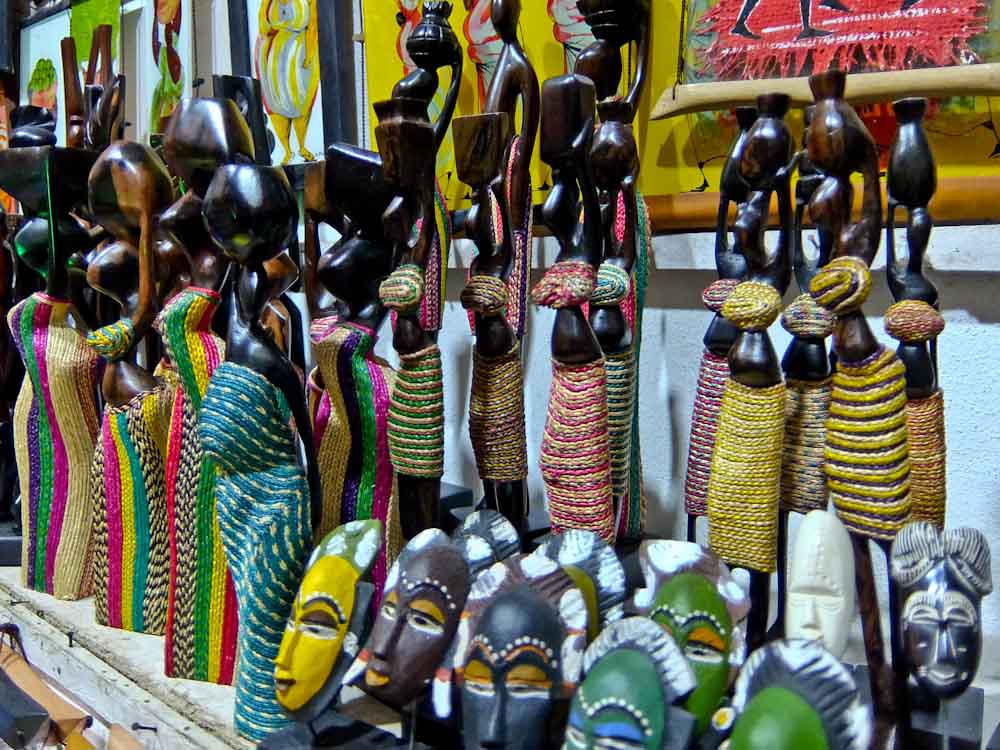
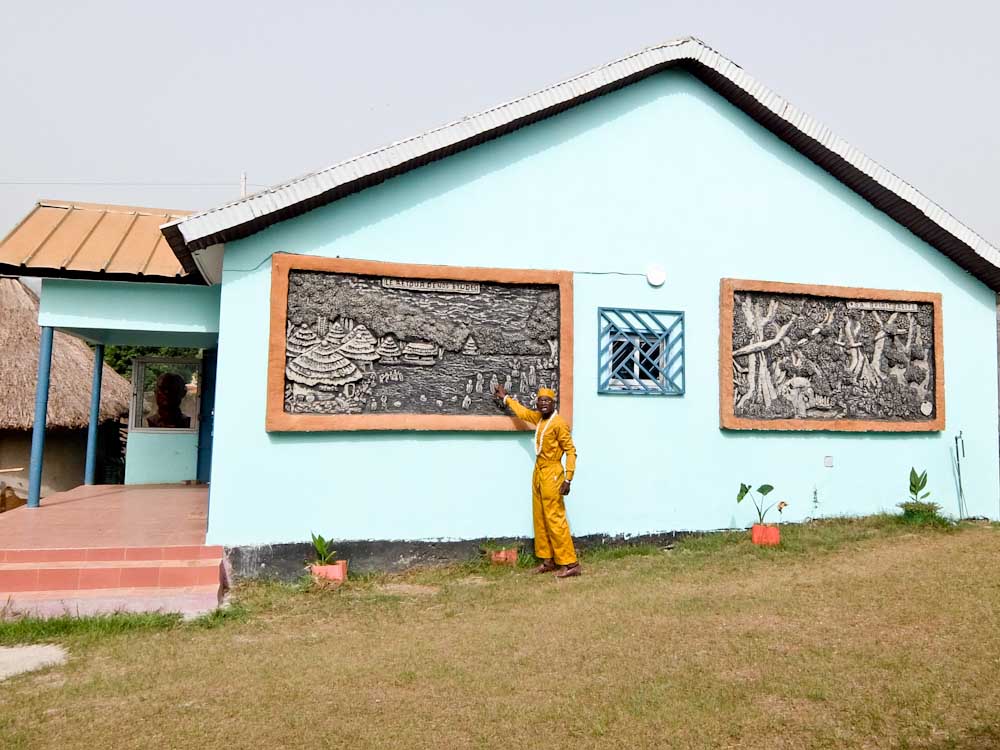
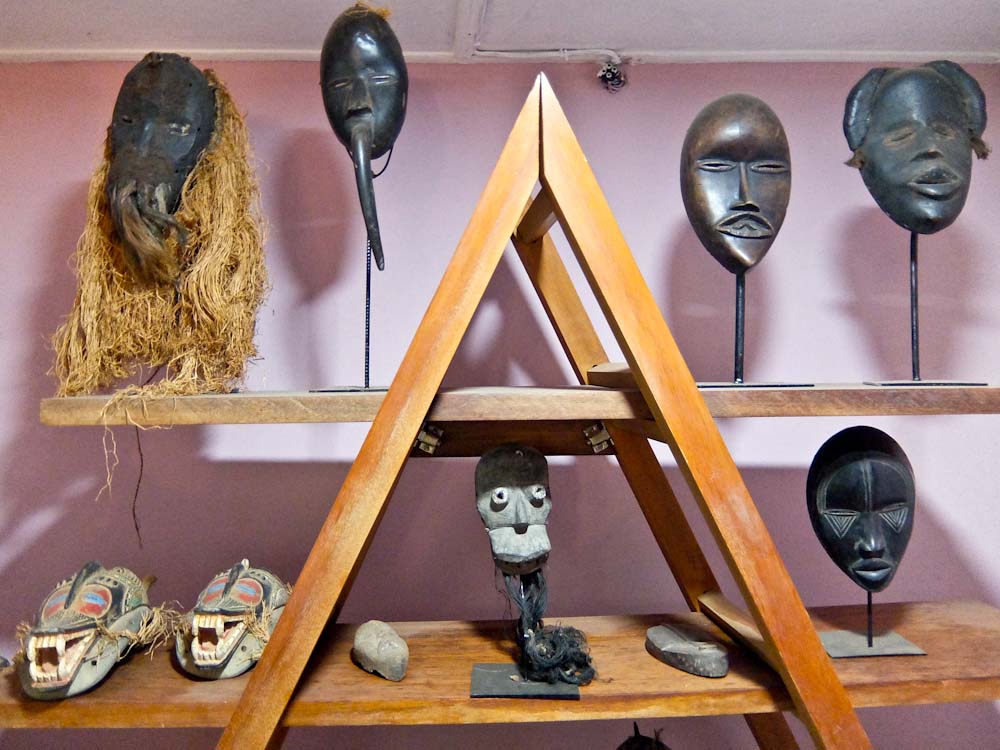
Man is the cultural heartland of the Dan (also called Yacouba) people, whose artistic traditions are famous across Africa. They’re known for their wooden masks, which represent spirits, ancestors, and animals. The Fondation Koble Des Mandé Sud is dedicated to safeguarding and transmitting its intangible cultural heritage.
Man
Man
Man
A small regional museum near the city centre showcases some of its collection, including traditional masks, statues, and artworks. There’s also a library, a covered auditorium and a sacred house which is reserved for mask performers and chiefs. The institution organises events and projects, including a competition for the best young traditional musical instrument maker.
Sacred Monkey Forest
Monkey
Monkey
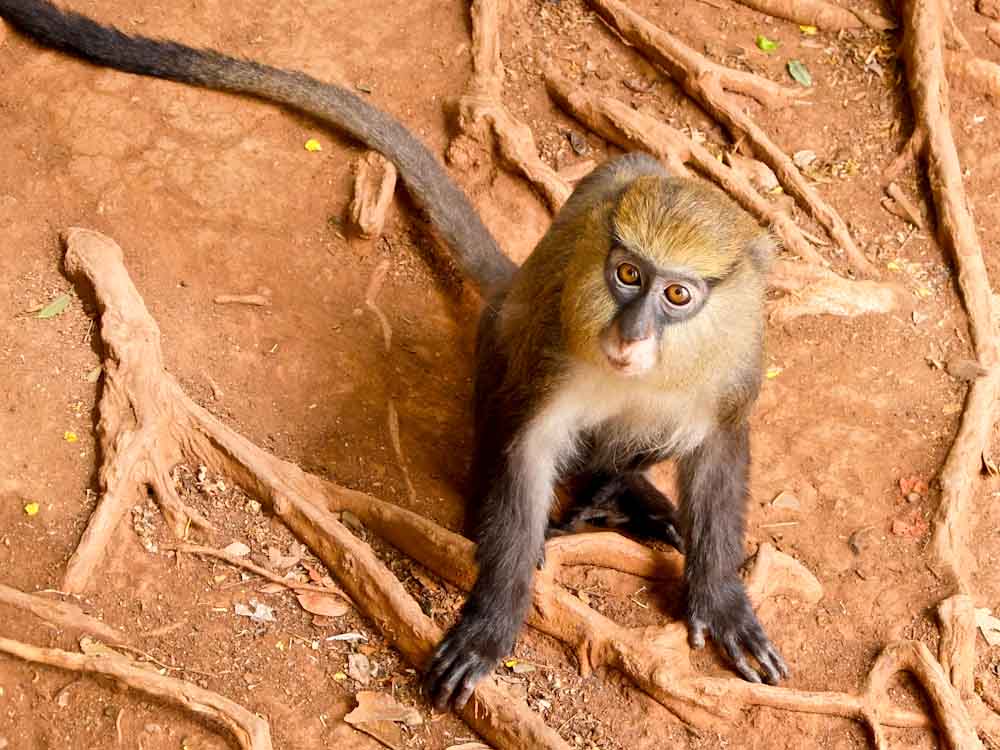
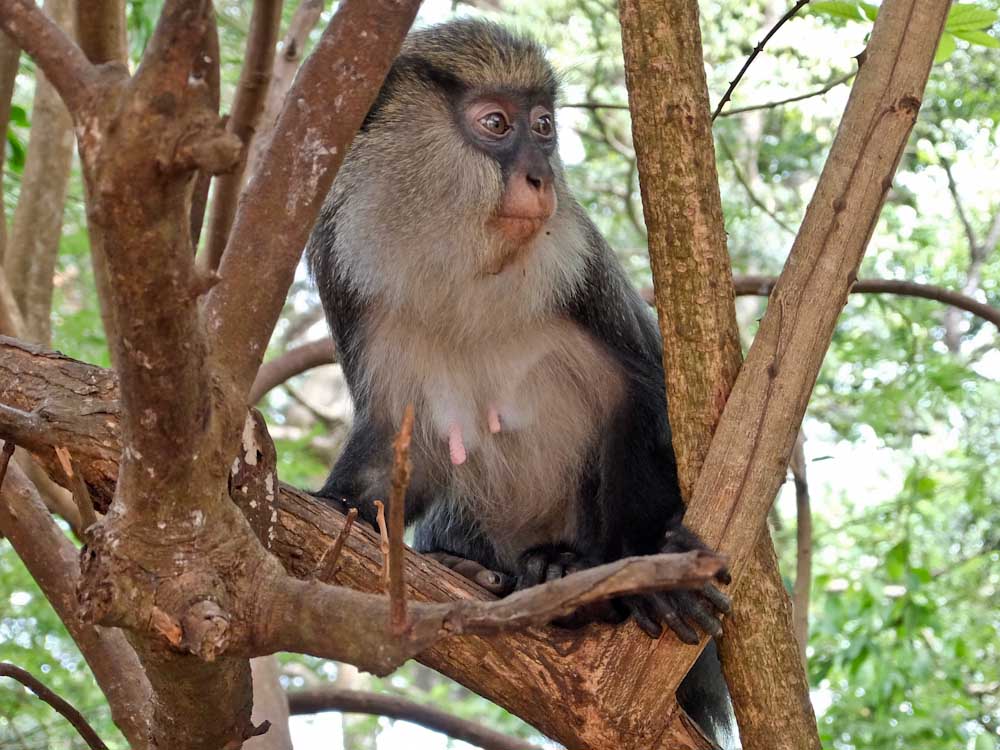
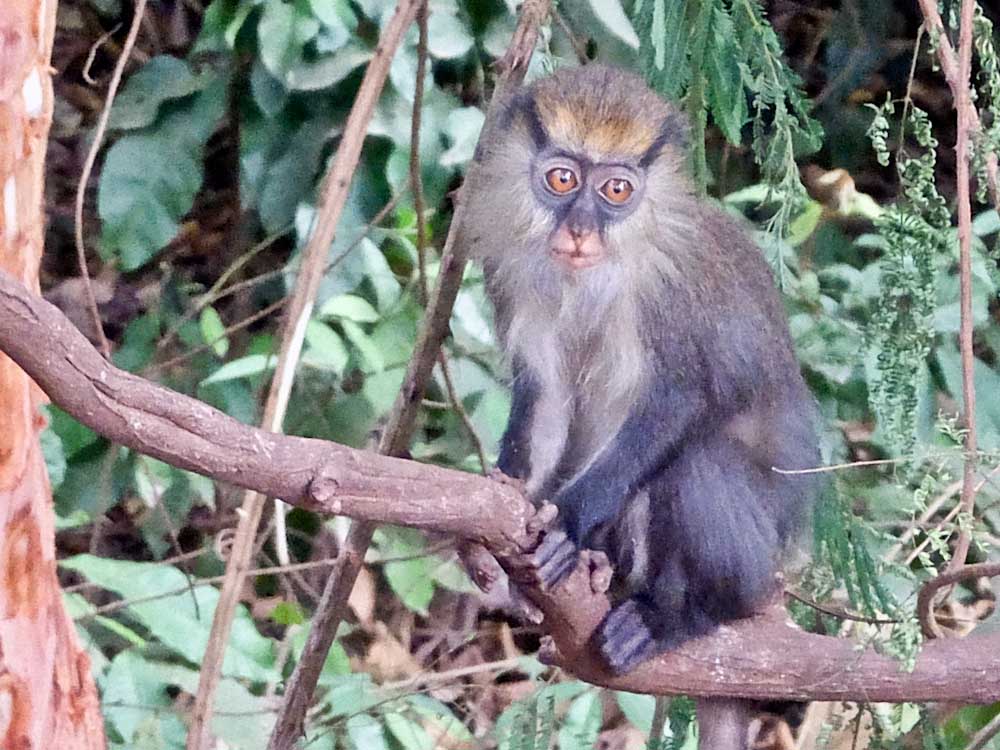
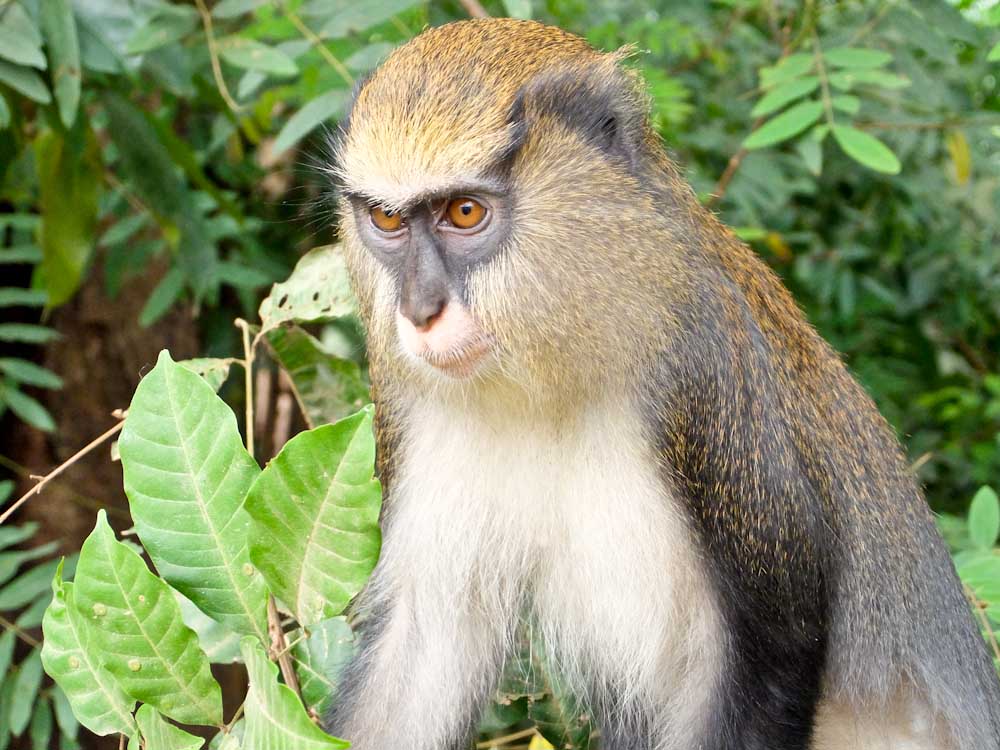
One of Man’s most unique and meaningful attractions is the Forêt des Singes, or Sacred Monkey Forest. Located near the village of Gbêpleu on the edge of the city, this small forest is home to dozens of Campbell’s Mona Monkeys that are protected by local tradition.
Monkey
Monkey
According to the beliefs of the Dan people, these monkeys are sacred and are connected to the spirits of the ancestors. They live freely among the trees, unafraid of humans and are never hunted or harmed. Local guides explain that when a monkey dies, it is given a proper burial, just like a human.
Waterfalls of Zadêpleu
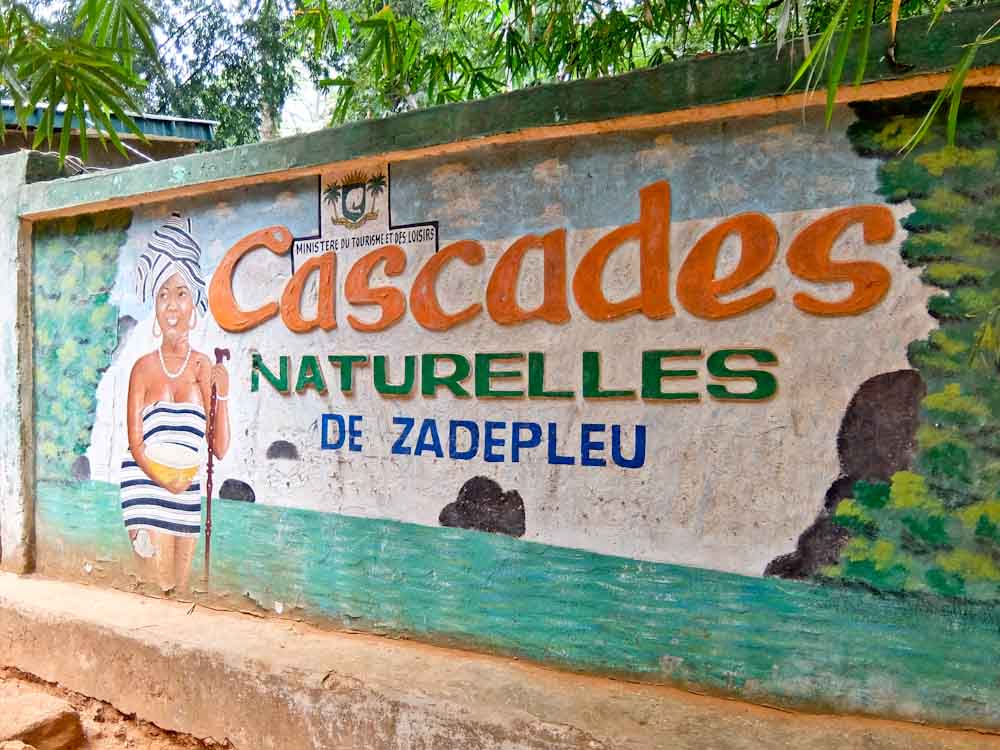
Just a short distance from the city, the waterfalls of Zadêpleu sit at the edge of a broad green wilderness. Large trees shade a well-trodden path which leads travellers through fields, forest and hillside plantations before the natural oasis opens up before them.
Zadepleu Sign
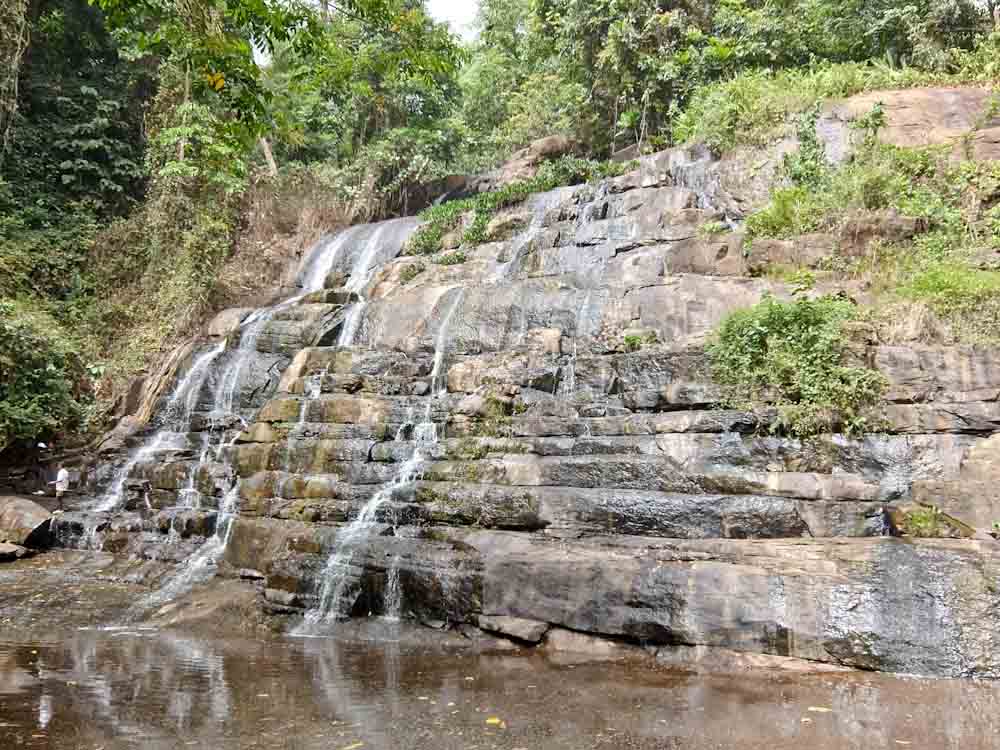
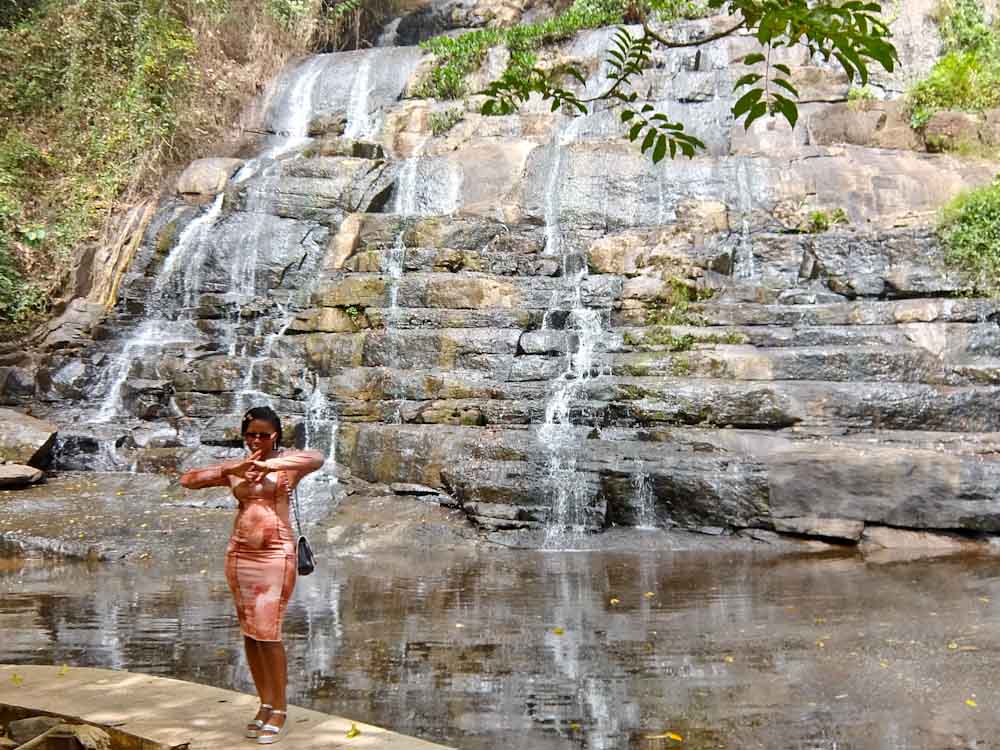
The waterfall system descends approximately 20 m across layers of granite rock, creating a striking natural staircase. The rock strata, smoothed by centuries of running water, form a series of terraces that catch and pool the clear stream, ending in natural basins perfect for cooling dips.
Zadepleu
Zadepleu
The waterfalls are an all year attraction, but are at their best during the rainy season (usually May through October) with a more dramatic cascade and deeper pools for swimming. In contrast, the dry season sees water levels lower, with the falls reduced, although still impressive.
Vine Bridge of Douepleu
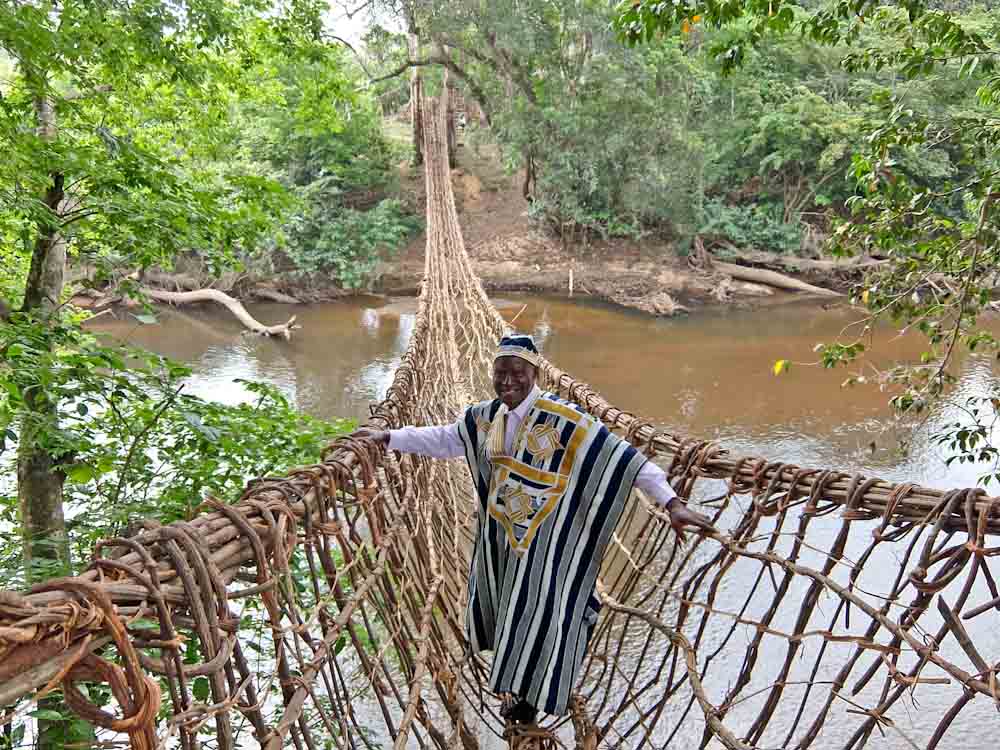
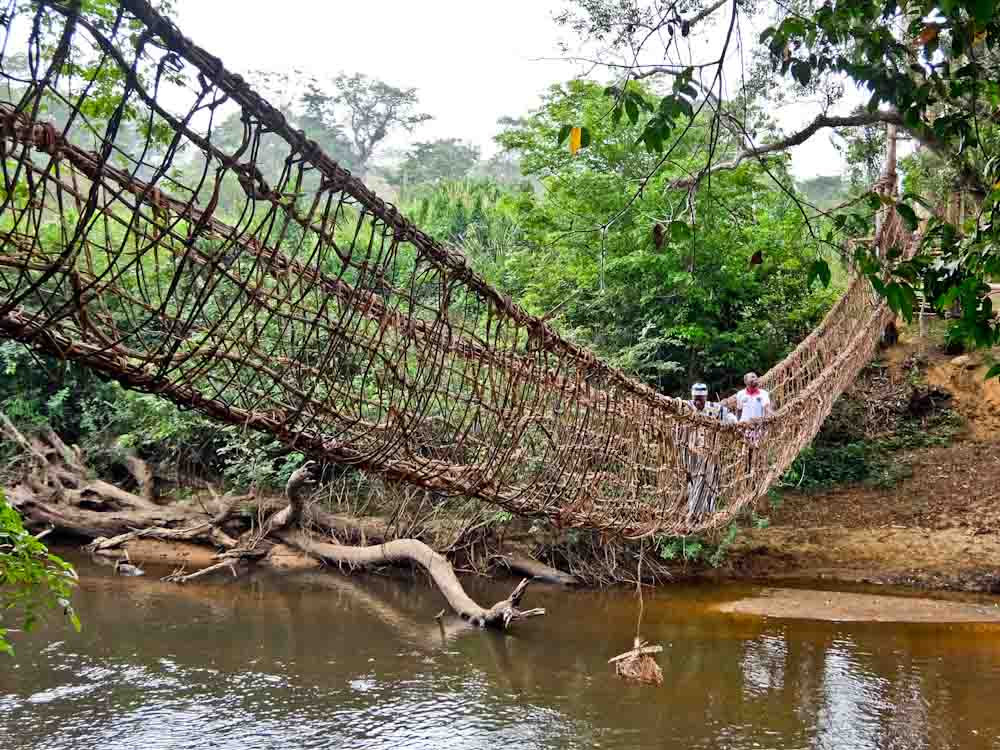
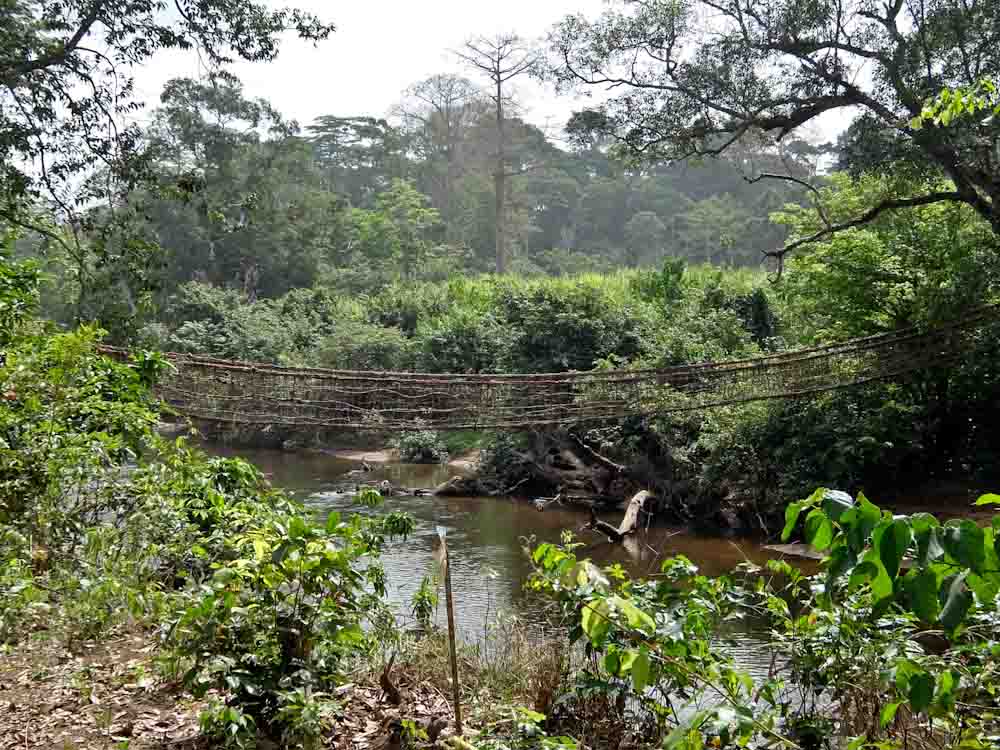
Suspended above the Cavally River 80 km from Man, this fragile-looking bridge is more than a path between two banks. It’s a living symbol of tradition, spirituality, and human ingenuity passed down through centuries. It stretches across the Cavally River, formed entirely from thick forest lianas twisted and woven together.
Douepleu
At first glance, it looks impossibly delicate. There are no steel cables, no concrete pillars, only natural creepers attached to large trees on either side of the river. Yet this organic structure is strong enough to carry villagers and visitors across the flowing water. Tradition dictates that shoes must be removed before crossing.
Douepleu
According to Yacouba tradition, these bridges are built in a single night by initiates who possess special knowledge. The process is secret. Villagers gather vines and leave them by the river, but only the chosen builders may assemble the bridge. By morning, the vines have been transformed into a bridge.
Douepleu
Local legend says a sacred spider taught humans how to weave the lianas, inspiring the design that resembles a giant web stretched across the river. Only about a dozen such bridges remain today, as modern concrete crossings replace traditional ones. Yet the bridge at Lieupleu survives, maintained and renewed by those determined to preserve their tradition.
Wêhêde Festival
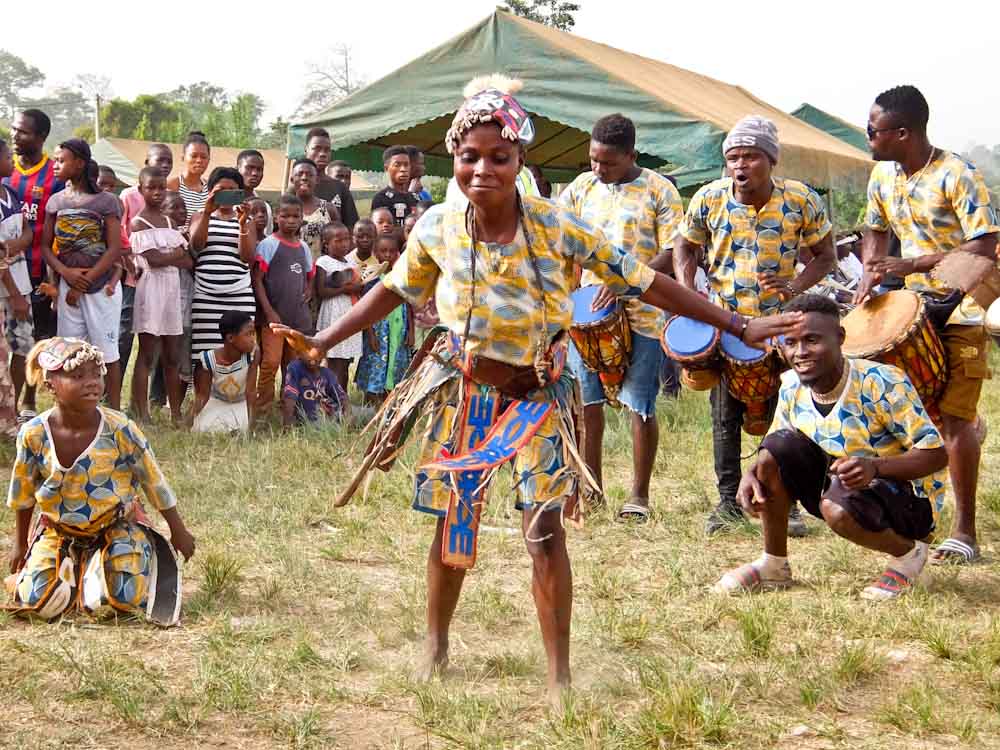
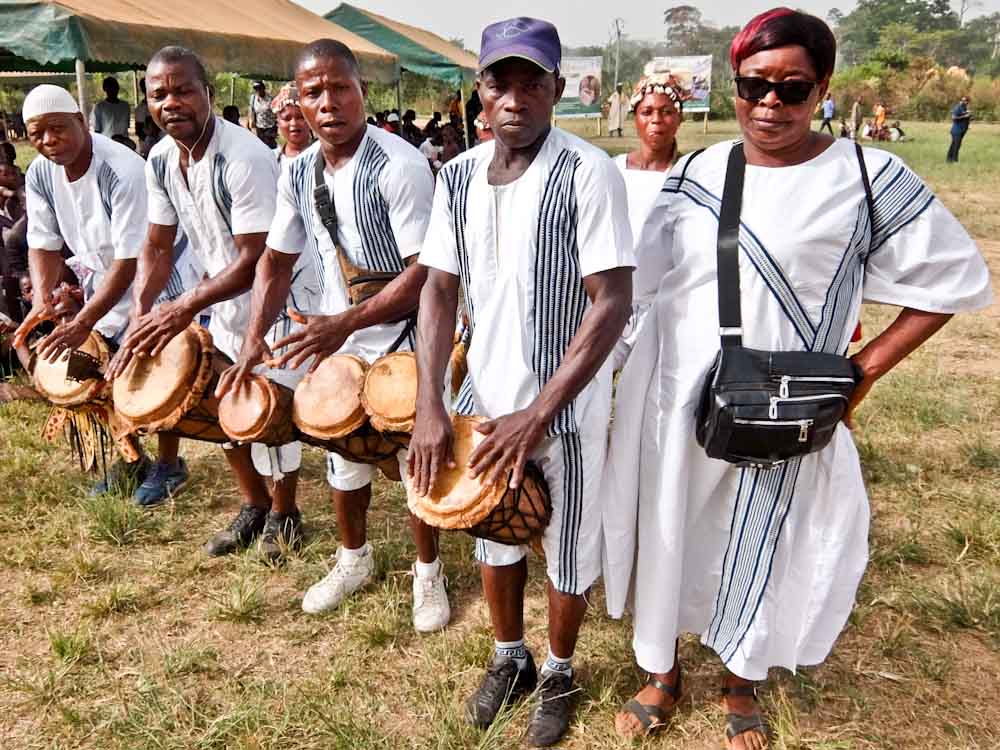
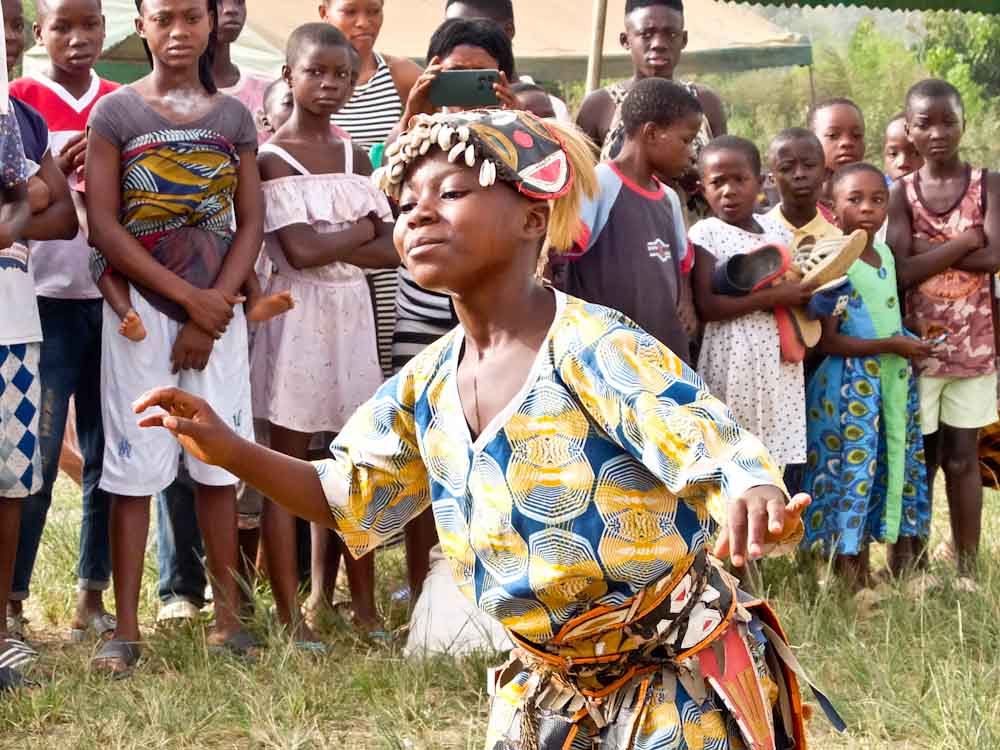
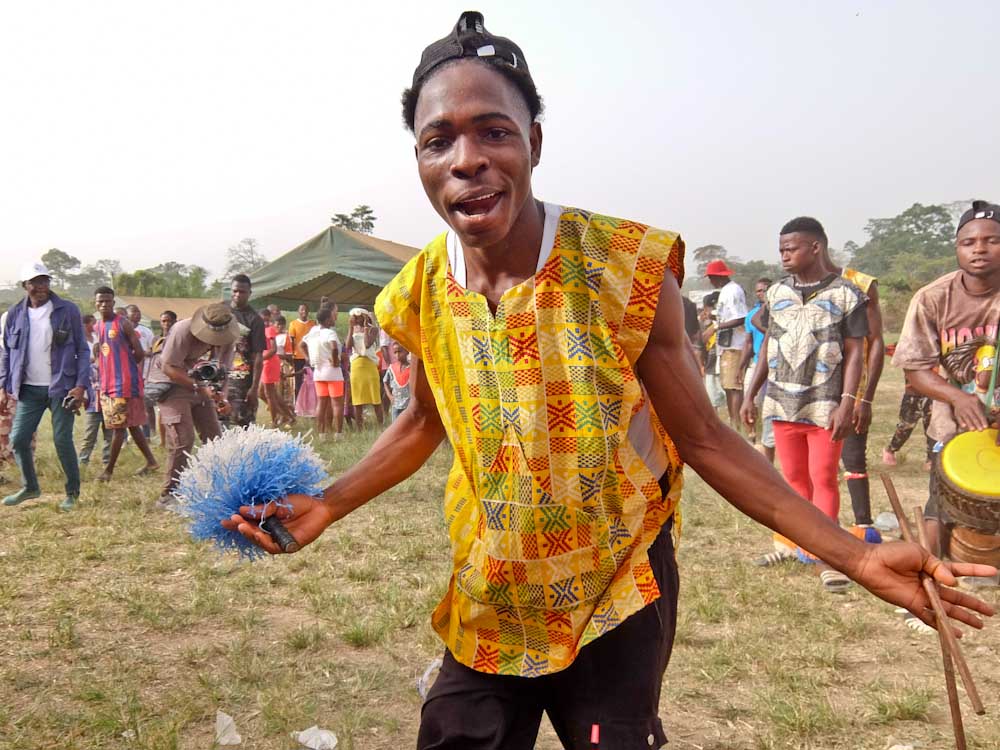
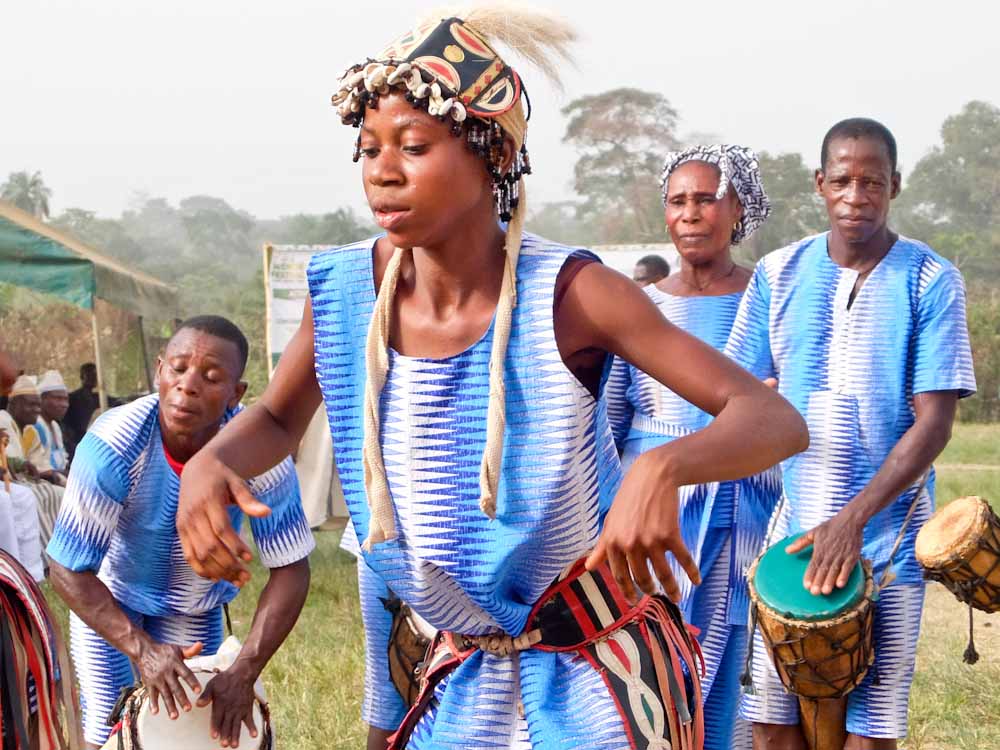
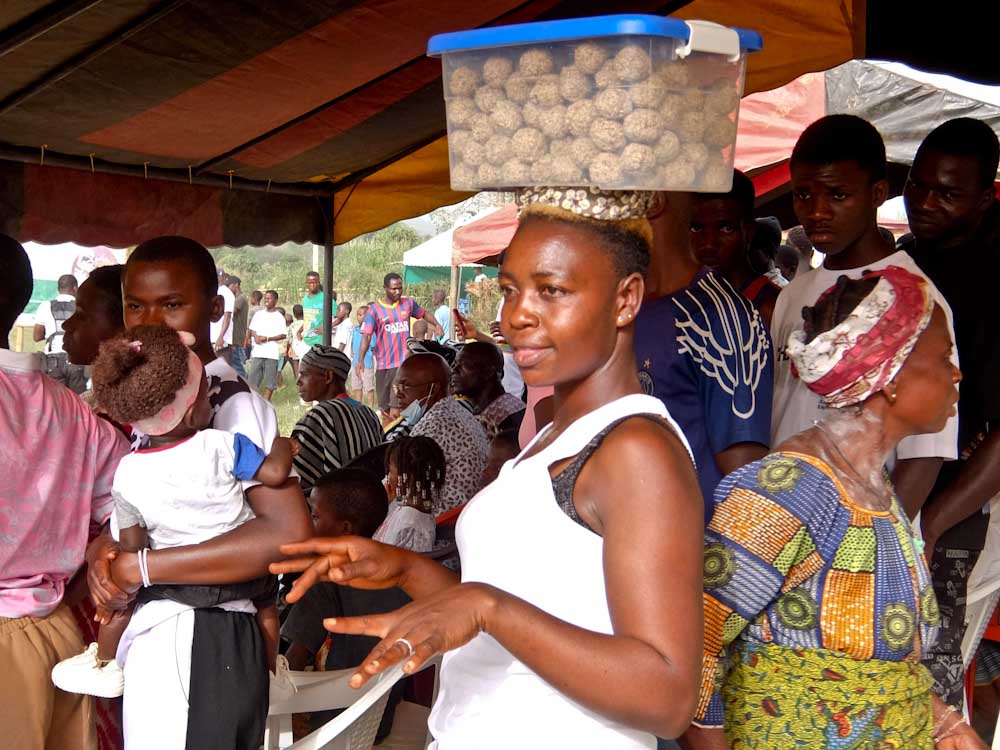
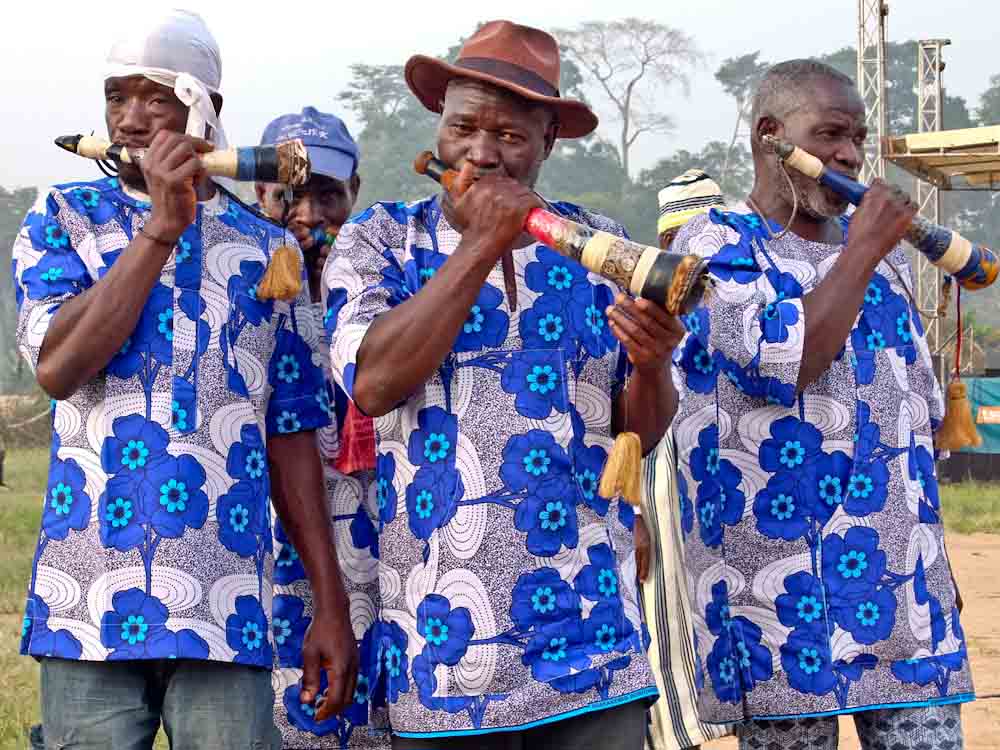
West of Man, lies the cultural heartland of the Wê people. The annual Wêhêde Festival, in Kouibly, brings together villagers from across the region to celebrate shared history and customs. Although outsiders are warmly welcomed, this is an event definitely not staged for tourists.
Wêhêde Festival
Wêhêde Festival
Wêhêde Festival
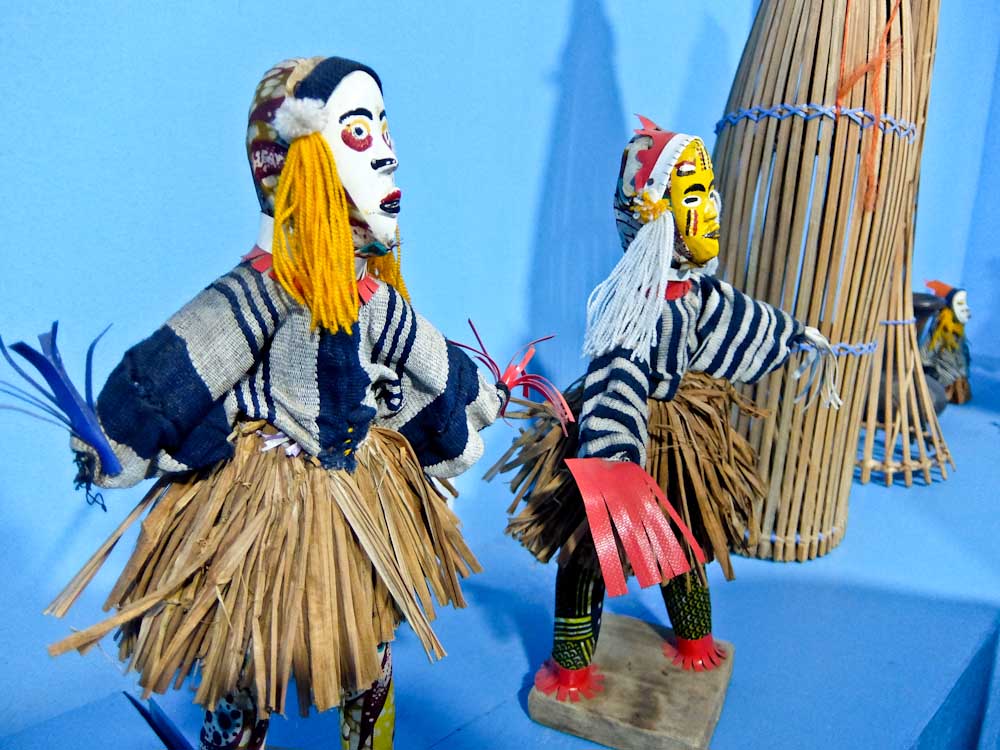
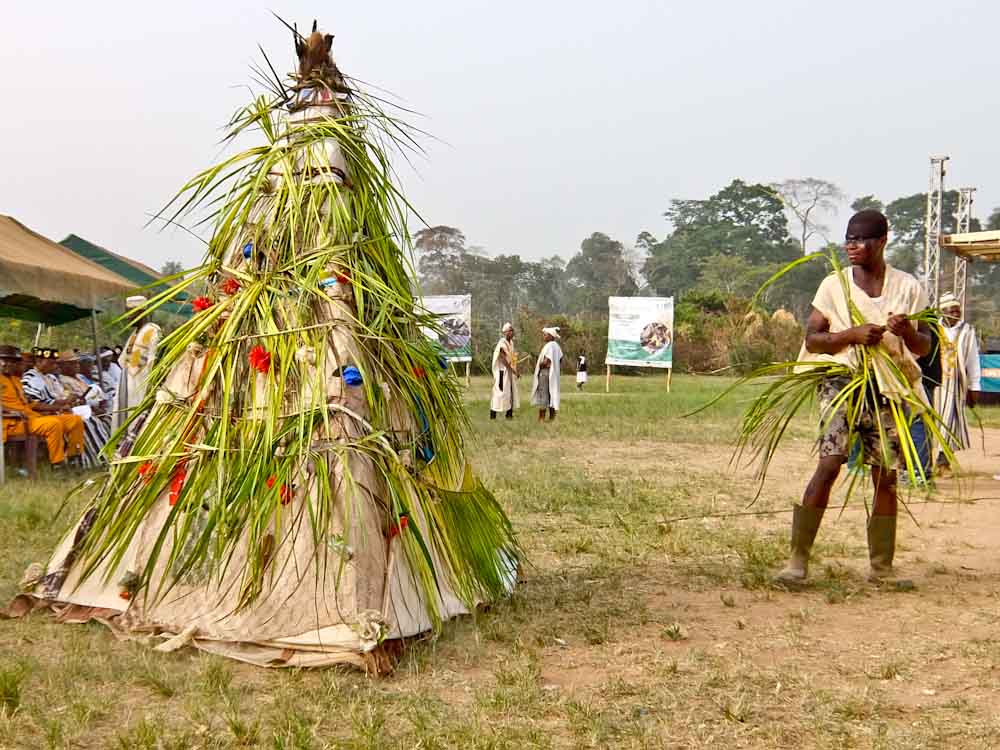
Masked performers appear in elaborate costumes made of fabric, raffia, and carved wood. Each mask has its own meaning and represents a spirit, a story, or a moral lesson. The dancers move with energy and precision, while drums and singing create a powerful rhythm that echoes through the air.
Wêhêde Festival
Wêhêde Festival
Wêhêde Festival
The festival is also the venue for storytelling, ceremonies, and community gatherings. Elders pass down traditions to younger generations, ensuring that their culture continues to live on. It’s an opportunity for everyone to join in and celebrate their traditions.
Wêhêde Festival
Wêhêde Festival
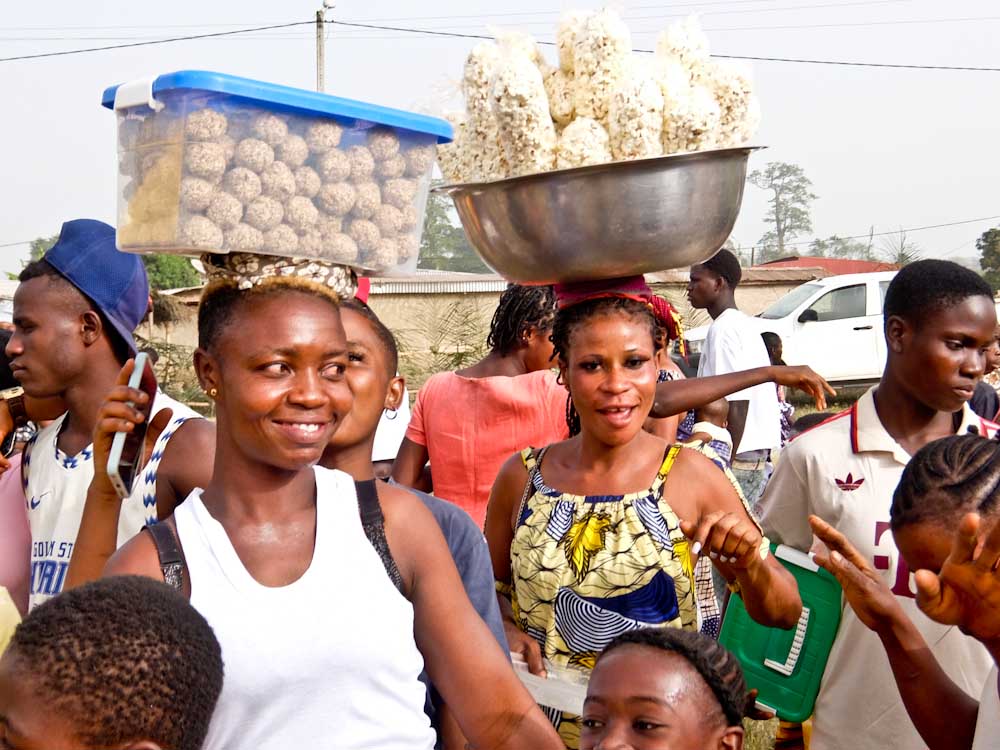
Wêhêde Festival
No African festival is complete without food. Here you can taste traditional dishes prepared by village cooks, including cassava, plantains, spicy sauces, and forest game. Cooking competitions celebrate local culinary heritage, while communal meals bring together elders, youth, and visitors alike.
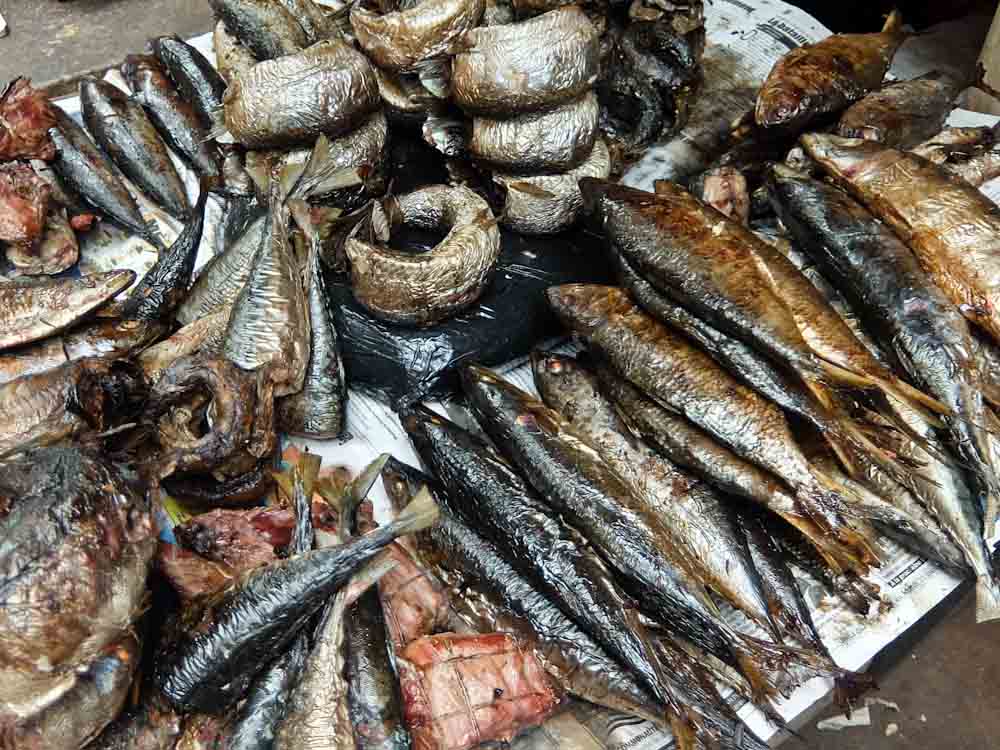
Smoked Fish
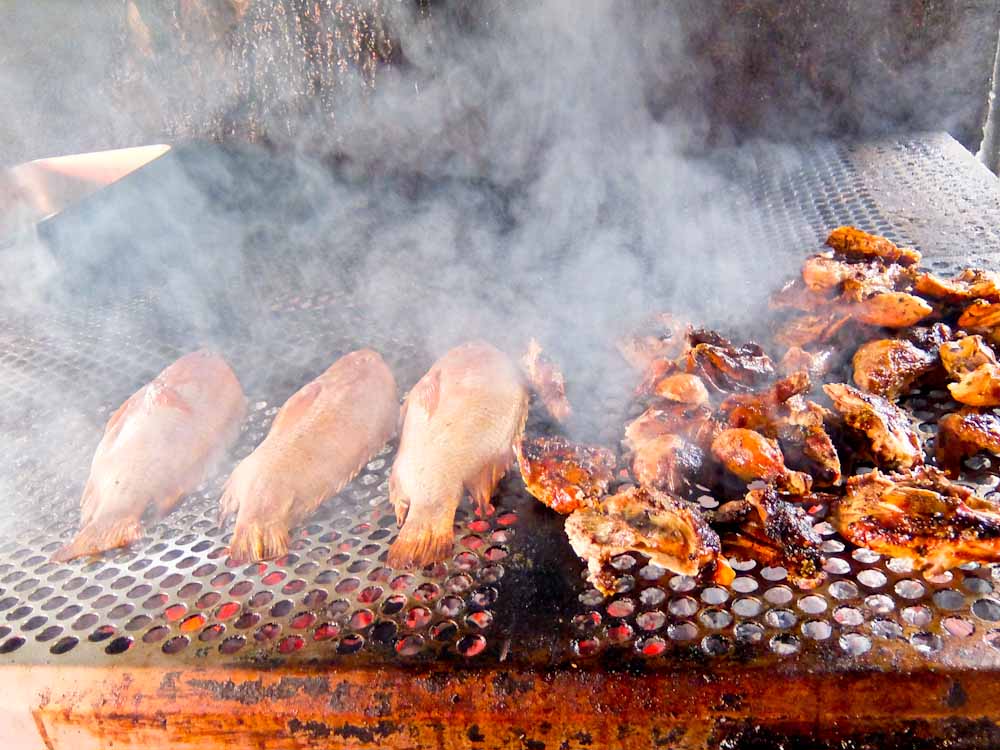
Charcoal Grill
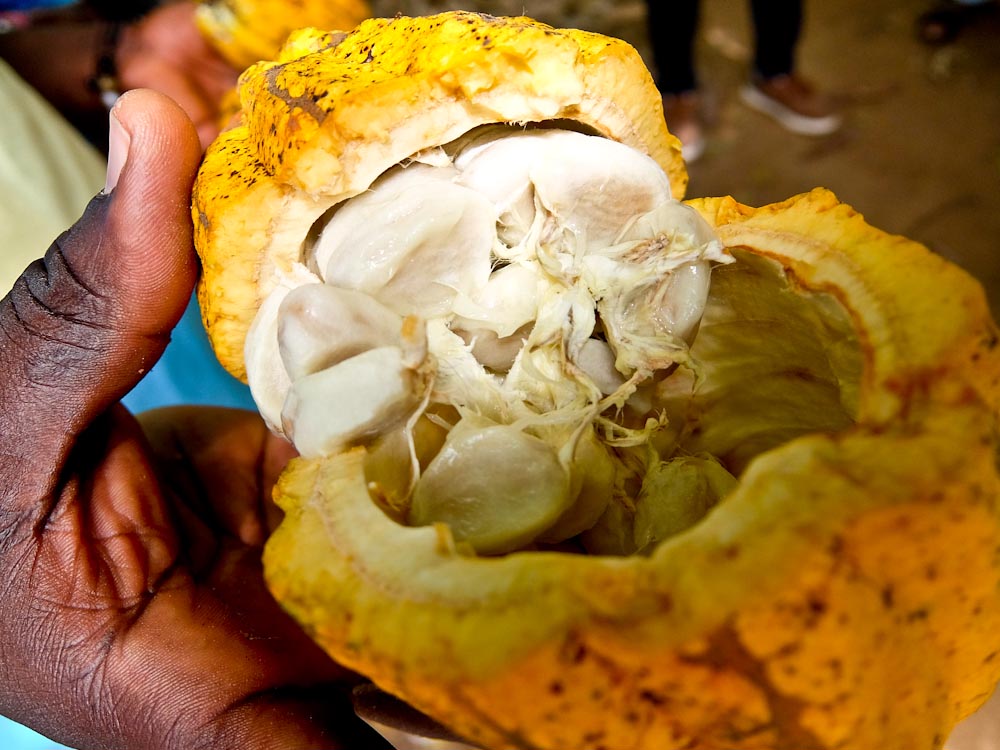
Cacao Pod
Factfile
GO: Air France flies to Abidjan from London Heathrow via Paris
INFO: My Sublime Côte d’Ivoire has information about the country.
The Bradt Guide to Ivory Coast is indispensable
STAY: Sofitel Abidjan has a wide range of facilities.
La Maison Palmier is a luxury base in Abidjan with a swimming pool and a great restaurant.
La Maison d’Akoula in Assinie is a boutique hotel with lagoon and beach access.
The Aiman Villa makes a comfortable base in Man.
EAT: Ariane Beach serves excellent local dishes by the side of a lake in Man.
La Brise in Yamoussoukro is good for charcoal-grilled African food.