
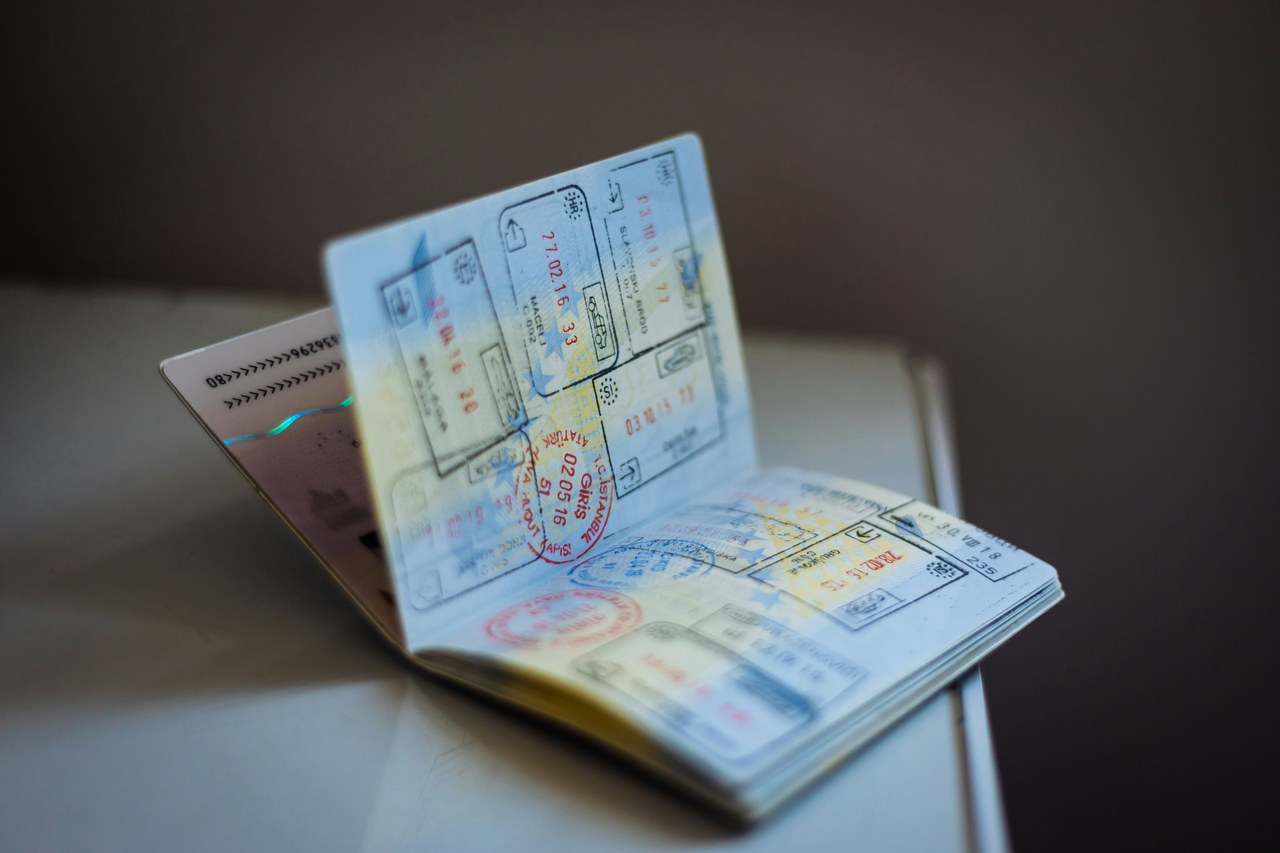
The delayed and much-talked-about Entry-Exit system (EES) finally launched on 12 October 2025, changing the way UK citizens and other third-country nationals pass through EU airports and ports forever.
Countries in the Schengen area will log travellers’ faces, fingerprints, and entry and exit dates.
- All EU Member States: Austria, Belgium, Bulgaria, Croatia, Czechia, Denmark, Estonia, Finland, France, Germany, Greece, Hungary, Italy, Latvia, Lithuania, Luxembourg, Malta, Netherlands, Poland, Portugal, Romania, Slovakia, Slovenia, Spain, Sweden.
- Non-EU Schengen Countries: Iceland, Liechtenstein, Norway, Switzerland.
- EES does not apply in Ireland and Cyprus.
The system creates digital identities for travellers to replace passport stamping. Initially, there will be extra bureaucracy for the first six months (until 9 April 2026), and delays at airports are expected while the data is collected. Eventually, the passage through border points should be a breeze.
The European Commission says:
“To provide Member States with the necessary time to adjust to the start of operations of the EES, during the first 60 days of the progressive start of operations of the EES, the use of biometric functionalities at border crossing points should not be mandatory.”
The new system aims to flag anyone staying beyond 90 days in any 180 days, identify suspected criminals, and detect identity fraud. Once complete, this will serve as the precursor to the ETIAS.
Here is the timeline so far:
- 12th October 2025, Biometrics and fingerprinting of travellers passing through EU airports began. Not all border posts were ready, but where the system was set up, fingerprints and a facial biometric were collected and passports were still be stamped. France insisted on medical insurance proof.
- 11 November 2025 only one in 10 of all nations’ border crossings were registered. Passports continue to be stamped manually.
- 10th January, 2026 “Member states should operate the entry-exit system – with biometric functionalities – at a minimum of half of their border crossing points”. But only 35 per cent of visitors must be EES-registered. Spain, Italy or Greece, with many arrival points by air, need not activate the entry-exit system at the busiest airports as long as a majority of crossing points are EES-enabled.
Here is the countdown from now on:
- 11th March 2026, the expectation is that all borders are biometric-enabled and at least half the crossings must be registered on the central database.
- 31st March 2026, by now every third-country national will be registered on the way in and out.
- 9th April 2026 is the final day of manual passport checking, assuming everything goes to plan.
- 9th October 2026 (this date could change) will see the launch of the European Travel Information and Authorisation System (Etias). This online permit costs €20 (£17) and remains valid for three years. Those under 18 or over 70 will still need to apply for and hold an Etias, but it will be free. There will be a six-month grace period to cater for travellers who neglect to organise an Etias. But even though you won’t legally need one immediately, you might not be allowed on your plane if you fail to show an Etias.
Basic Requirements for Etias Approval
To apply for an Etias, you must meet these conditions:
- Have a valid passport from an eligible country. Travellers with biometric passports can experience faster processing at automated border control points.
- Be travelling for tourism, business, medical, or transit purposes (no long-term stays).
- Plan to stay in the Schengen Area for up to 90 days within 180 days.
- Have no record of serious criminal offences or past violations of European immigration laws.
More info here.
TIP: There have been complaints about long queues while this system is rolled out. If you would like to avoid the queues, consider a holiday in other op holiday hotspots outside the EU that offer beaches, culture, and value. These include Turkey, Morocco, Tunisia, Cape Verde, and The Gambia for sun. For adventure and unique landscapes, consider Georgia, Armenia, Albania, or Thailand, while the Maldives offers luxury seclusion. These destinations offer distinct experiences, often at lower cost than those in the Eurozone.