
Sitting in the far southwest corner of China, Yunnan Province is one of the country’s most diverse travel destinations. Known as the “Land of Eternal Spring” because of its mild climate and stunning natural beauty, it offers a blend of snow-capped mountains, subtropical forests, glittering lakes, and ancient towns.
Yunnan
Yunnan
Dali
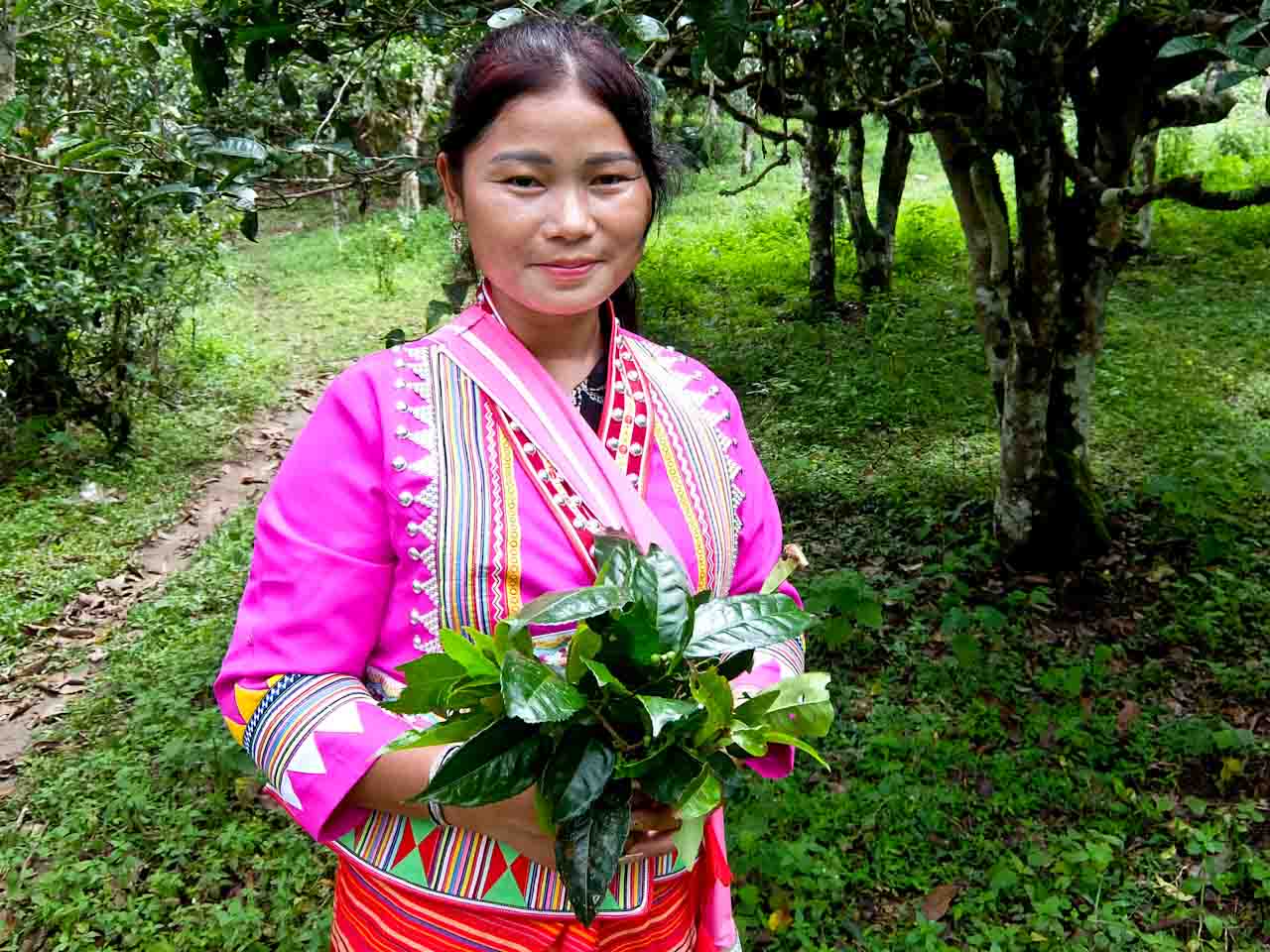
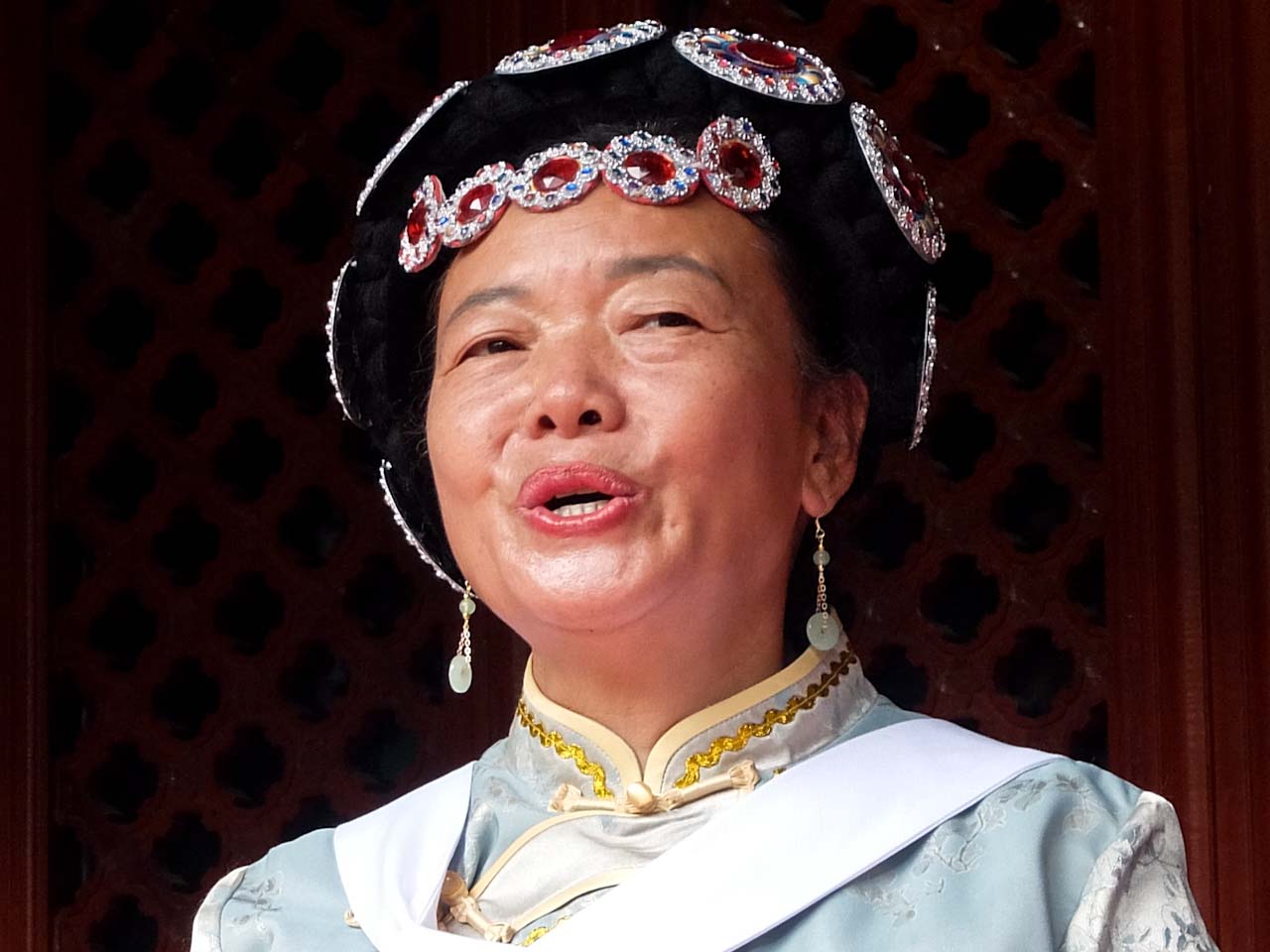
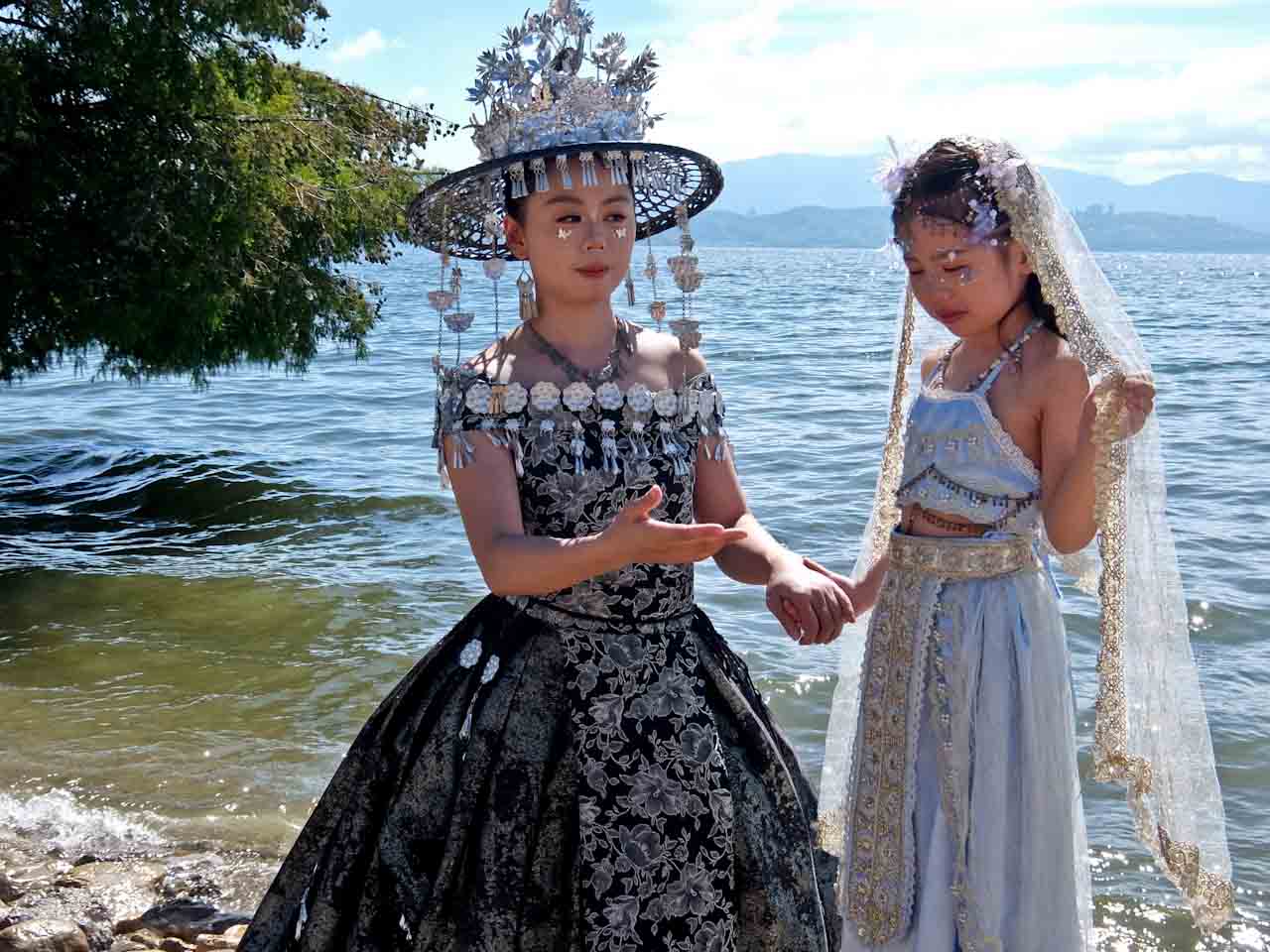
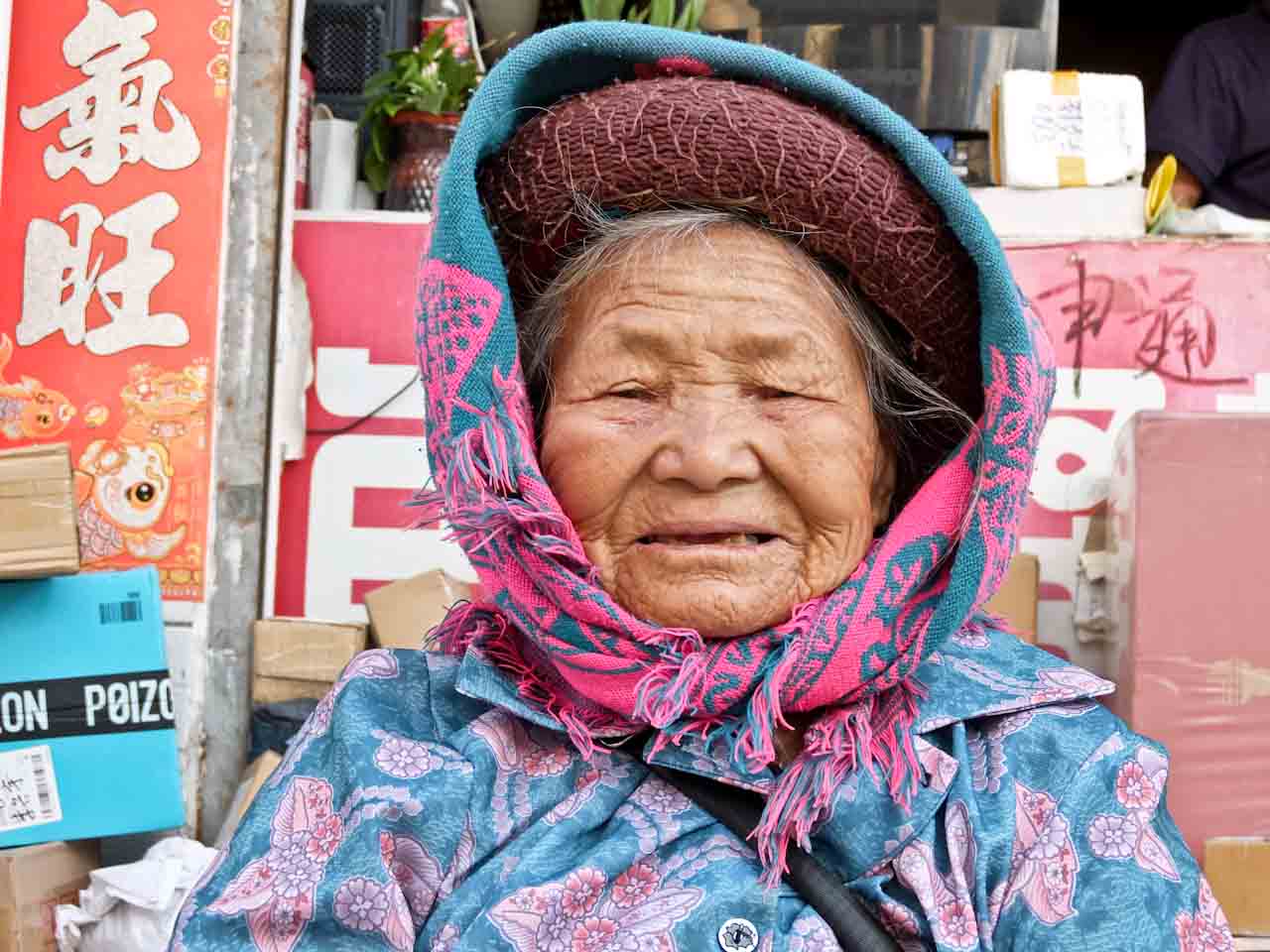
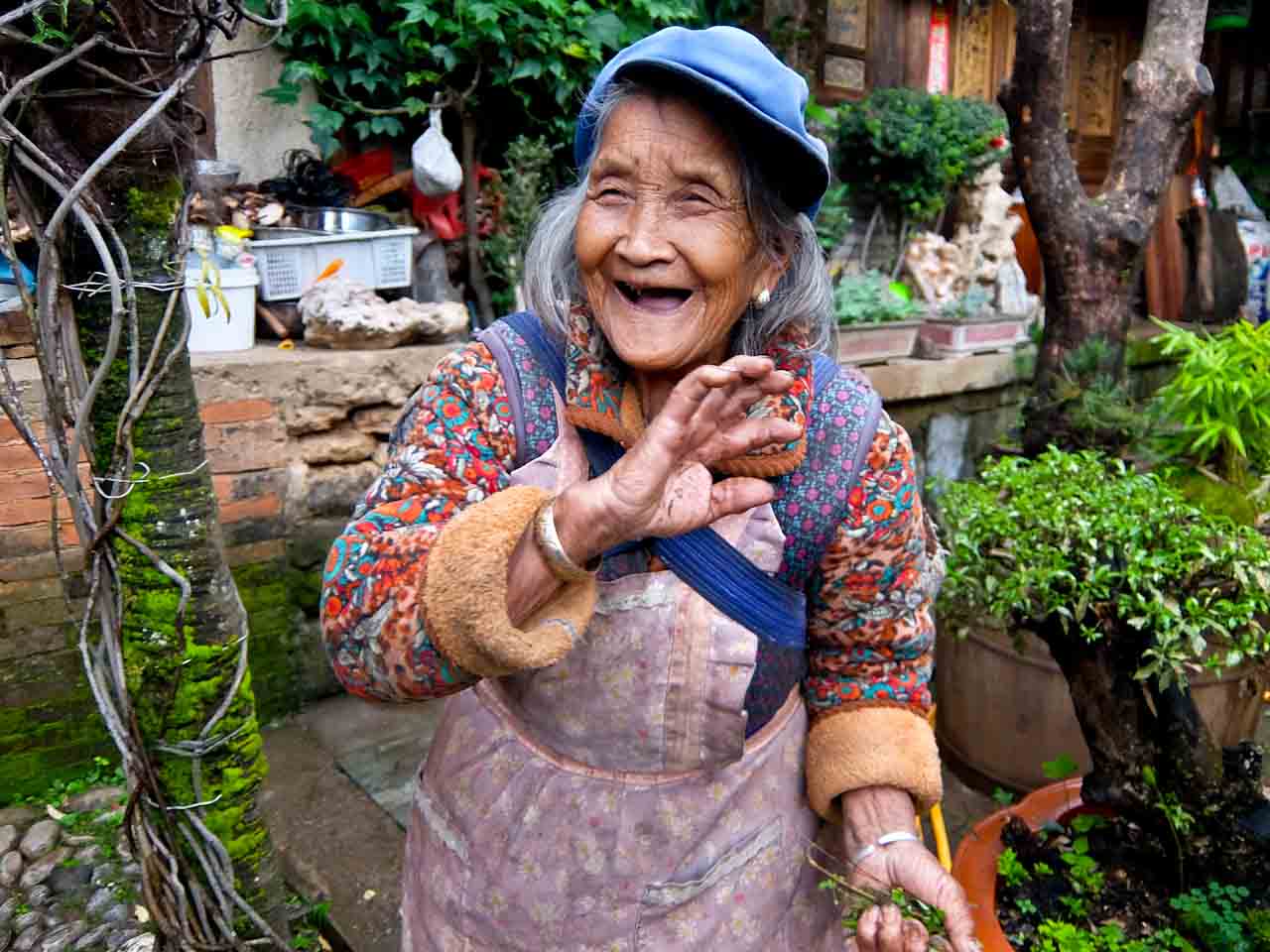
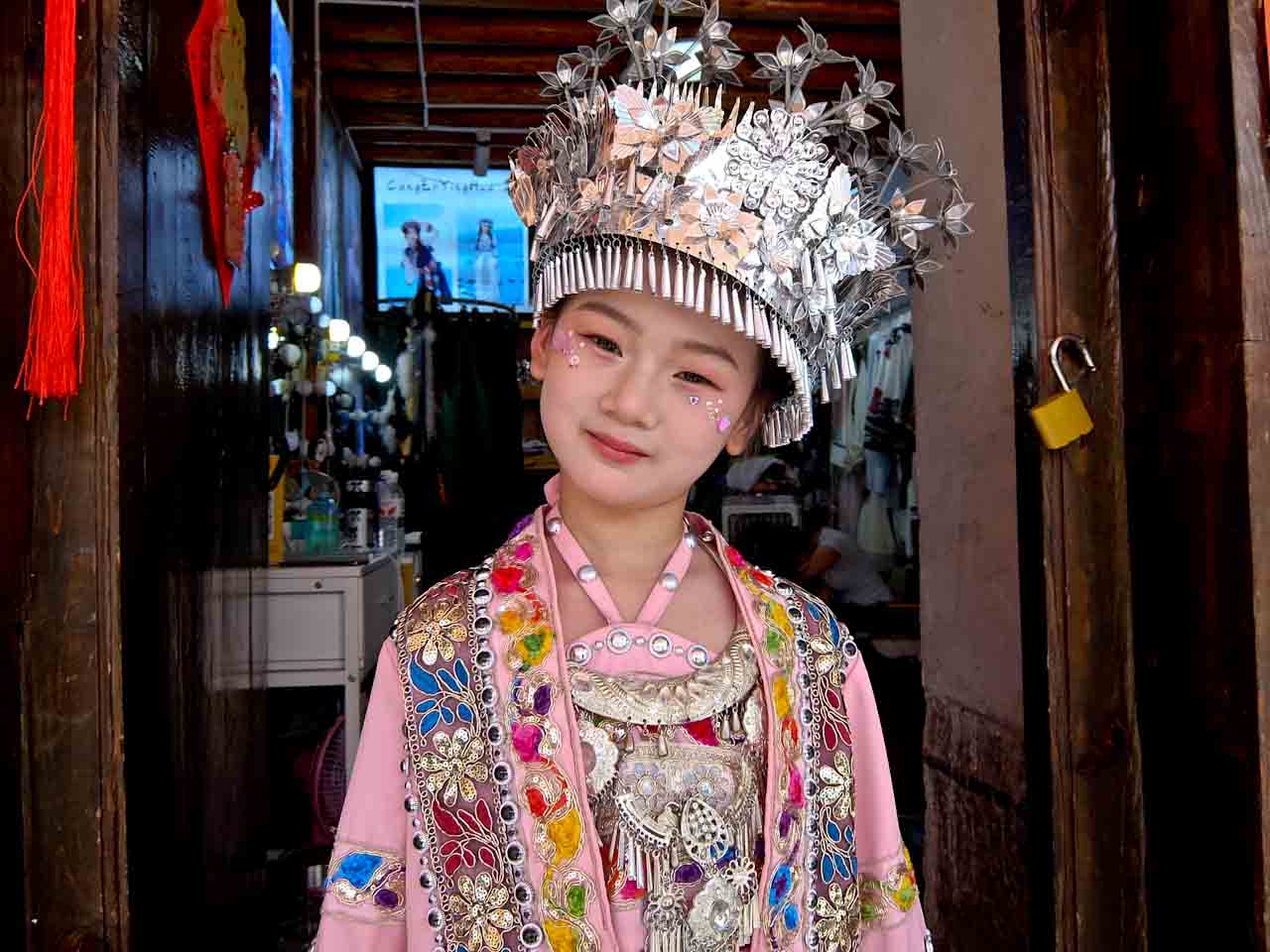
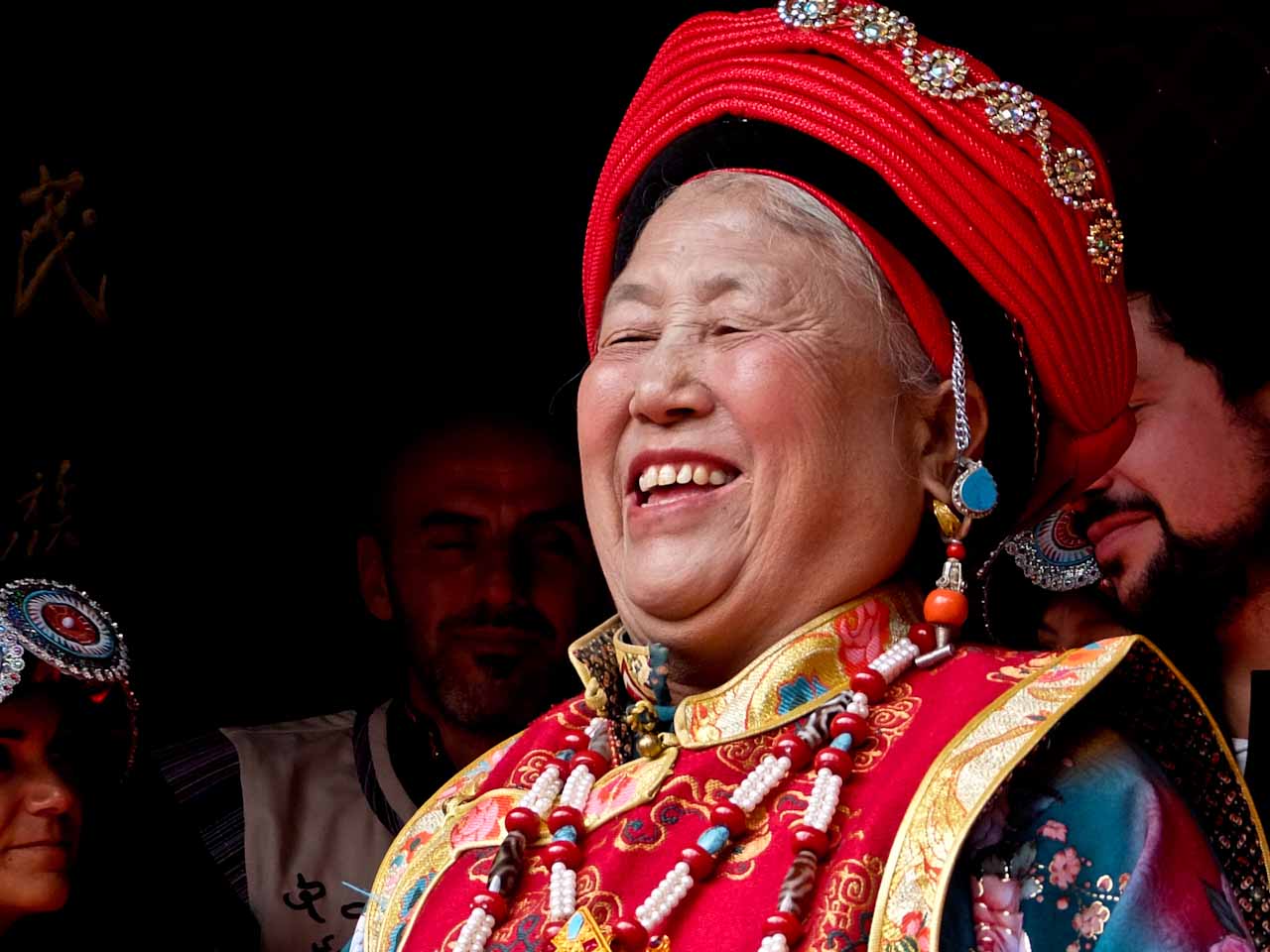
One of Yunnan’s greatest treasures is its ethnic diversity. The province is home to 25 ethnic minority groups such as the Yi, Hani, Bai, Naxi, Dai, and Tibetan peoples, each with their own languages, traditions, and crafts. Villages throughout Yunnan preserve age-old customs – from the Hani’s terraced rice farming to the Yi’s torch festivals and the Dai’s elaborate silver jewellery.
Yunnan
Yunnan
Yunnan
Yunnan
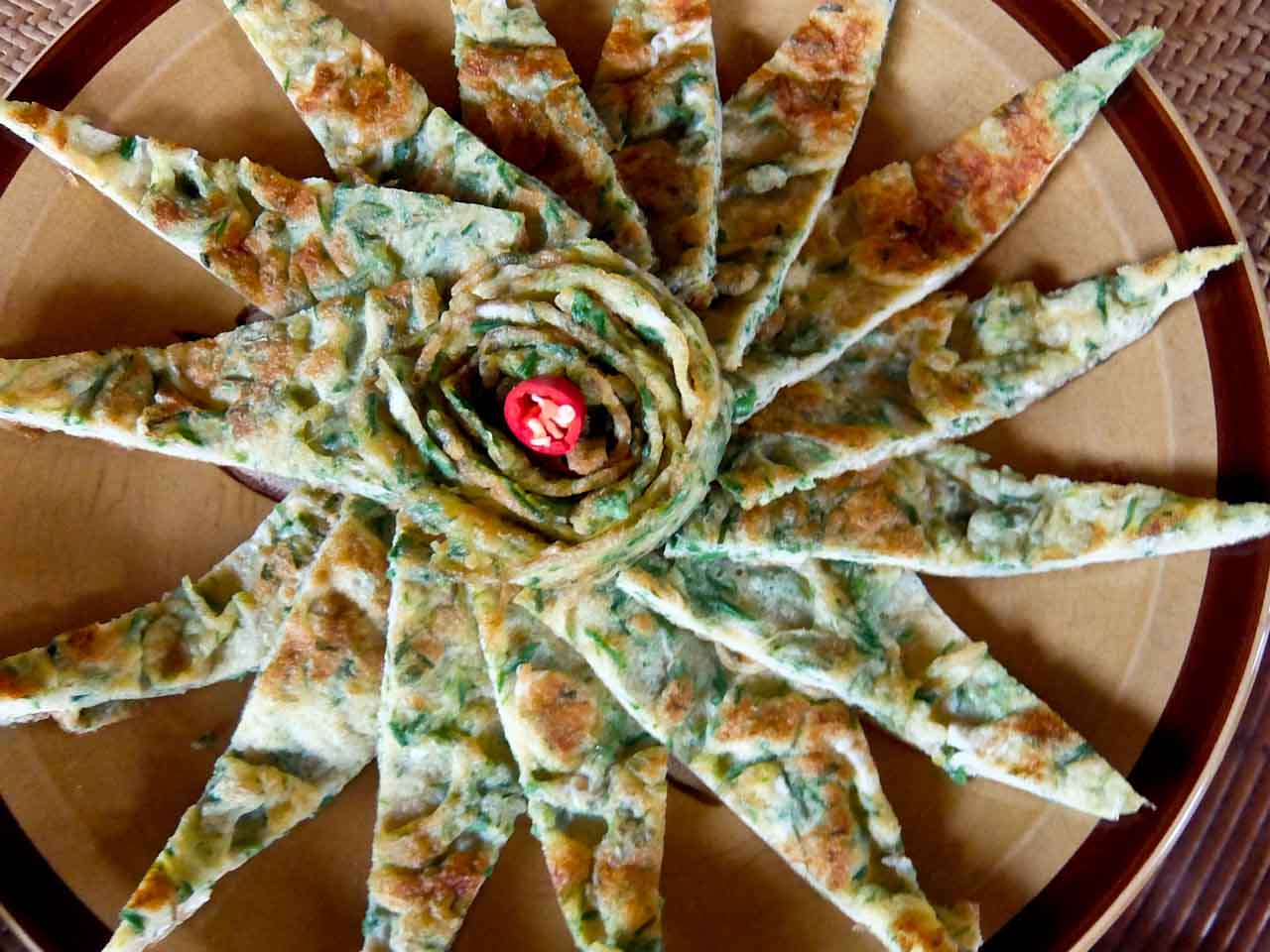
Yunnan’s markets brim with colourful textiles, hand-carved wooden wares, and local delicacies. Sampling the food is an adventure in itself: spicy mushroom hotpot, grilled goat cheese, rice noodles, and Pu’er tea from the ancient tea mountains near Simao and Menghai.
Breads
Yunnan
Yunnan
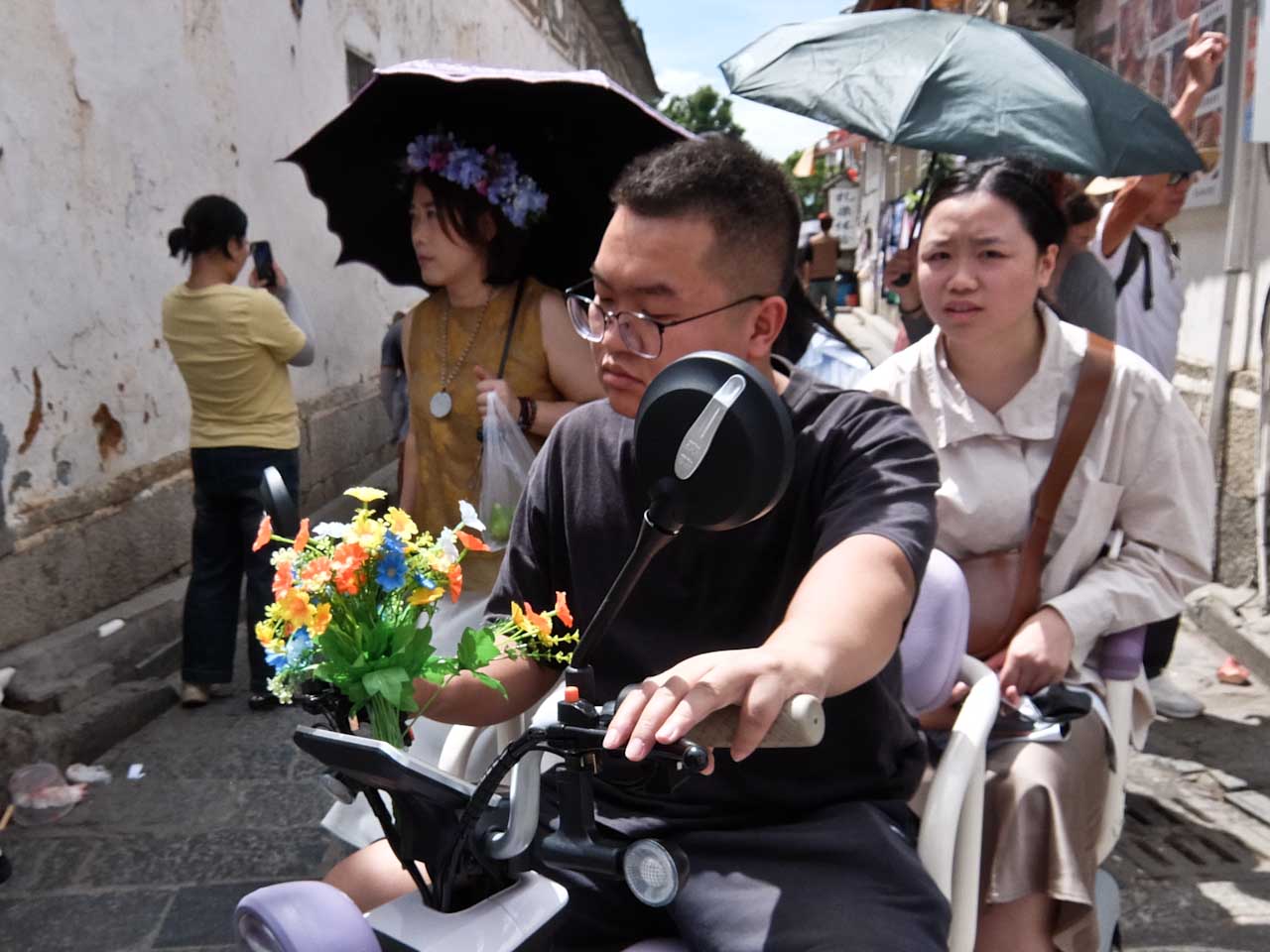
I first visited China in 1977, just as it was opening up to Westerners and, after Tibet, spent the rest of my time in Yunnan. This is therefore a wonderful opportunity to see how things have changed. Back then both Dali and Lijiang old towns were where people lived and worked. Fortunately they’ve been spared the relentless Chinese push for the modern, but tourists have replaced the locals.
Dali
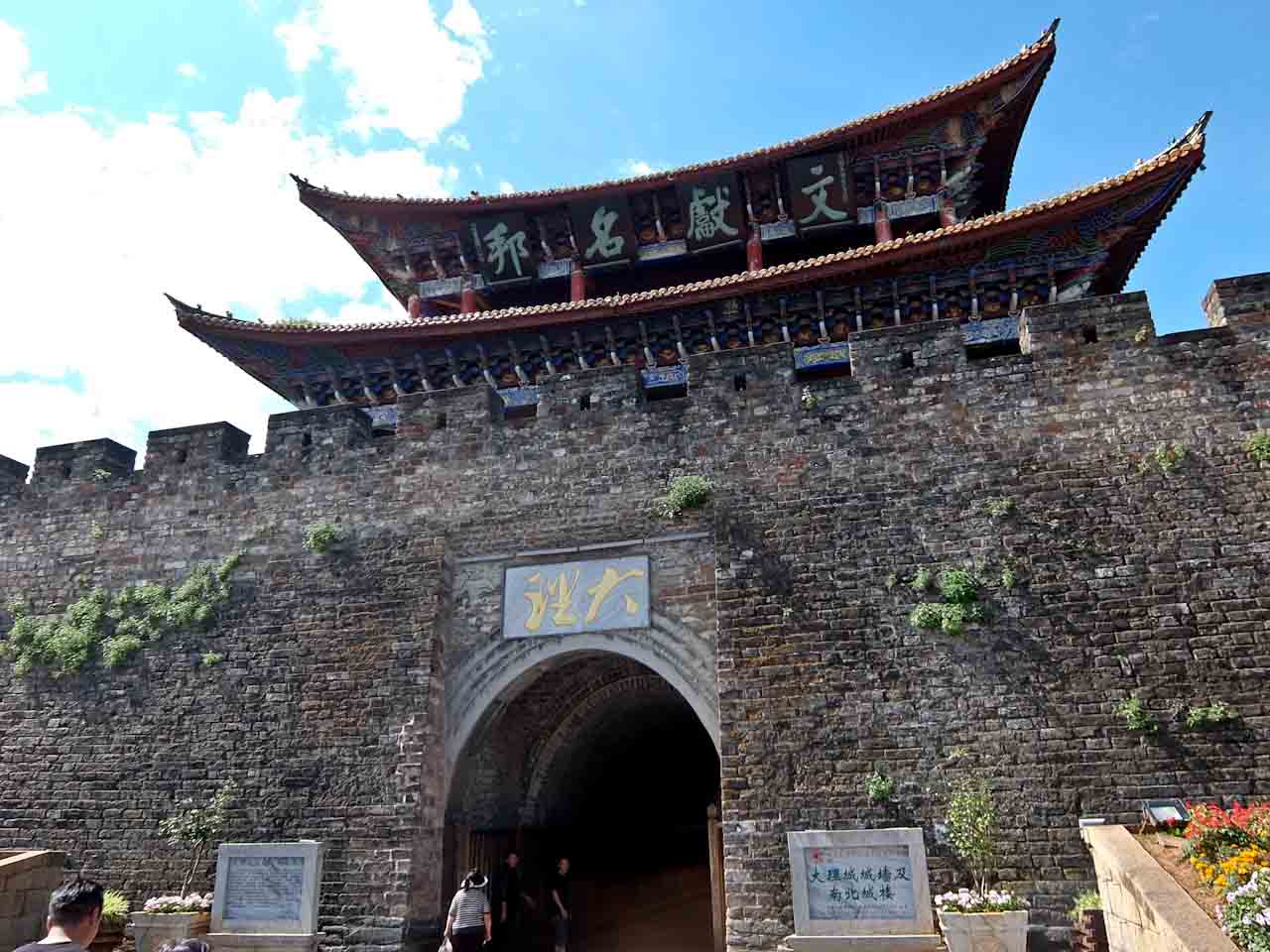
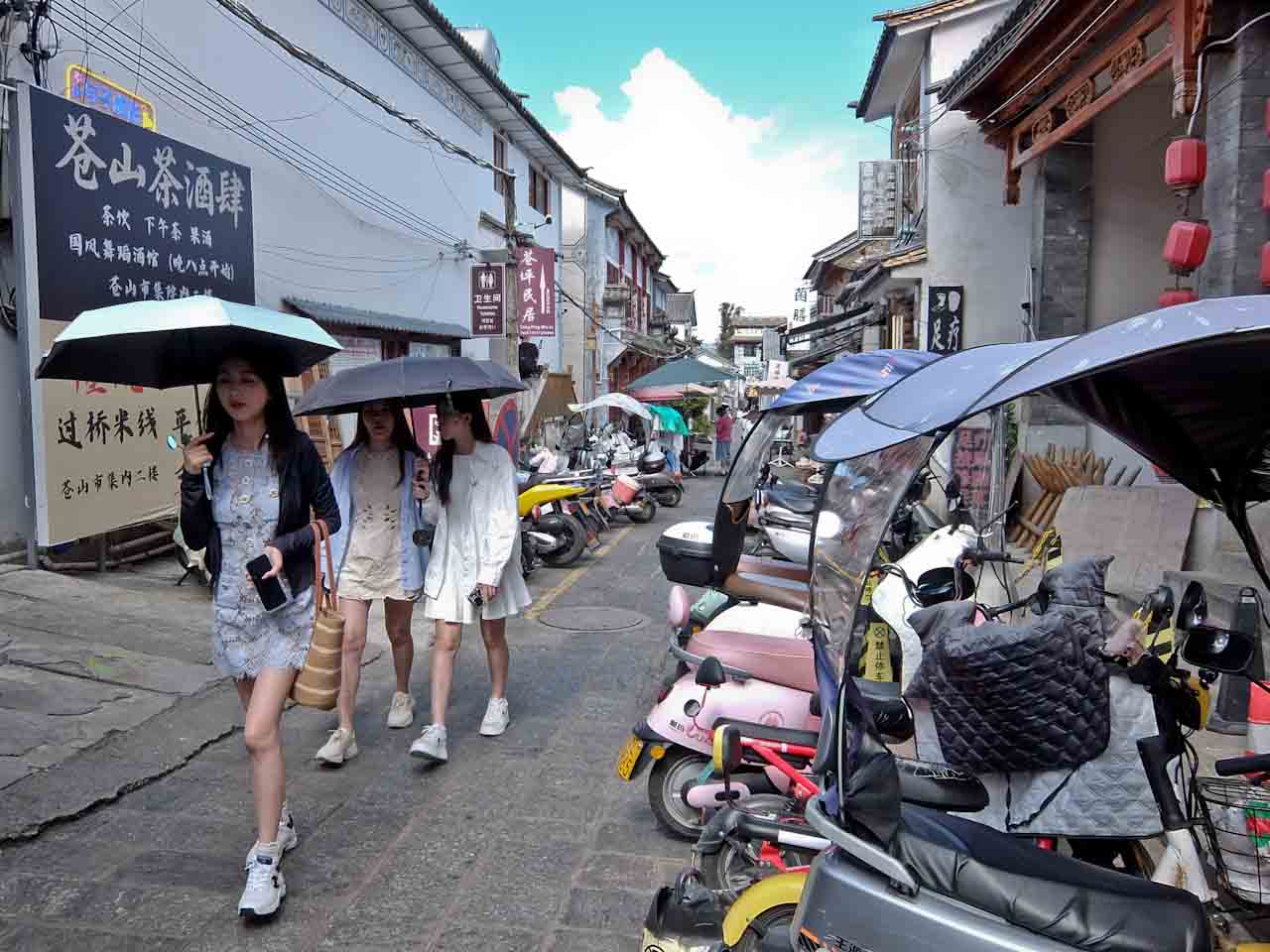
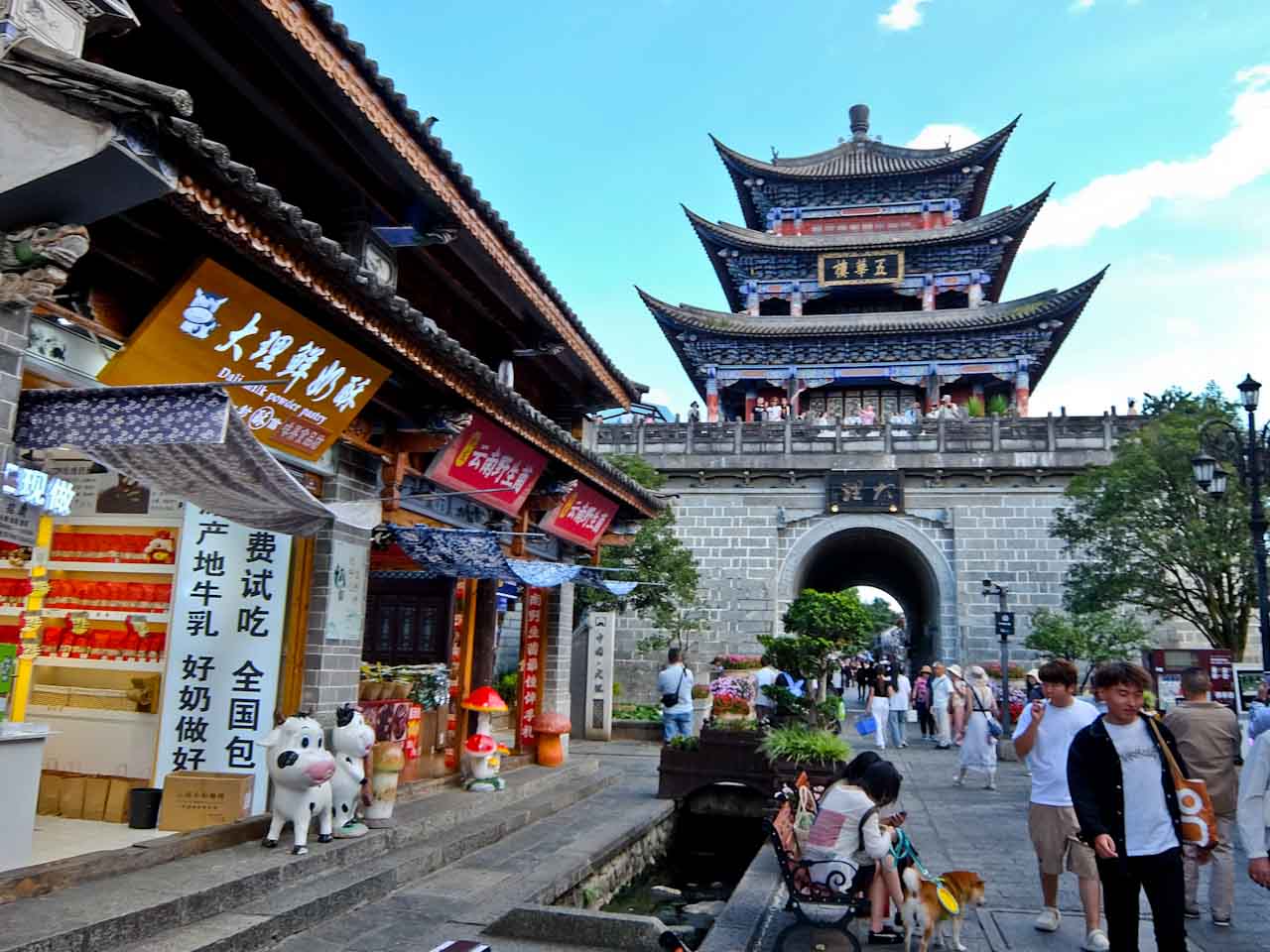
A few hours northwest of Kunming, Dali is set between Erhai Lake and the snow-dusted Cangshan Mountains. Once a thriving stop on the Tea Horse Road, the old town is lined with cobblestone streets, traditional Bai-style houses, and bustling cafes and restaurants.
Dali
Dali
Dali
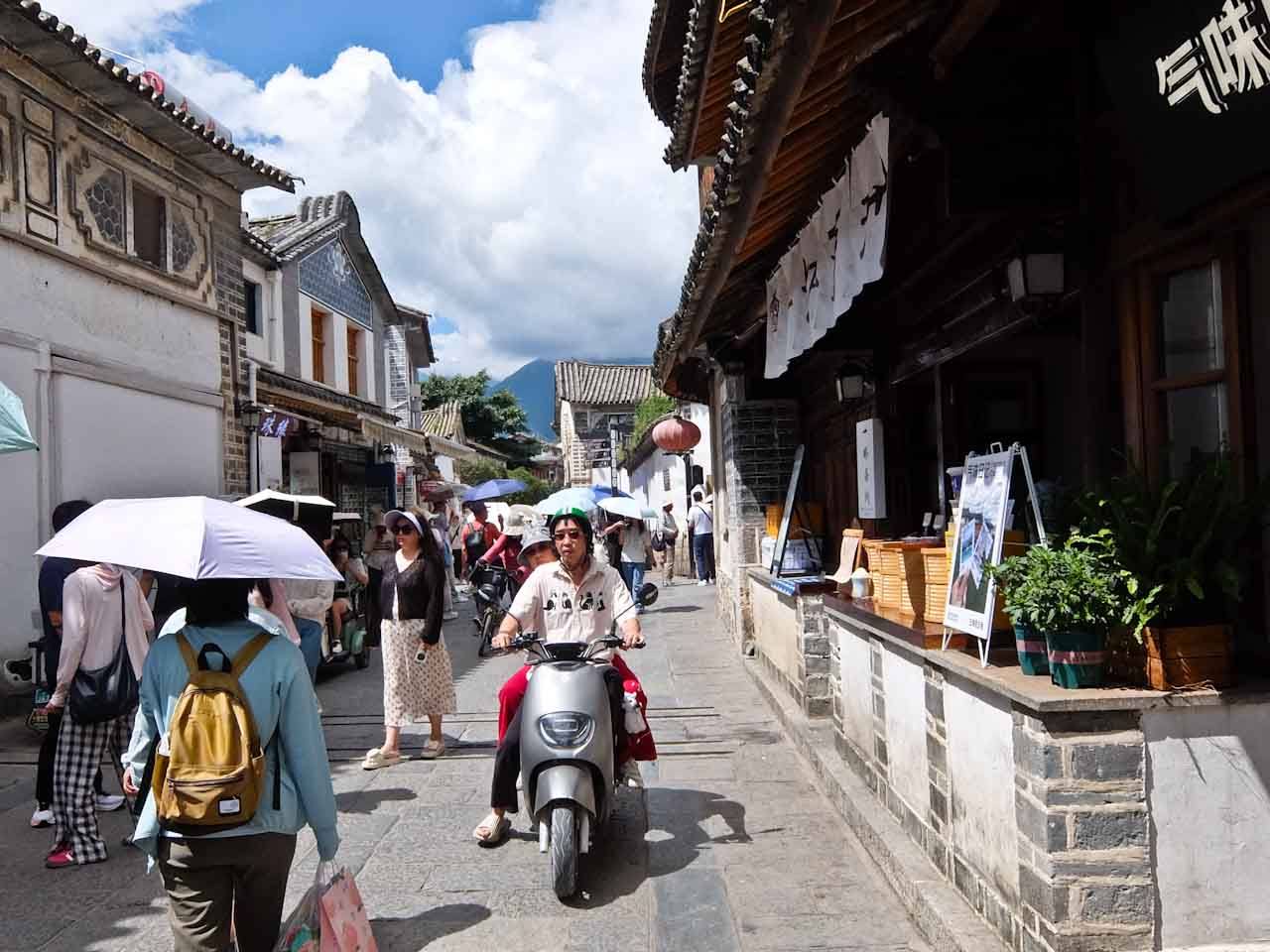
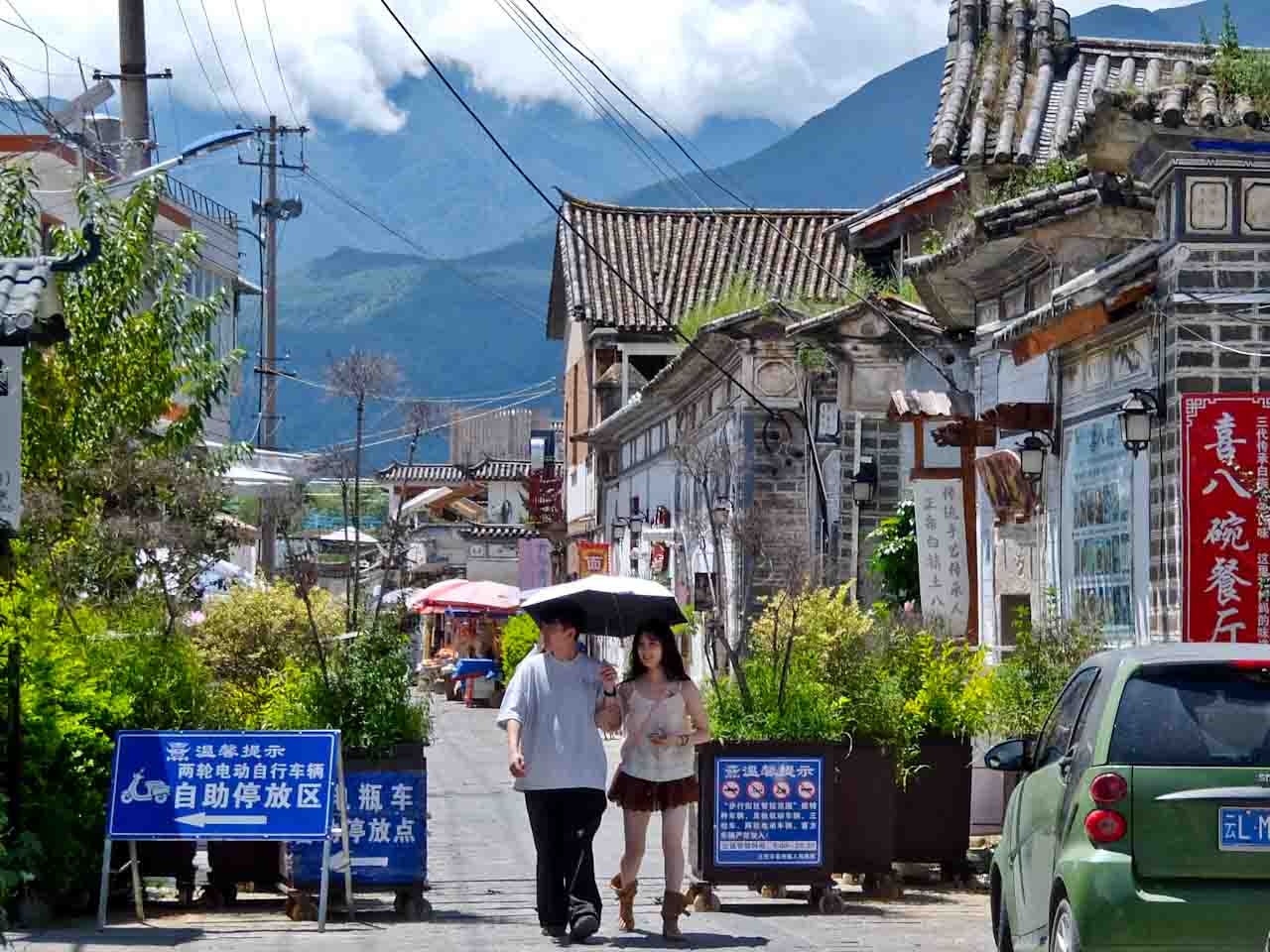
Built in 1382 during the Ming Dynasty, the streets are laid out like a chessboard, with the traditional south and north gates set opposite and the east and west gates slightly staggered. The main streets link these with a series of narrow alleys branching off. It’s known as “Nine Streets and Eighteen Alleys,” reflecting the town’s unique urban fabric.
Dali
Dali
Dali
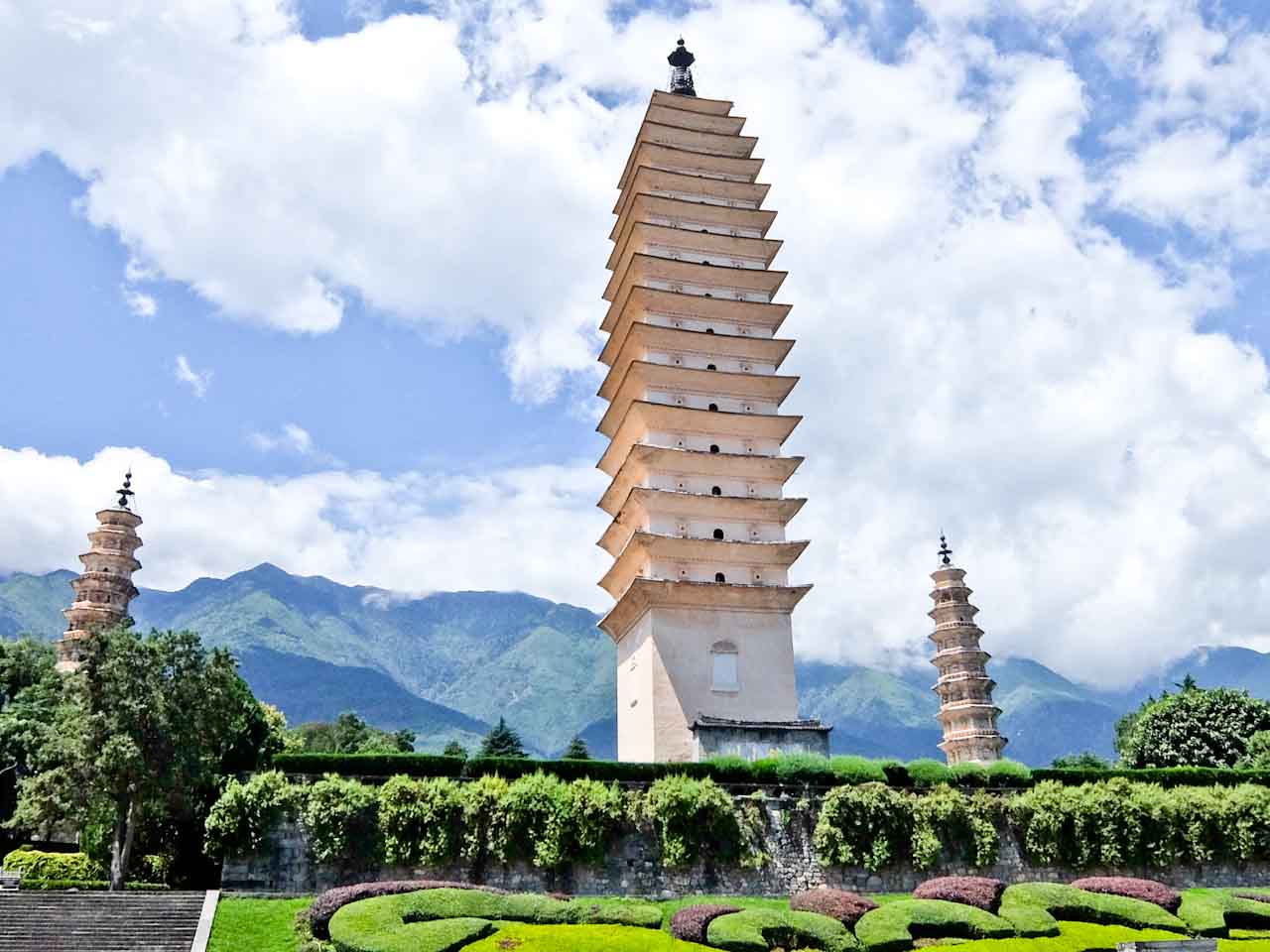
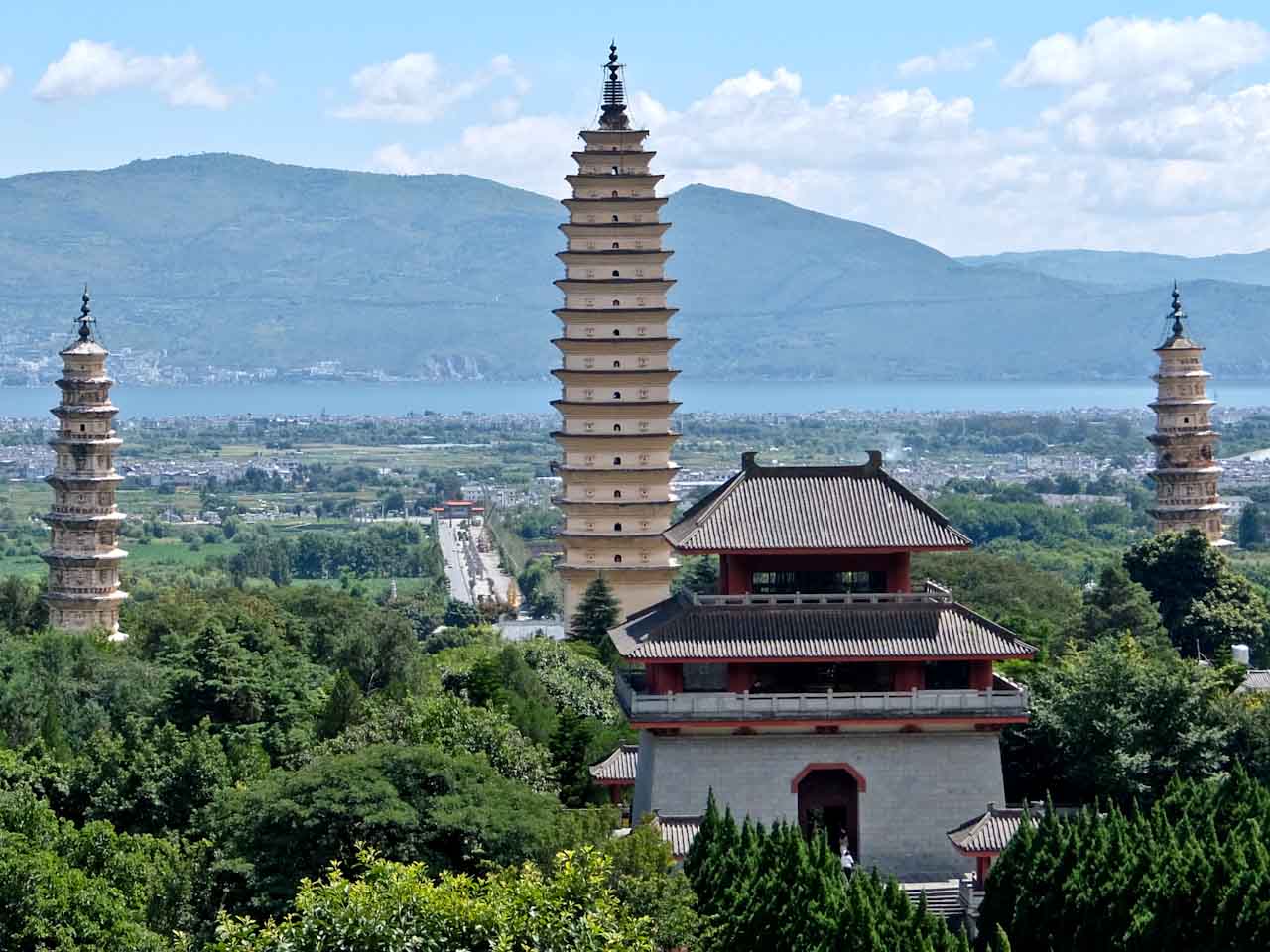
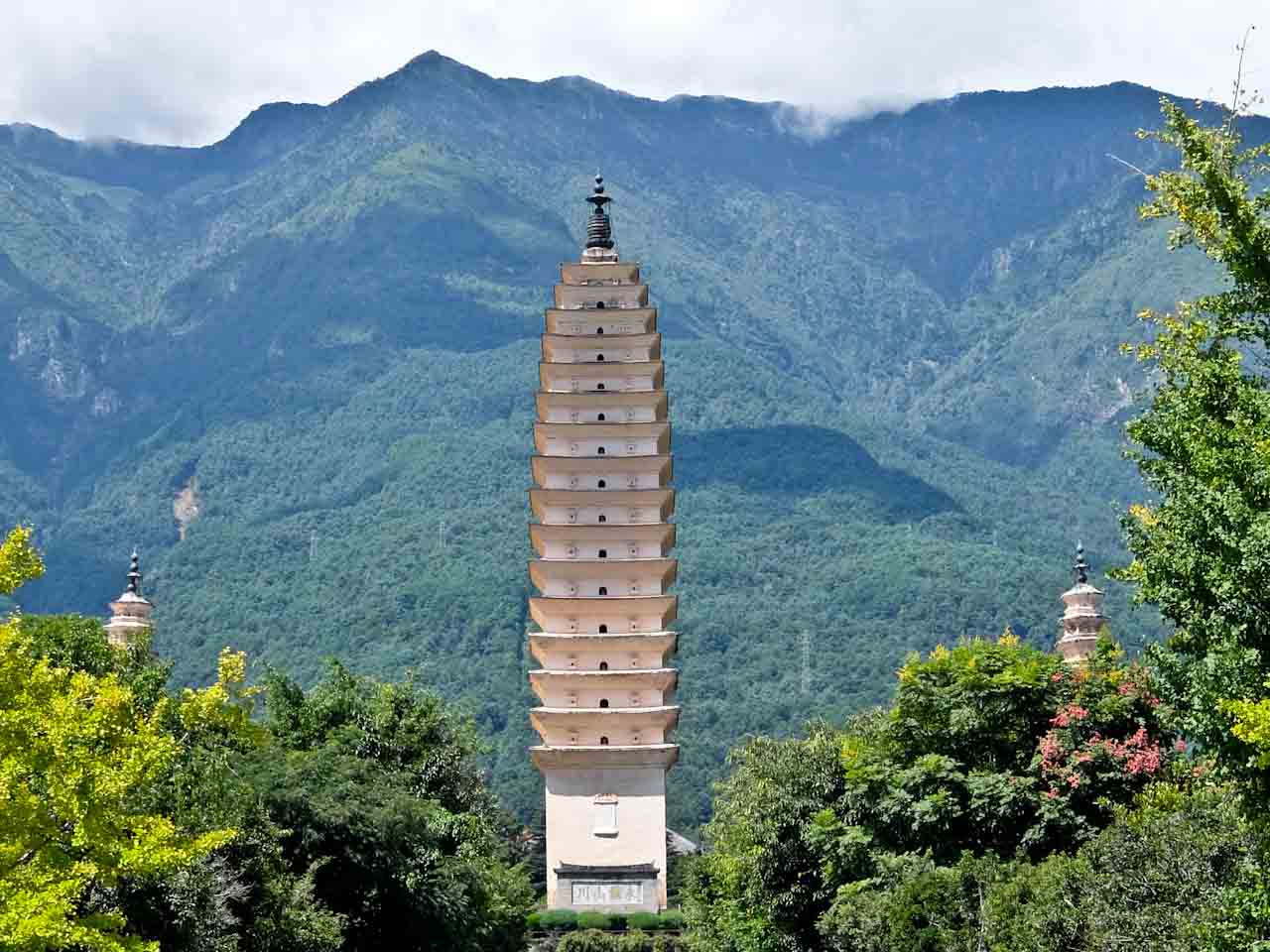
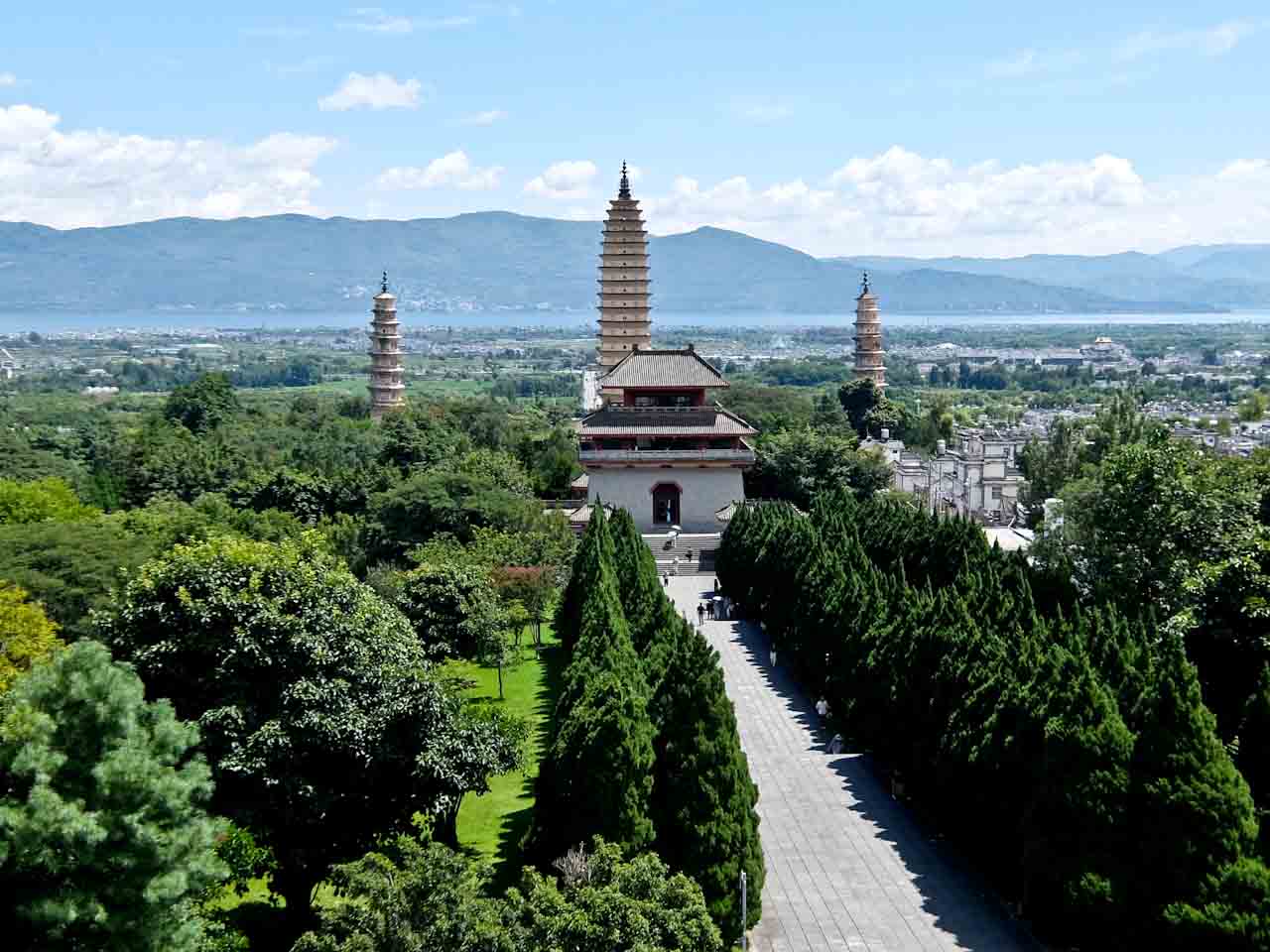
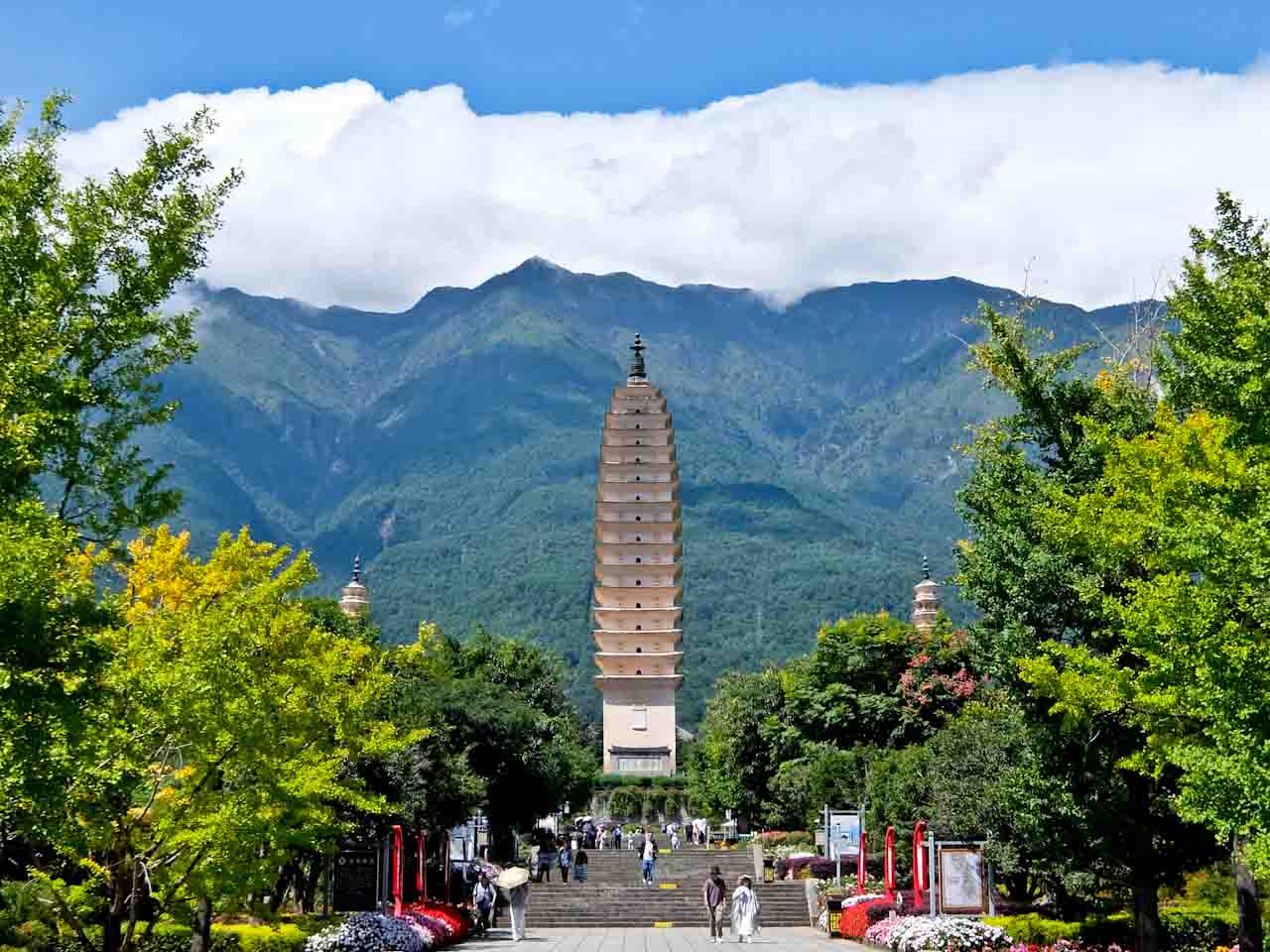
Just outside, the iconic Three Pagodas of Chongsheng Temple, dating back over a thousand years, provide a striking backdrop against the mountains. Built during the Tang Dynasty, the central pagoda, Qianxun, rises nearly 70m and has withstood earthquakes, wars, and centuries of change.
Erhai Lake
Erhai Lake
Erhai Lake
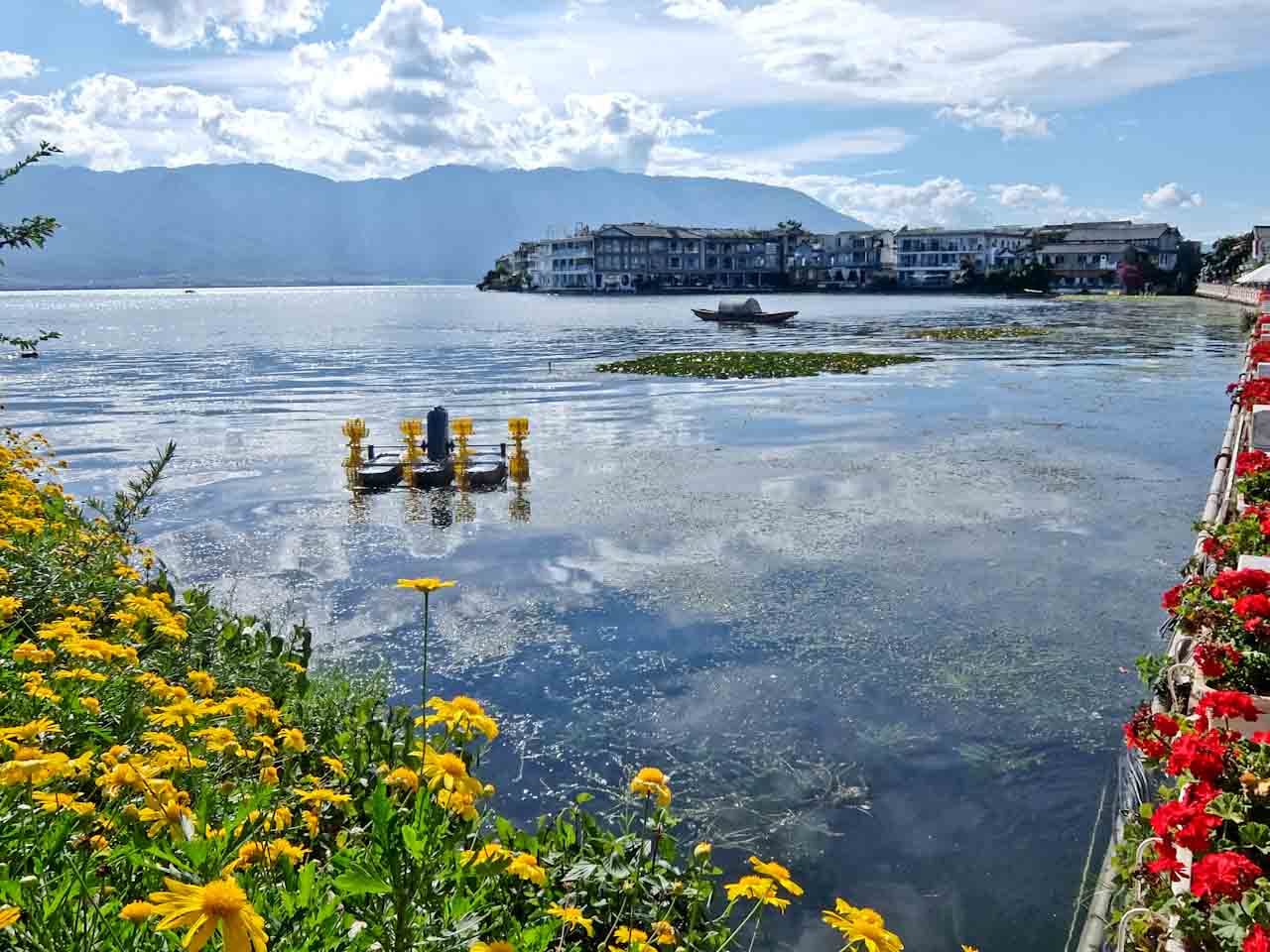
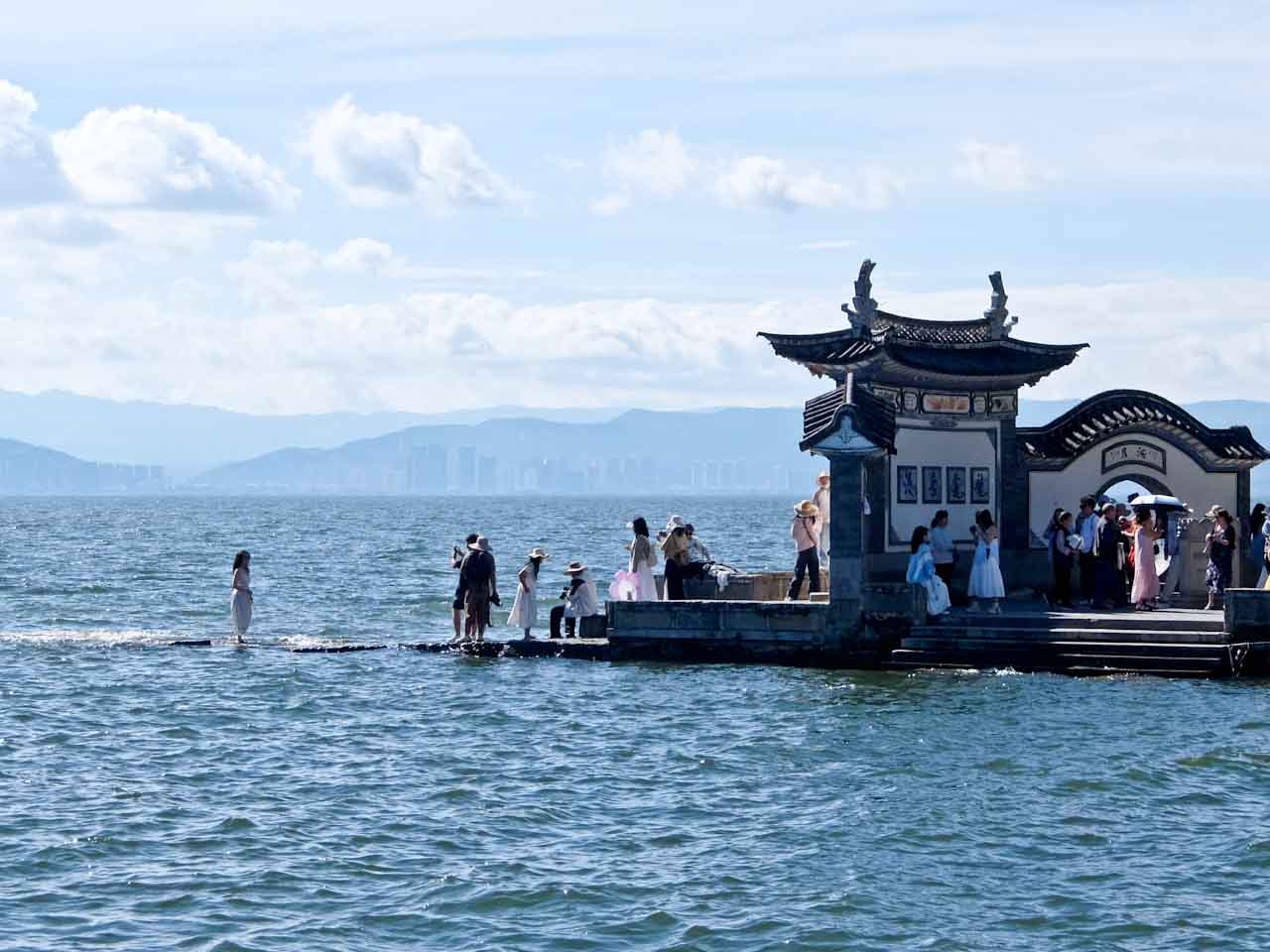
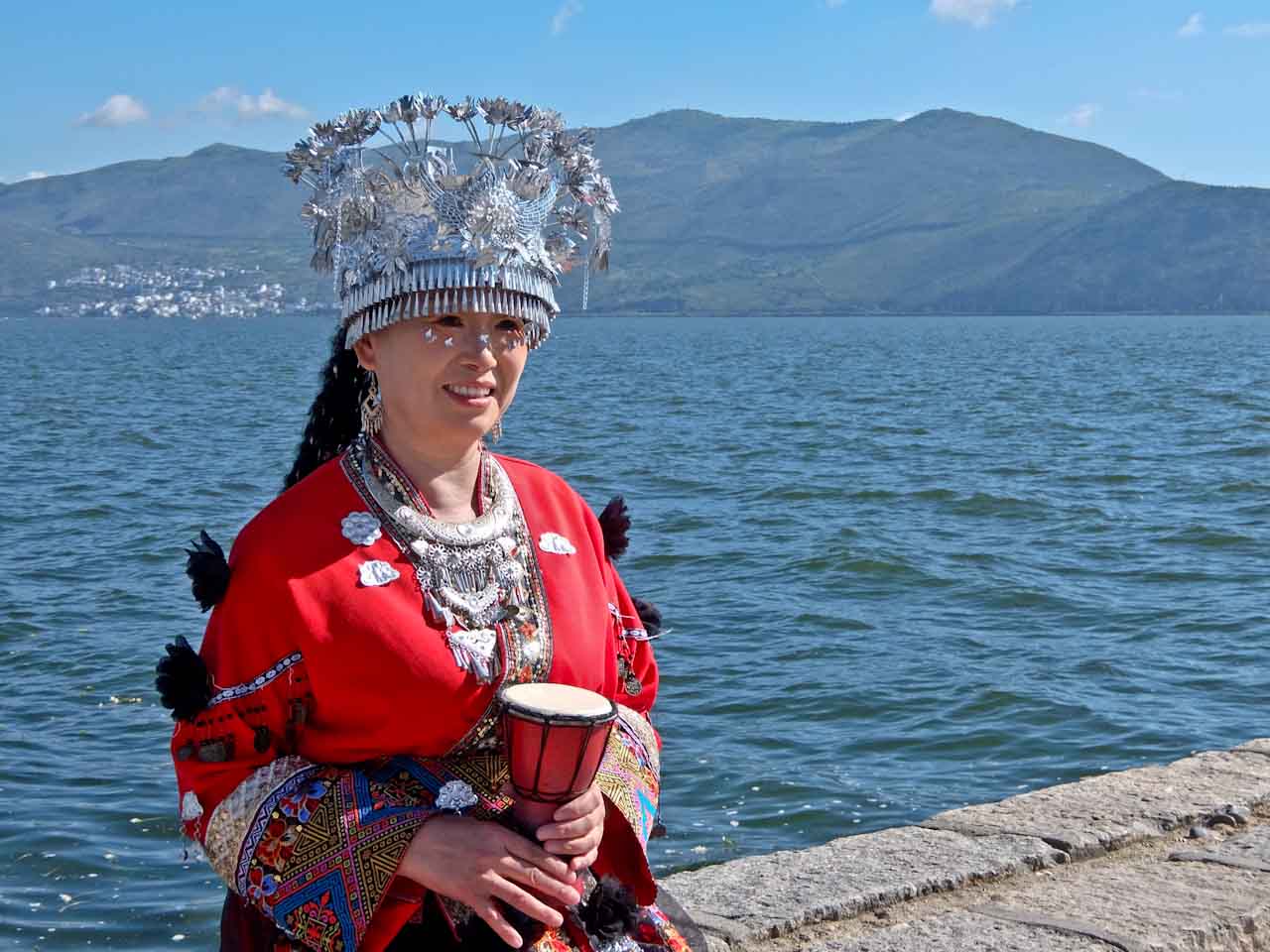
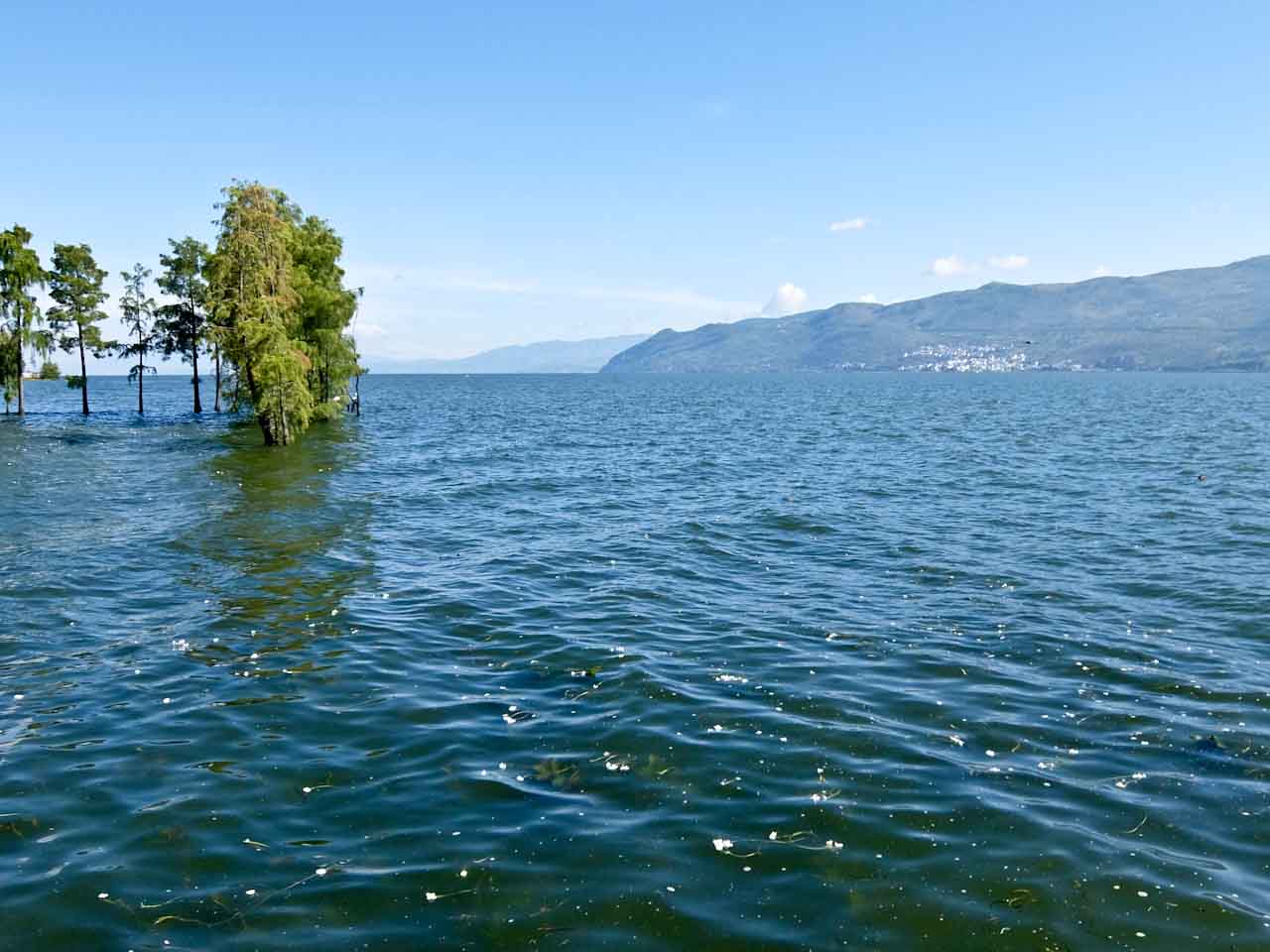
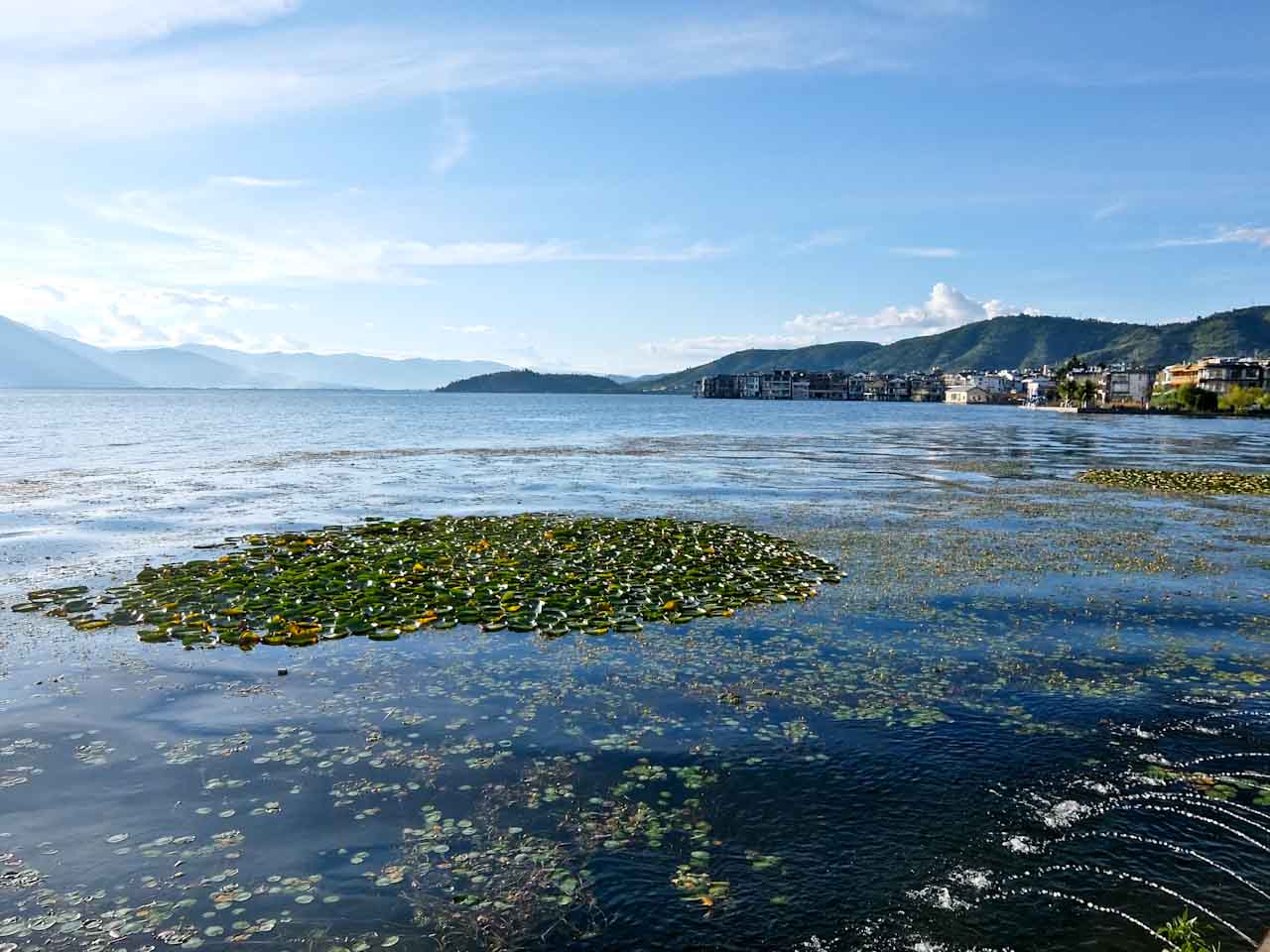
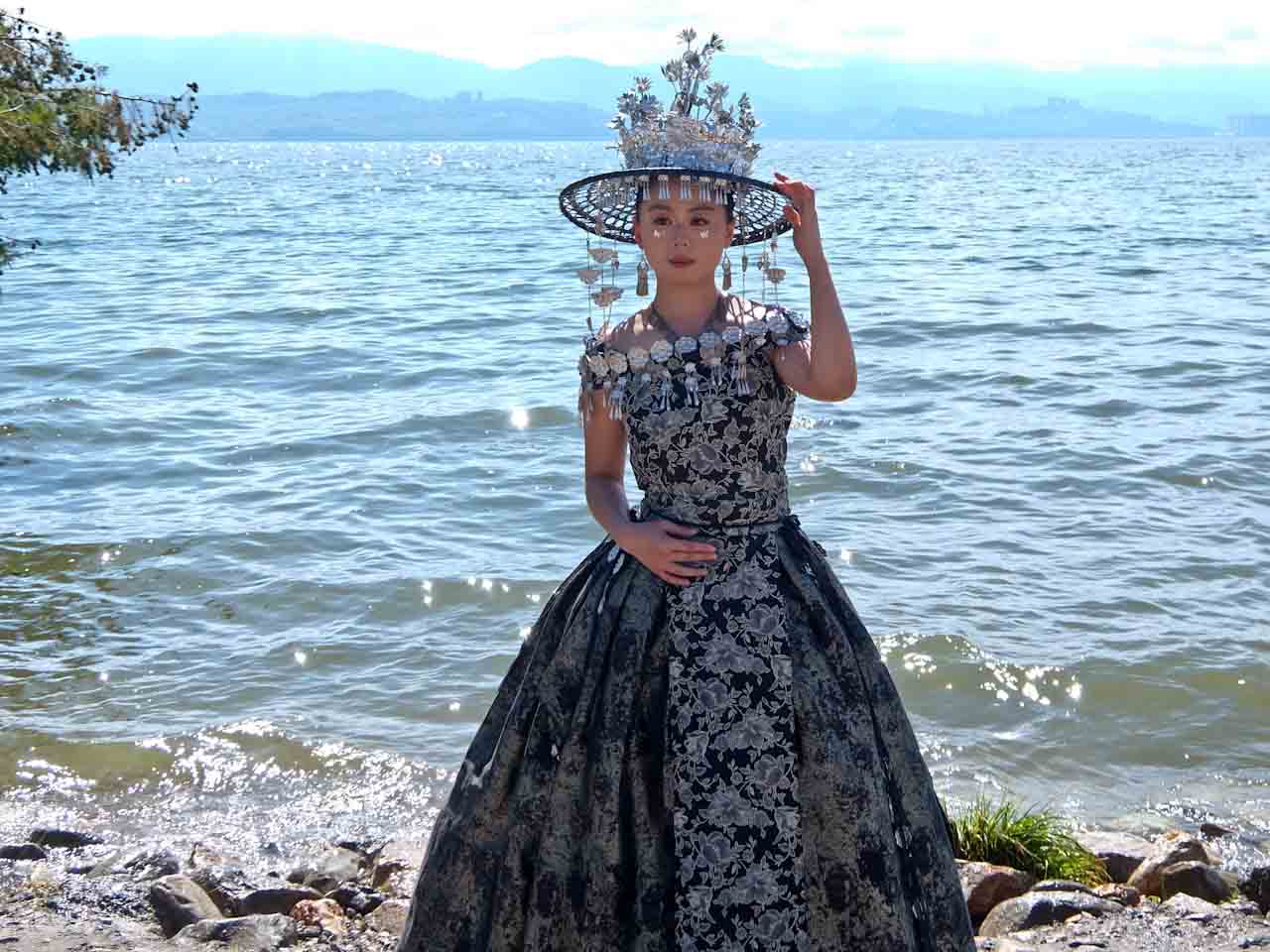
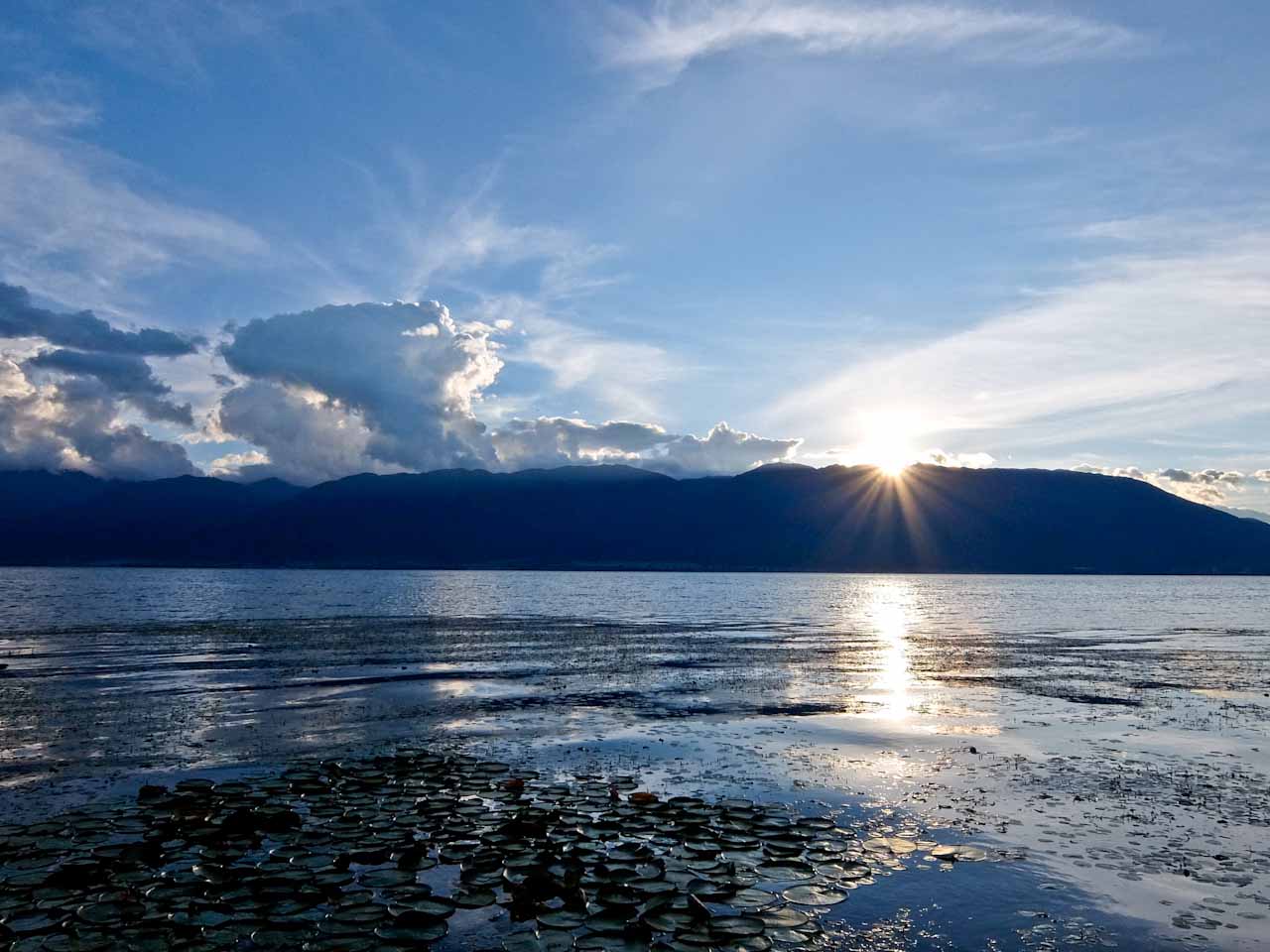
Dali is also a base for exploring the surrounding Bai minority villages, where visitors can experience traditional crafts, colourful festivals, and hearty local cuisine. A cycling trip around Erhai Lake passes through fishing villages, fields of rapeseed flowers, and quiet monasteries with sweeping views across the water.
Erhai Lake
Erhai Lake
Erhai Lake
Majiuyi Village, located in the town of Yinqiao in Dali, boasts stunning lakeside views and is surprisingly unspoilt. It’s home to the Bai ethnic group and sits in the middle of Erhai’s western shore, famously known as the Maldives of Dali.
Xizhou
Xizhou
Xizhou
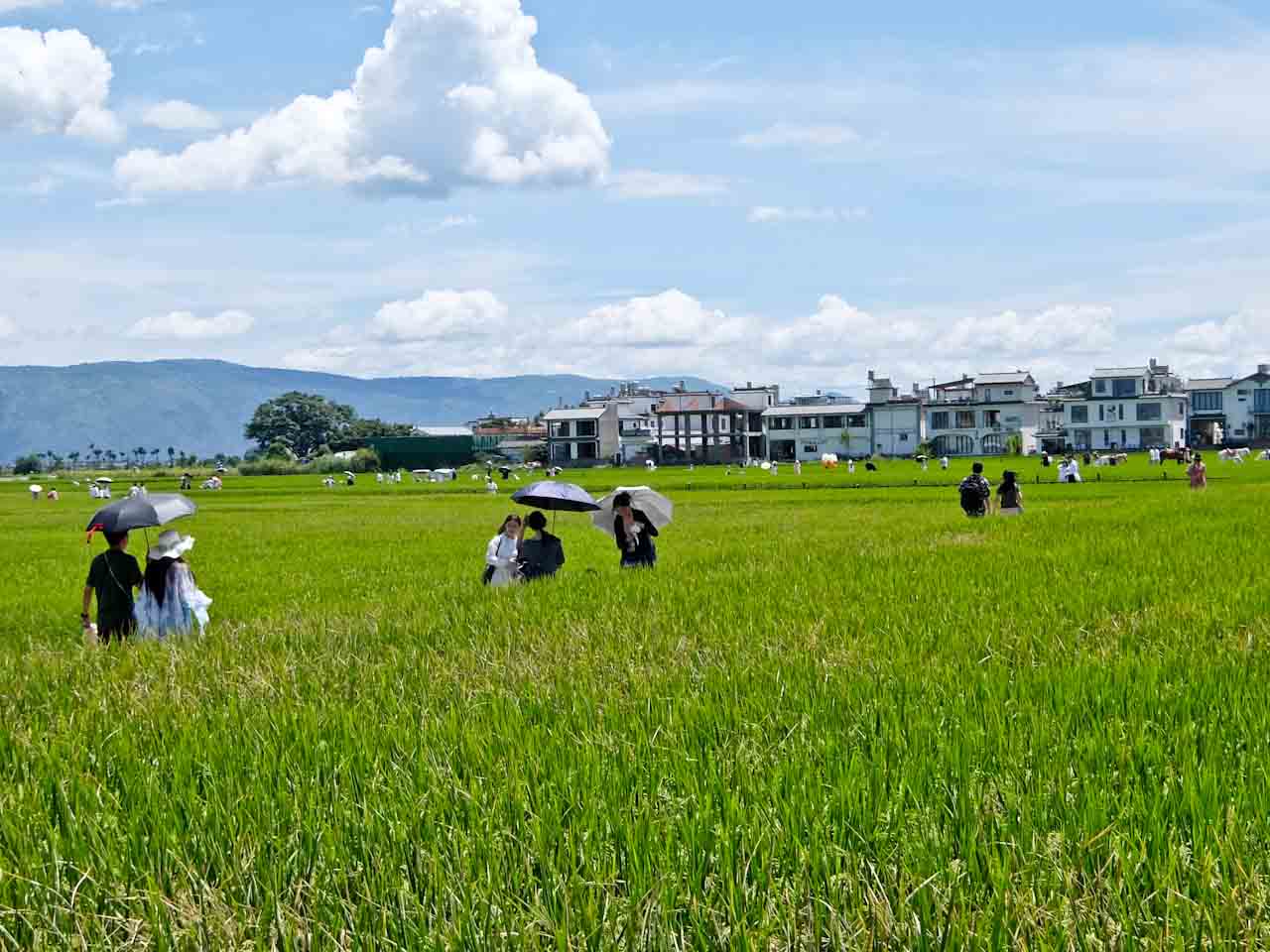
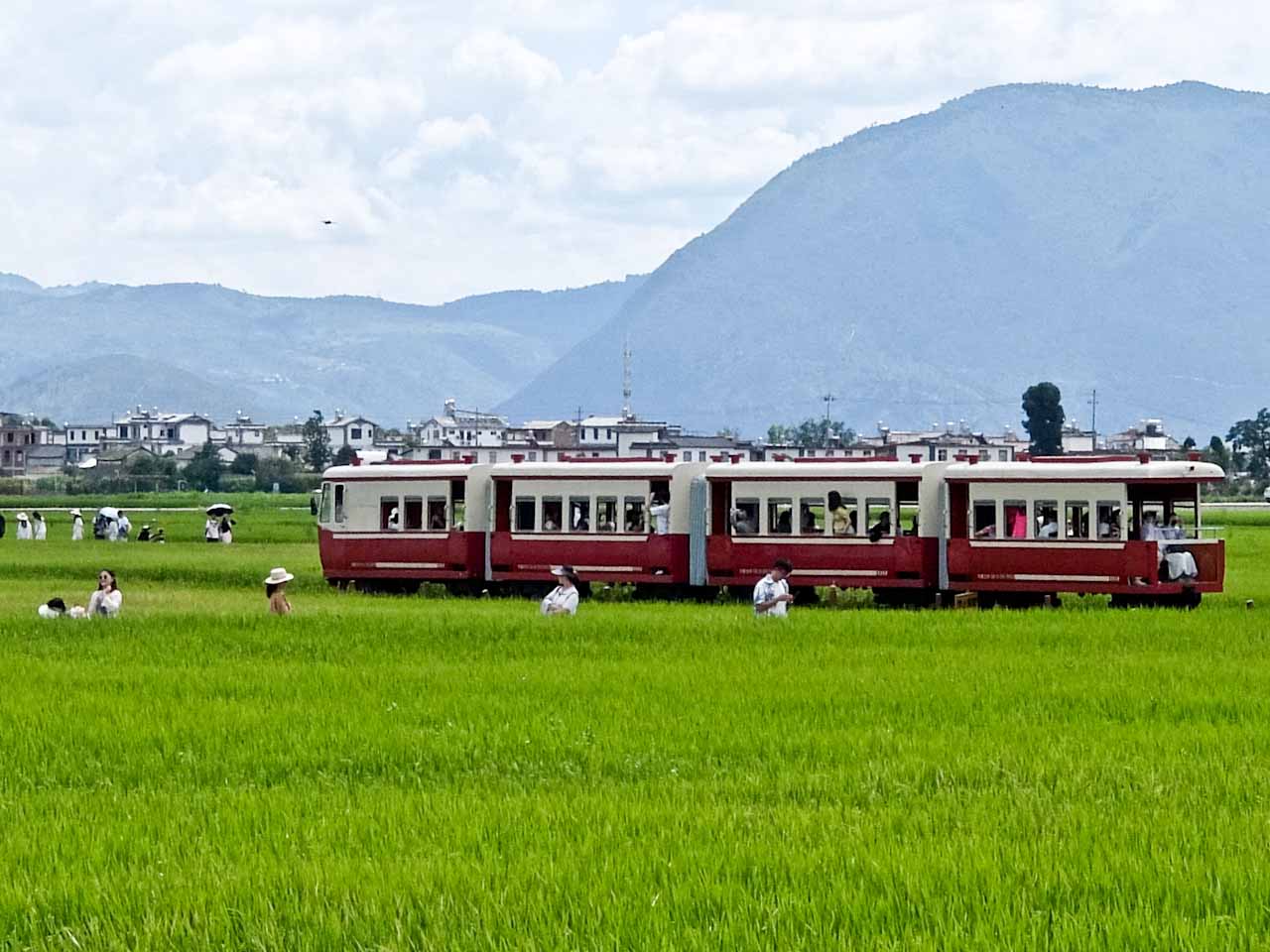
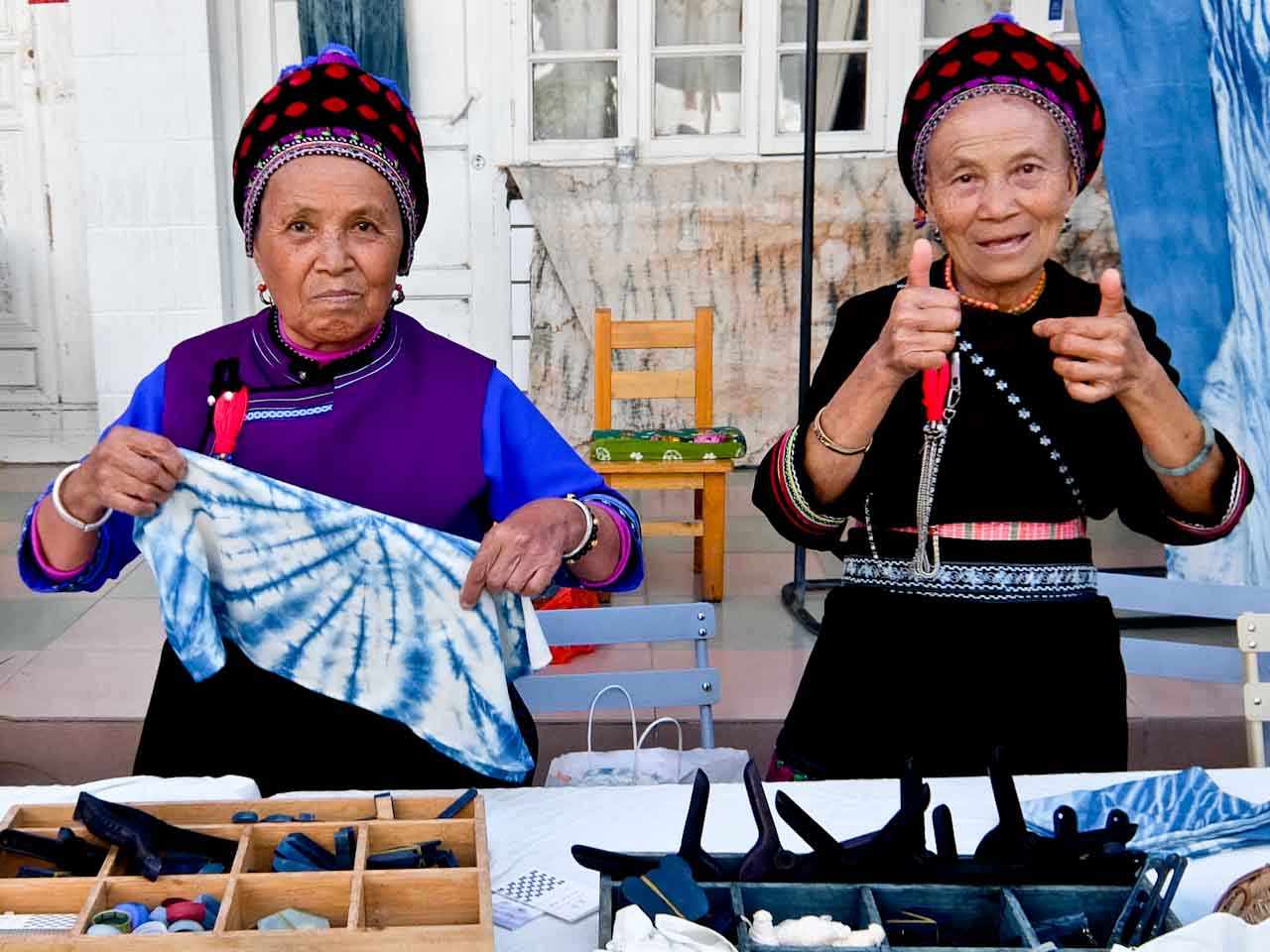
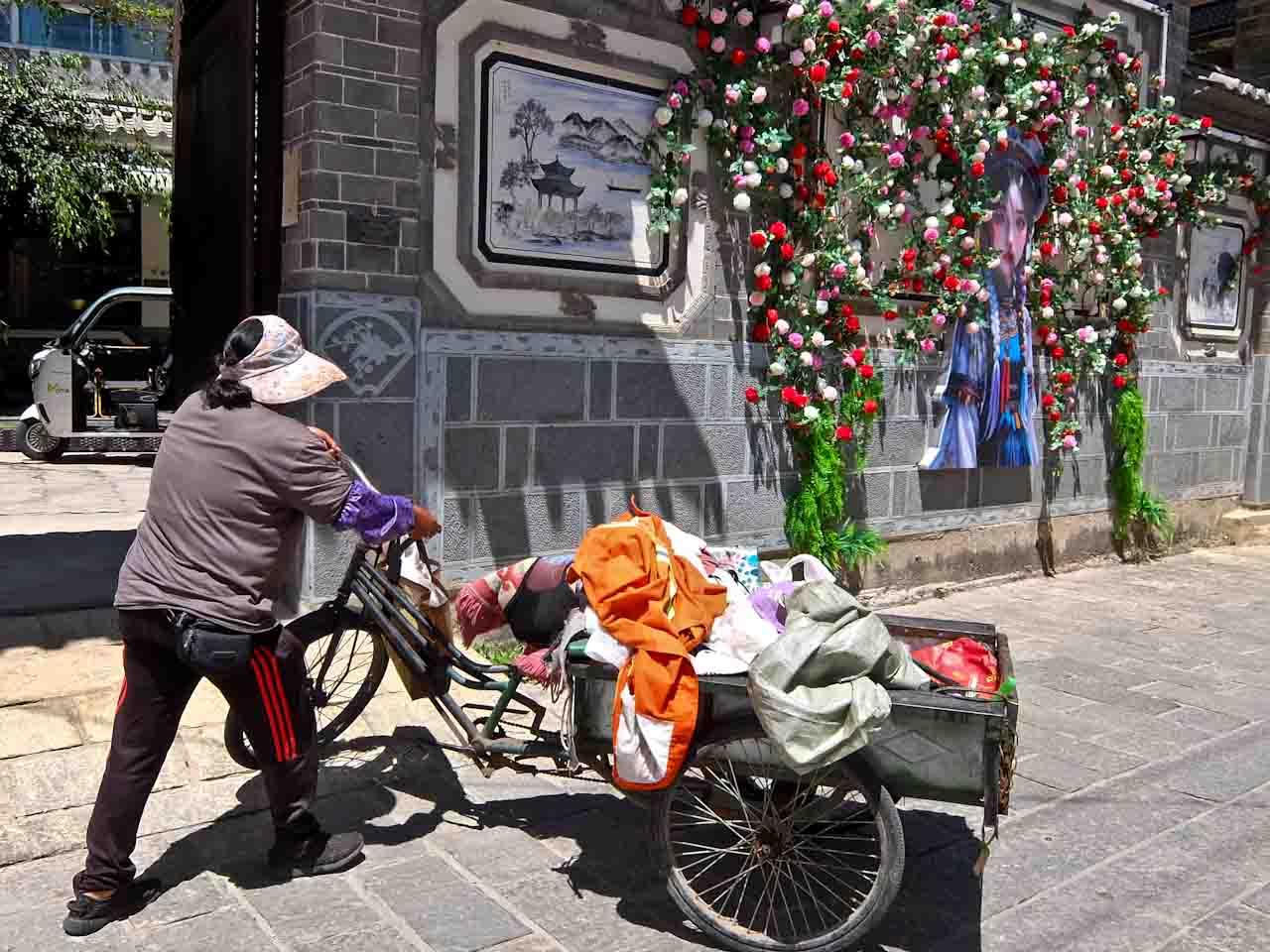
Xizhou Village is surrounded by vast rice fields, with a tourist train running through. Its Old Street is 30m long and features more than 10 artisan establishments, including a clay sculpture studio, pottery workshop and a winery. You can try your hand crafting traditional toys, tie-dyeing fabrics, moulding decorative roof-tile cats or crafting pottery.
Xizhou
Xizhou
Xizhou
Lijiang
Lijiang
Lijiang
Lijiang
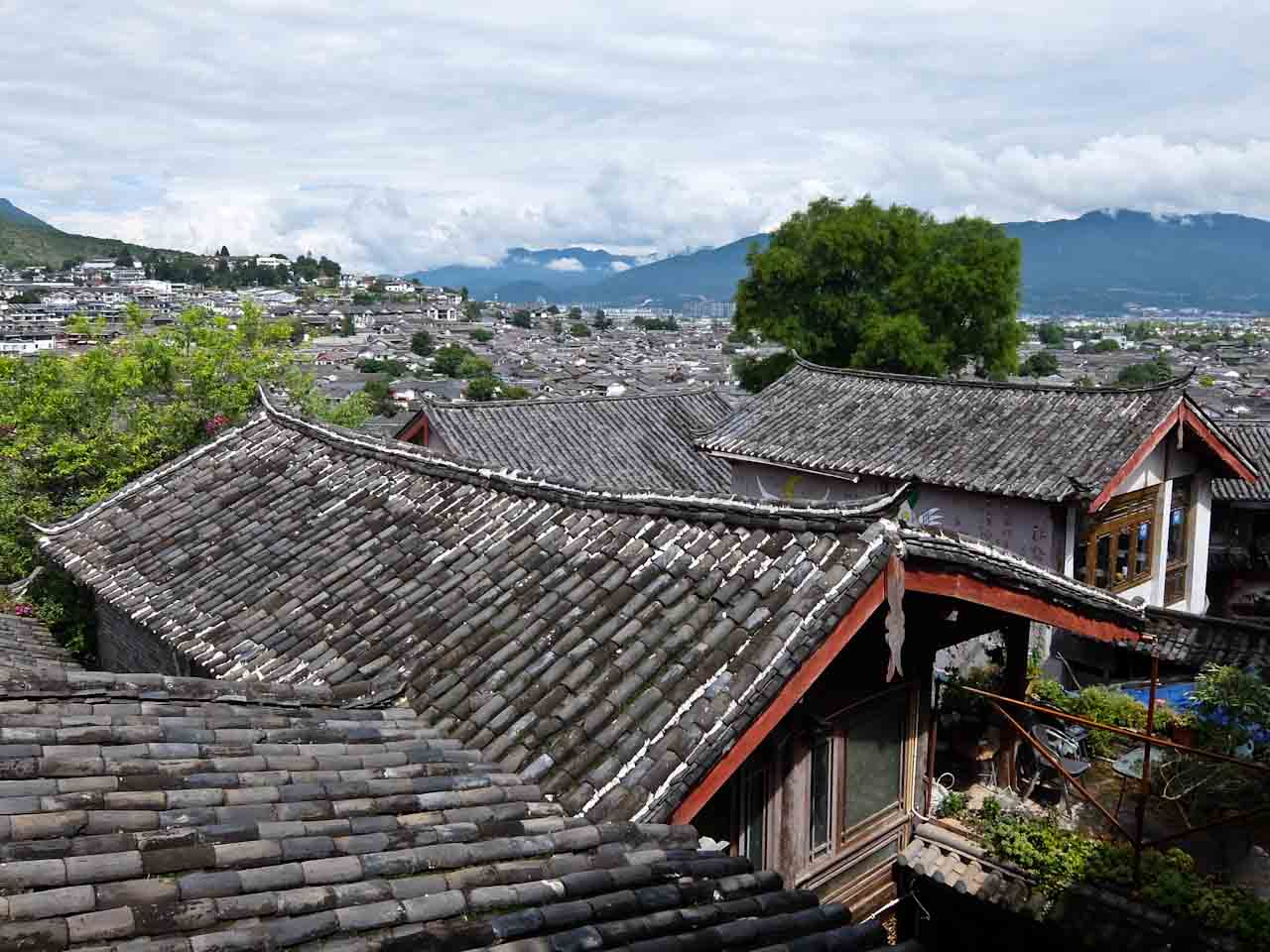
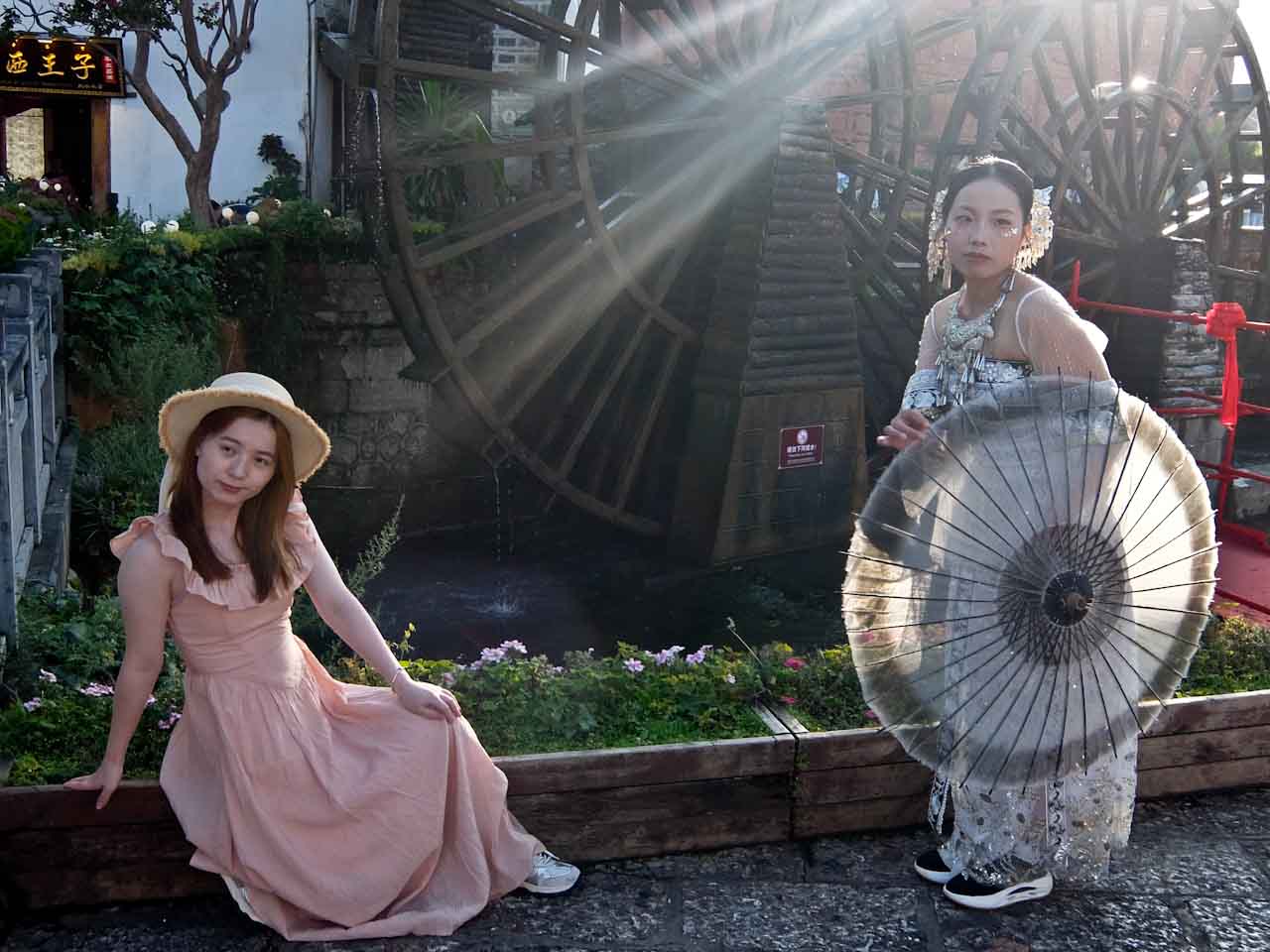
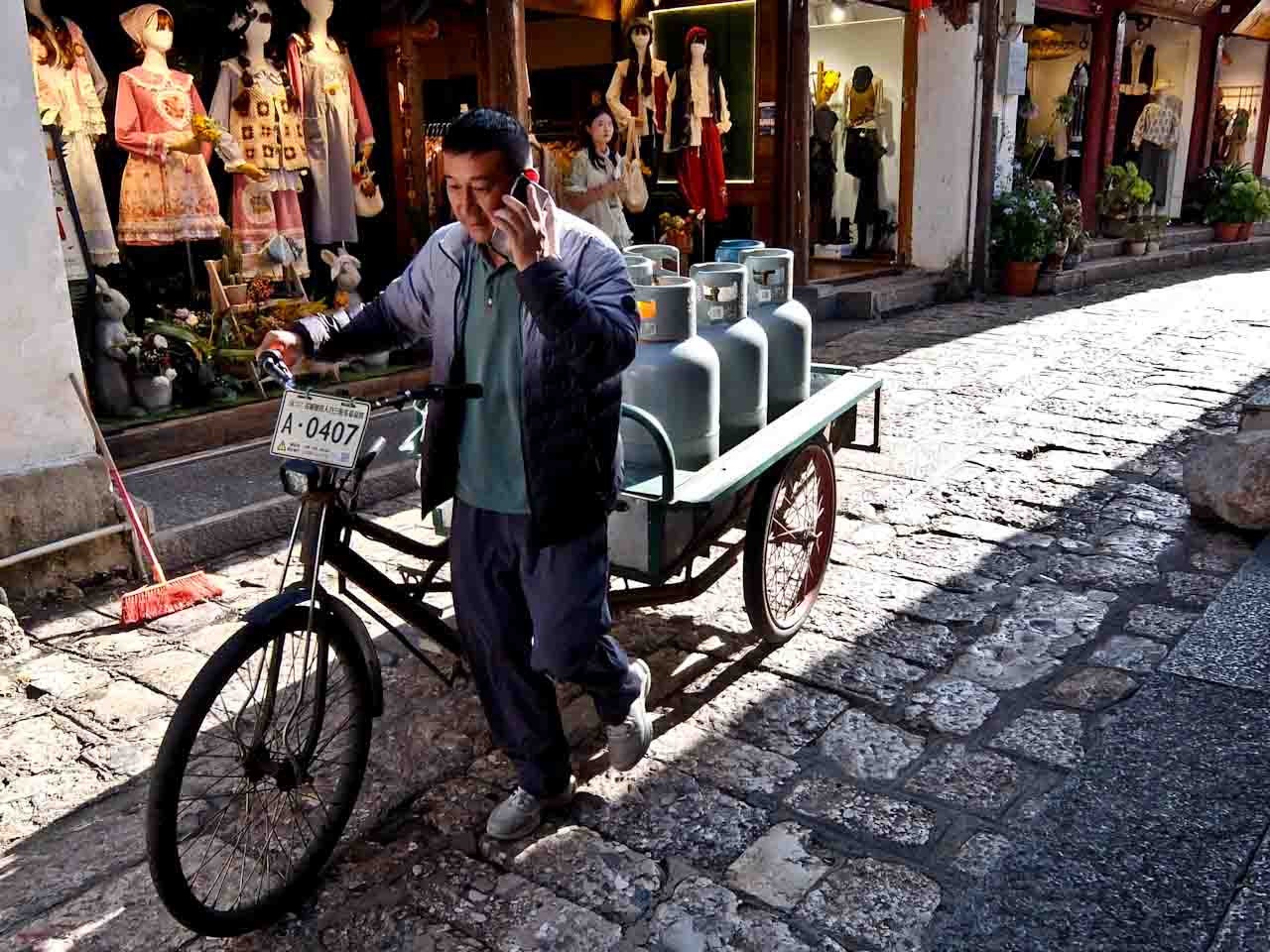
Further north, Lijiang’s UNESCO-listed Old Town is a labyrinth of canals, stone bridges, and wooden houses with sloping tiled roofs. Once the cultural heart of the Naxi minority, its artistic heritage is still celebrated in its music, calligraphy, and architecture.
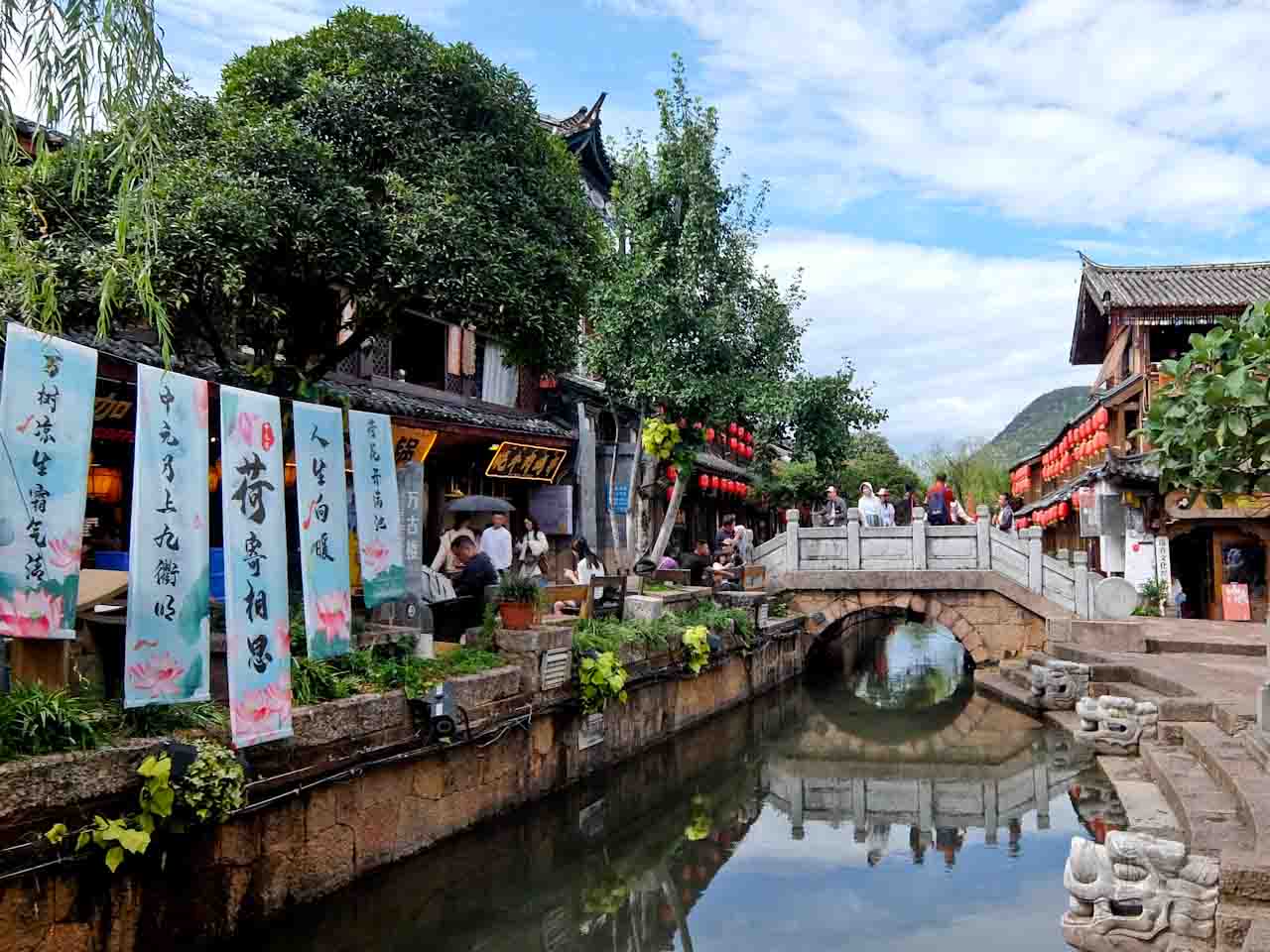
Lijiang
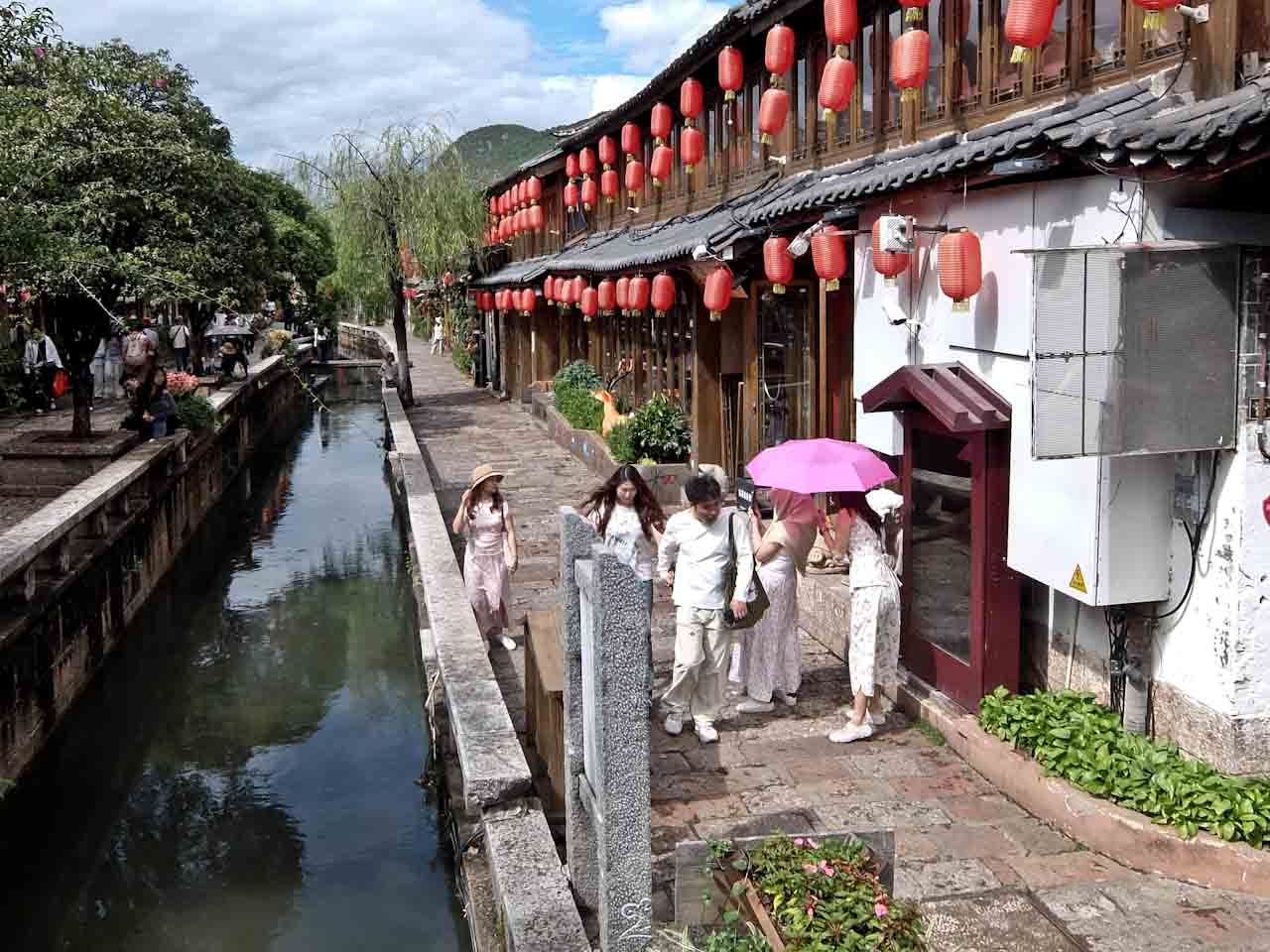
Lijiang
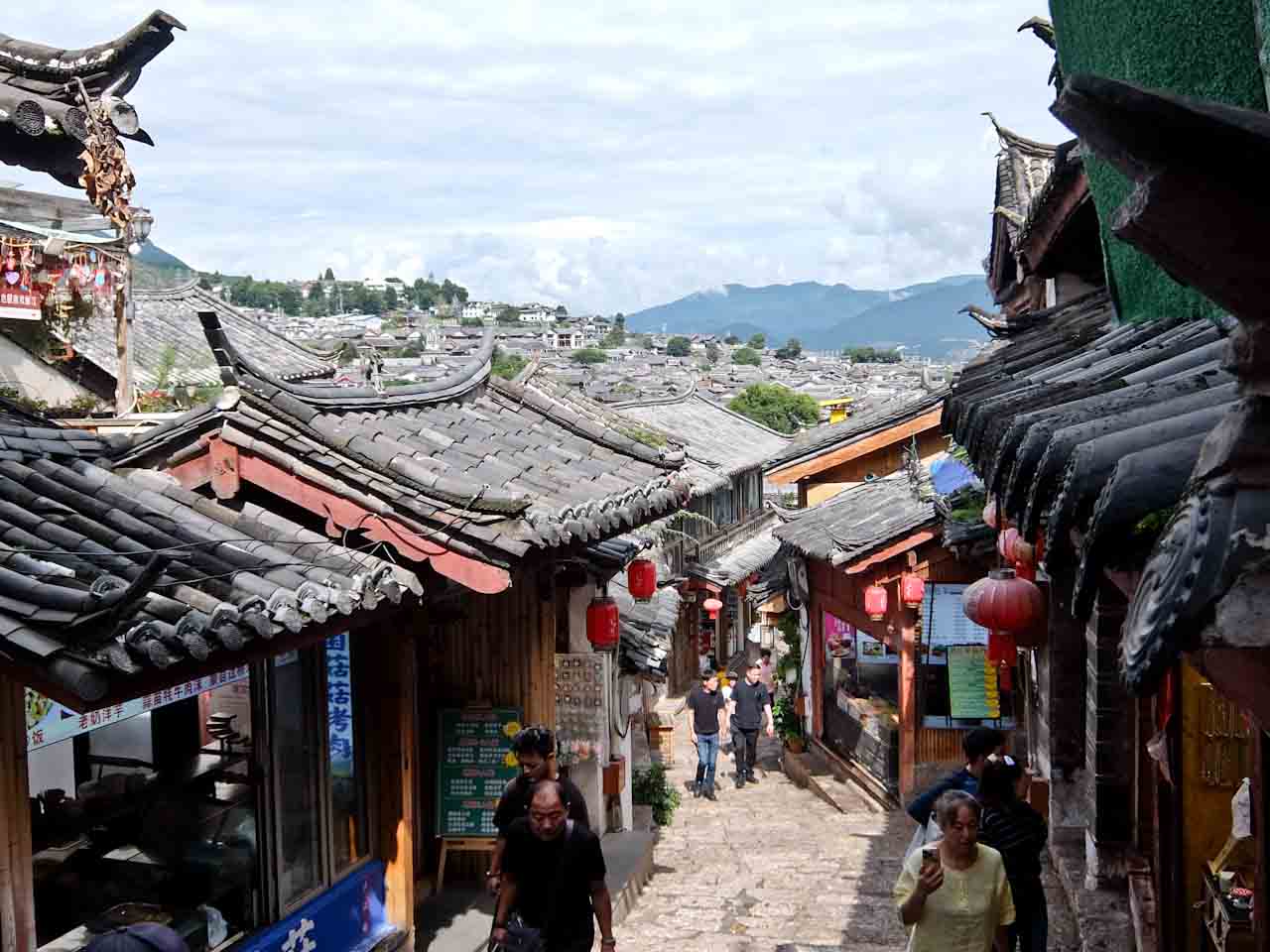
Lijiang
At night, the town comes alive with glowing lanterns, lively bars, and shops selling handwoven textiles. Visitors can attend a performance of Naxi ancient music, considered one of the world’s oldest musical traditions, or simply wander through the alleys soaking in the atmosphere.
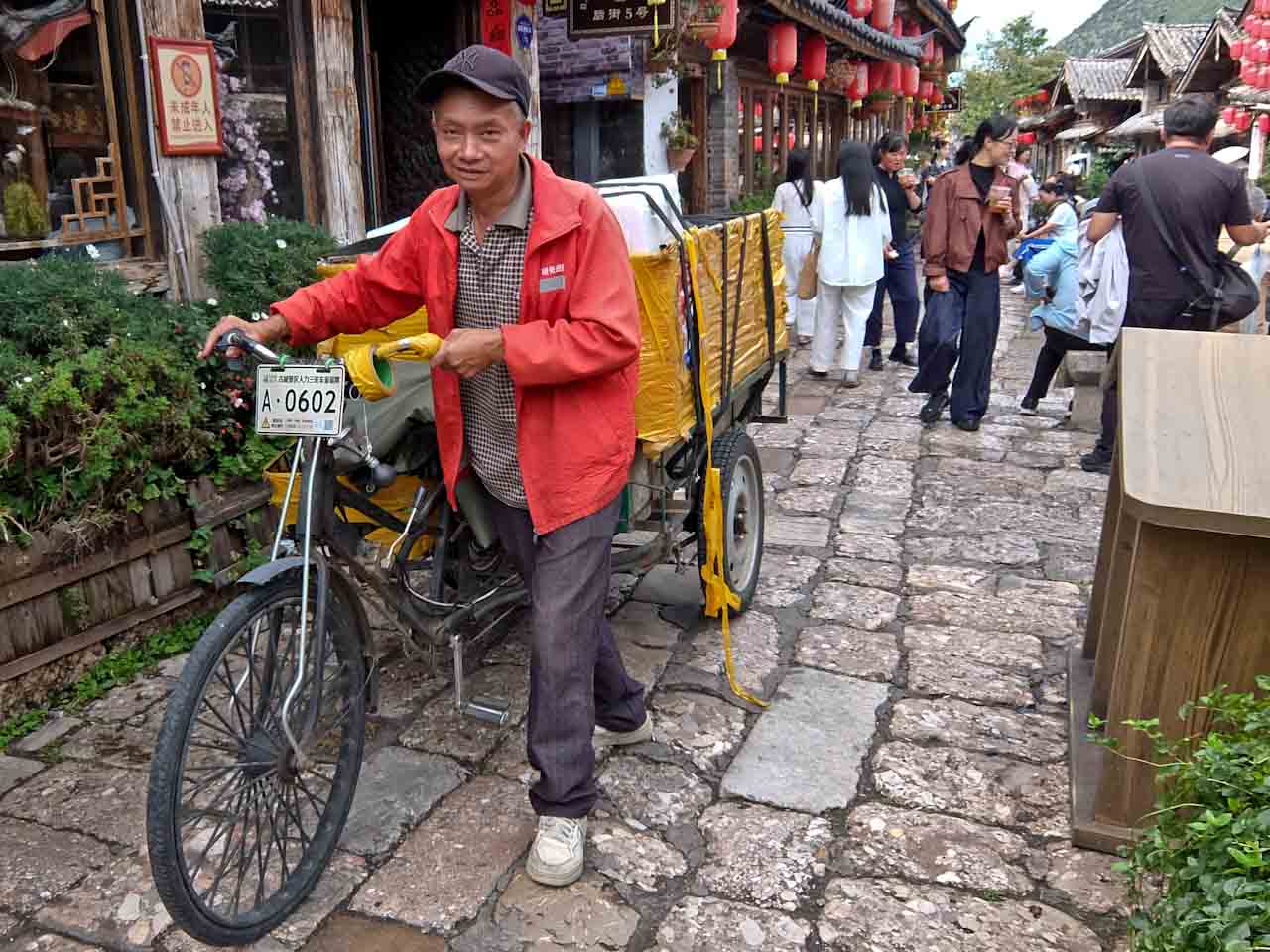
Lijiang
Lijiang
Lijiang
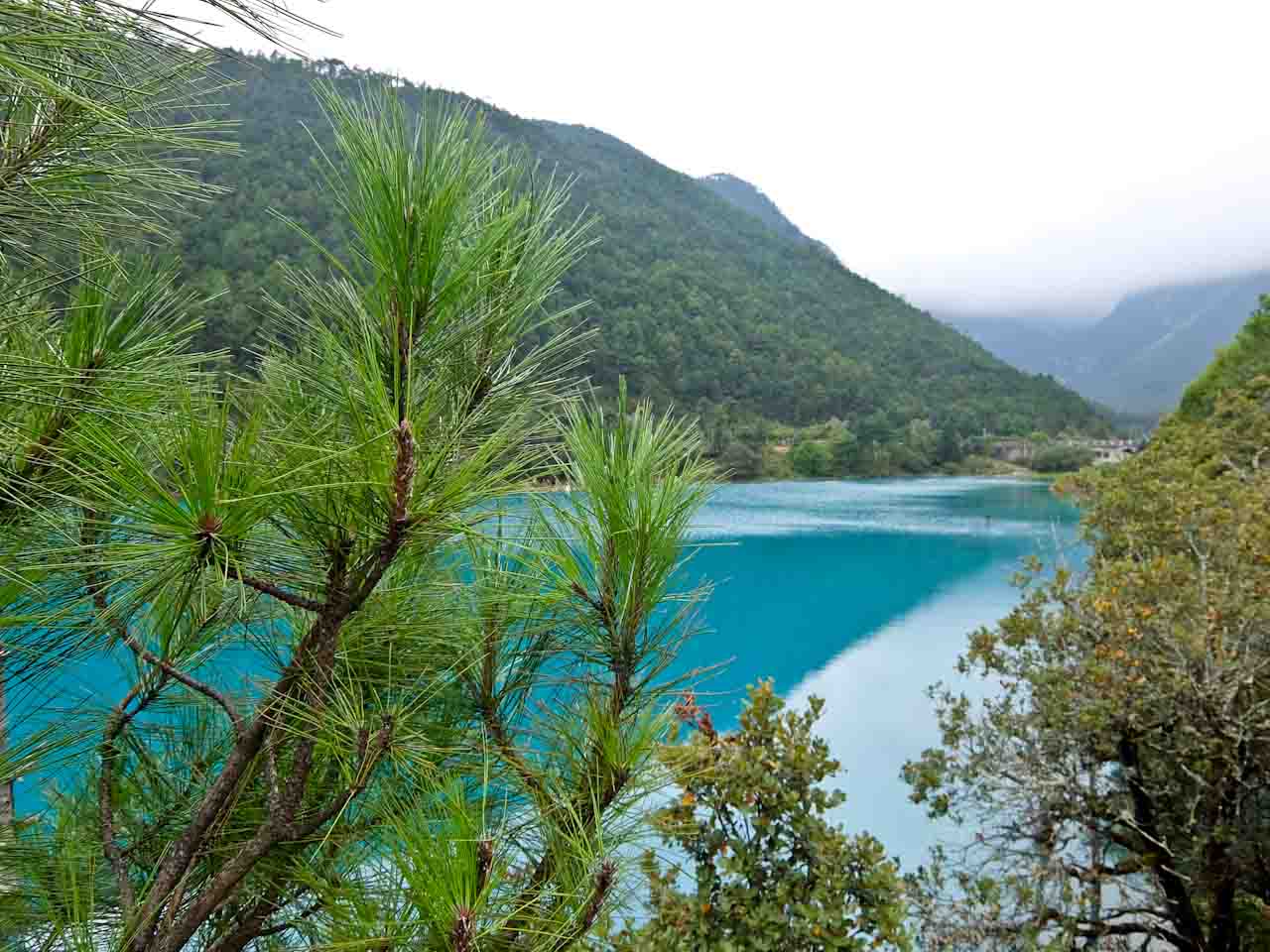
Overlooking Lijiang is the majestic Jade Dragon Snow Mountain, a glacier-capped peak rising to 5,596m. Below it is Lanyue Valley, its lake supplied by the Baishui River, blue with snow melt. The valley is crescent-shaped, and the azure lake looks like a moon sitting at the foot of the Snow Mountain
Lanyue Valley
Impression Lijiang
Impression Lijiang
Impression Lijiang
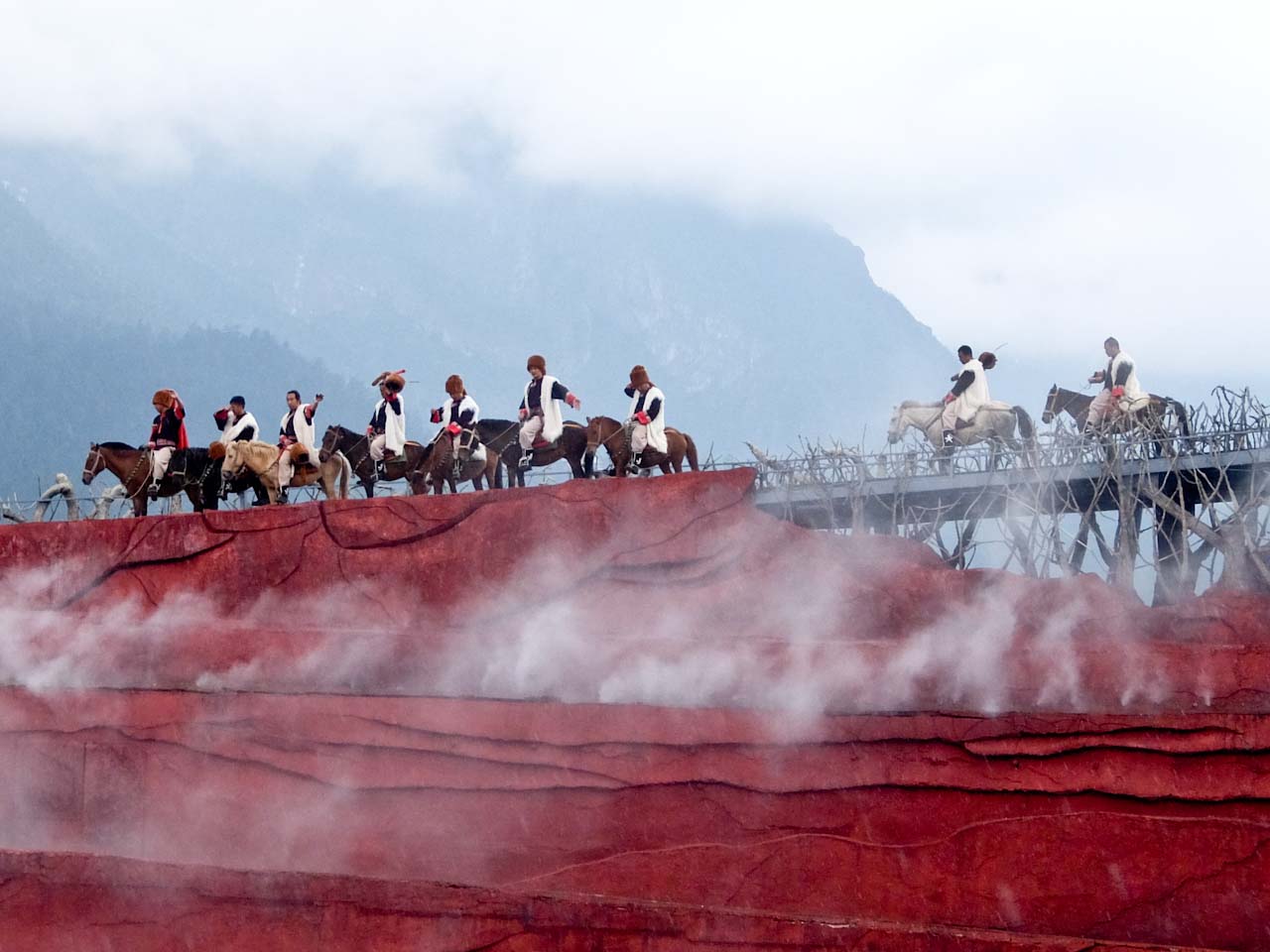
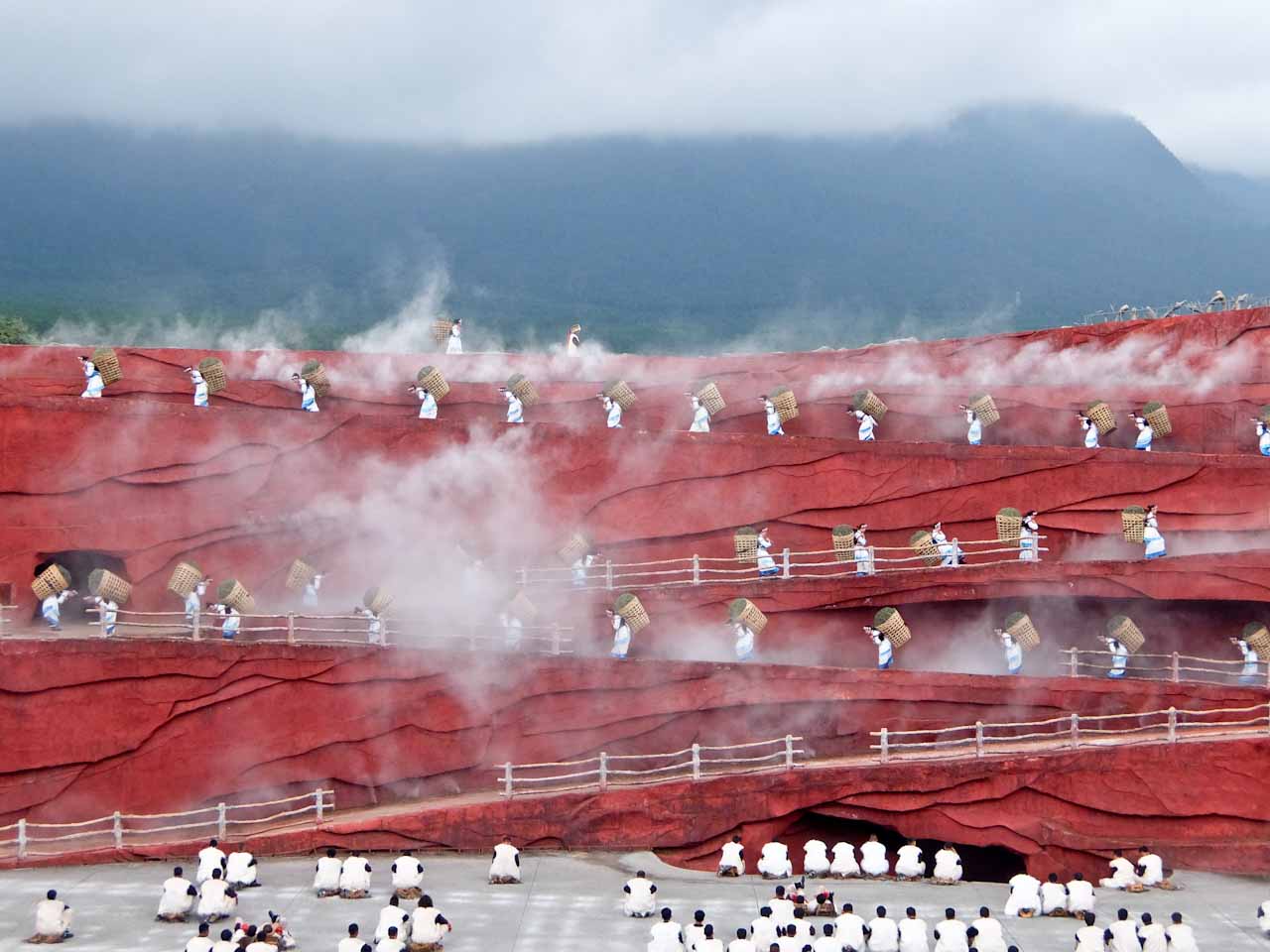
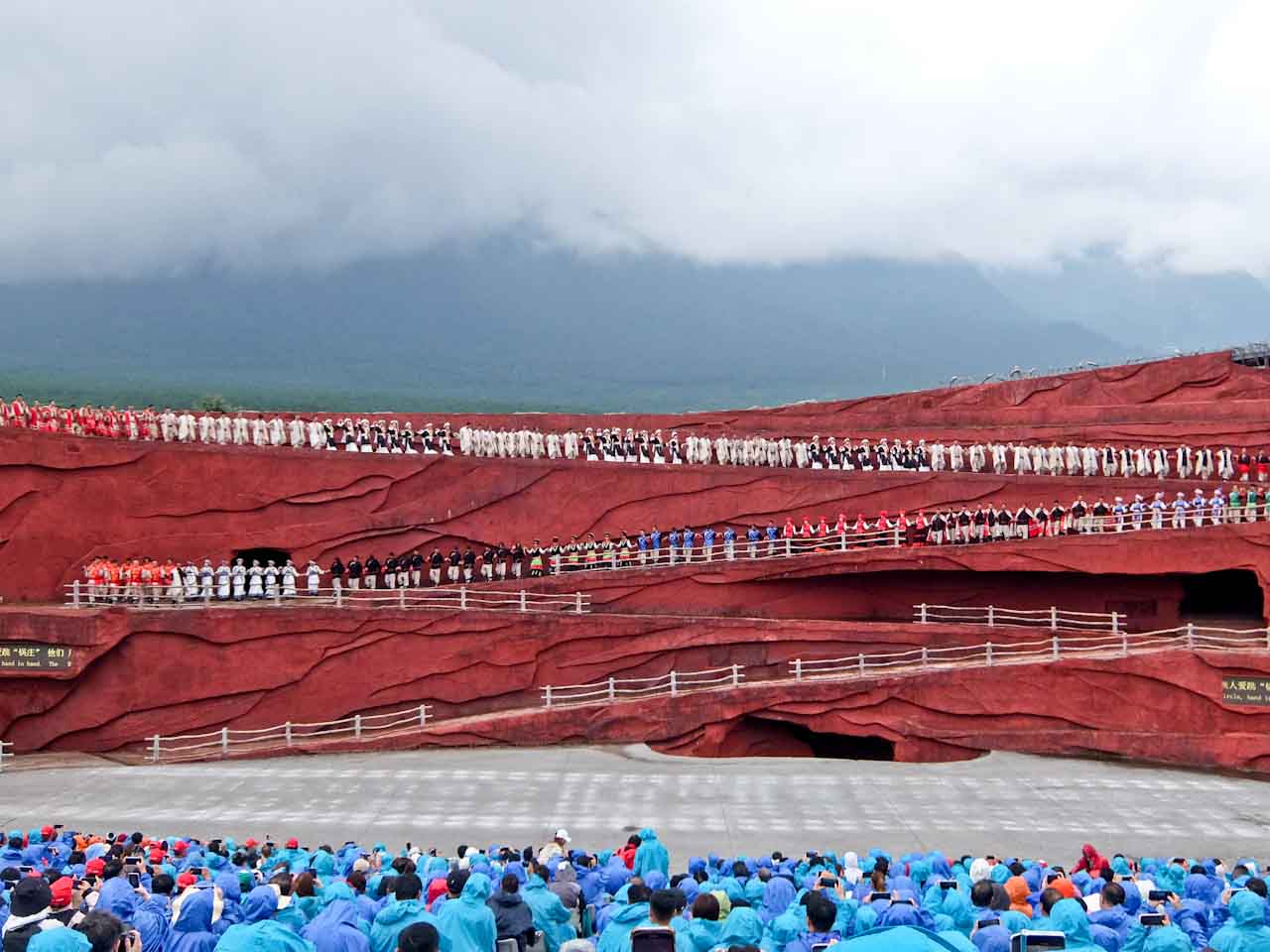
Impression Lijiang is an outdoor live show using the majestic Yulong Snow Mountain as a natural backdrop. Conceived and directed by renowned directors Zhang Yimou, Wang Chaoge, and Fan Yue, it draws its huge cast from 500 local people, all amateurs, to tell the story of their lifestyle and traditions. The stunning climax sees 100 horses and their riders lined up around the top rim of the amphitheatre.
Baisha

Baisha
Baisha
Baisha
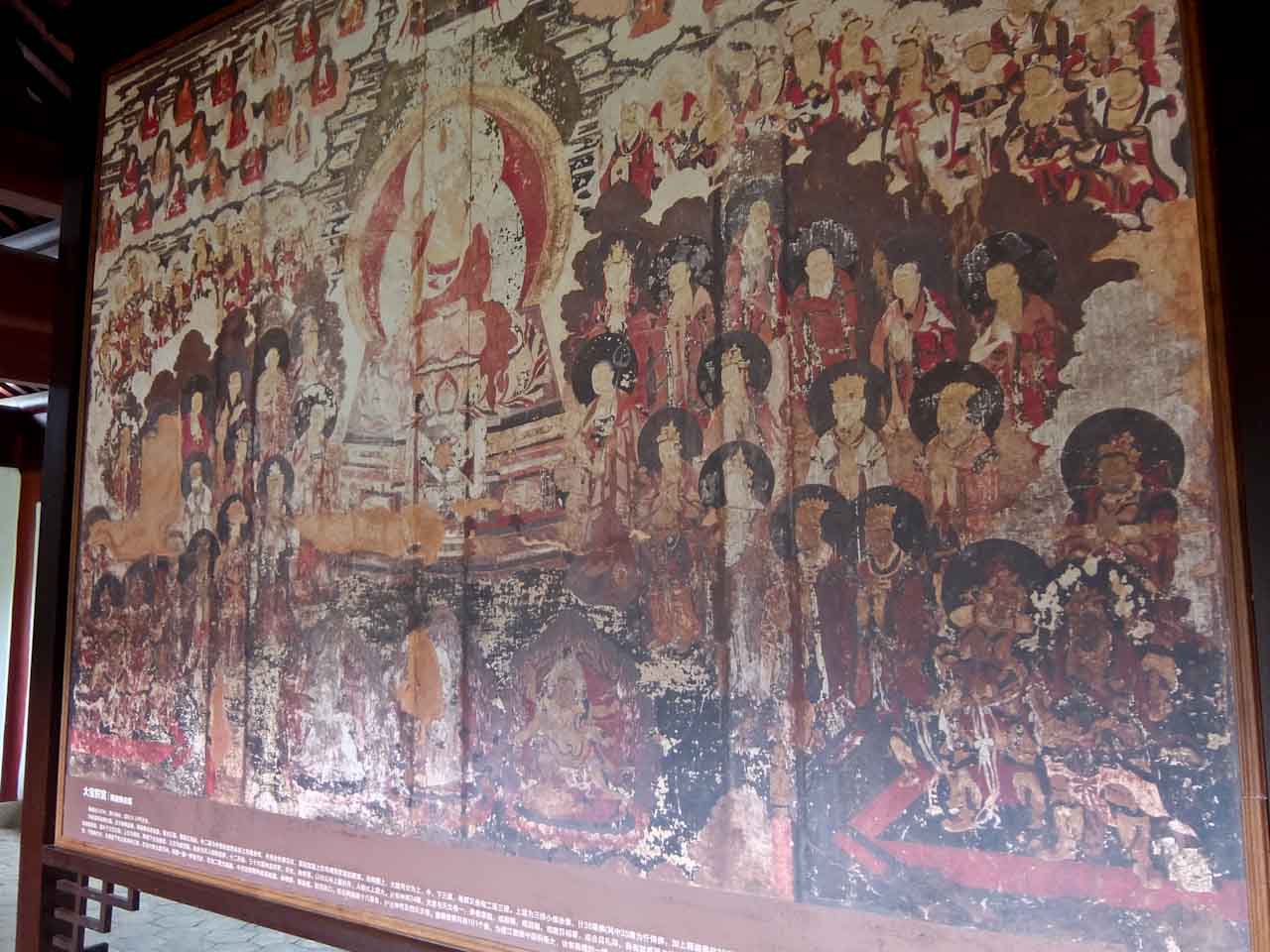
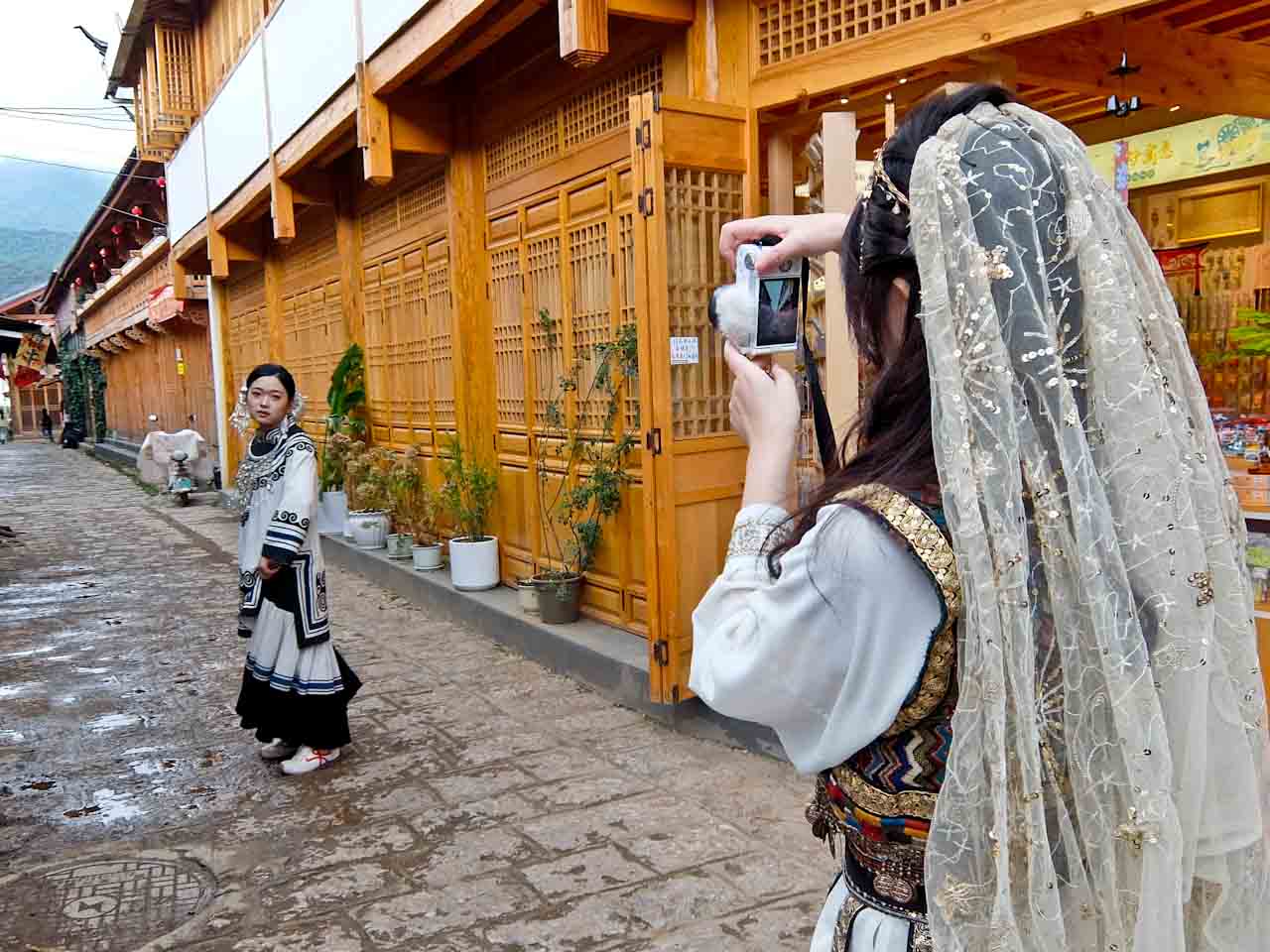
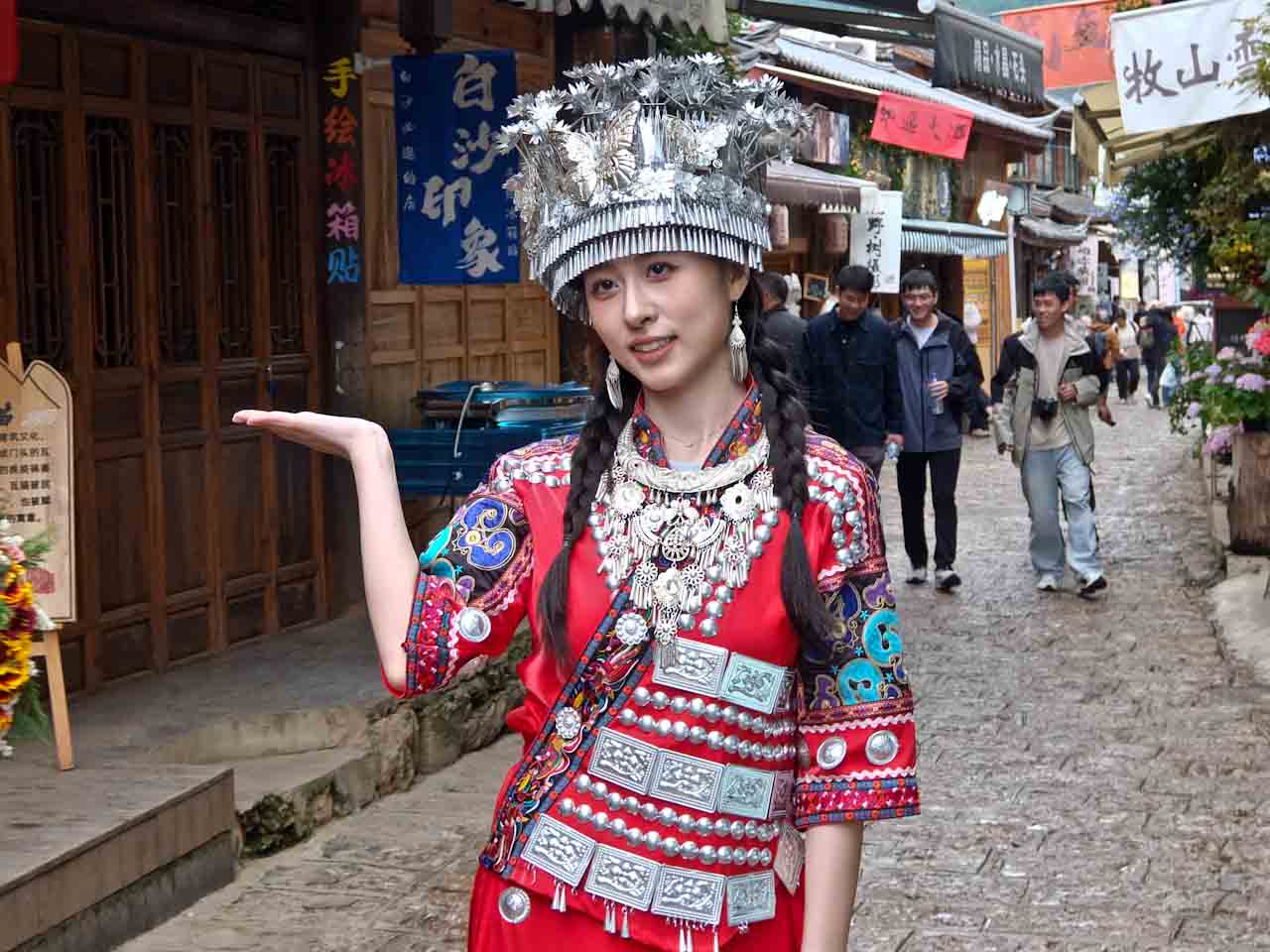
Baisha Village, even older than Lijiang Old Town, is famous for its murals that date back to the Ming Dynasty. These paintings blend Buddhist, Taoist, and Tibetan motifs, reflecting the cultural crossroads of the region. Unlike its neighbours Baisha is more relaxed. Sit in a courtyard sipping green tea and contemplate the mountains rising in the distance.
Yuhu
Yuhu
Yuhu
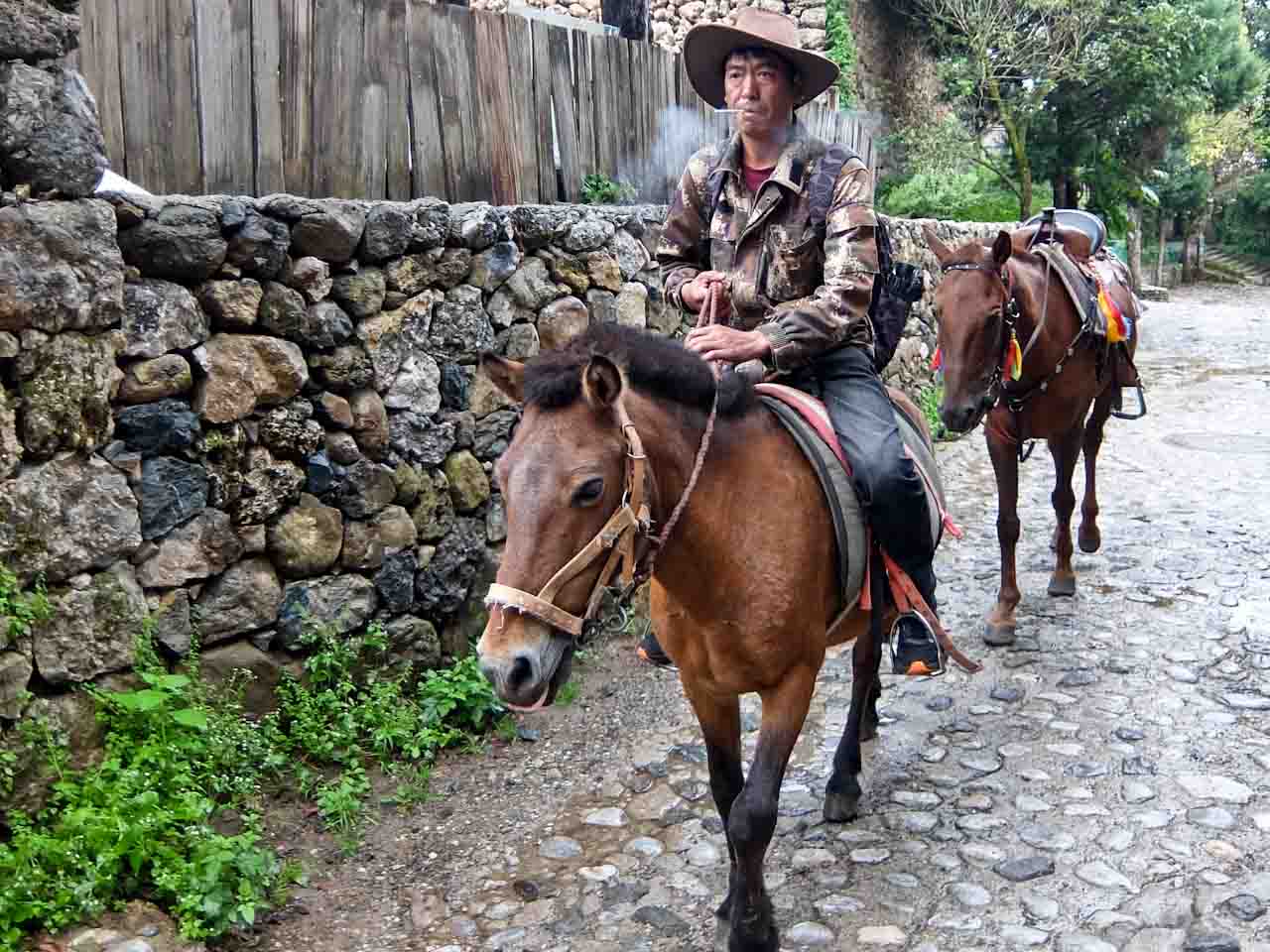
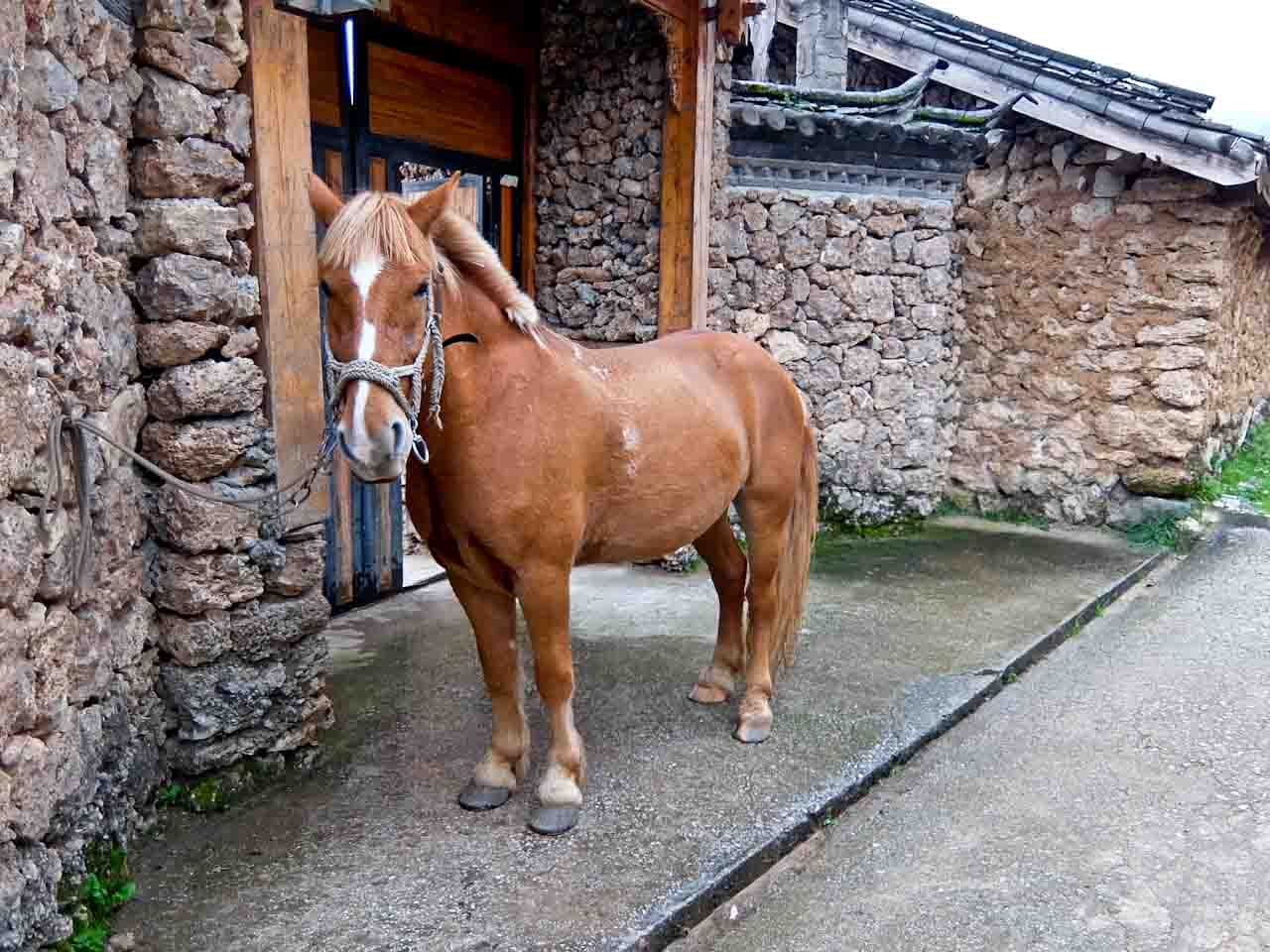
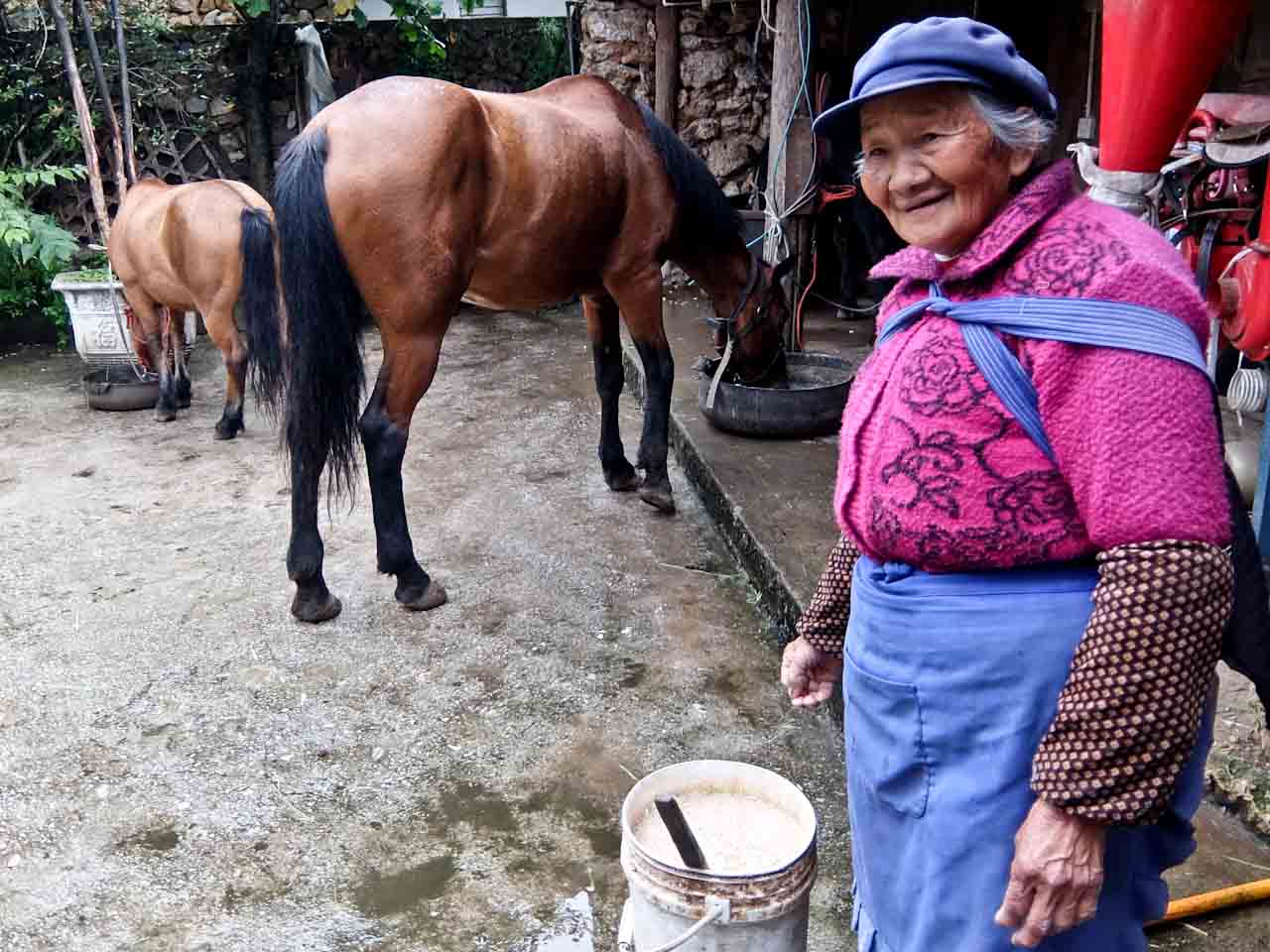
About 15km north, Yuhu village, belonging to the Naxi minority, is the last village of the valley, at the foot of the Jade Dragon Snow Mountain. The houses are made of a unique material known as monkey head, a mix mud and stone. The famous botanist Joseph Rock came here in the 1920’s to study the plants and Naxi culture and stayed for 27 years.
Xishuangbanna
While northern Yunnan dazzles with snow-capped peaks, the far south reveals a different world. Xishuangbanna, bordering Laos and Myanmar, is a lush subtropical region where rubber plantations, rainforests, and the Mekong River define the landscape. It’s best to take an internal flight to get here.
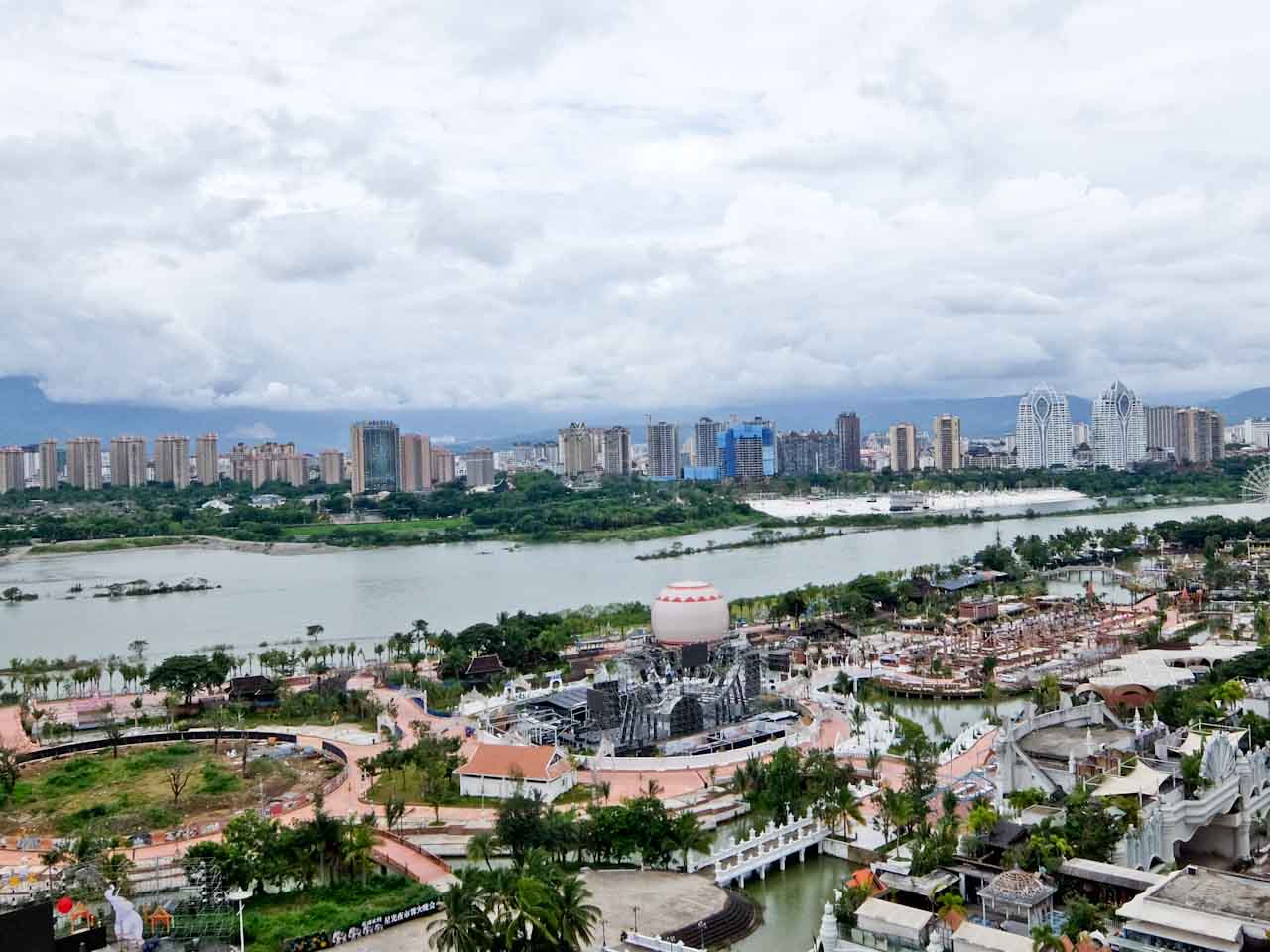
Jinghong
Breads
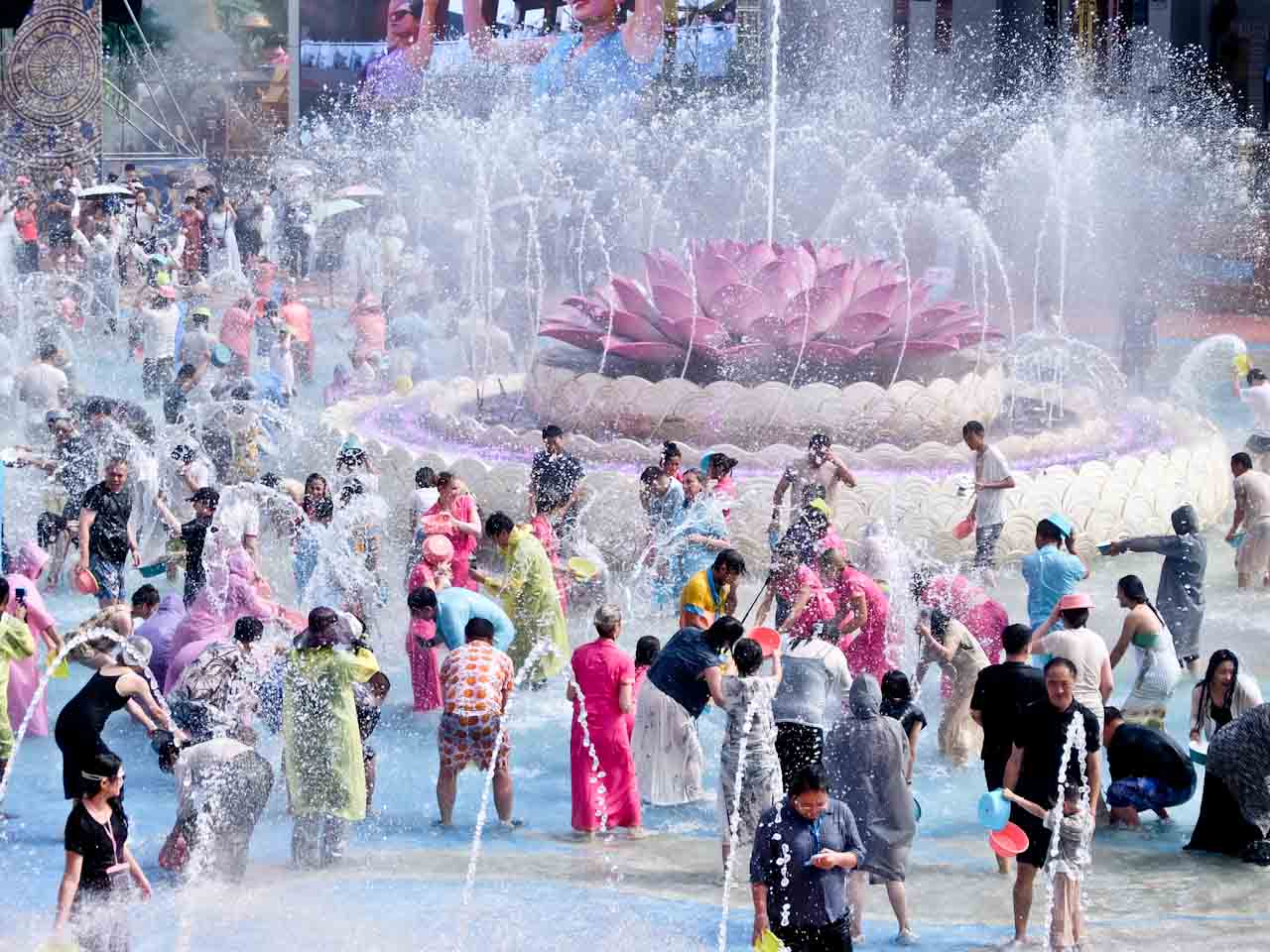
Water Festival
The region is home to the Dai minority, whose culture is closely related to that of Thailand and Laos. Their distinctive bamboo stilt houses, festivals and spicy-sour cuisine set them apart from Yunnan’s other ethnic groups. The annual Water Splashing Festival in April is the region’s most vibrant celebration, welcoming the Dai New Year with joy, dance, and plenty of water fights.
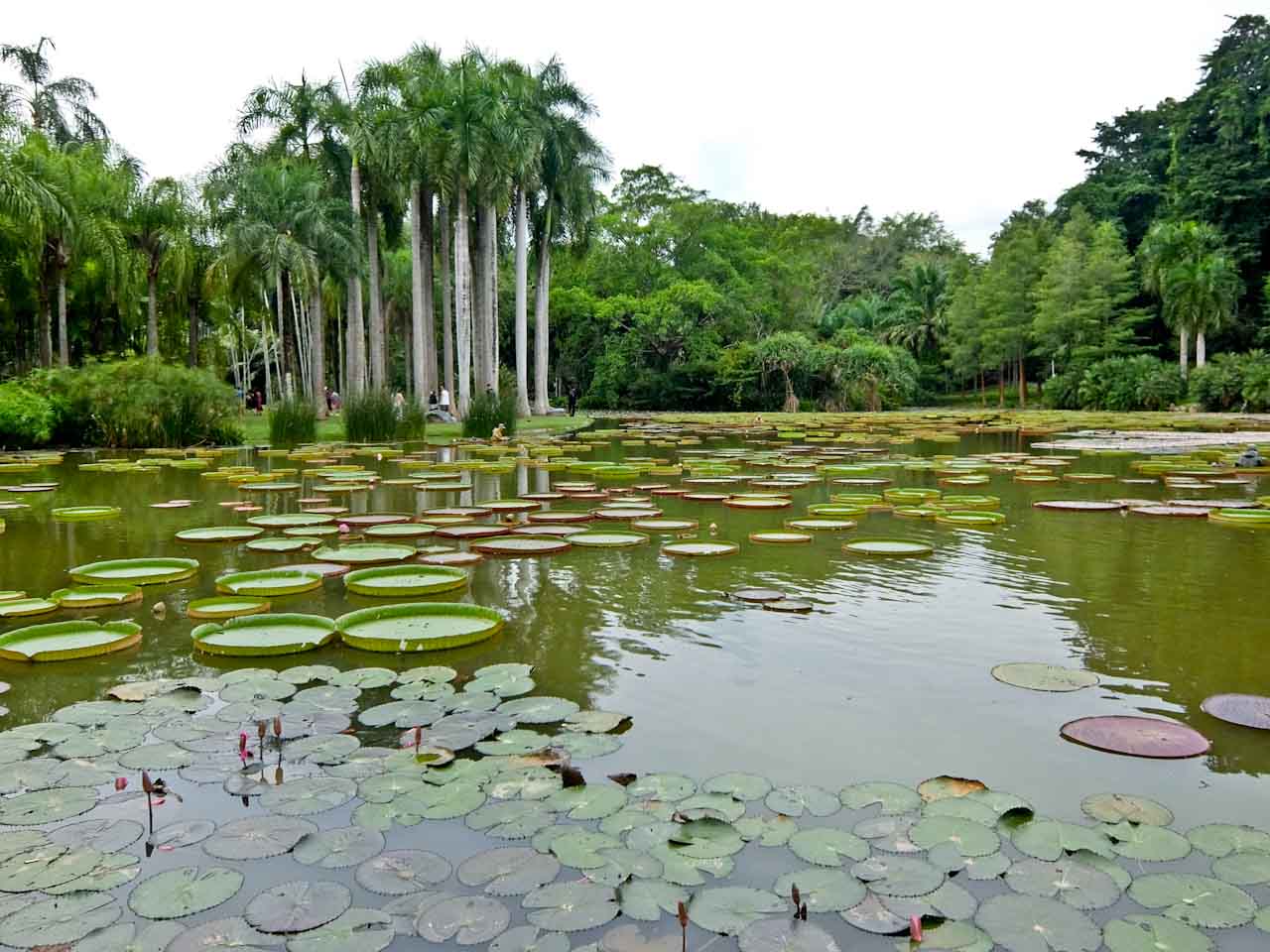
Xishuangbanna Tropical Botanical Garden
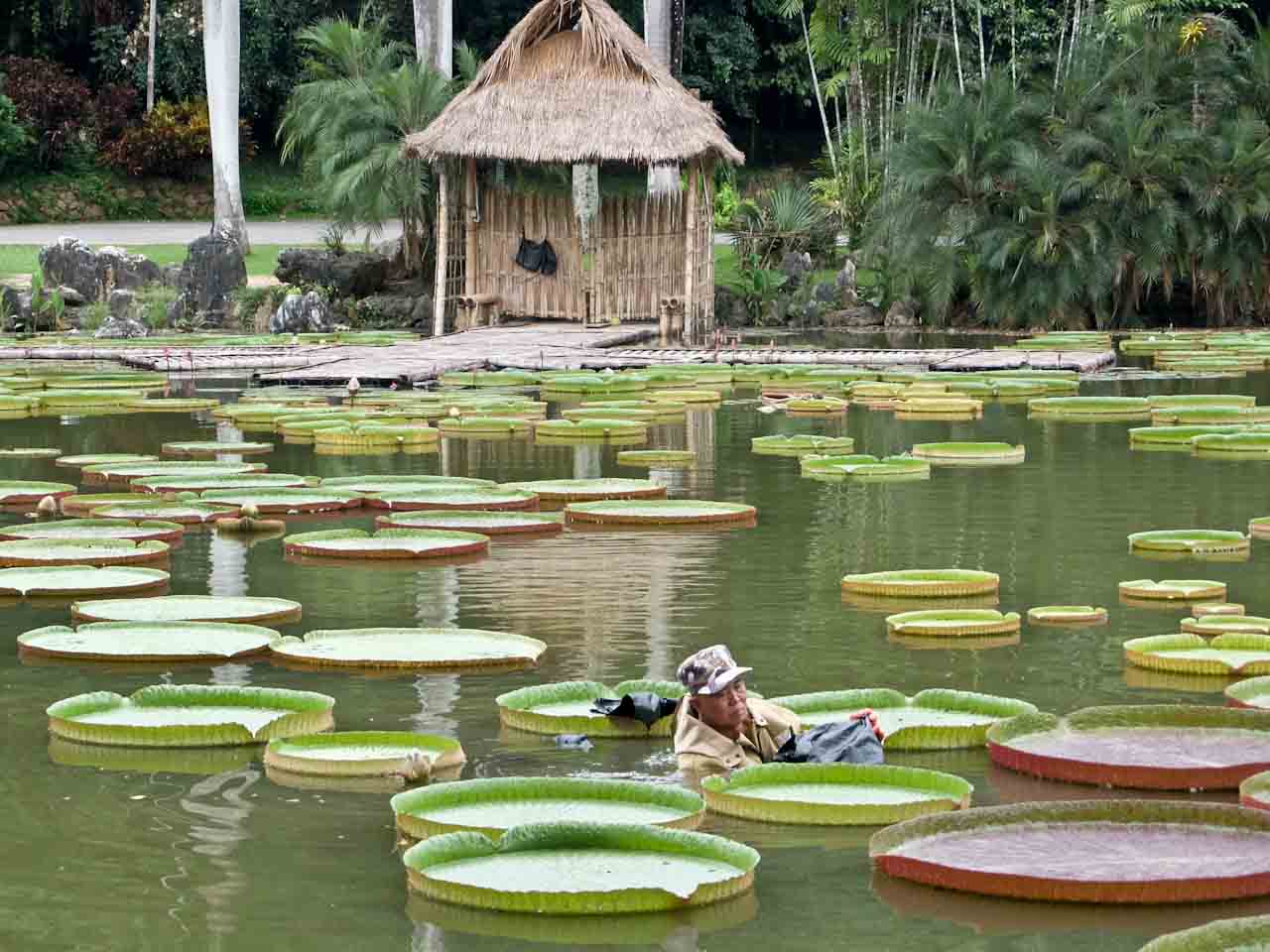
Xishuangbanna Tropical Botanical Garden
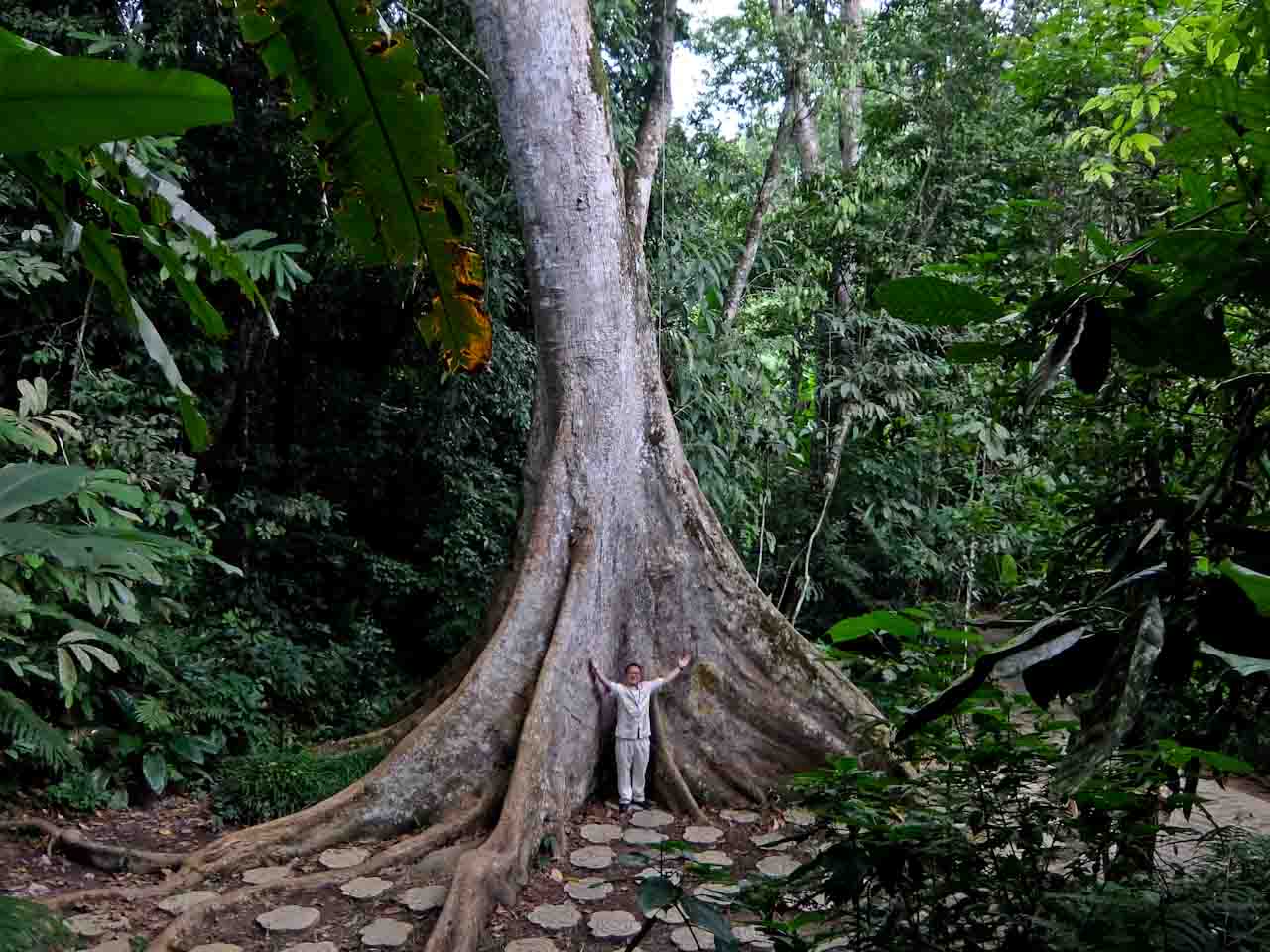
Xishuangbanna Tropical Botanical Garden
Nature lovers love the Xishuangbanna Tropical Botanical Garden and its surrounding rainforest reserves, which protect endangered Asian elephants, gibbons and other species. River cruises along the Mekong offer a relaxed way to explore the region some go as far as Laos and Myanmar.
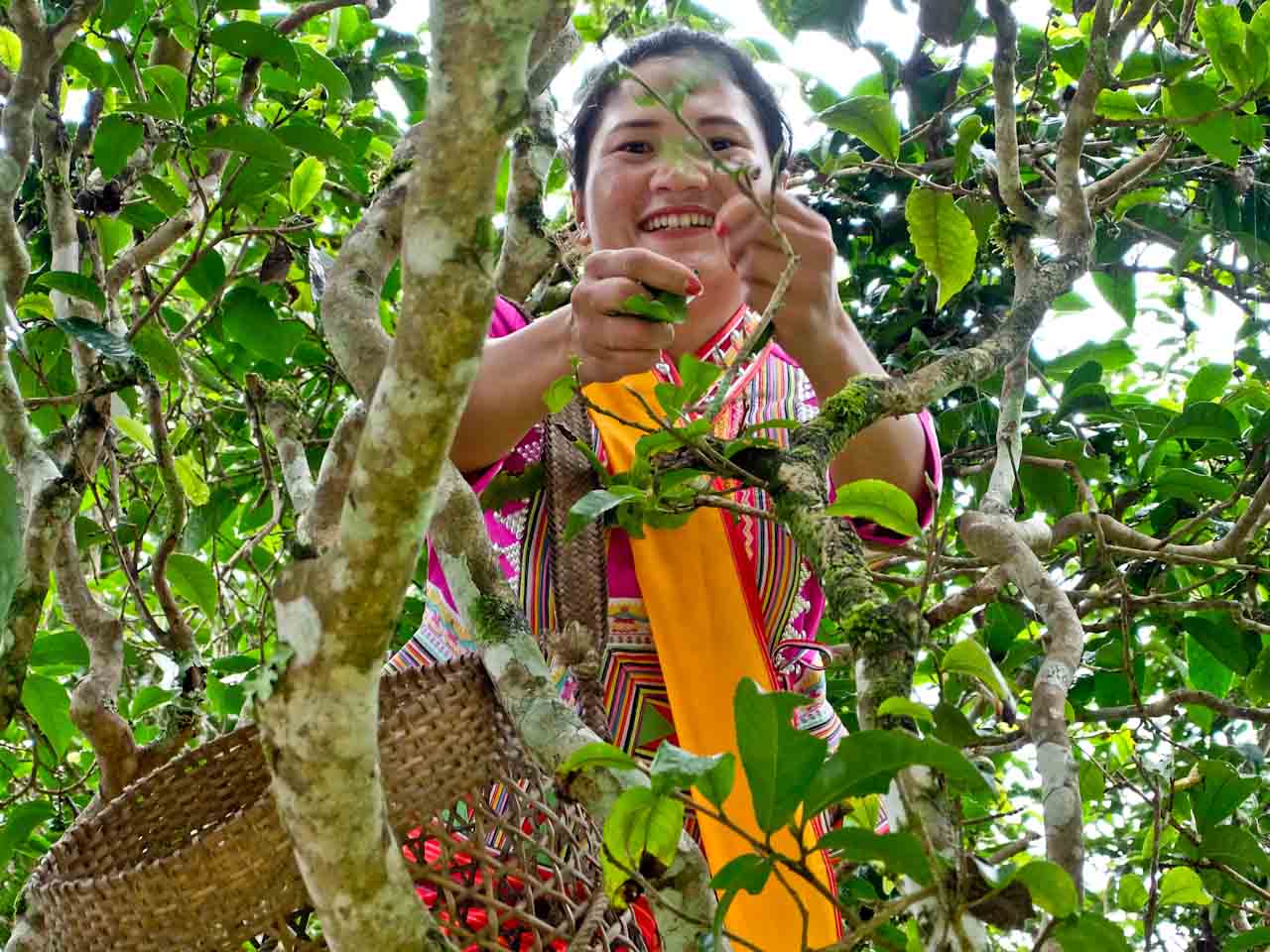
Tea Picker
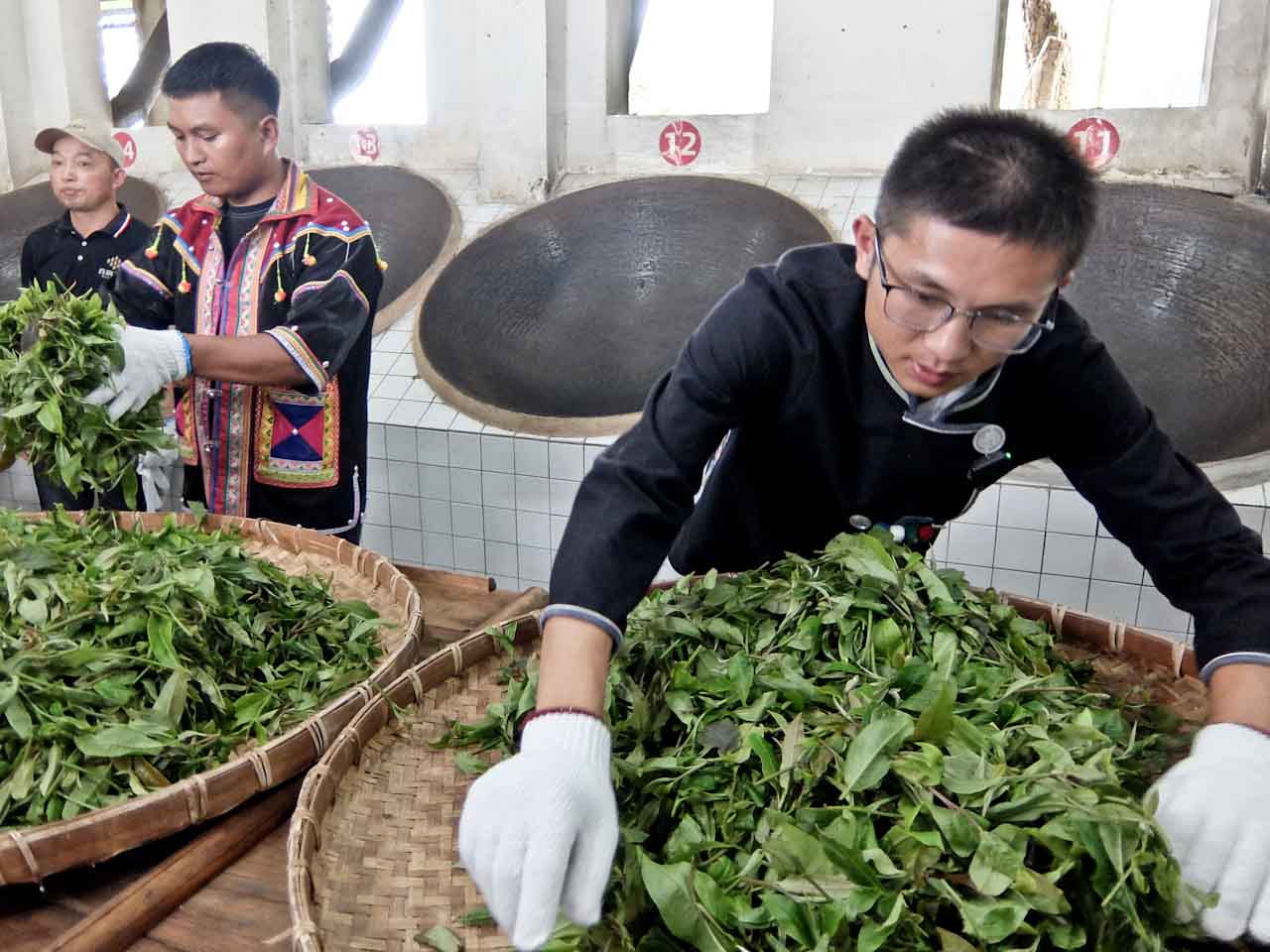
Tea Drying
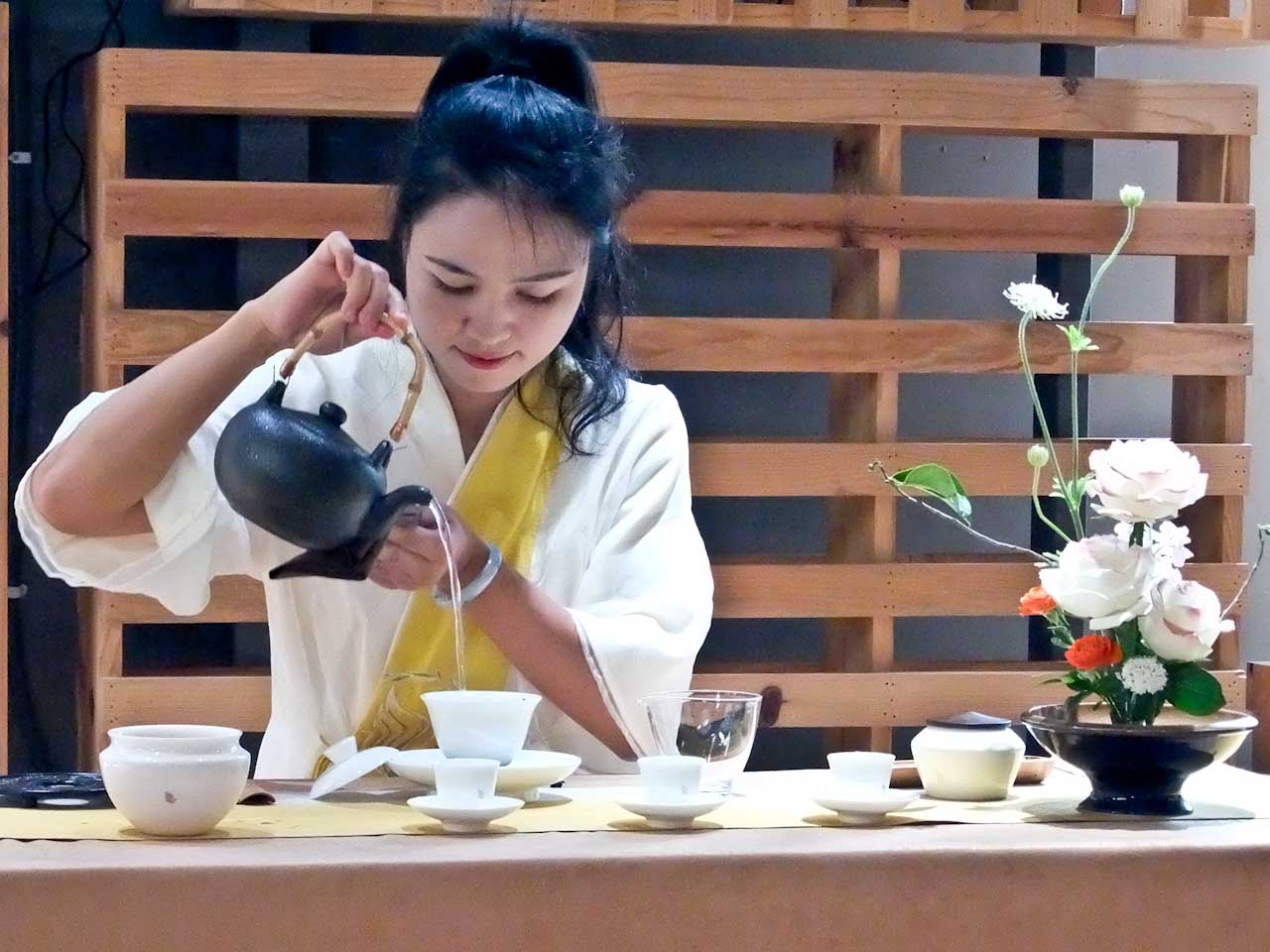
Tea Ceremony
Nannuo Mountain village features 2,400 hectares of tea gardens, including 800 hectares of ancient tea groves, with some trees over 800 years old. It offers a range of accommodation, from traditional homestays to hillside hotels and integrates local tea culture into its attractions, creating an immersive tea-themed travel experience.
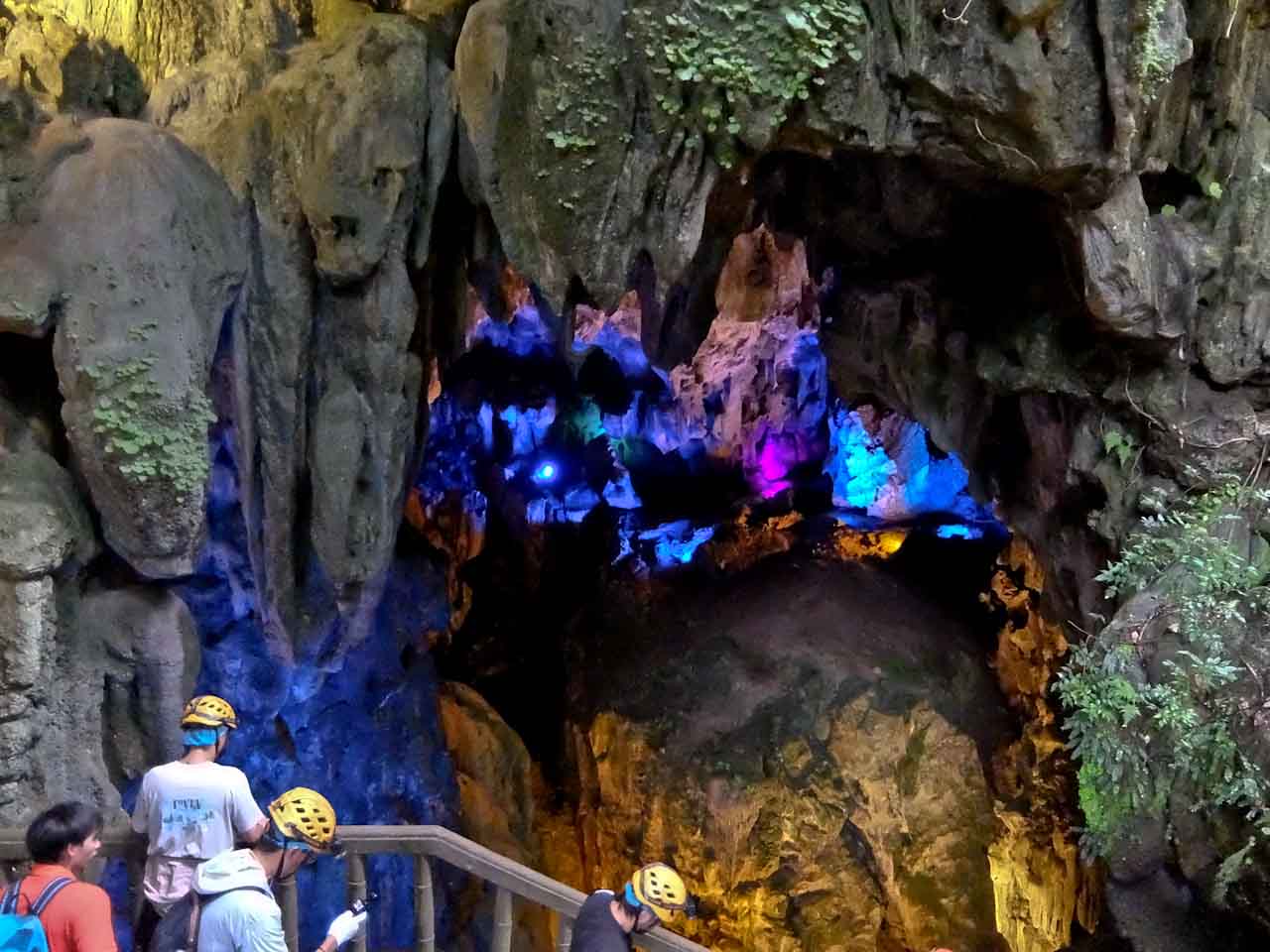
Buffalo Cave
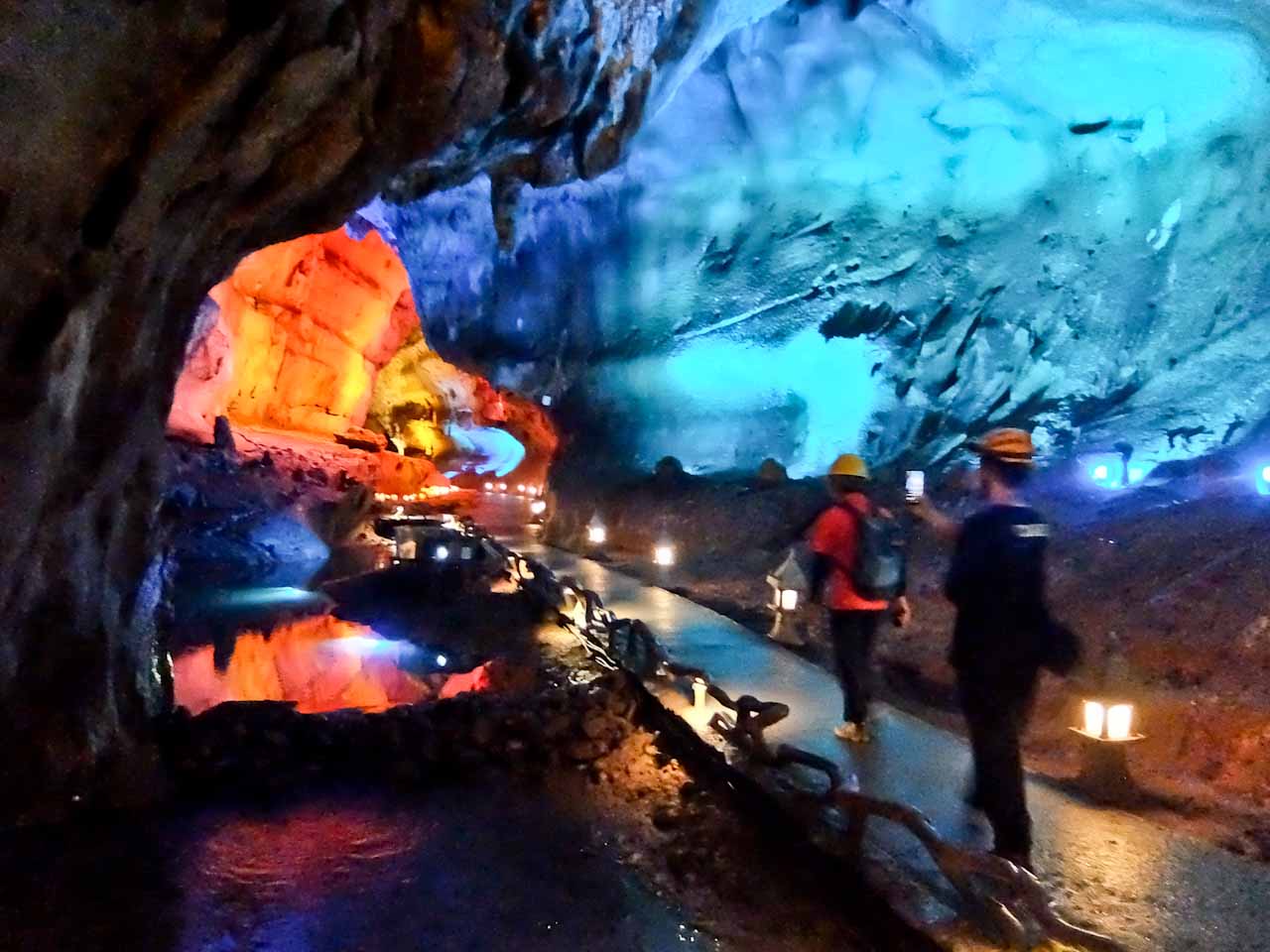
Buffalo Cave
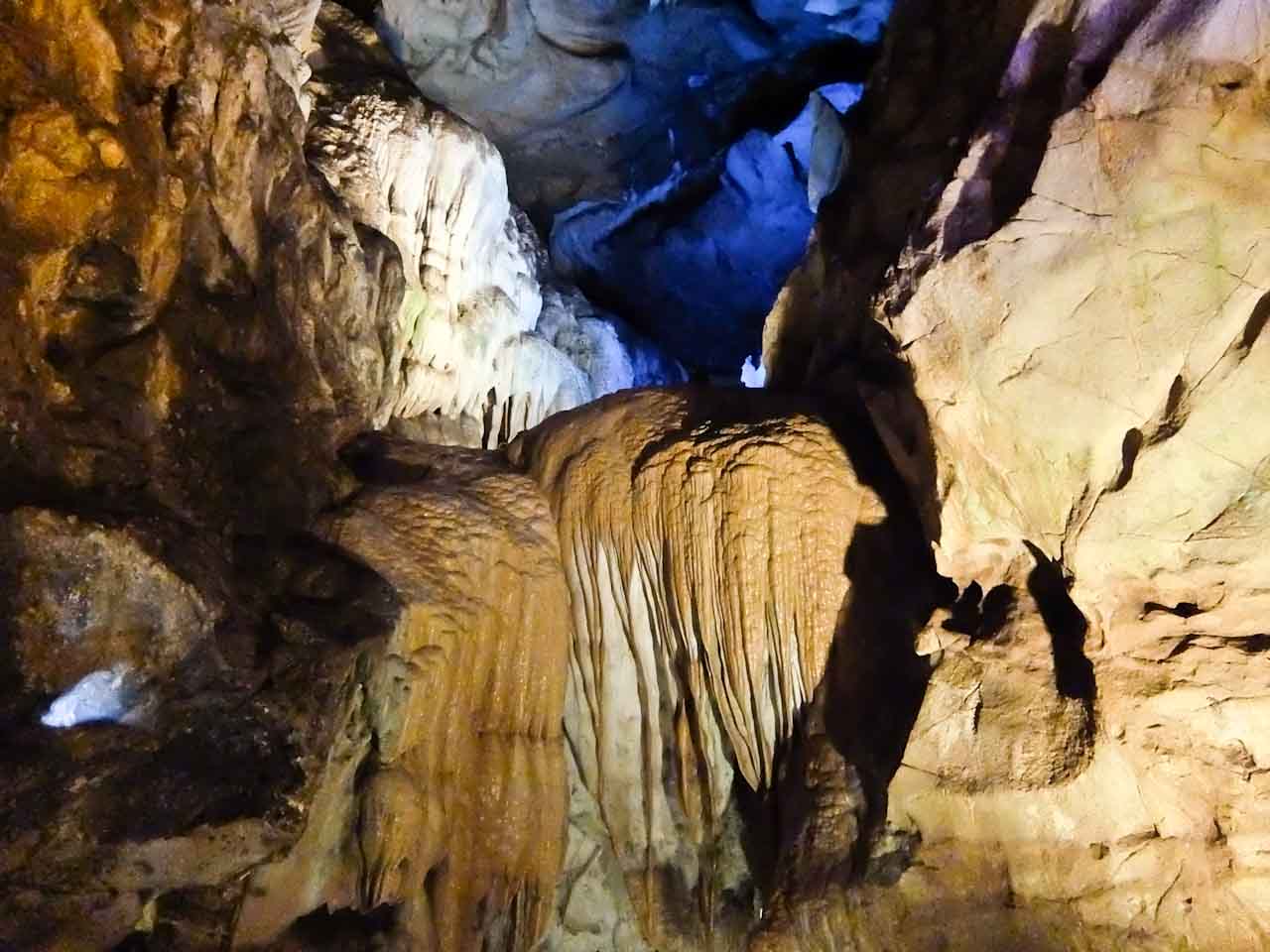
Buffalo Cave
In southern Yunnan, Mengyuan Paradise is home to towering karst peaks, thick green forest canopies and deep Buddhist caves. This eco-adventure park offers rain forest trails, river kayaking and low-impact cave routes. The karst caverns are its headline acts – you’ll need a guide, helmet and torch to explore the narrow passages of the Buffalo Cave, but this feels like genuine adventure.
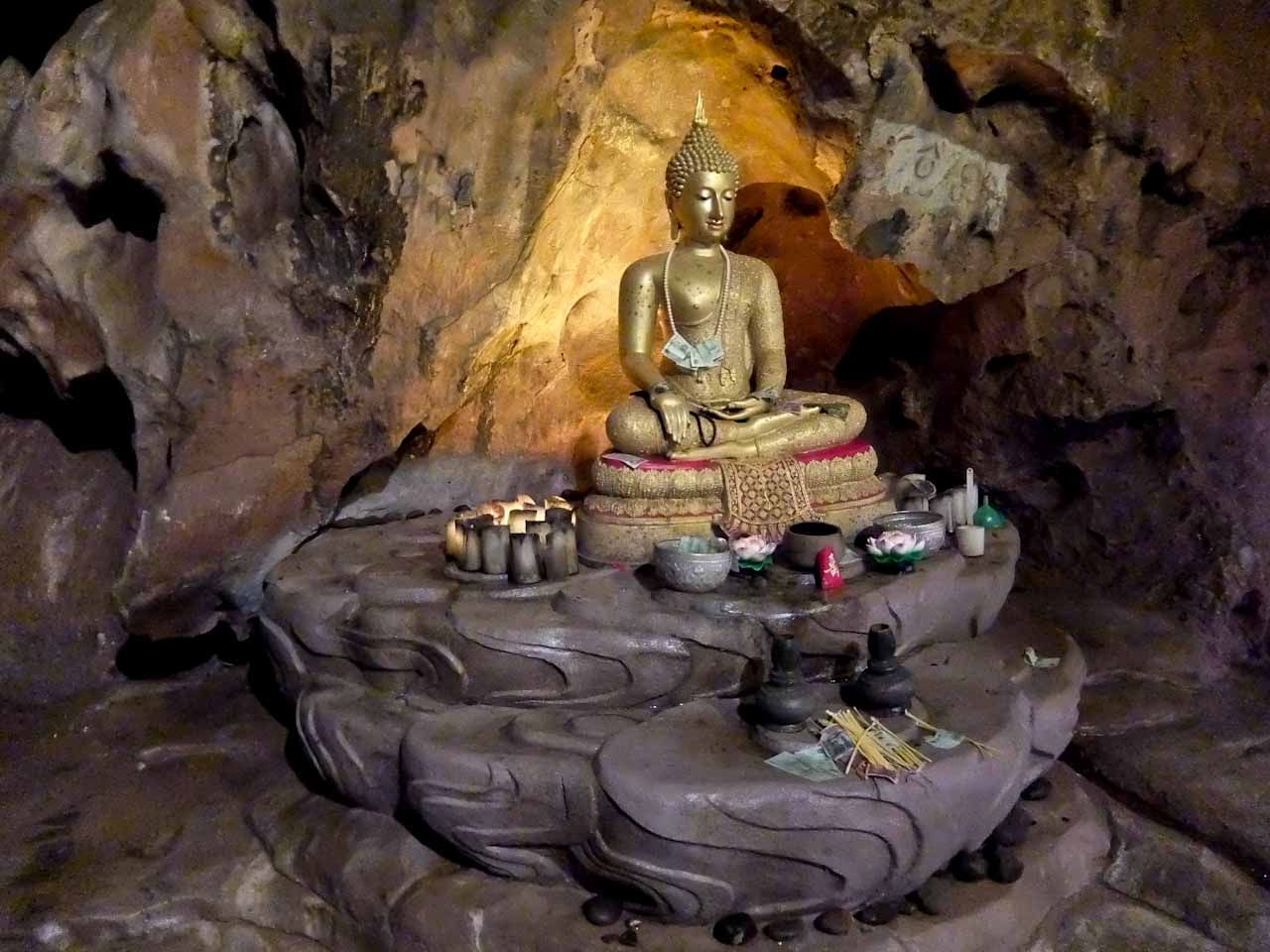
Buffalo Cave Buddha
Factfile
FLY: China Southern Airlines flies daily from London Heathrow to Guangzhou with connections to all major Yunnan cities. Return fares between £500 and £1000.
INFO: For tour operators to Yunnan see the Chinese National Tourist Office website: https://www.cnto.org.uk/travel-trade/
4 comments
This is an excellent piece of content. The way you explain each idea step by step helps readers understand the subject thoroughly. I learned a lot from this.
This article gives readers the clarity they need to understand the topic. I appreciate the thoughtful pacing and natural flow.
I found this article to be extremely helpful and well-written. The topic is explained clearly, and the structure makes it easy to follow. Thank you for sharing such high-quality and informative content.
This is an excellent piece of content that offers clear explanations and helpful knowledge. I admire the way you structured everything so well. Thank you for creating such valuable and informative material.