
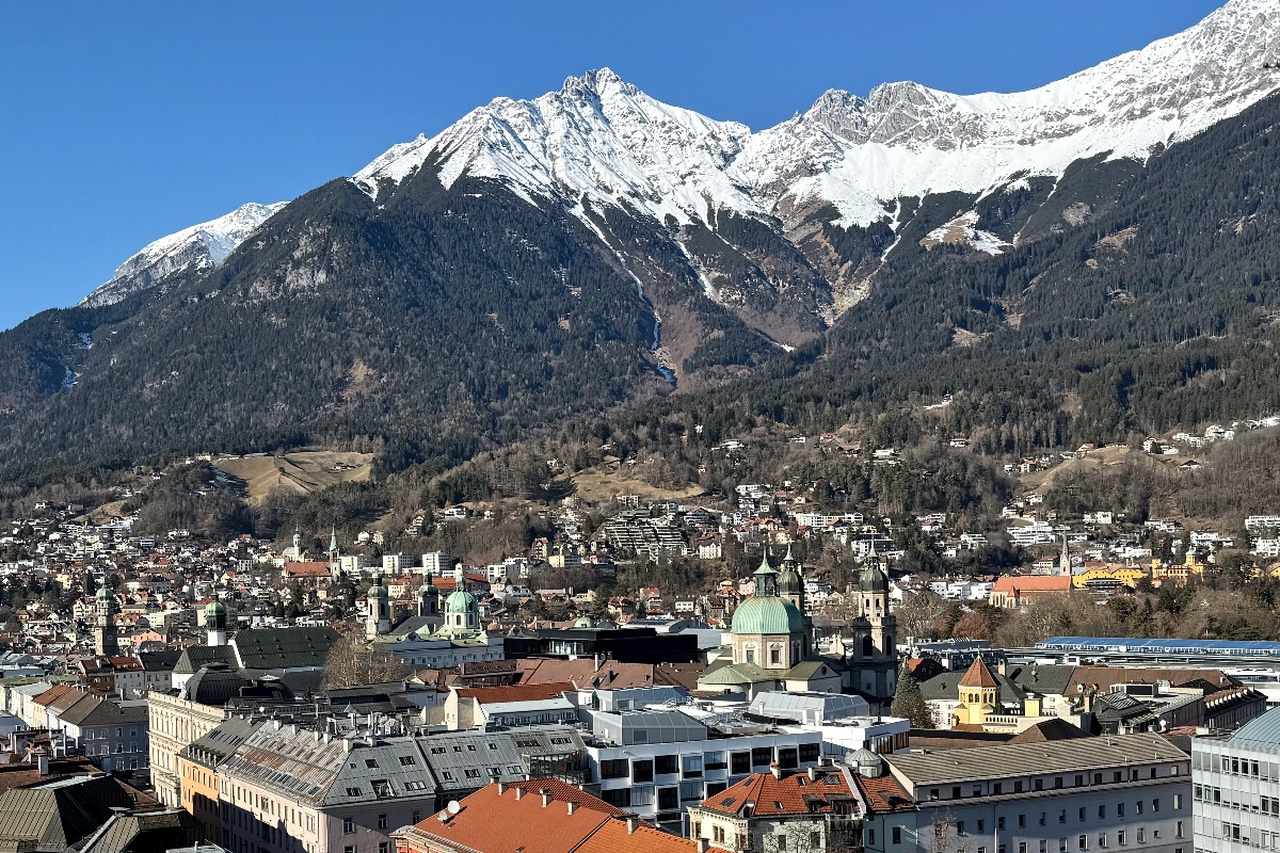
Elegant, colourful buildings in a city ringed by snow-topped mountains – who could resist Innsbruck’s allure? Especially as the Ski plus City Pass Stubai Innsbruck embraces it all on one card. 23 Interesting attractions and 12 ski resorts offering a variety of winter sports
The idea of a flexible ski pass is not a new one and was introduced to offer skiers the opportunity to take a day off to rest. New versions of the flexible ski pass are much more imaginative, and the Ski plus City Pass Stubai Innsbruck is a clever integration of sightseeing in the city and skiing in the mountains that surround it. It is valid for 23 attractions in the city (one visit to each) and 8 ski areas around Innsbruck and the 4 ski areas in the Stubai Valley (unlimited visits), all accessible from the city. To ease the passage from town to slopes, those accommodated in the Innsbruck region can obtain a Welcome card provided by their accommodation, anything from luxury hotels to campsites, which subscribes to this. This card includes free travel on public transport – buses and trams. Most of the ski areas included in the pass are linked to the town by either ski buses (free with the Ski plus City pass) or public transport. Taxis that can take several passengers plus equipment are also available (charges apply).
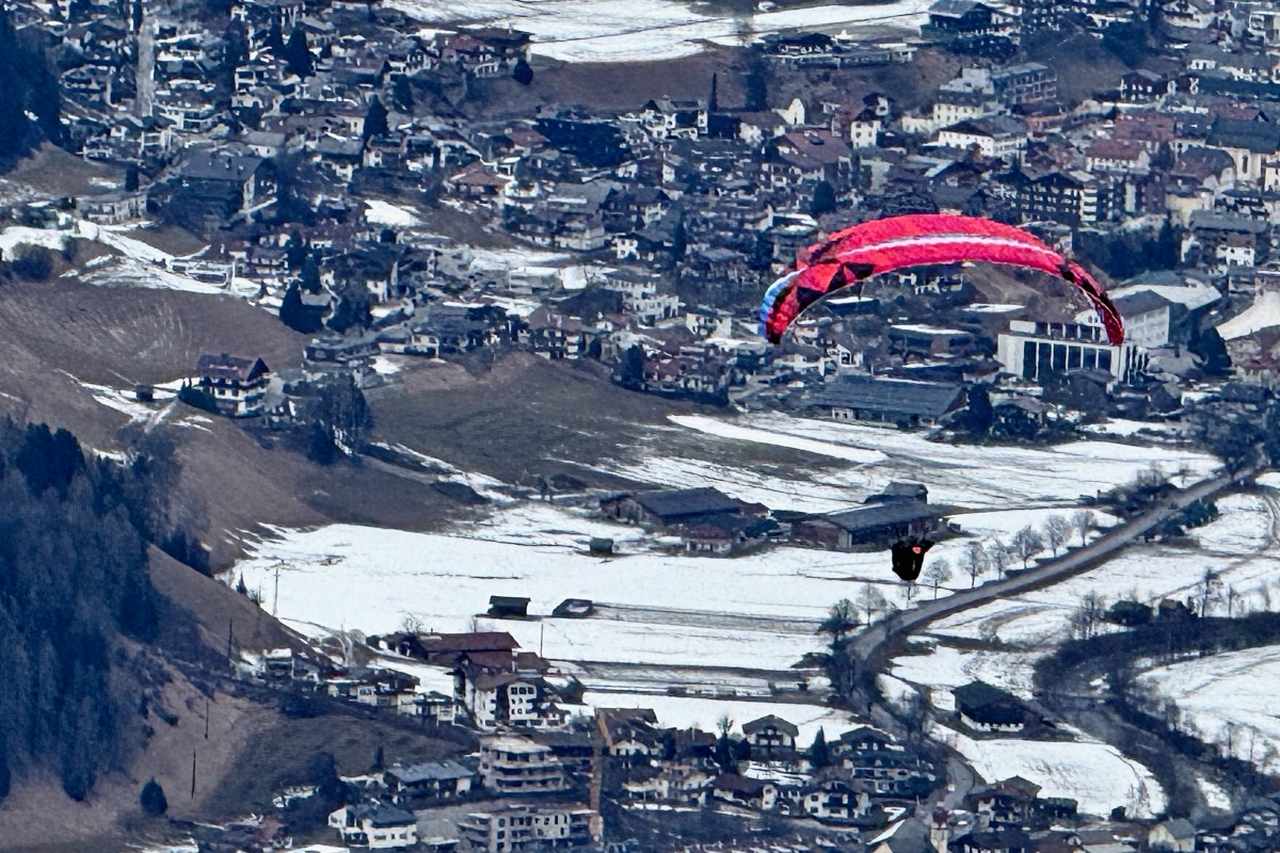
Floating over the Stubai Valley
So, how does it work? Just pop the pass in a pocket of your ski jacket, and it will open all the barriers on all the ski lifts. Keep your Welcome Card with you for travel on public transport and entry to the attractions listed on the accompanying leaflet. This card must be shown on entry to each attraction, and a ticket will be issued for the first visit. Further visits are not free. Hiring winter sports equipment can be done in the city centre, where there are several ski hire outlets. Skis and snowboards can be stored in lockers available at various locations around the city; the most convenient is the one at the main station, as most buses and trams depart from there. Alternatively, equipment can be hired from the larger ski areas above the town and in the Stubai Valley. It can also be stored there, but that only works if skiing at the same resort every day.
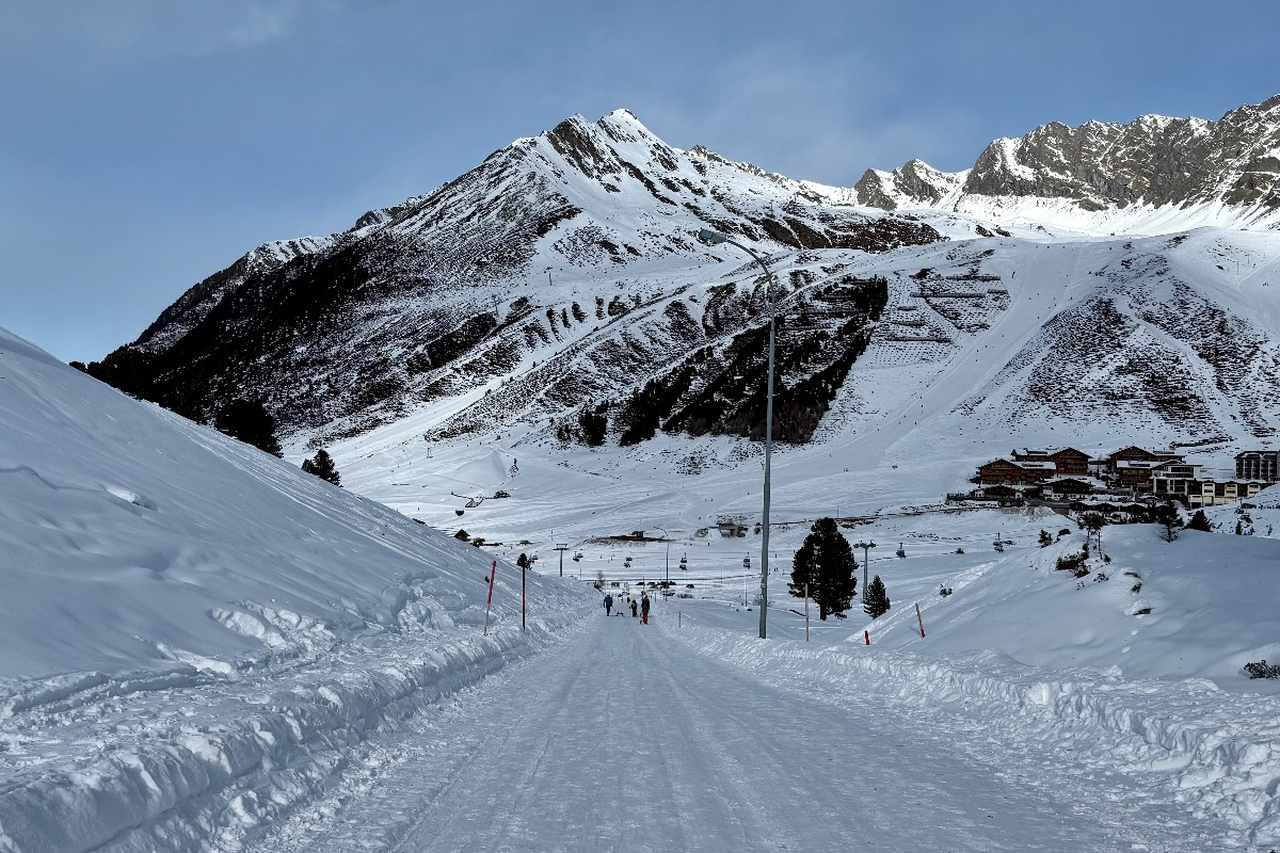
Kühtai Ski Area in Innsbruck
Sightseeing in Innsbruck
This historic Austrian town was first settled during the thirteenth century. Located on trade routes between adjoining countries of Germany and Italy the town has flourished since then and it could be that the name derives from the popularity of its inns that have housed many famous people from royalty to writers. Or maybe because, very early on there was a bridge
over its river known as the Inn Brucke. It was a favourite with the Emperor Maximilian 1, founder of the House of Hapsburg. He considered Innsbruck to be his capital and many of the historic buildings reflect that including one of his famous creations, the Golden Roof. He commissioned the Imperial Court Church (Hofkirche) to house his elaborate tomb but it was his grandson, Emperor Ferdinand I, who actually built it. This austere building houses an ornamented interior featuring 28 bronze statues (Schwarze Mander) surrounding Maximilian’s stunning, but empty, cenotaph.
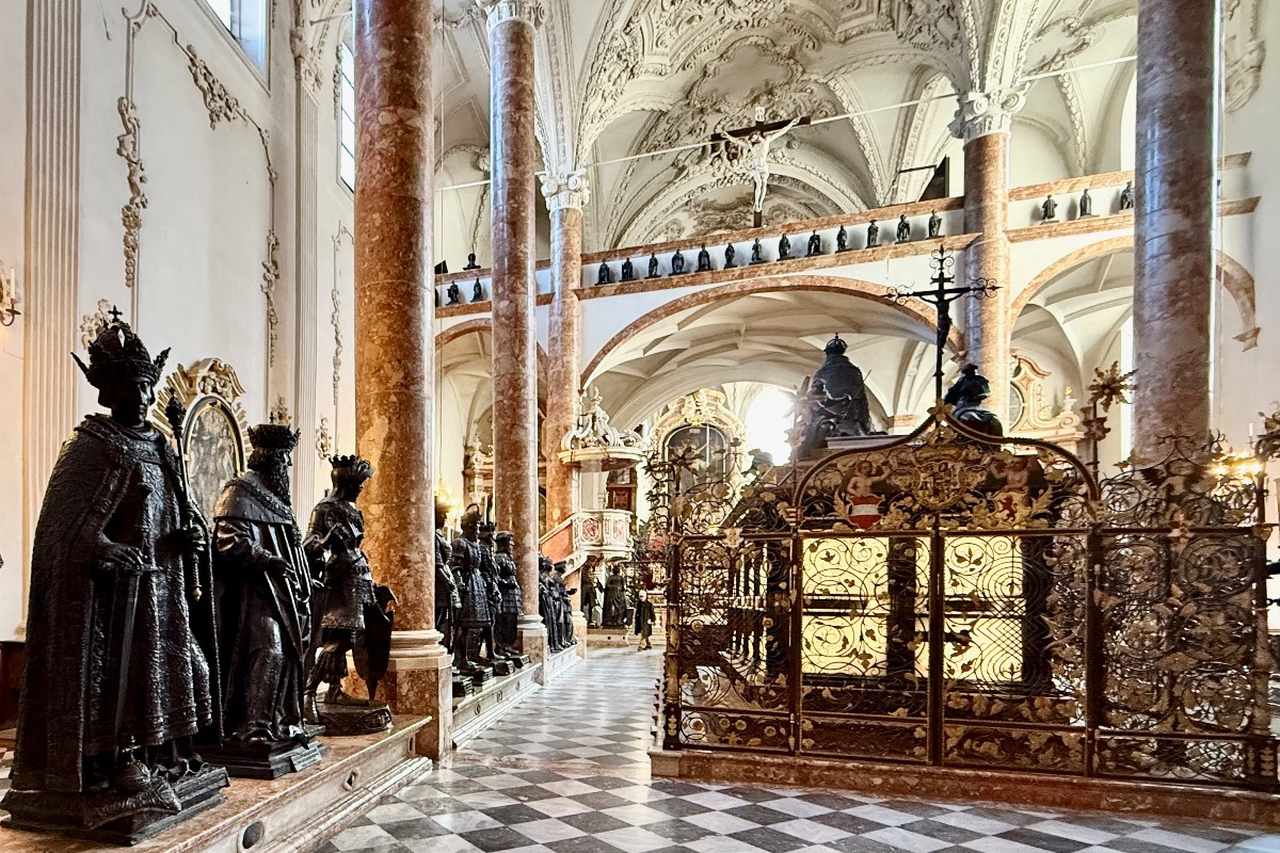
Inside Imperial Hofburg in Innsbruck
The best way to learn about them is through a guided tour, and one guided tour is included on the Pass. Guided tours are generally in German but can be arranged for groups of 10+ by prior arrangement. However, it is easy to find one’s way around the compact old town. An alternative is the Sightseer Hop on – Hop off bus (the Pass is a ticket), which is ideal for visiting sites away from the town centre, including the Ambras Castle, the ski jump on Bergisel Hill and the Alpenzoo. The latter can also be accessed via the Hungerburgbahn funicular, whose main station is in the old town.
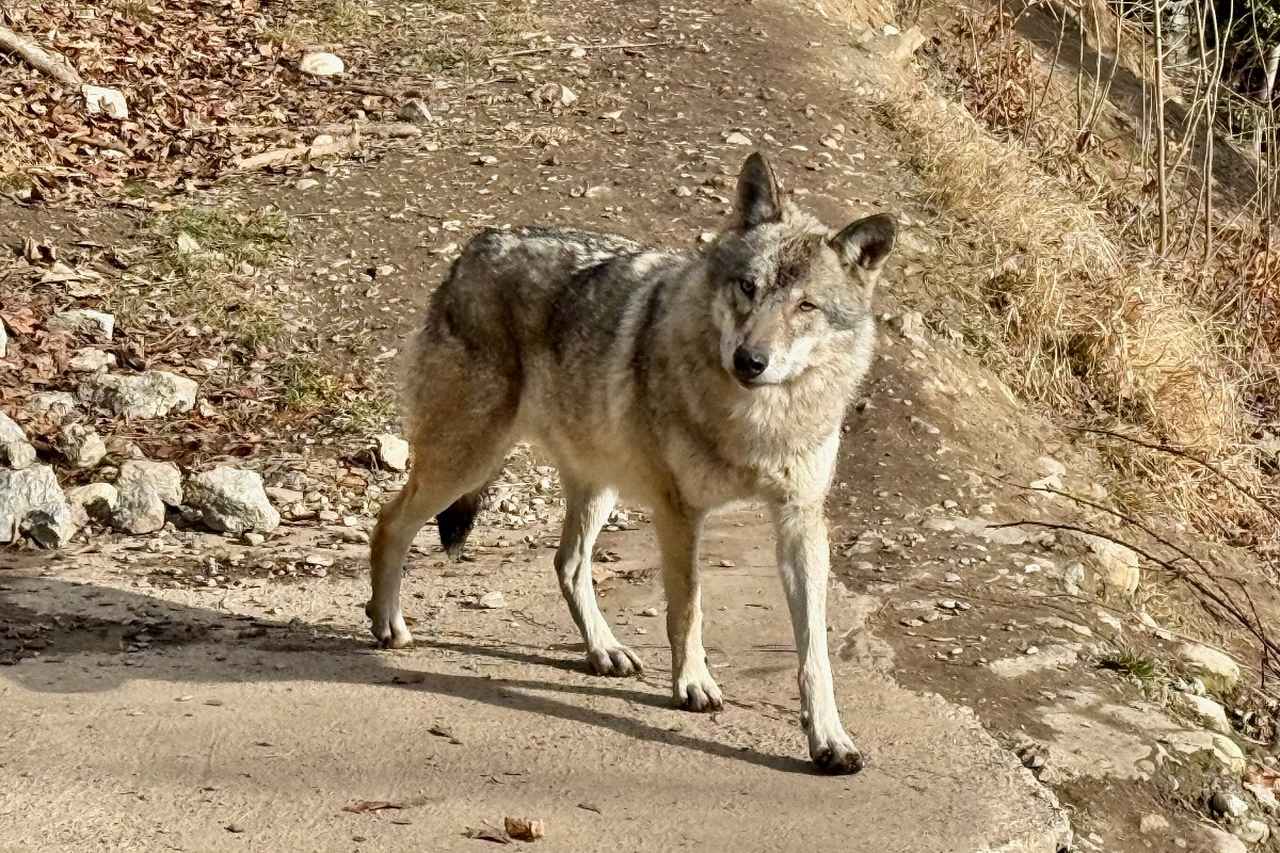
Wolf at the Alpenzoo in Innsbruck
Skiing Around Innsbruck
The Pass covers 8 ski areas around Innsbruck: Nordkette, Kühtai, Muttereralm, Axamer Lizum, Patscherkofel, Rangger Köpfl, Glungezer and Hochötz. And 4 along the Stubai Valley; Stubai Glacier, Schlick 2000, Elferbahnen and Serlesbahnen. These vary in size and character as well as distance from the city. Closest to the city is the Nordkette ski area as this is accessed from the town centre via the Hungerburgbahn funicular and the Seegrubenbahn and Hafelekarbahn lifts, two short cable cars. This small ski area is not ideal for beginners but it is worth the journey to the top to enjoy the views across the city and a lovely lunch on the large sun terrace outside the Seegrube restaurant. Cosy mountain restaurants are a feature of all the larger ski resorts, and most offer tasty traditional dishes.
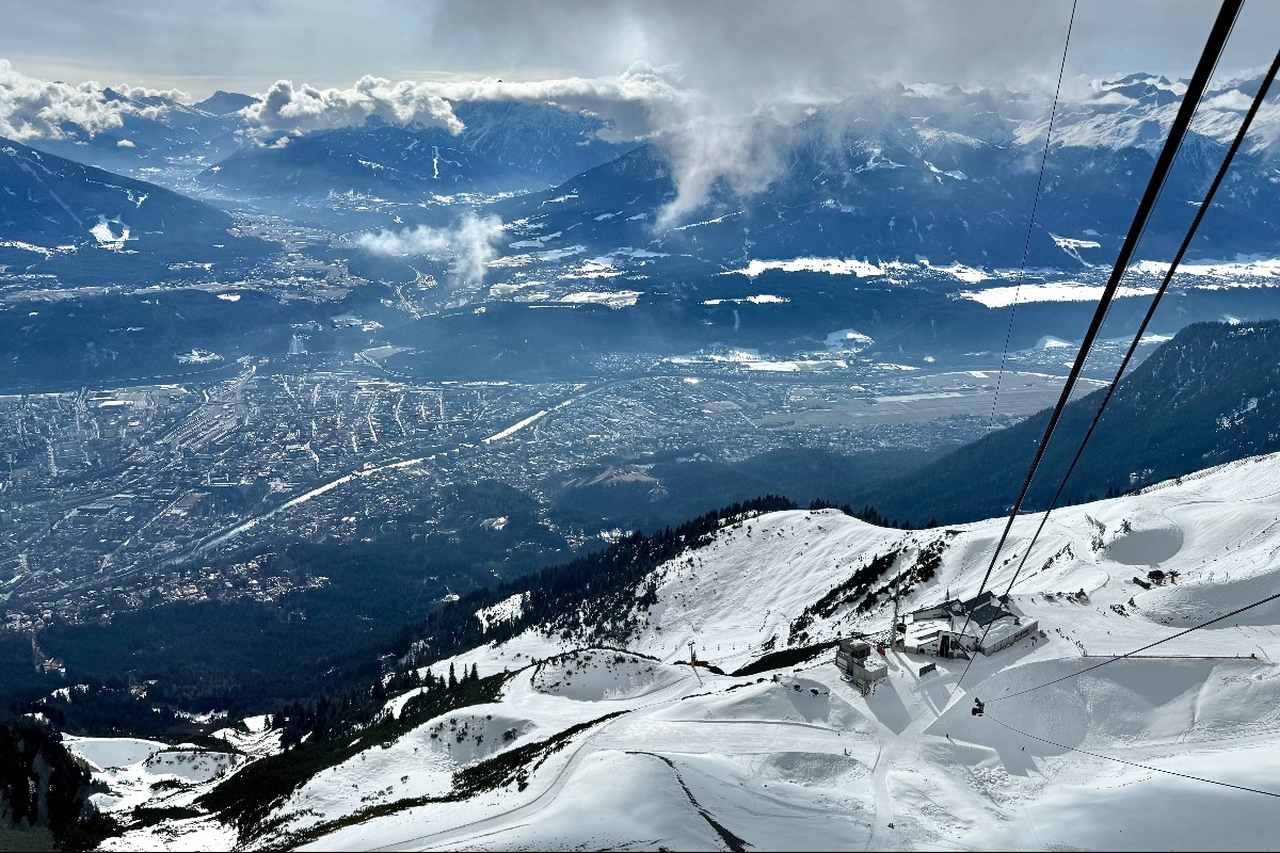
Nordkette Ski Area above Innsbruck
The highest of these resorts and most snow sure here is Kühtai which features a good beginners’ area and interesting red runs. There is a toboggan run here as well but no lift to the top. However, after walking to the top refreshment is available at the Graf-Ferdinand-Haus. This restaurant also rents toboggans for a quicker journey back to the resort. Tobogganing is a favourite pastime here and most ski resorts have a toboggan run. Some are floodlit for evening entertainment one day in the week. Muttereralm is good for beginners and families as is Axamer Lizum the largest ski area closest to the town.
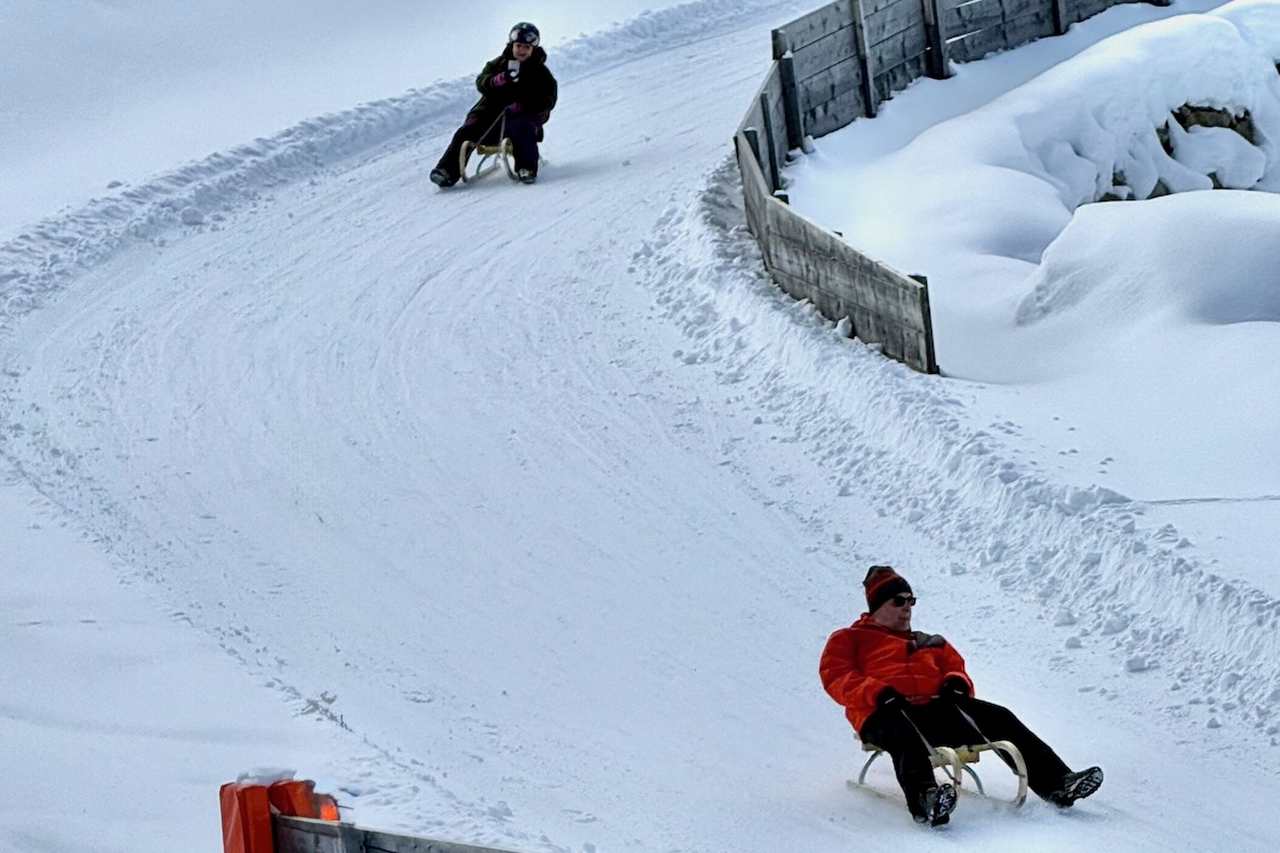
Tobogganing in Innsbruck
Skiing in the Stubai Valley
The Stubai Valley is included in the Pass and accessible by public transport from Innsbruck. The most popular resort here is the Stubai Glacier, and for good reason. It has everything for skiers and snowboarders of all levels, including magic carpets on a large nursery slope to off-piste adventures (best done with a local guide). A series of cable cars whisk skiers up to the top of the glacier, and then a long staircase leads to the peak for stunning, ethereal views. Schlick 2000 is also a popular resort and is connected to Innsbruck by regular ski buses (included in the Pass). This resort is very popular for paragliding and features the Panorama Restaurant Kreuzjoch offering traditional dishes made from local produc,e including an excellent Wiener Schnitze.
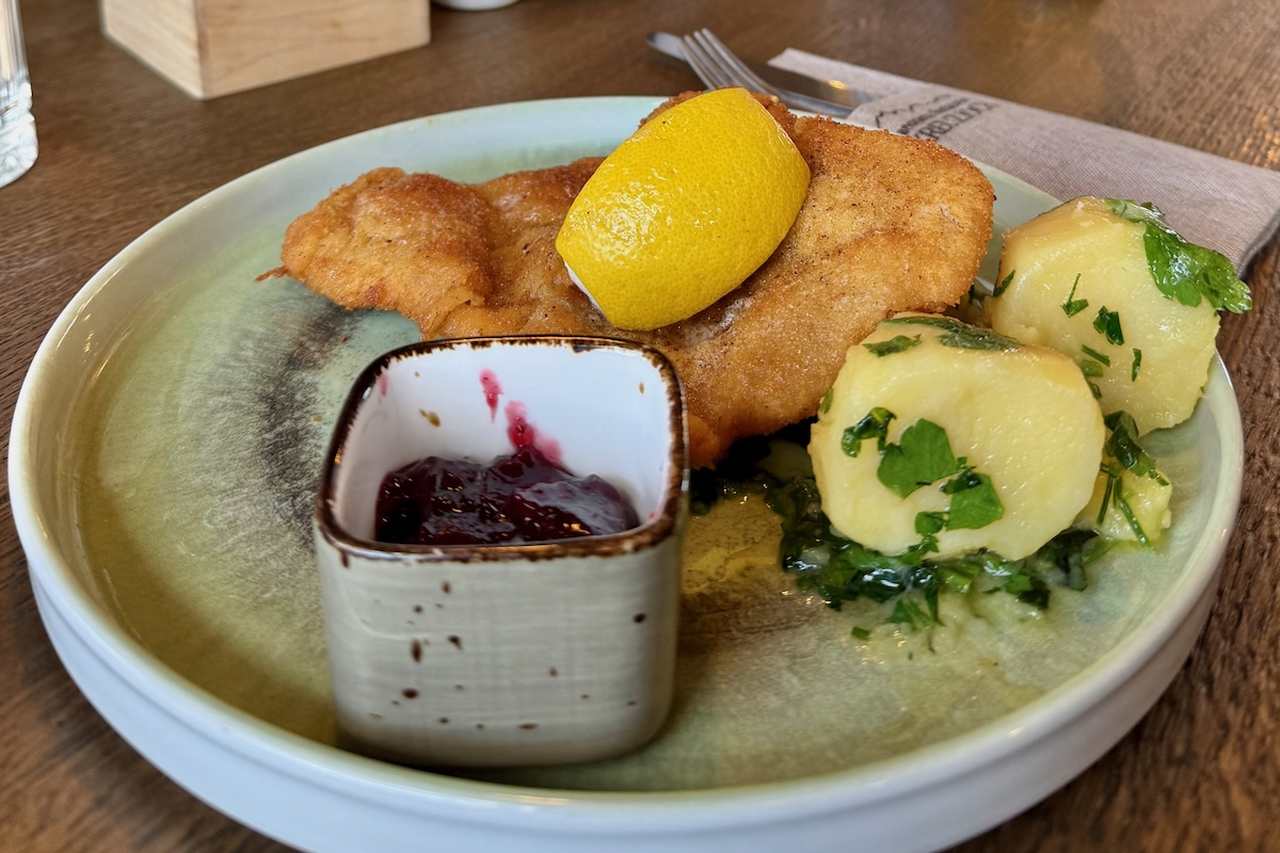
Wiener Schnitze at Panorama Restaurant Kreuzjoch, Schlick 2000
This flexible ski pass has been created to ensure its holders have the best experience between the city and the mountains of Innsbruck. No time is wasted if the weather is bad and it is ideal for skiers who don’t want to ski all day but are looking for interesting alternatives. It also suits families of ardent skiers and those with a more casual approach.
More info: Click here for more information about the Ski plus City Pass Stubai Innsbruck, and here to purchase your pass.
Where to stay: Adlers Hotel, famous for its rooftop views.
You may also like A refreshing approach to the Ski Pass to Trentino