
Located on the beautiful Norfolk coast, Great Yarmouth is one of England’s best-known seaside resorts. Combining wide sandy beaches, rich maritime heritage, lively family attractions, and easy access to the stunning Norfolk Broads, the town offers something for every type of traveller
Great Yarmouth
Great Yarmouth
Great Yarmouth
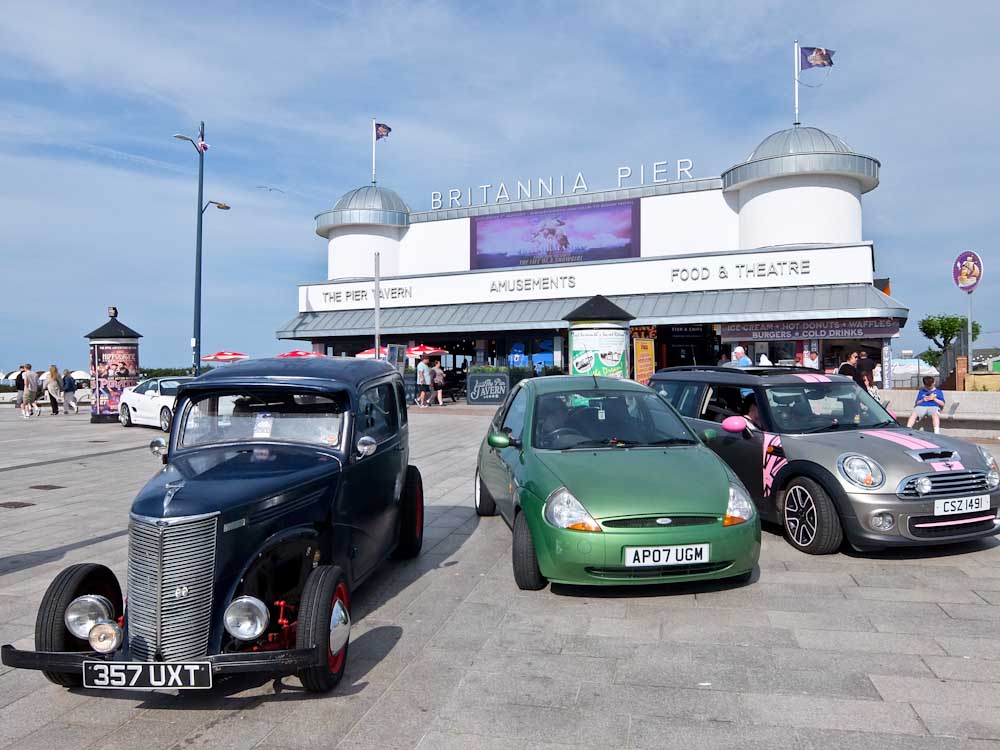
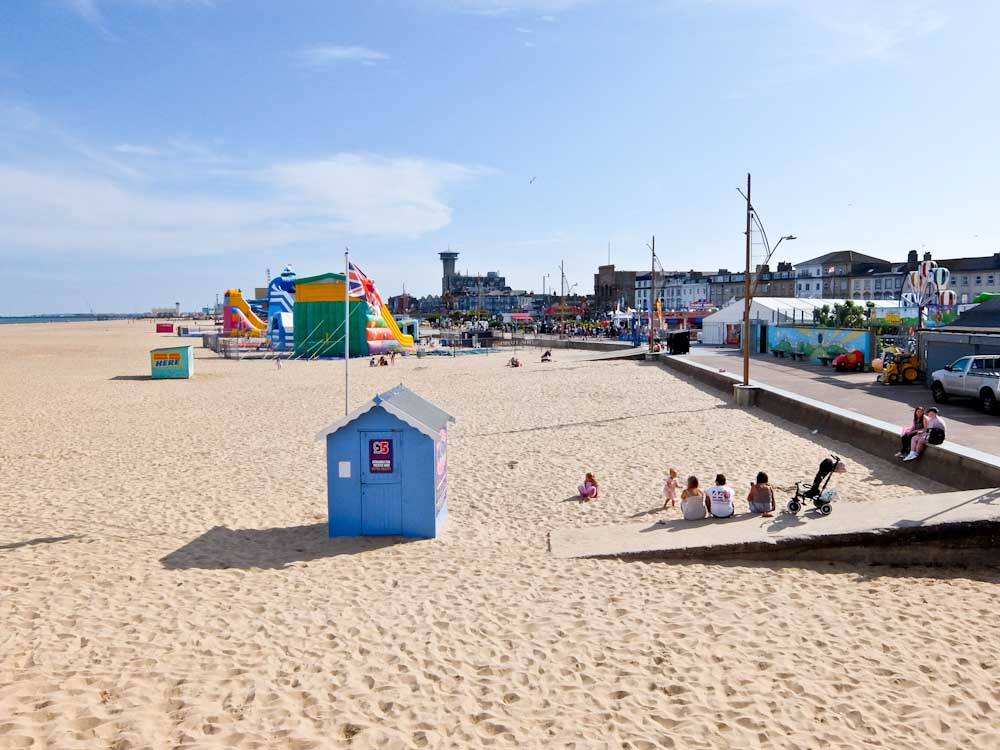
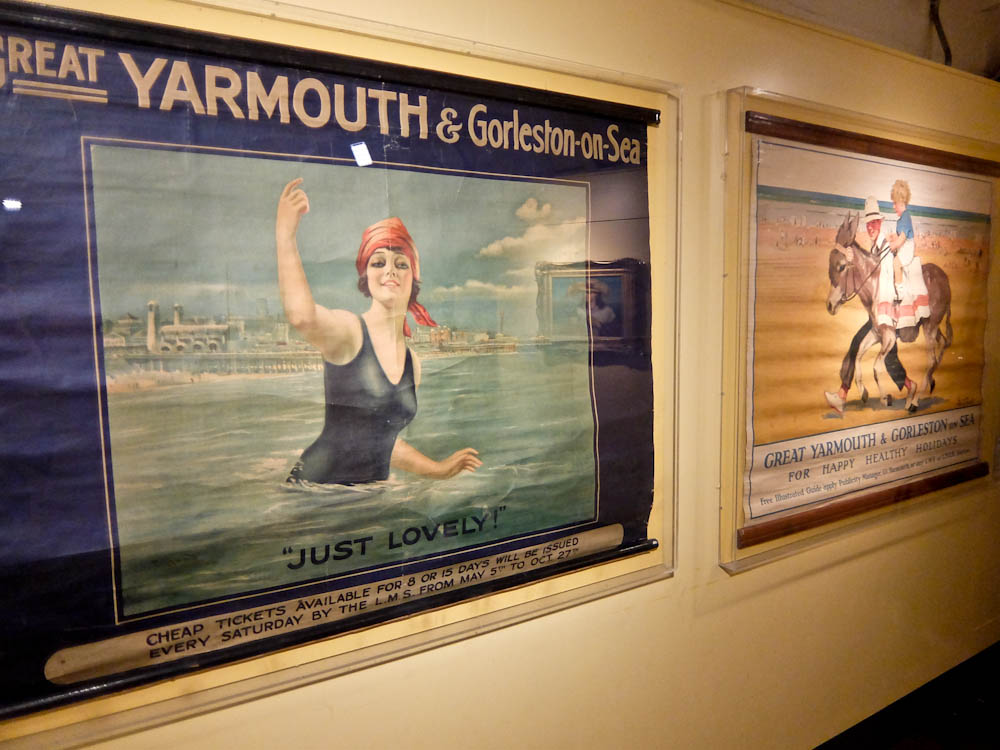
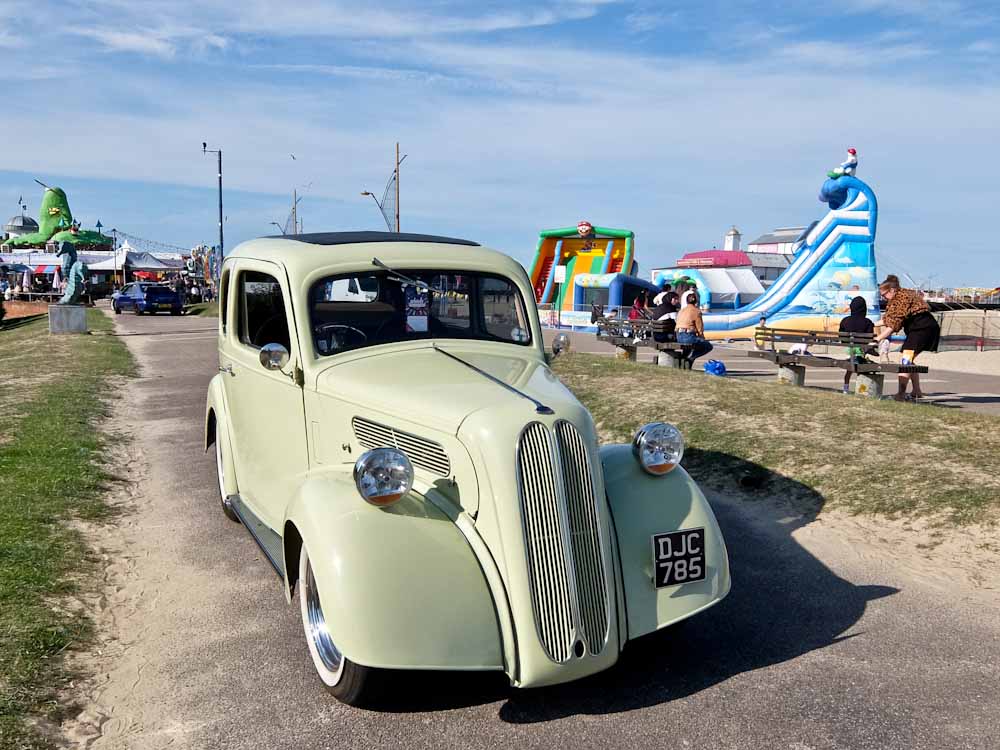
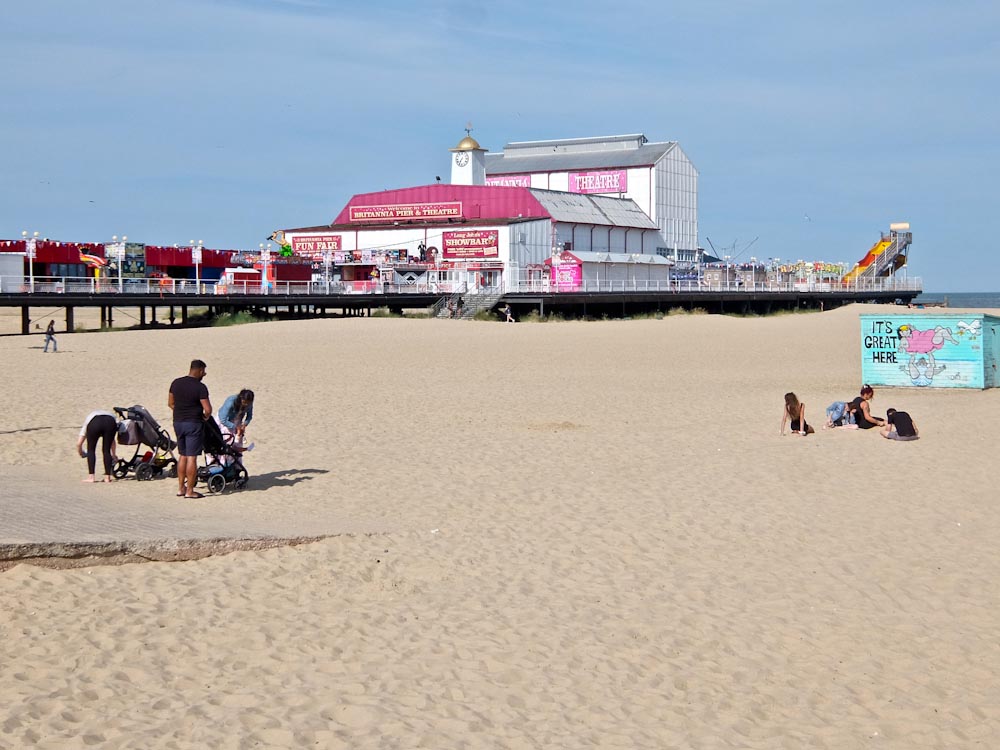
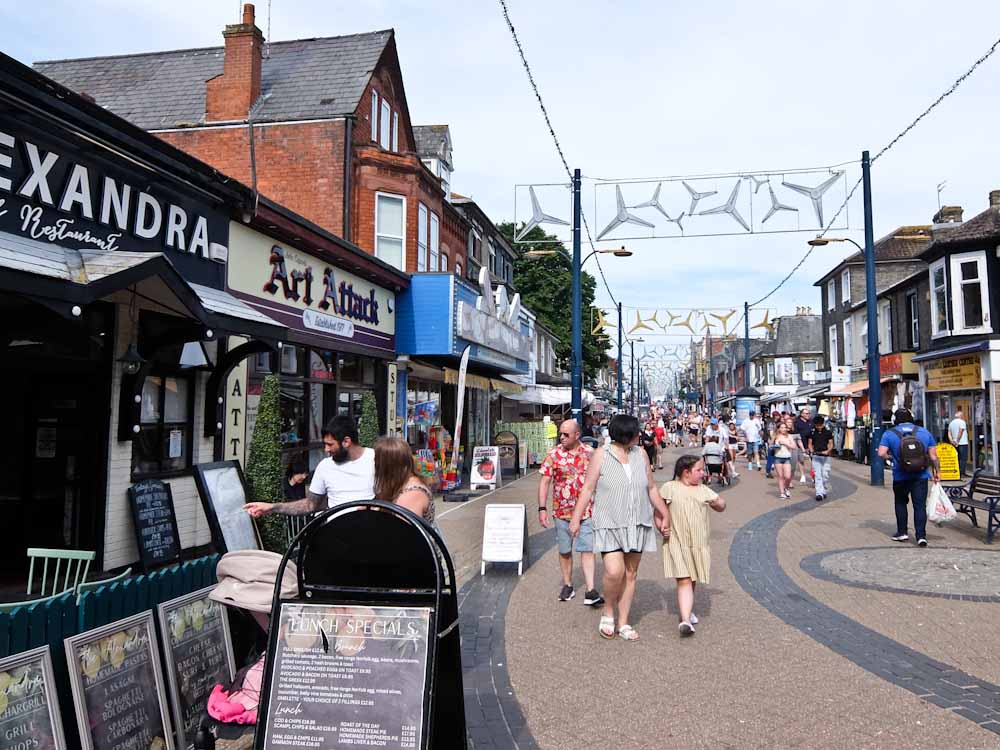
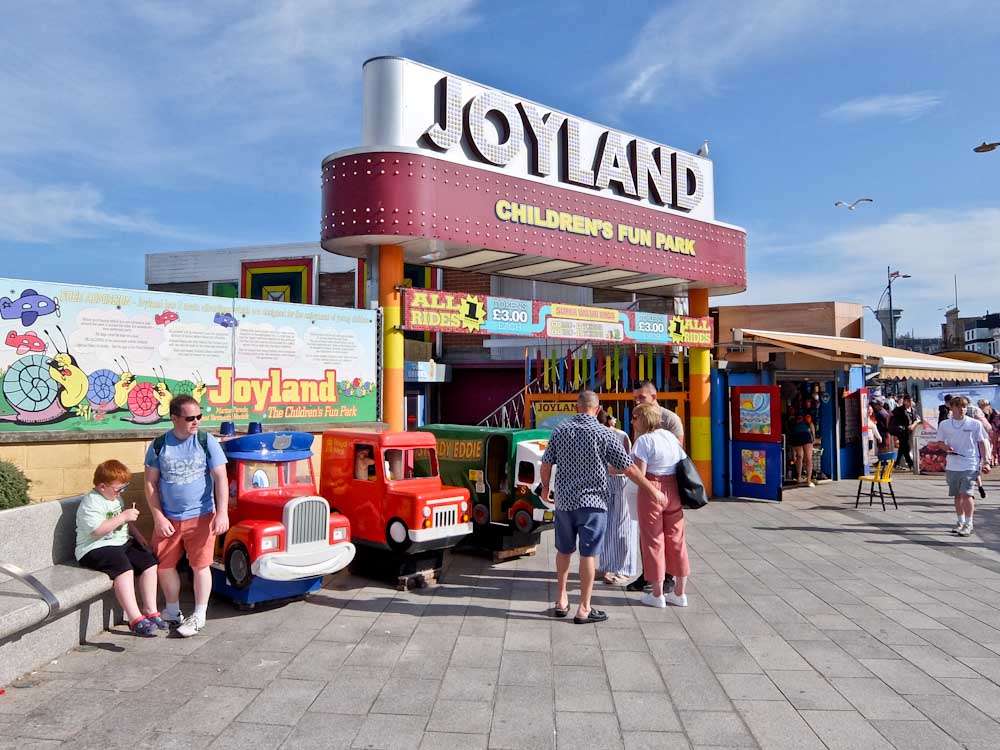
Great Yarmouth has welcomed holidaymakers for more than 250 years. The Golden Mile is the heart of Great Yarmouth, offering miles of sandy beach alongside amusement arcades, cafés, and entertainment. During the summer months, the promenade comes alive and my visit coincides with the annual Wheels festival, classic cars parked on the seafront.
Great Yarmouth

Great Yarmouth
Great Yarmouth
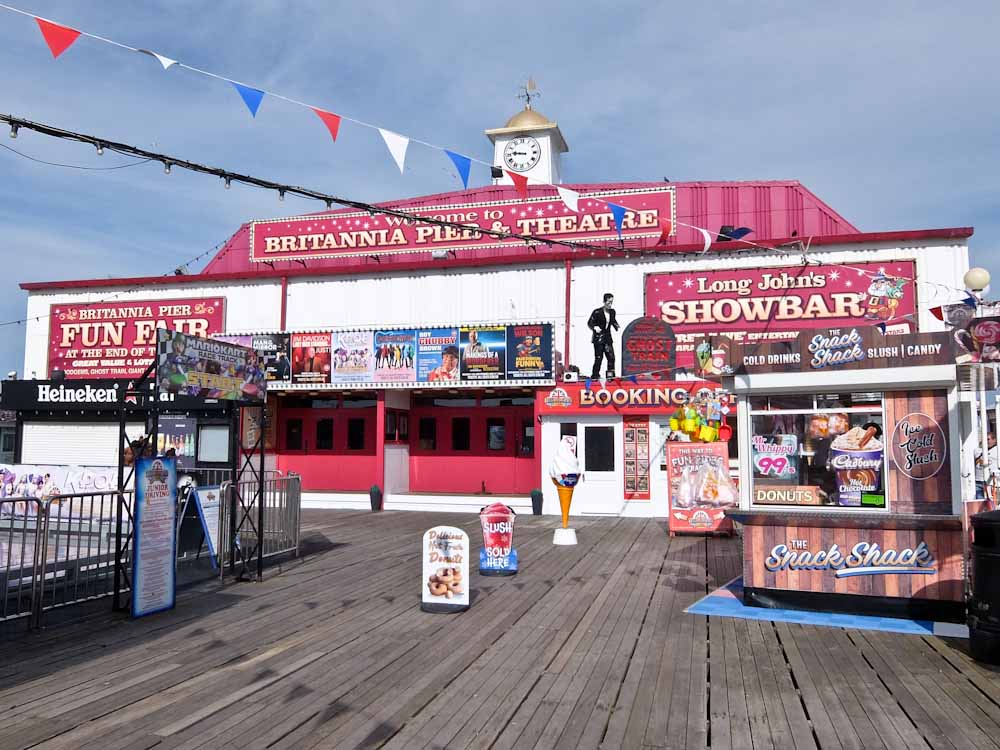
The Britannia Pier has welcomed visitors since 1858 – sticking out into the North Sea, the Grade II listed pier combines classic seaside charm with modern entertainment. Walk through the traditional amusements and cafés to enjoy spectacular sea views and seasonal performances at the Britannia Pier Theatre.
Great Yarmouth
Great Yarmouth
Great Yarmouth
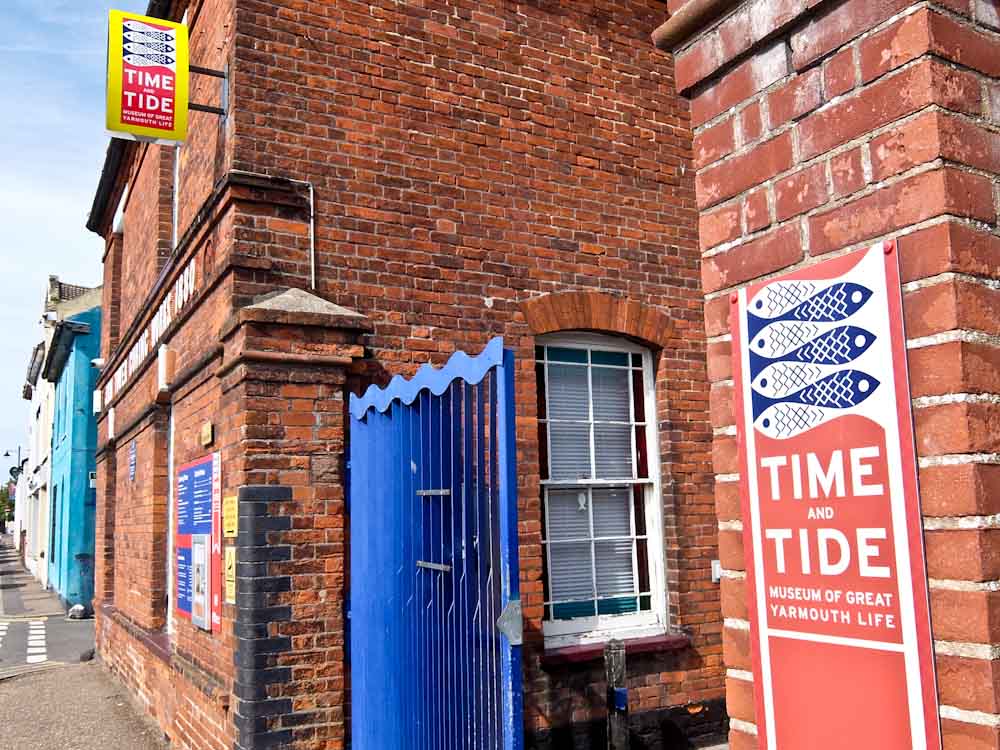
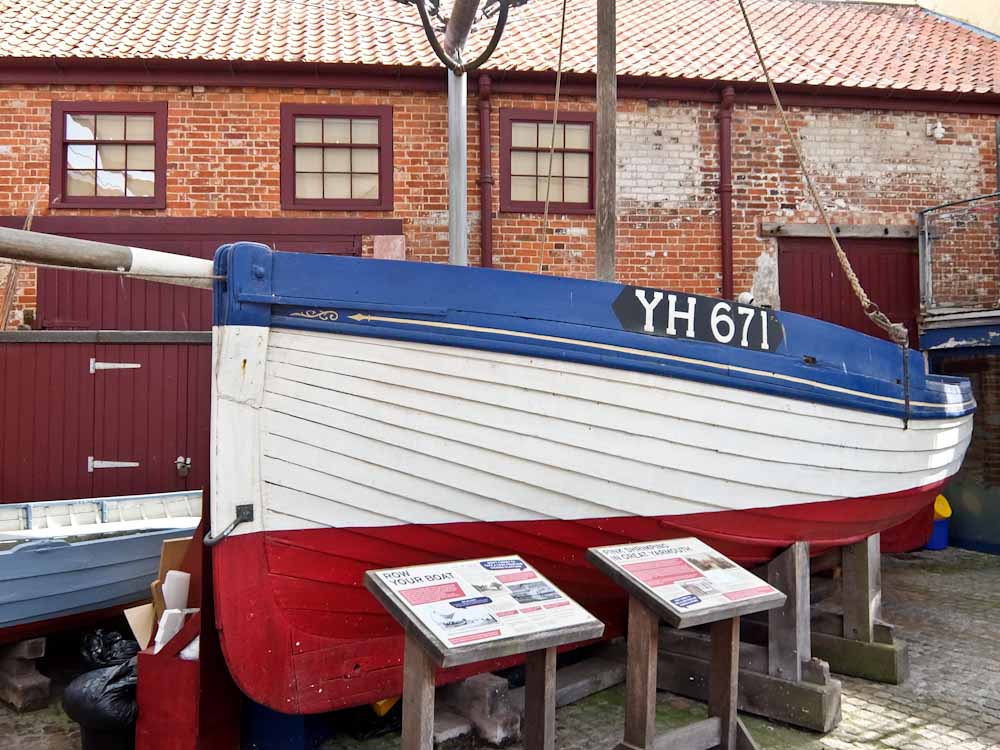
Beyond the classic seaside entertainment lies a fascinating historic town with medieval alleyways known as “The Rows”. The Time and Tide Museum tells the story of the town’s fishing industry and maritime traditions. In the surrounding countryside, the Broads National Park and North Sea coast mean it’s an excellent base for walkers, birdwatchers and cyclists.
Great Yarmouth
Day 1 Great Yarmouth to Winterton-on-Sea – 4 hours, 9 miles
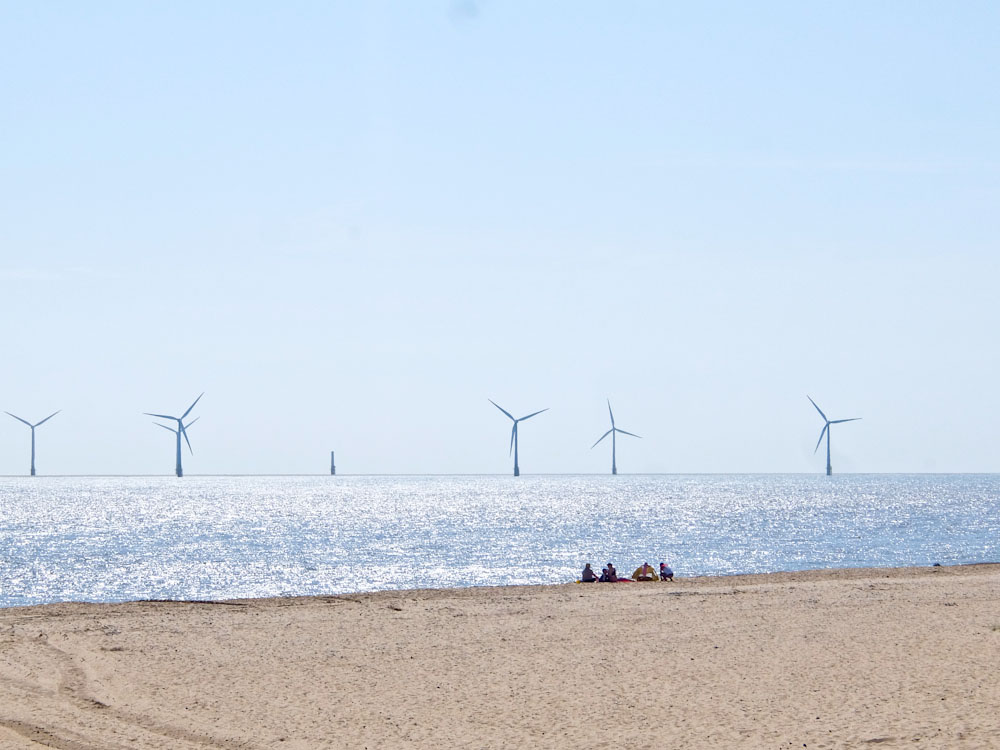
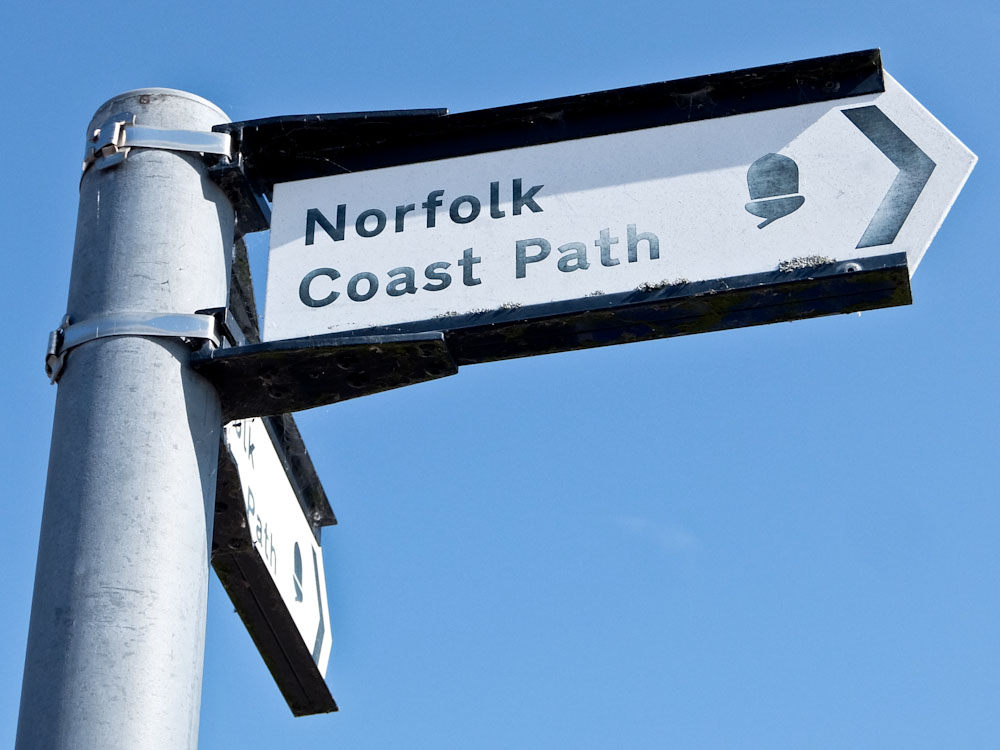
This is the Robinson Crusoe walk – in the book he’s shipwrecked off Winterton but reaches land in a rowing boat. He then makes his way along the beach to Great Yarmouth. It’s one of the most rewarding coastal routes in East Anglia and links seaside resorts, expansive dune systems, and wide-open beaches that feel increasingly wild the further north you go.
Great Yarmouth
Great Yarmouth
Great Yarmouth
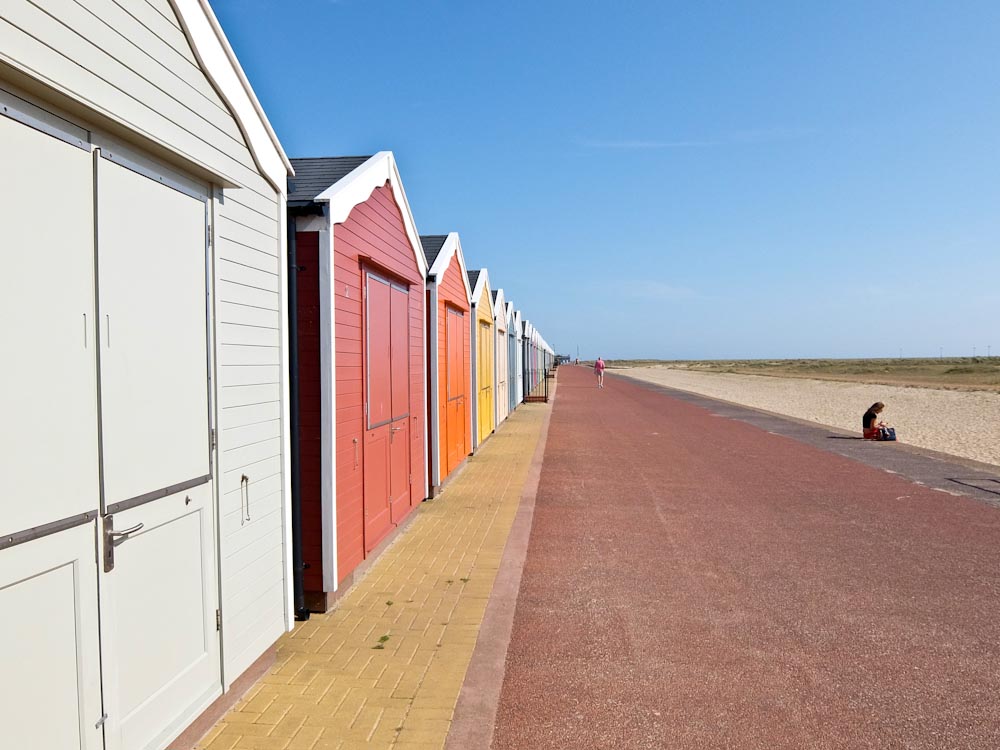
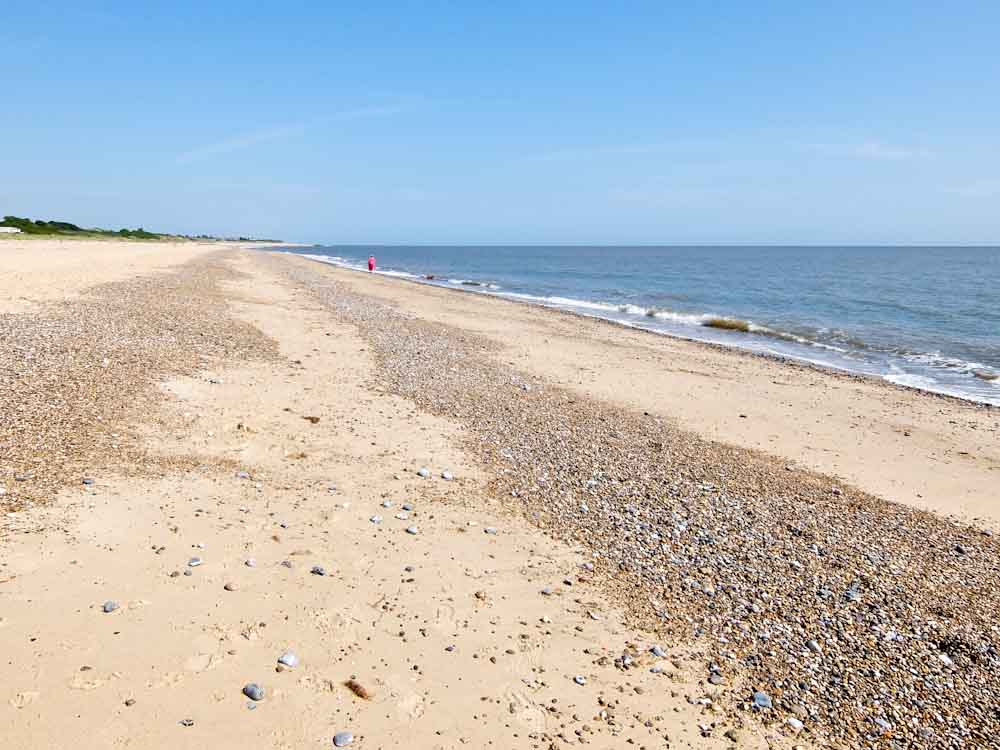
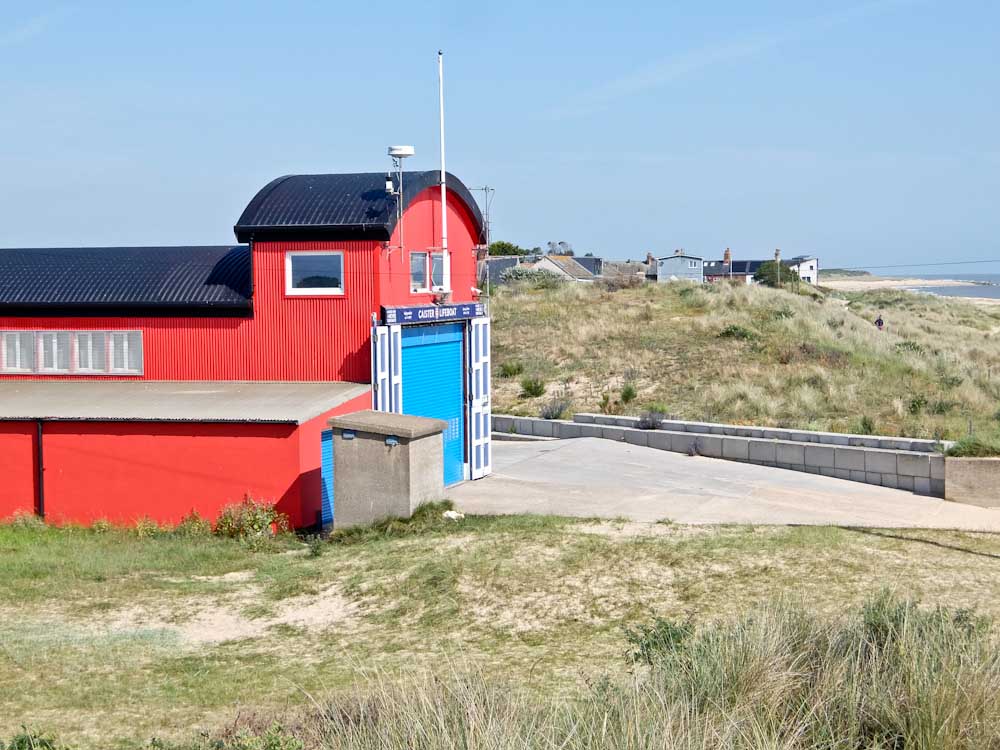
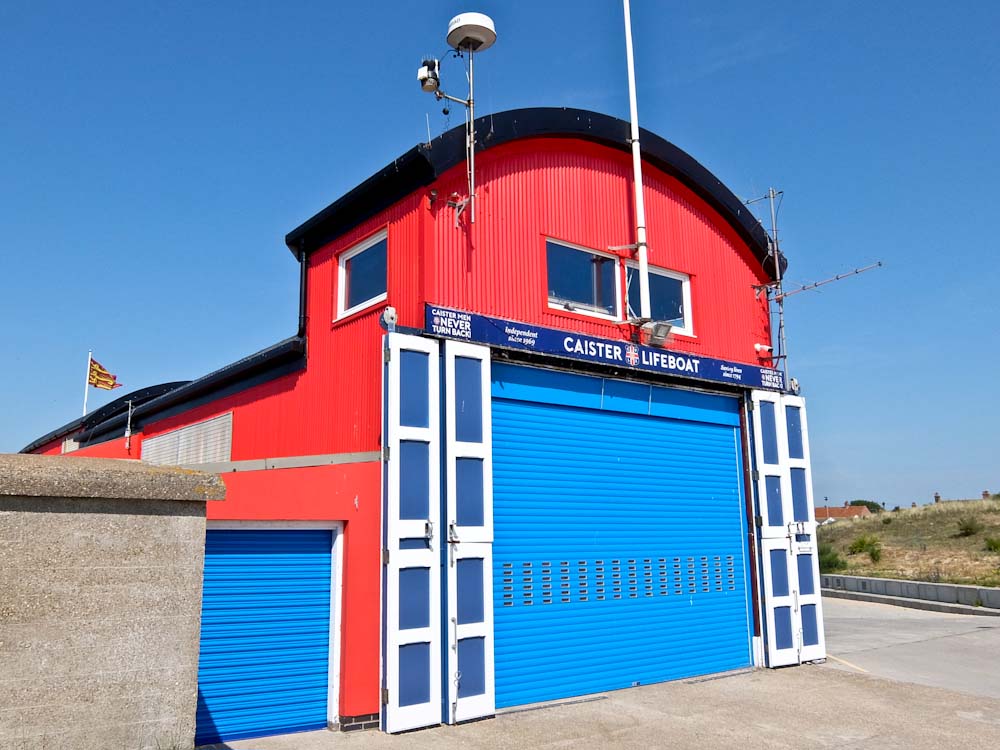
I start by walking south along the promenade at Great Yarmouth, past rows of beach huts until I reach the caravan sites. It’s then time to switch to the beach and, arriving at Caister-on-Sea, the landscape shifts subtly. The famous Caister Lifeboat Station is one of the oldest in the UK, vital for saving lives from the unpredictable North Sea.
Caister
Caister
CC Cafe
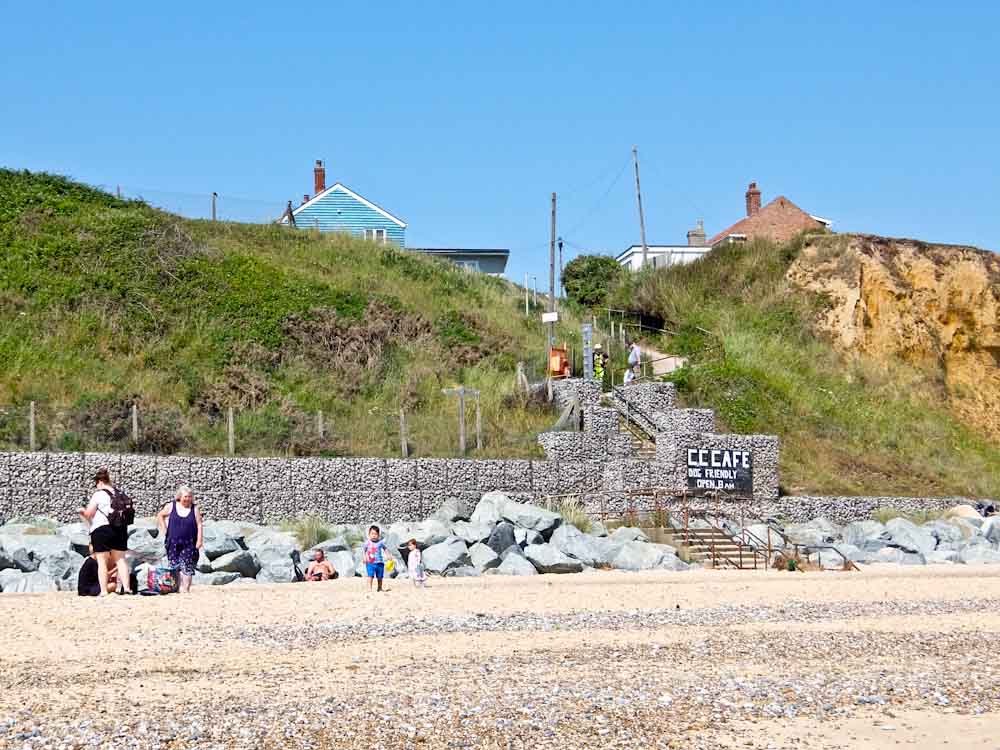
The beach here is broad and backed by low dunes, and I continue north past the tiny hamlet of California. Apparently it got its name around 1840 after a quantity of gold coins was discovered in the cliff, echoing the American gold rush of the time. The dunes are higher here and impressively steep.
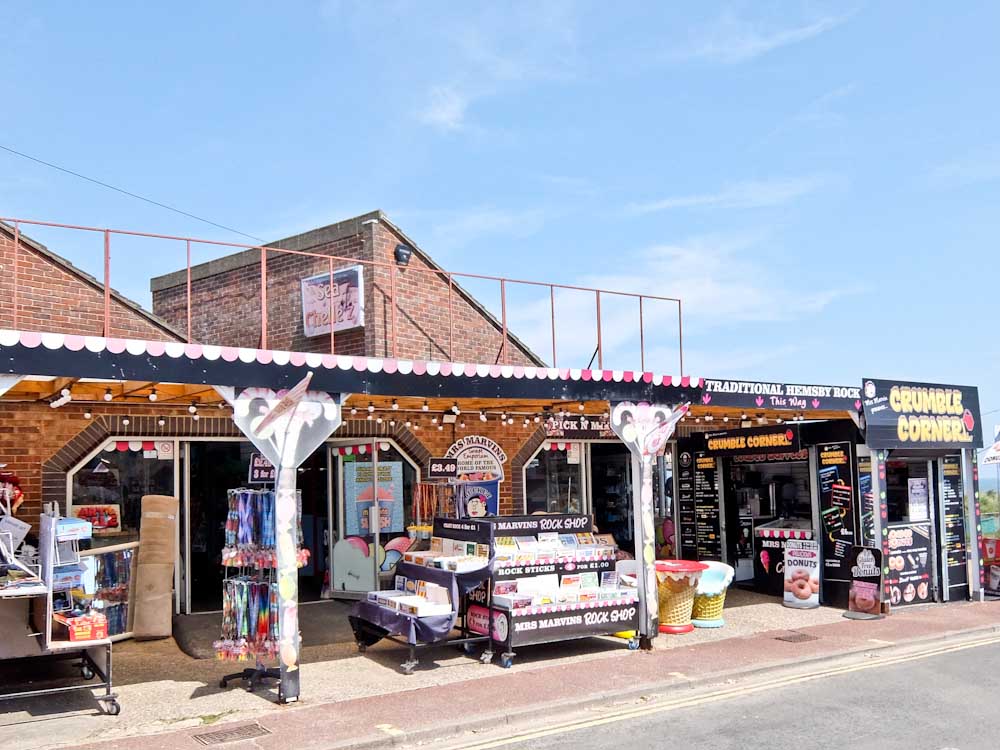
Hemsby is holiday central, all caravan parks and amusement arcades with families making the most of the beach. It’s a good place to stop for a surprisingly good pub lunch at the Lacon Arms. Cliff erosion is a constant problem here, and massive clusters of stones sit on the beach to keep the sea at bay.
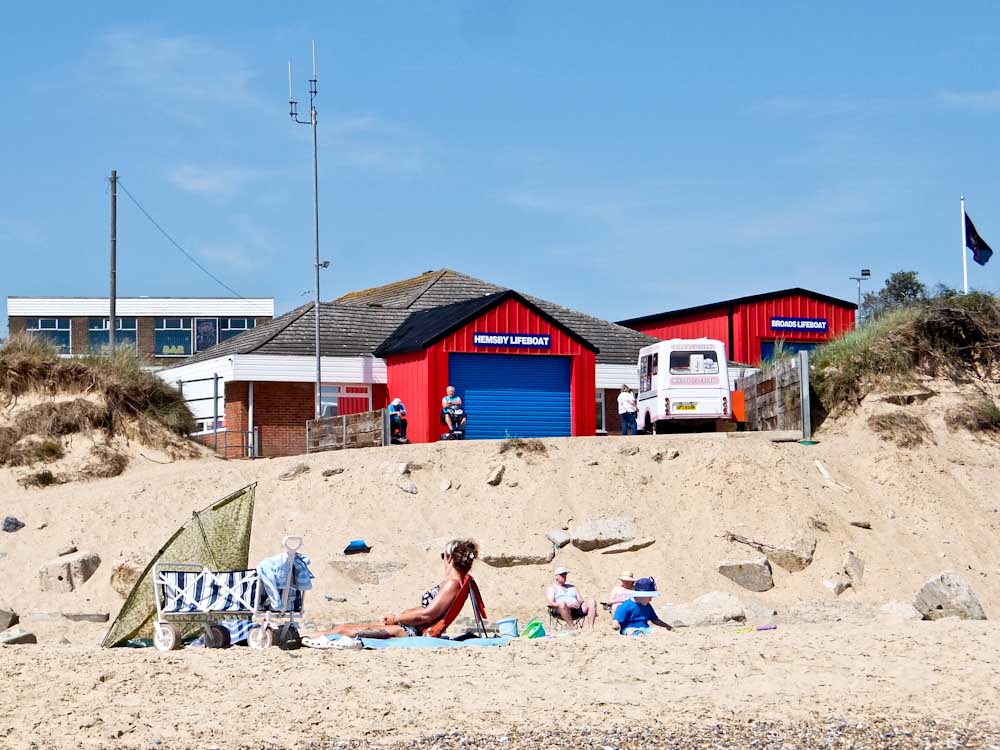
Hemsby
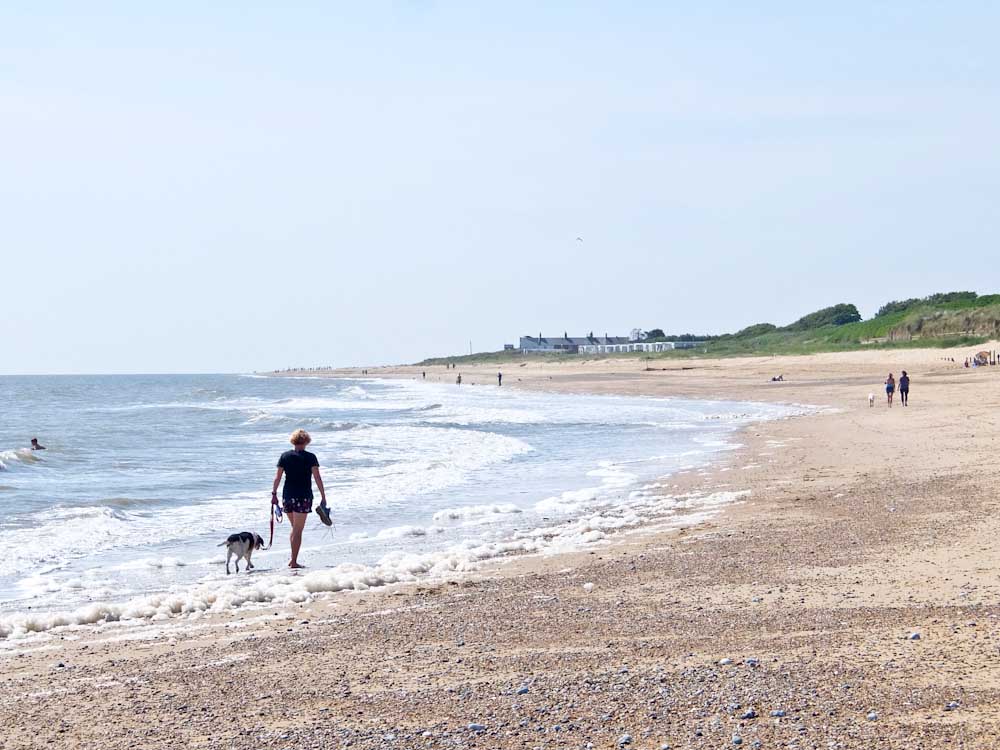
Winterton
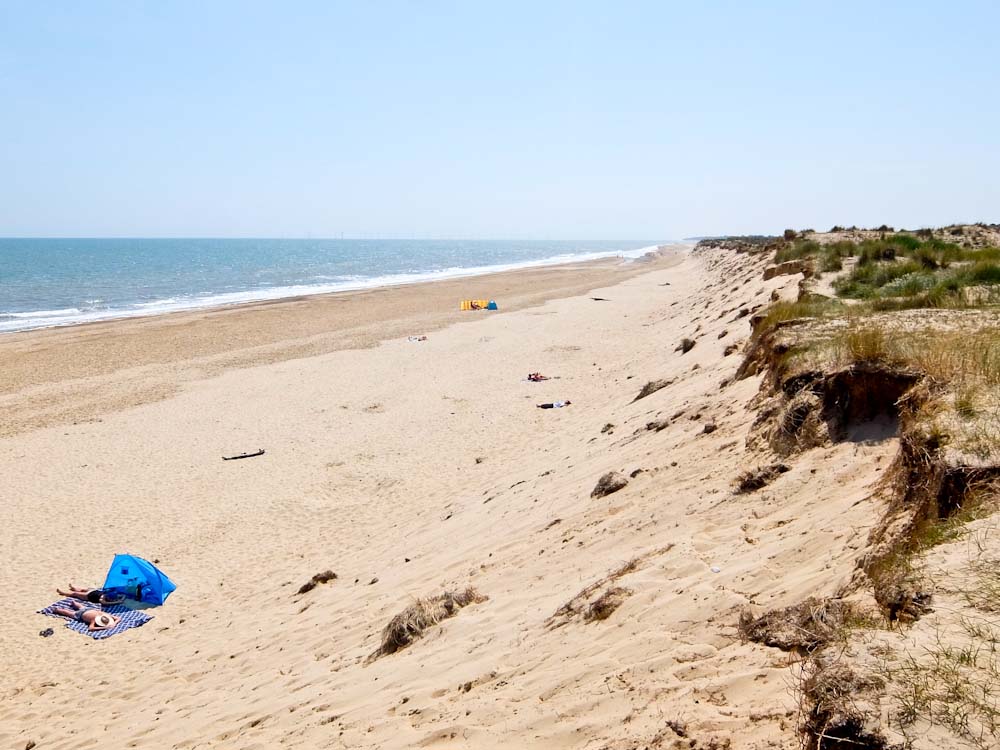
Winterton
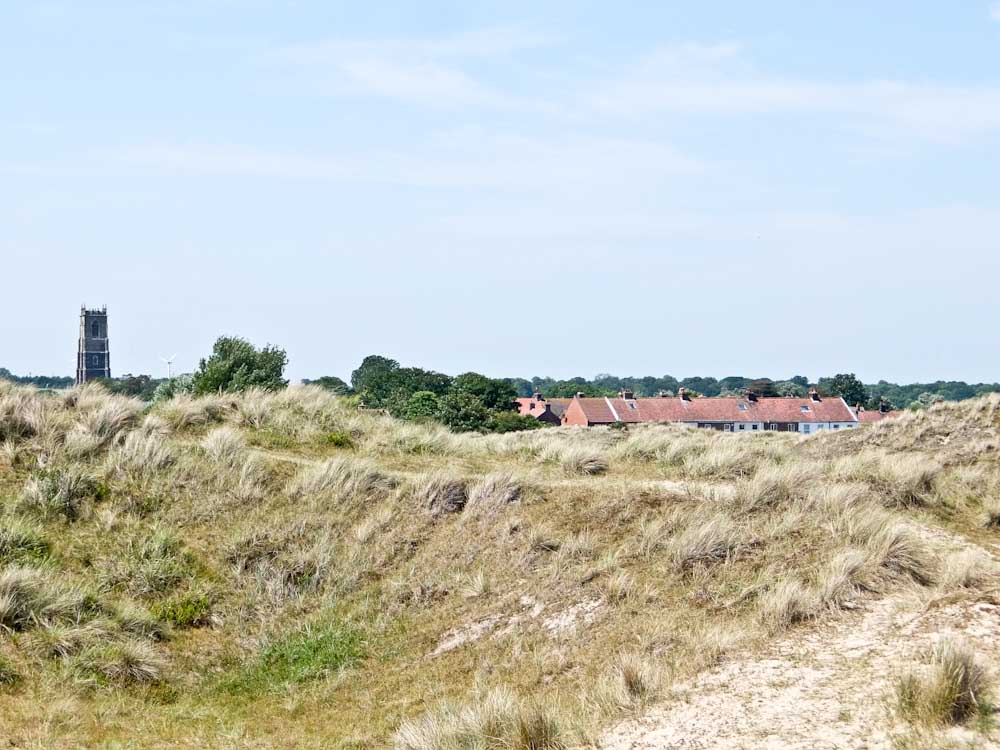
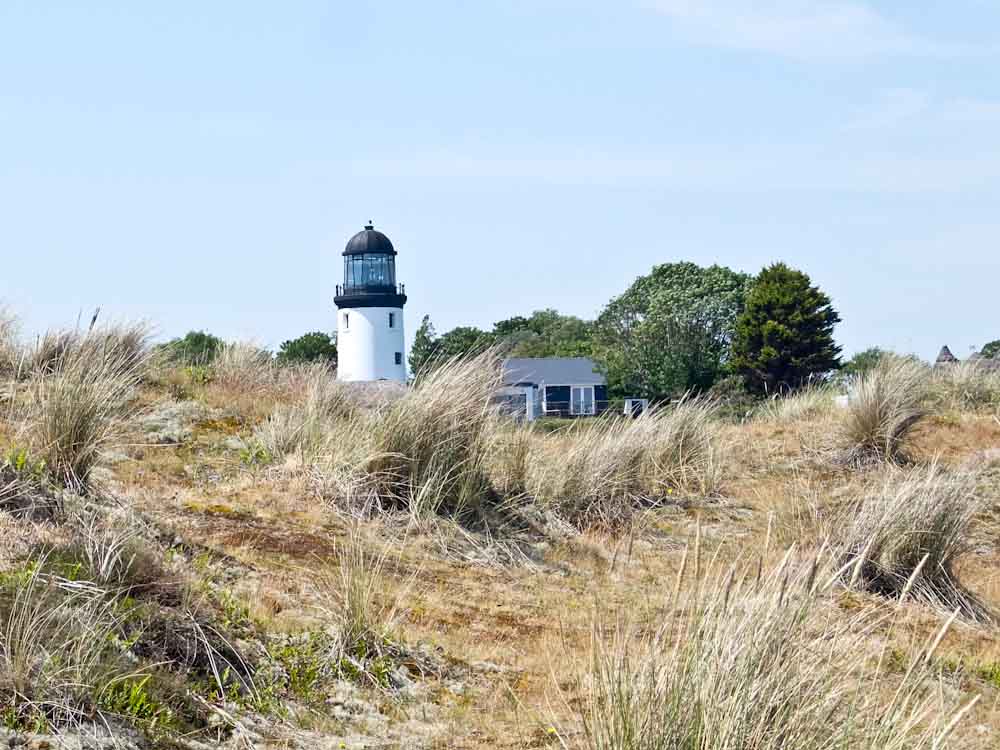
The final stretch leads into one of the most beautiful sections of the entire walk and the coastline becomes wilder. The Winterton Dunes National Nature Reserve is home to rare plants, migrating birds, and seals can sometimes be spotted on the sandbanks offshore,
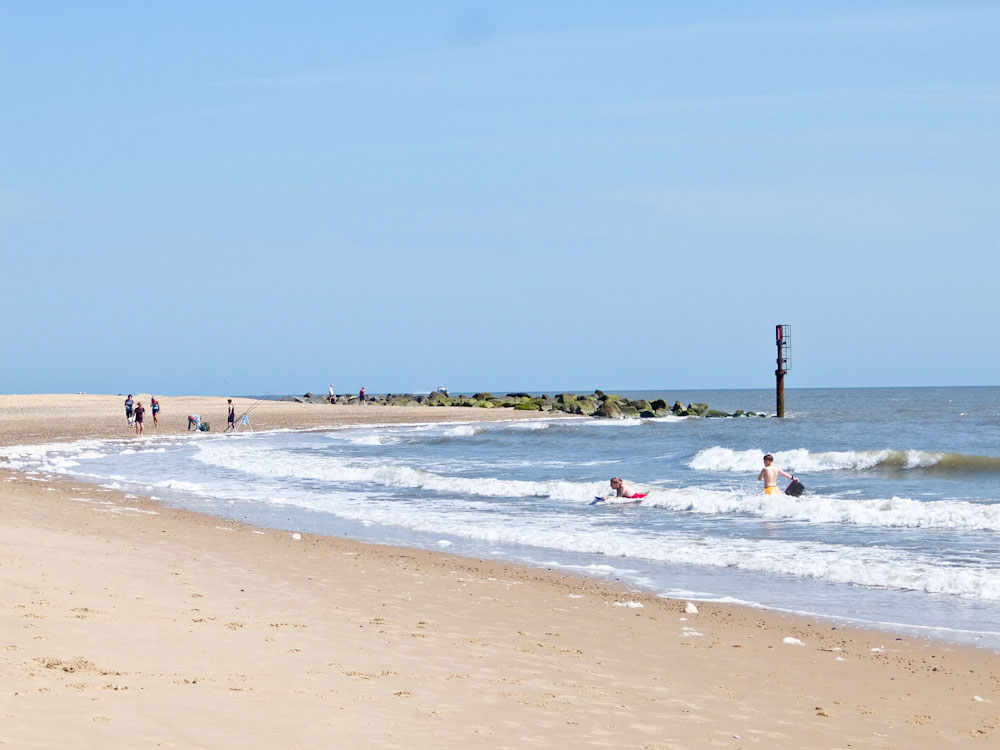
Beach
Winterton
Winterton
The village itself is small and peaceful, with a pub, a church, and a handful of cottages. It feels like a natural endpoint to the journey, where human activity steps back and the landscape takes over. I make my way back to Hemsby on the cliffs and catch the Coastal Clipper back to Great Yarmouth.
 Day 2 Acle to Great Yarmouth, Weavers’ Way – 5 hours 13.5 miles
 Day 2 Acle to Great Yarmouth, Weavers’ Way – 5 hours 13.5 miles
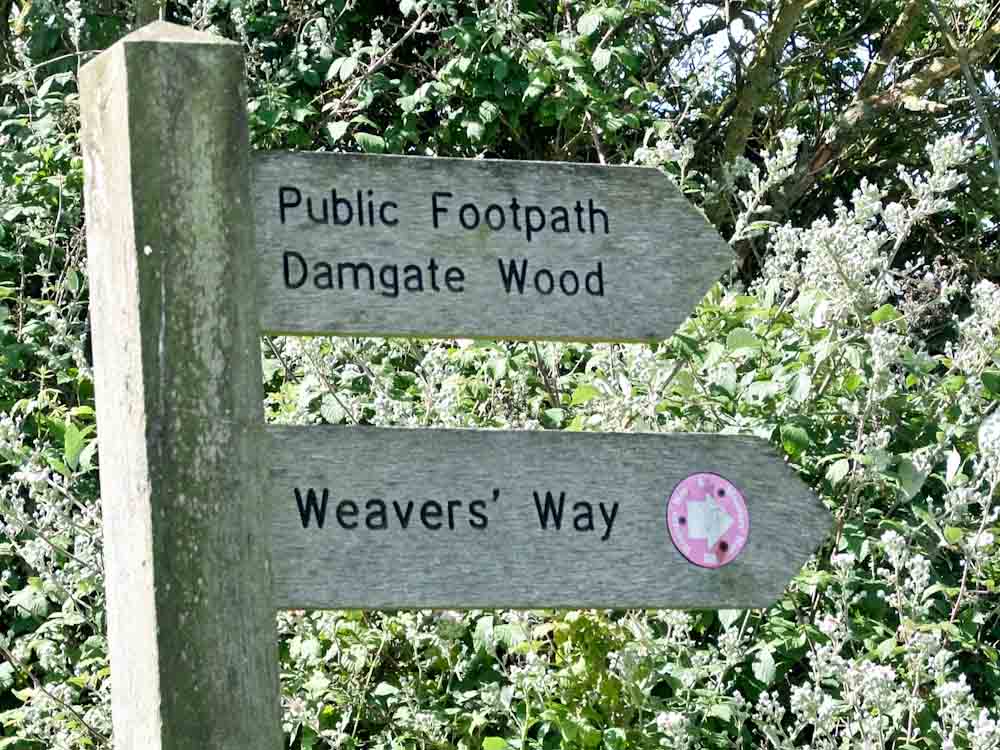
 The Weavers Way commemorates the cottage weaving industry, based here from the Middle Ages. The trail runs from Cromer to Great Yarmouth for 61 miles, but I’m only attempting the final section. My starting point is Acle, known as the “Gateway to the Broads”, an easy bus journey from the coast.
Weaver's Way
Weaver's Way
Weaver's Way
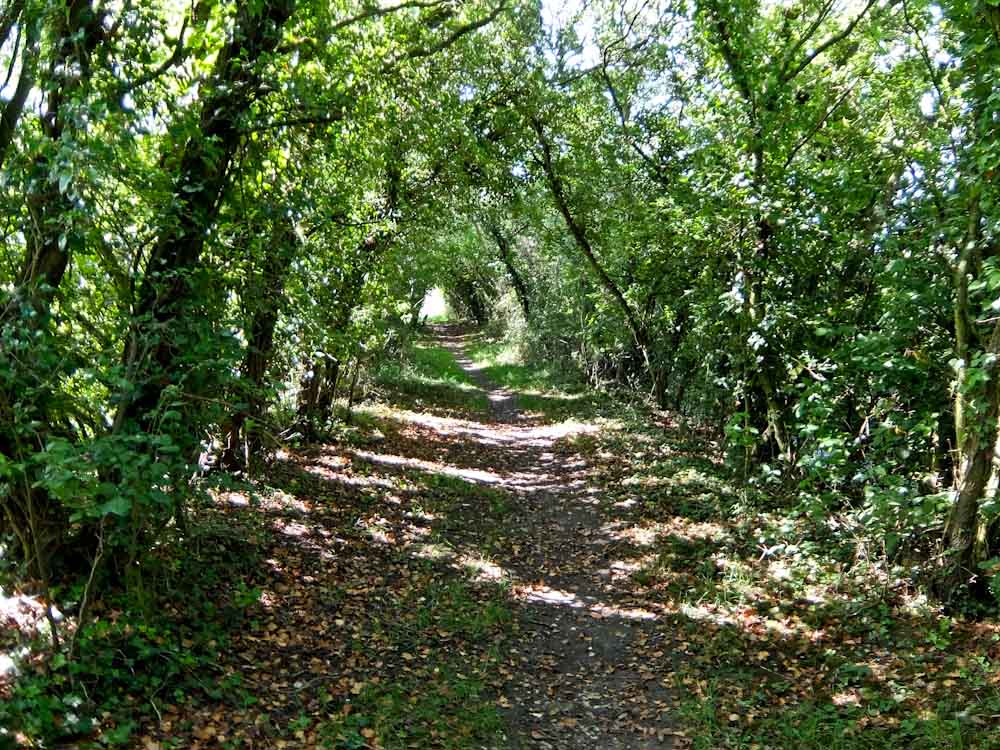
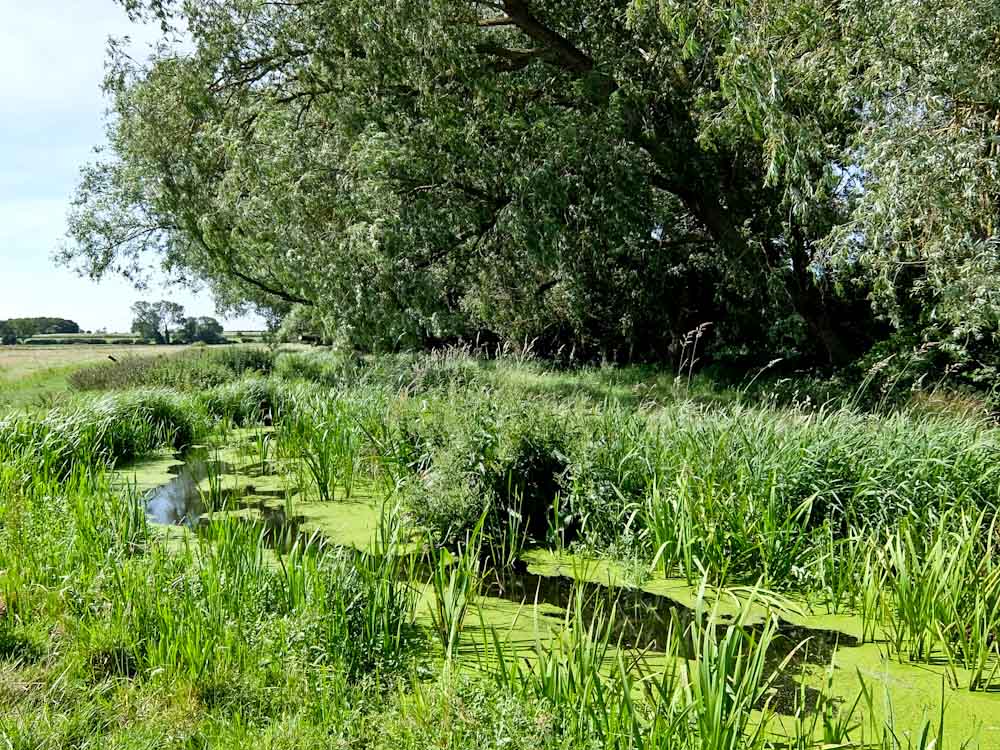
I leave the town and, after passing through woodland, the trail gently enters rolling farmland where fields of wheat, barley and oilseed rape change colour with the seasons. This is easy walking, and skylarks spiral overhead framed against the vast East Anglian sky.
Weaver's Way
Weaver's Way
Weaver's Way
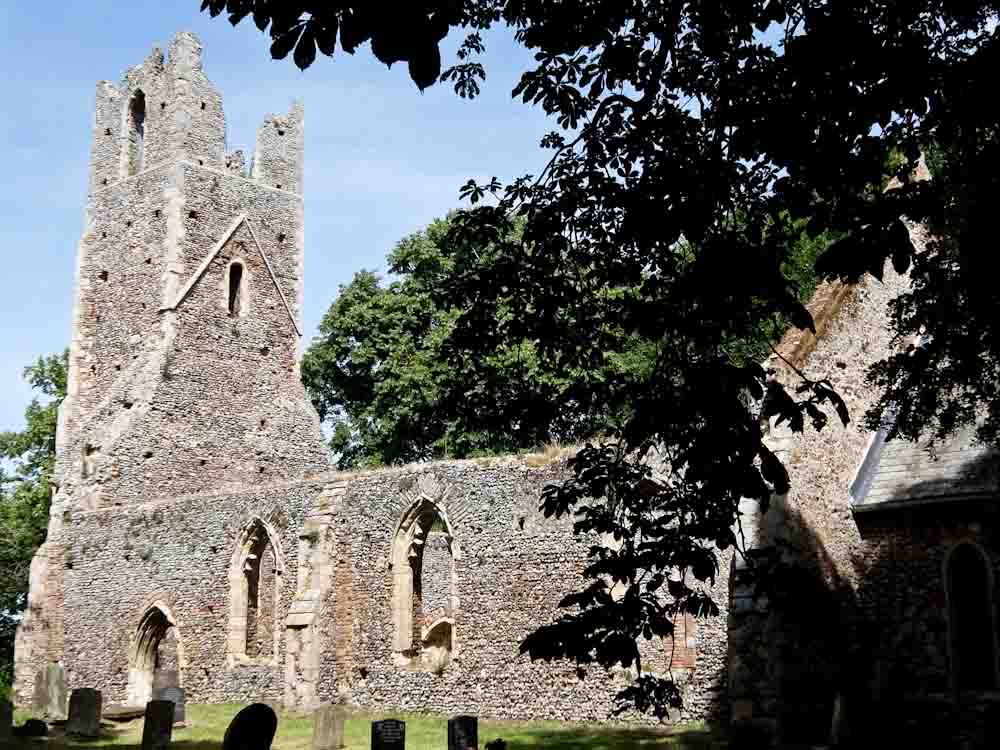
Tunstall appears almost unexpectedly, a scattering of houses in the fields. Its ruined medieval church of St Peter and St Paul rises up from the landscape, the tower a vital landmark. Soon afterwards comes Halvergate, one of the oldest settlements on the route.
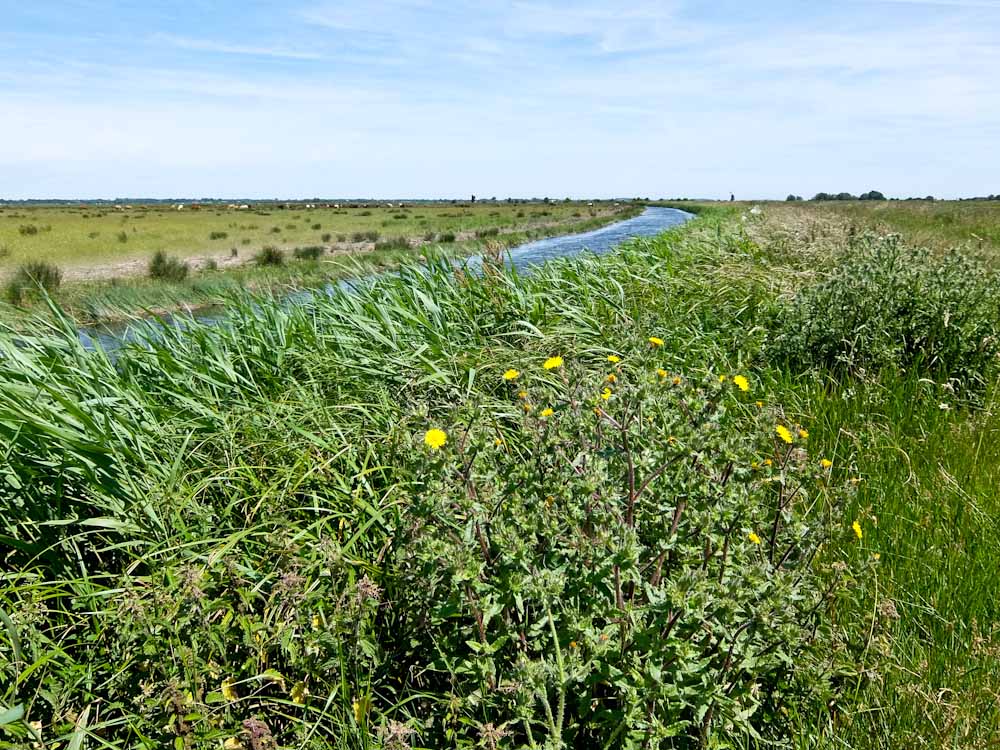
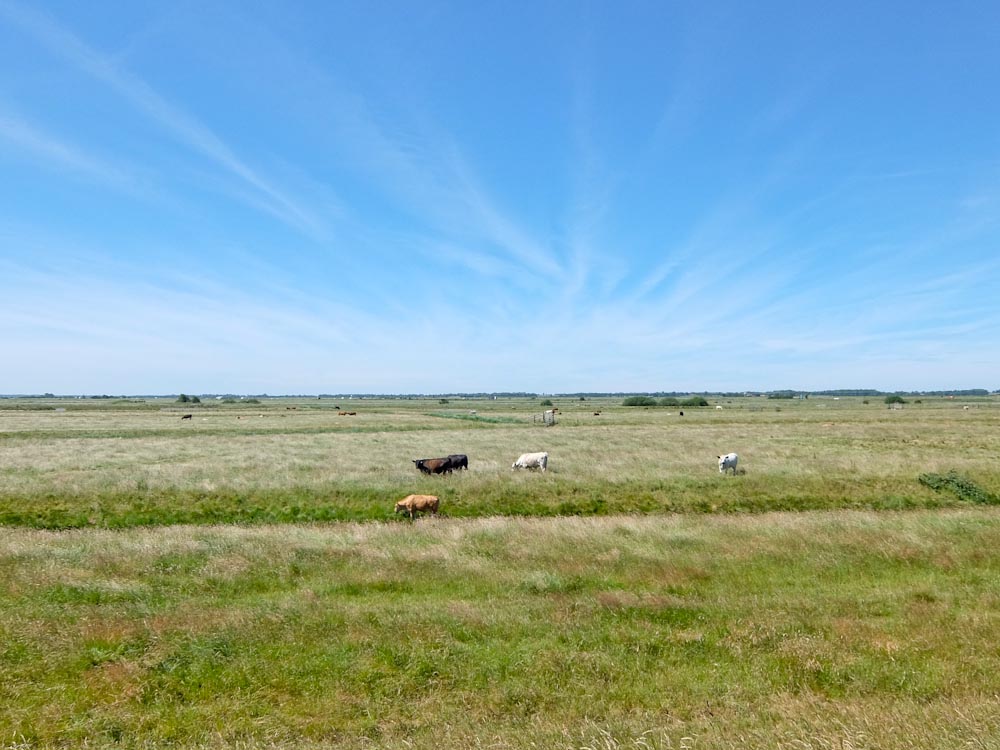
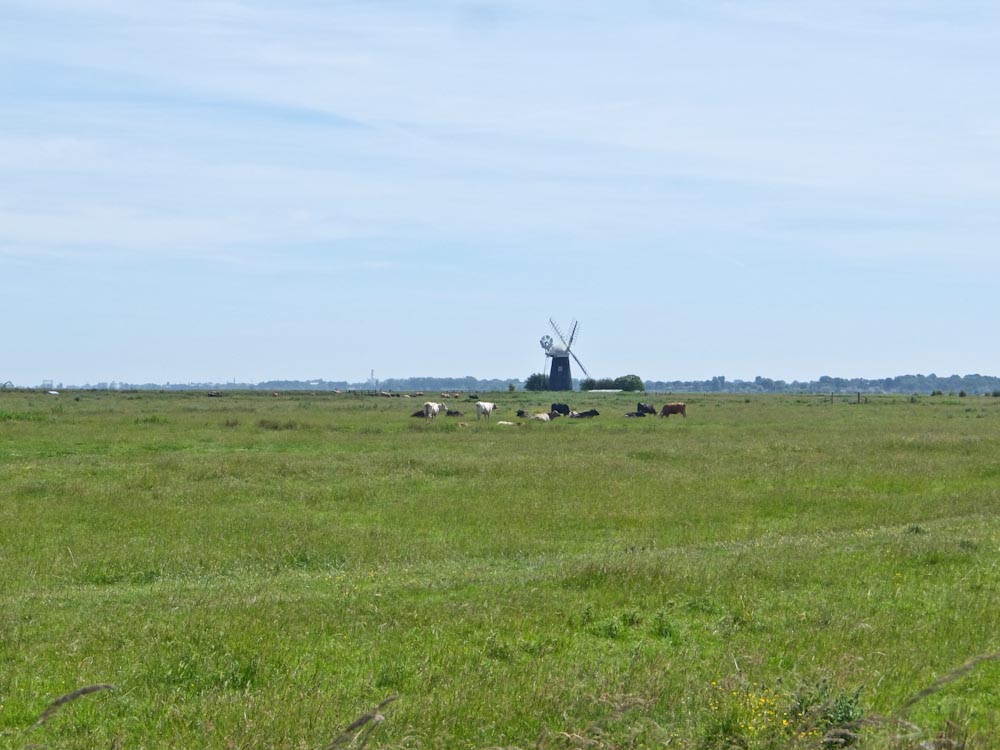
I now enter Halvergate Marshes, one of the largest remaining areas of grazing marsh in Britain. The horizon seems to stretch endlessly, interrupted only by drainage ditches, reedbeds, grazing cattle and the occasional historic wind pump.
Weaver's Way
Weaver's Way
Weaver's Way
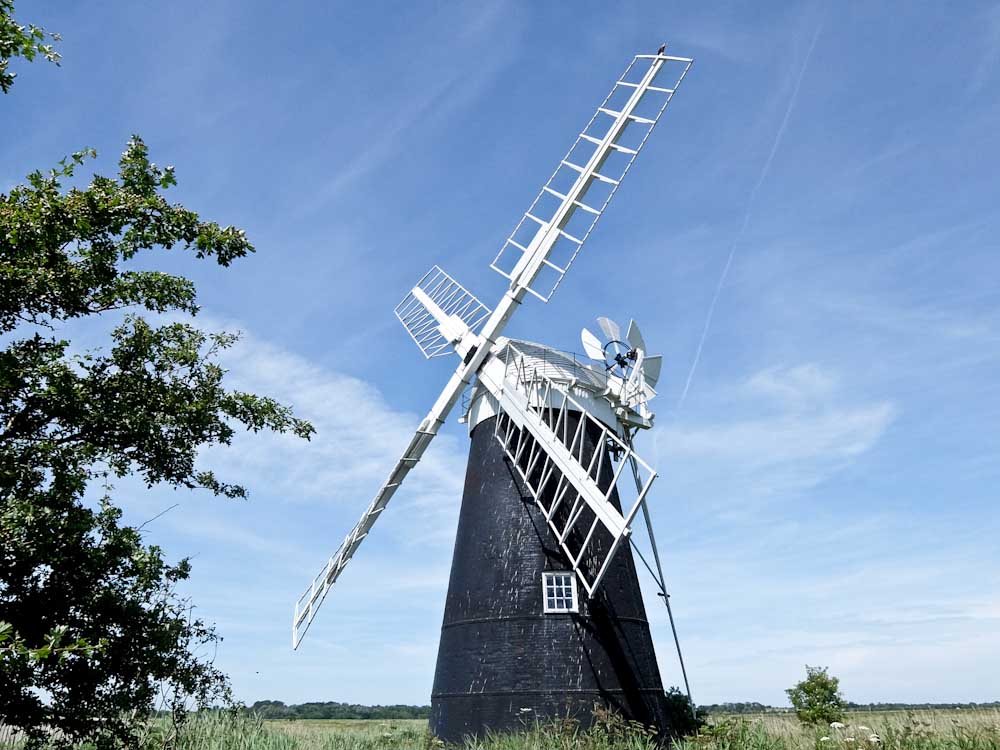
One of the best preserved is Berney Arms Windmill, dating from 1865, The red-brick tower originally ground cement clinker before being converted into a drainage mill that helped reclaim the surrounding wetlands. At 21.5m high, it’s the tallest surviving drainage windmill in Norfolk and an iconic symbol of the Broads.
Weaver's Way
Weaver's Way
Weaver's Way
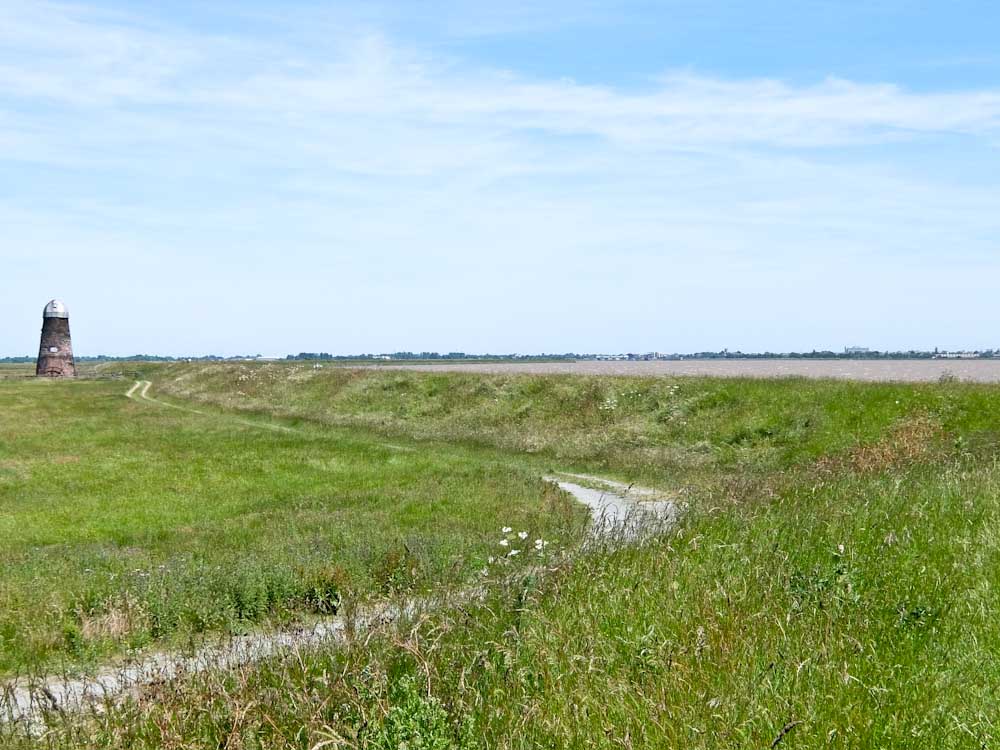
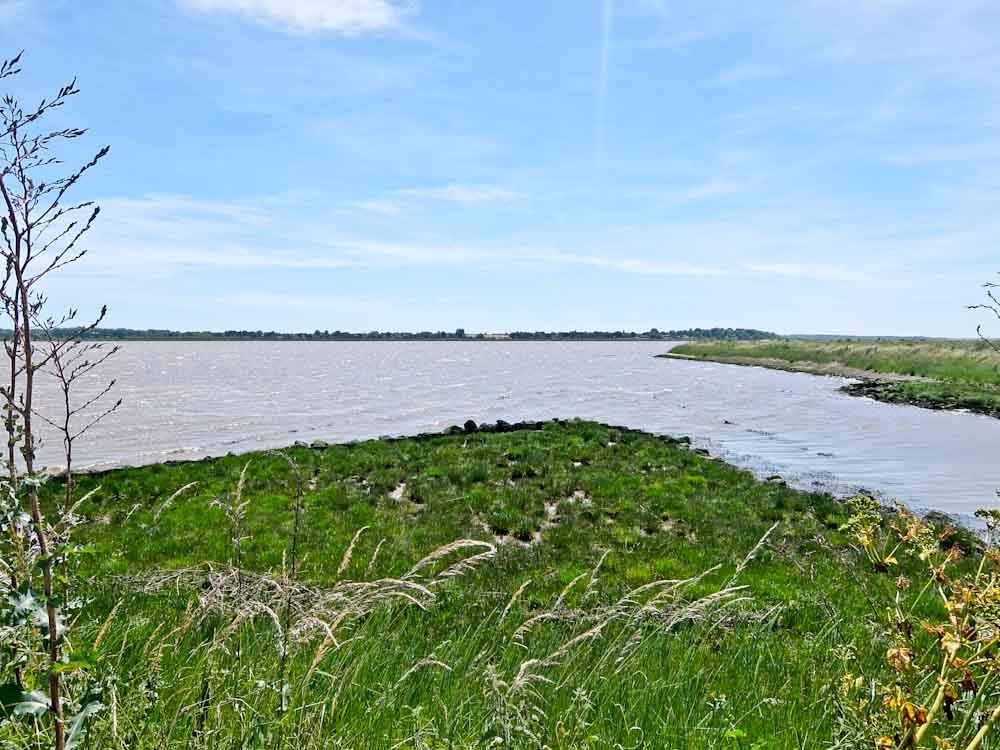
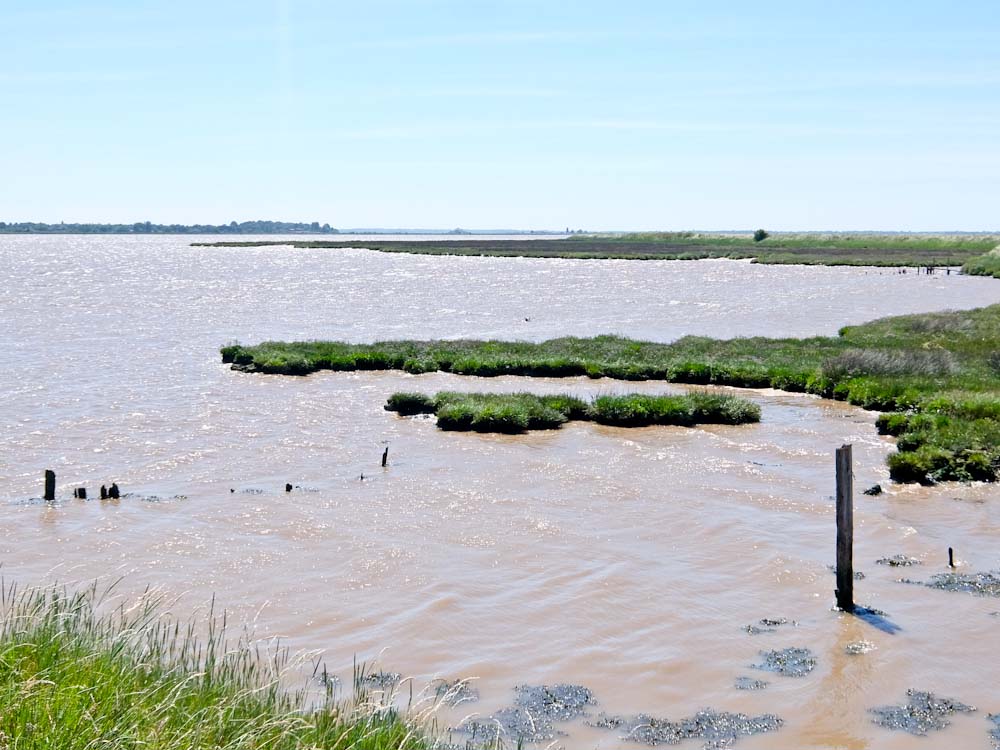
As the trail approaches Breydon Water, birdlife becomes even richer. This broad tidal estuary is one of Norfolk’s most important wetland reserves and attracts thousands of avocets, redshanks, black-tailed godwits and other waders during migration periods. A wide gravel track follows the water’s edge, offering uninterrupted views across mudflats and the water.
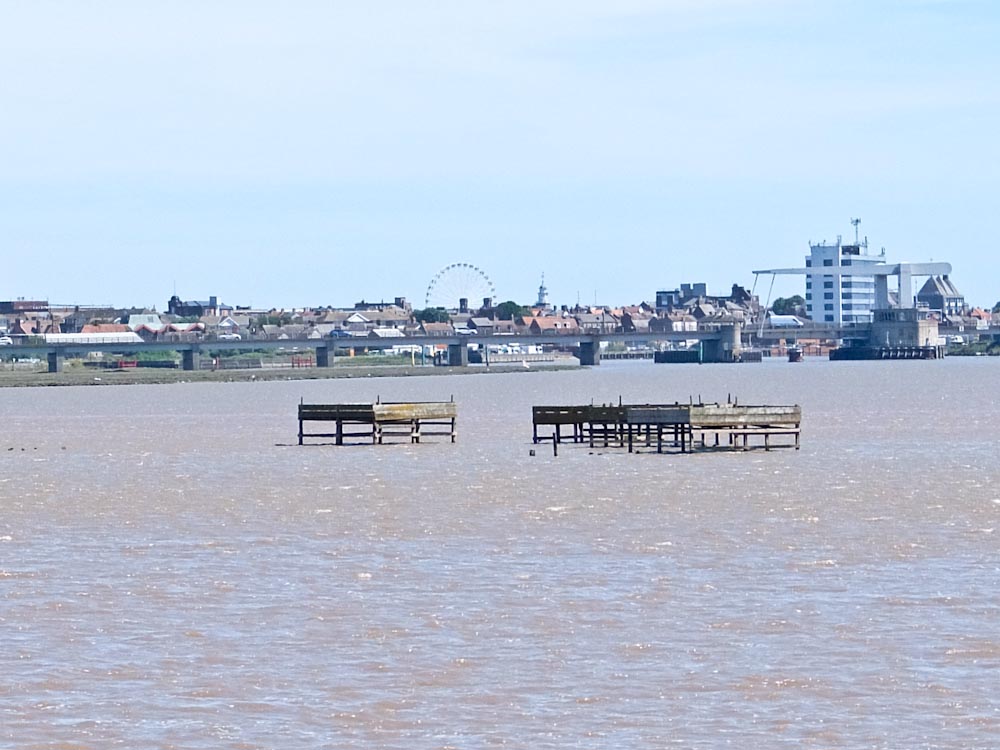
It seems like a long final slog to Great Yarmouth, always visible on the horizon, but the path is good and I have it entirely to myself. Just before I reach the town, there’s railway siding full of ancient rolling stock. It’s where carriages go to die, some even retaining their original British Rail livery.

Great Yarmouth
Great Yarmouth
Great Yarmouth
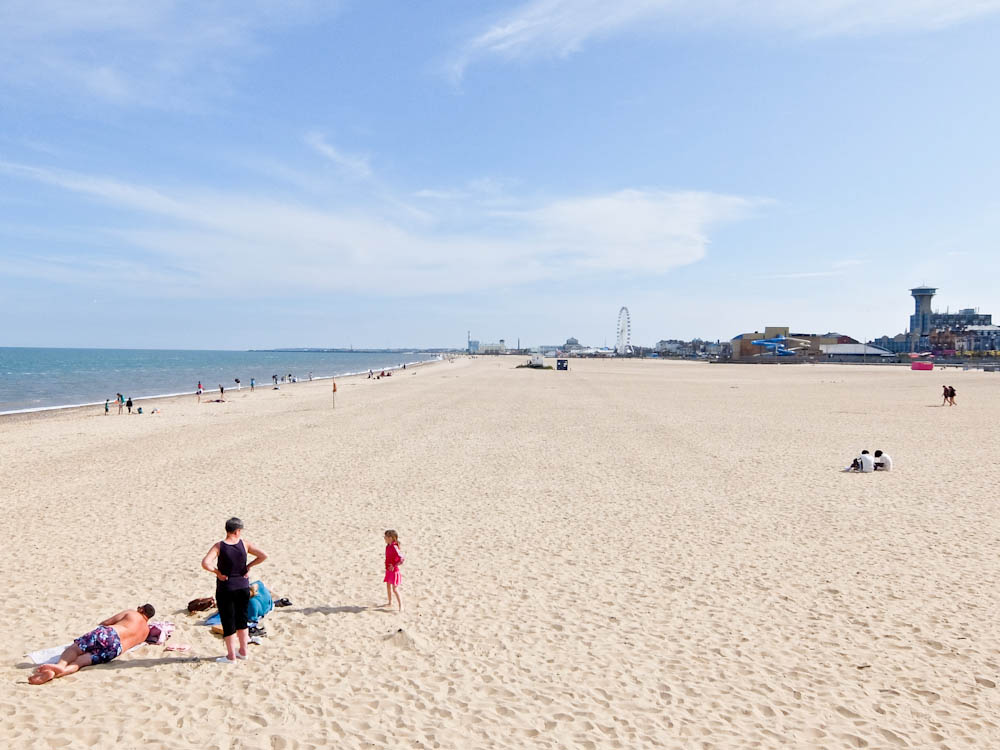
It’s a relief to reach the prom, but a bit of a shock to be among the crowds again. I get an ice cream and brave the cold waters of the North Sea to soothe my aching feet. That’s the beauty of Great Yarmouth – there’s the bustle of the Great British Seaside, but there’s also the peace and quiet of the Norfolk Broads.
Factfile
GO: Greater Anglia runs trains from London’s Liverpool Street via Norwich.
First Bus runs the Coastal Clipper Cabriolet along the coast and buses to Acle.
INFO: Visit Great Yarmouth has information about the town.
STAY: Hotel Ocean is a comfortable boutique hotel on the seafront with rooms from £90 per night.
EAT: The Prom Hotel Bistro in Great Yarmouth serves ample Sunday lunches.
The Lacon Arms in Hemsby has excellent pub food.