
As the half-term break crept up on us, there was really only one destination that made sense. My grandson Mason – 13 and three-quarters – was deep into his history phase. Not the vague, skim-the-textbook kind. The proper, fact-filled, “did you know…?” kind. So when his school topics turned to the Second World War and the Cold War, our next trip practically chose itself. It had to be Berlin.
A city where history isn’t confined to museum glass cases but lives in the streets. Where the story of division and reunification runs through pavements, monuments and neighbourhoods. Where you can stand in the shadow of the past and still feel the pulse of a modern, creative capital.
For a history-loving teenager – and a grandfather who believes travel is the best classroom of all – Berlin promised something more than a half-term getaway. It promised perspective.
From Berlin Brandenburg Airport (BER), the marvellous S-Bahn and U-Bahn networks whisked us to our accommodation with effortless speed. Our guide was waiting for us.
We started our walking tour with the chilling echoes of the Second World War. Standing on the very spot where Hitler’s bunker once lay, now a rather unassuming car park. The absence of a grand monument here, replaced by everyday life, spoke volumes.
In sharp contrast was the powerful Memorial to the six million Jews of Europe who lost their lives in WWII. The collection of abstract, concrete columns created a moving experience that left a lasting impression on both of us. Mason, usually full of questions and chatter, walked through in thoughtful silence, absorbing the solemn atmosphere.
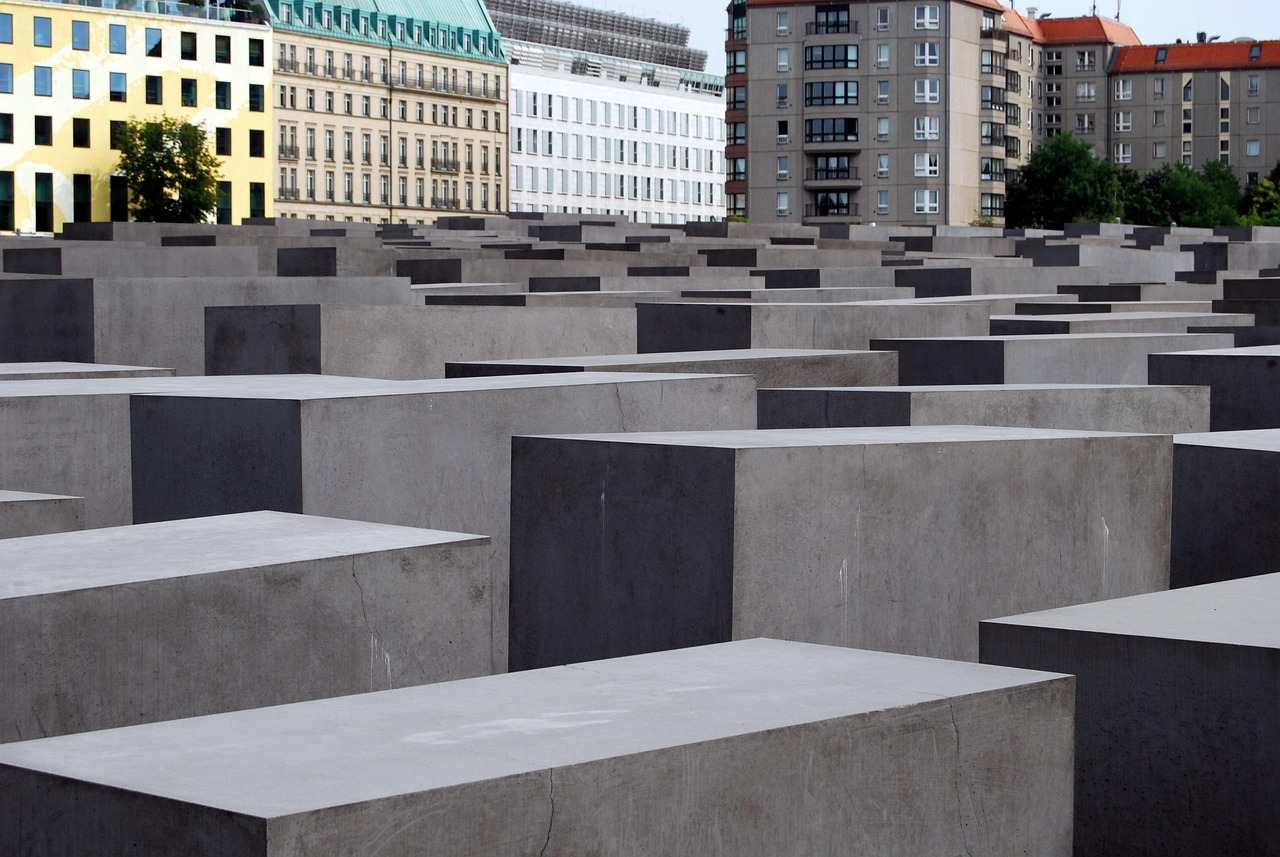
Memorial to 6 million Jews who died Image by Gianni Crestani from Pixabay
From there, the tour moved effortlessly into the Cold War years – the chapter Mason has been most gripped by. Our guide brought the divided city to life so vividly that it was easy to imagine Berlin that way. And then, standing in front of the Berlin Wall itself, history stopped being abstract and became something solid and real.
Walking alongside surviving stretches of the Wall was quietly powerful. The cold, scarred concrete feels heavy with memory – yet in places it now bursts with colour. Bold murals and graffiti sweep across its surface, transforming what was once a symbol of separation into a canvas of expression.
At the East Side Gallery, the contrast is especially striking. Iconic artworks stretch along the remaining wall, each piece telling a story of resistance, hope and an irrepressible longing for freedom. For Mason, it was a history lesson he won’t forget — and for me, a reminder of how cities carry their past while constantly rewriting their future.
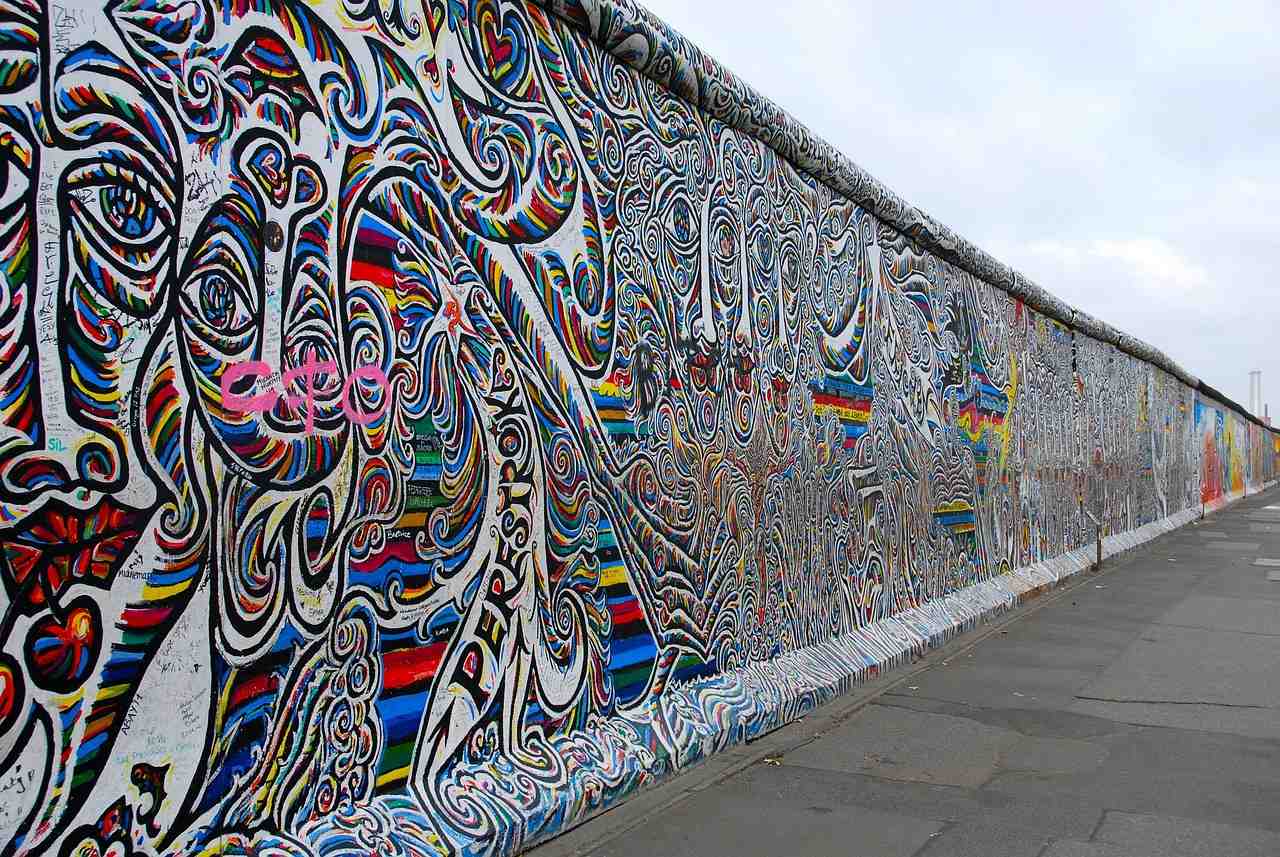
Graffit on Berlin Wall Image by MariaTortajada from Pixabay
We also stood at Checkpoint Charlie, the most famous crossing point between East and West Berlin, imagining the tension and drama that once played out there, the stories of escape attempts and the daily realities of life in a divided city.
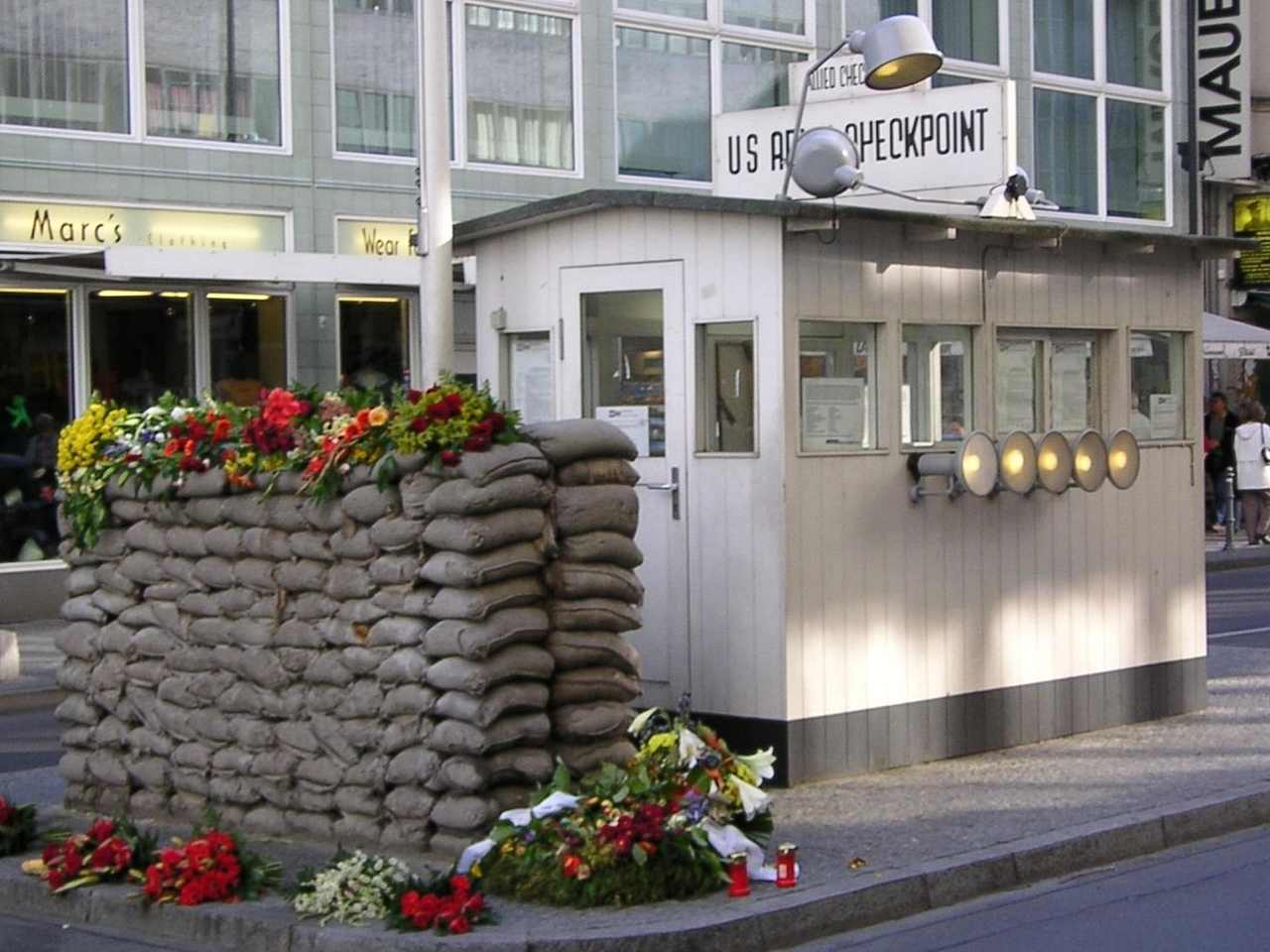
Checkpoint Charlie
Beyond the Wall, we explored the Reichstag Building in the Mitte district, its modern glass dome symbolising transparency and democracy, a striking contrast to its turbulent past. The panoramic view from its rooftop gives an overview of the city’s layout.
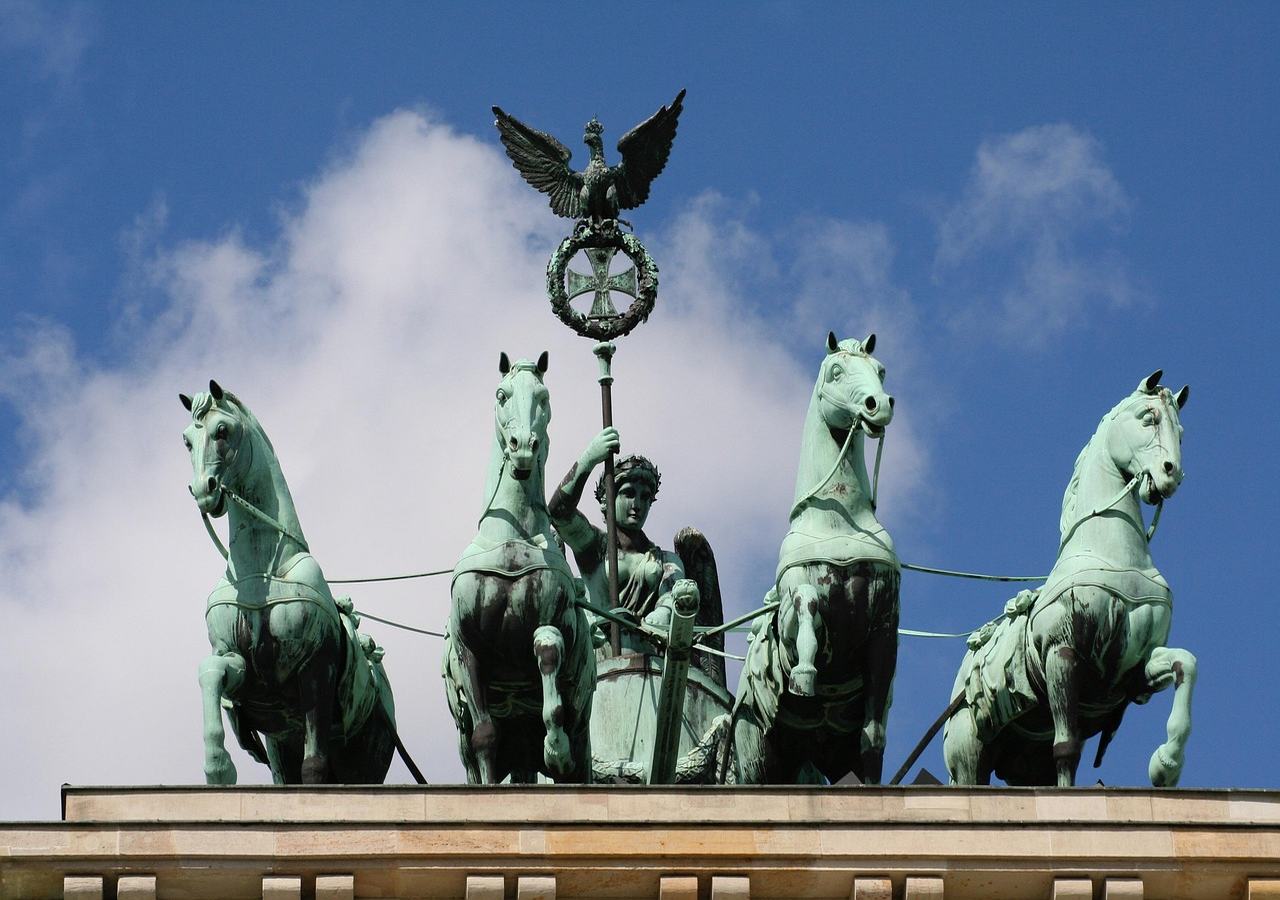
No trip to Berlin feels complete without standing before the iconic Brandenburg Gate adjacent to the Reichstag building. Once a silent witness to division, later a symbol of reunification, the Gate embodies Berlin’s extraordinary journey.
Standing there, Mason could finally anchor all those classroom lessons about the fall of the Wall and Germany’s reunification to a real place. What had once been paragraphs in a textbook now had weight and scale and was something he could see, touch and quietly take in for himself.
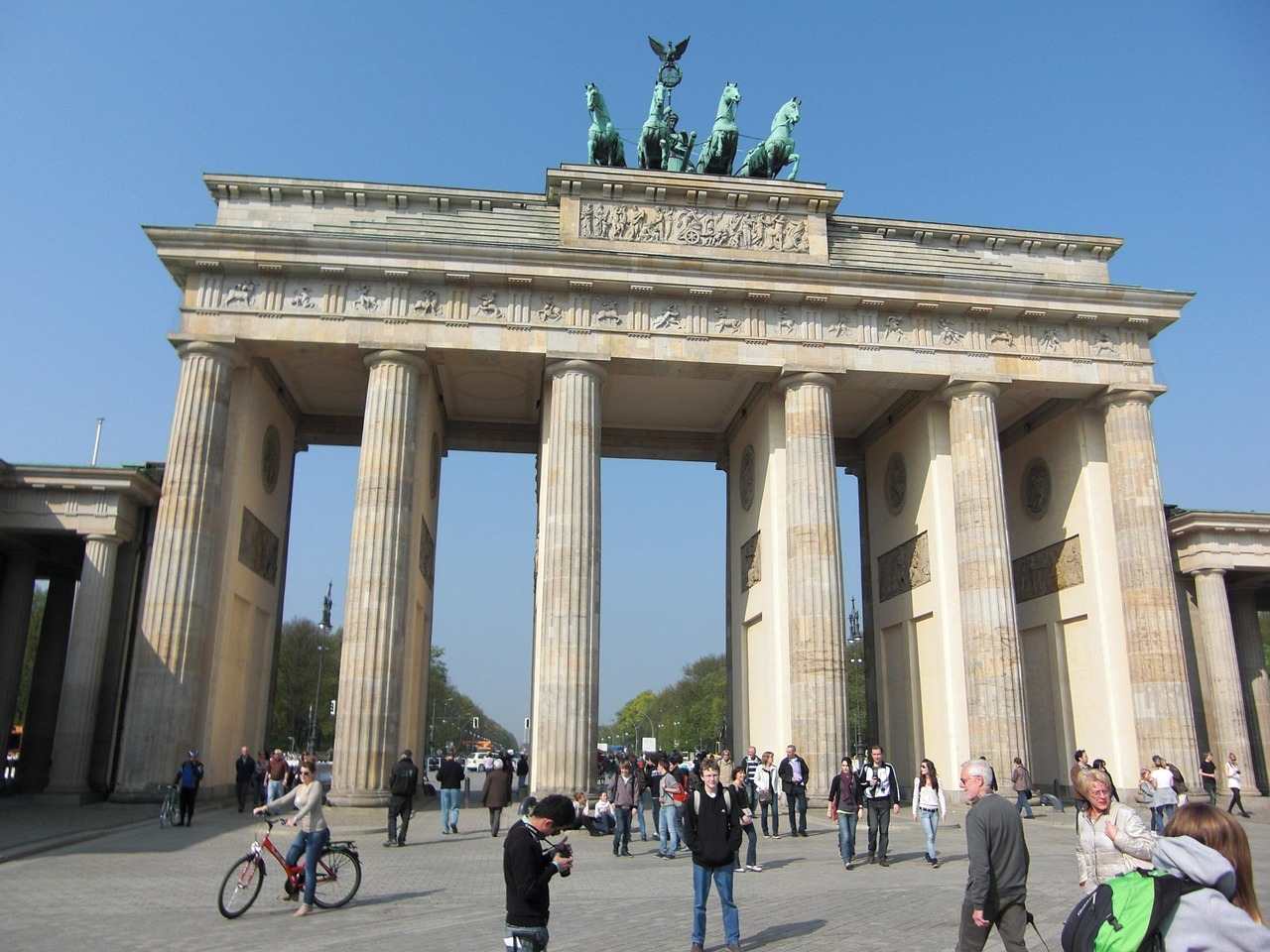
Brandenburg Gate – Image by Jens Junge from Pixabay
Beyond the weight of history, Berlin is a wonderfully vibrant and welcoming city. And the culinary scene is a delight. We indulged in local delicacies, from hearty currywurst at bustling street stalls to traditional German schnitzel in charming restaurants.

Currywurst
For me, of course, no evening was complete without sampling the local brews – Berlin offers an impressive array of beers, and I thoroughly enjoyed the enormous steins. The affordability of food and drink, even in popular tourist areas, was a pleasant surprise.
FACT FILE
STAY: Park Inn where twin rooms are available from £110 per night.
TOUR: A two-hour walking tour provided by ‘Get your Guide’ were purchased for £17 each.
FLY: easyJet flies from London Gatwick Airport