
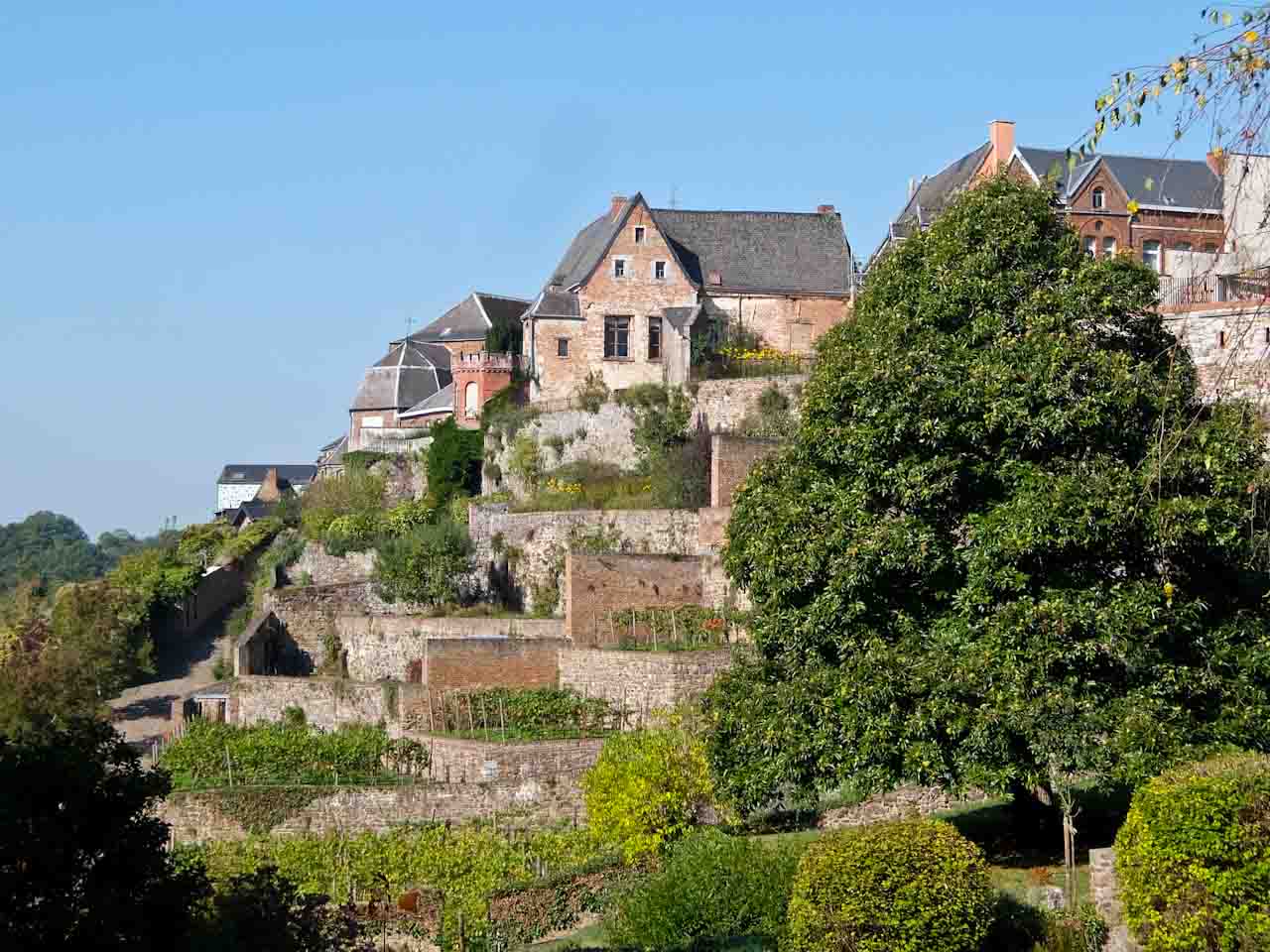
Image: Hanging Gardens
Tucked into the southwestern reaches of Wallonia, the province of Hainaut is often overlooked by travellers to Belgium. Yet this region, rich in history, industry, folklore, and natural charm, has its own surprises. Think medieval architecture, industrial heritage and lively local traditions with influences from its French neighbours.
The town of Thuin, built on a steep hillside above the River Sambre, is one of its overlooked gems. Its Belfry is listed by UNESCO and, from the top, the views range across orchards, river valleys, and the scattered villages of the Thudinie region

Thuin
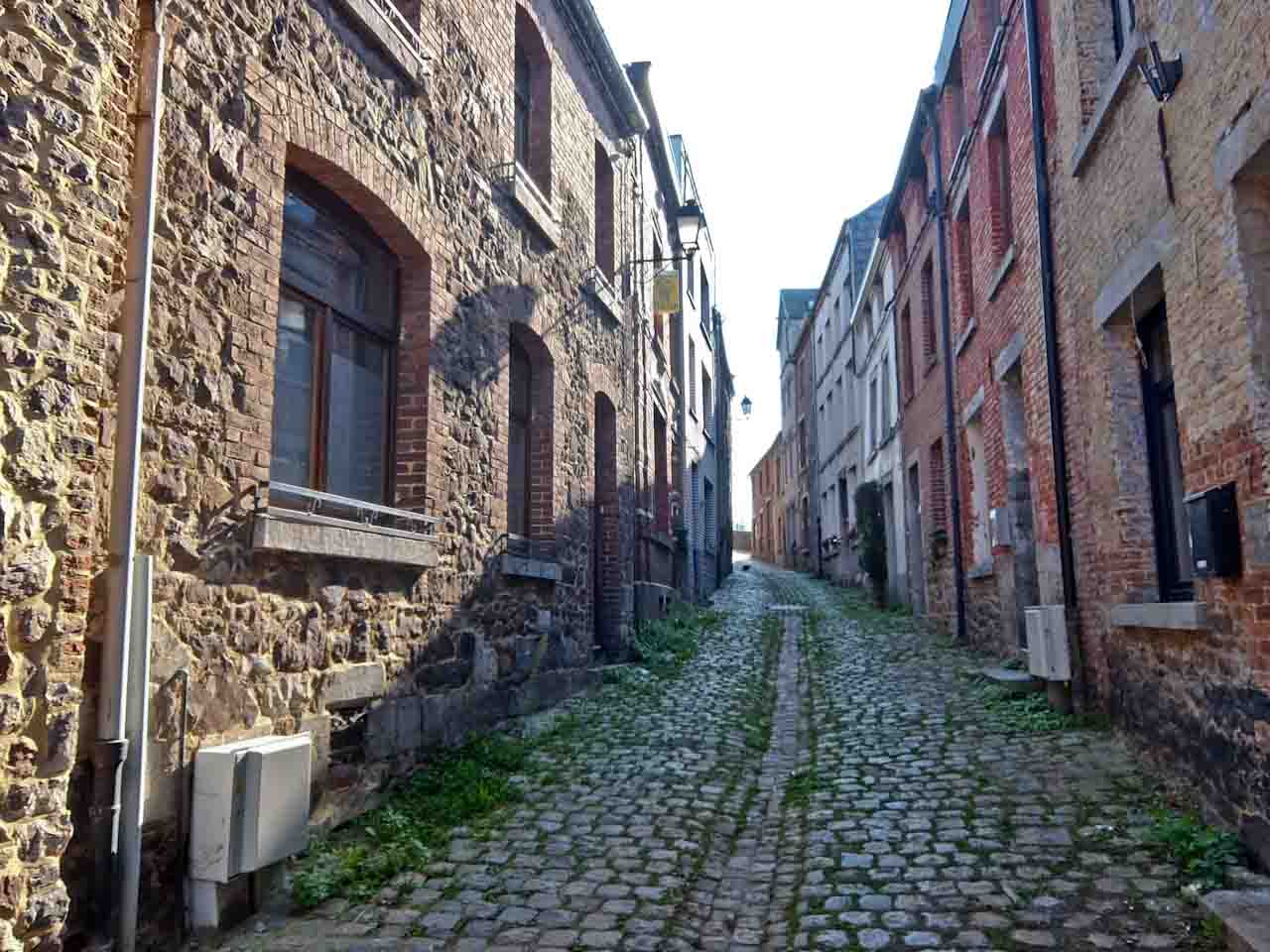
Thuin
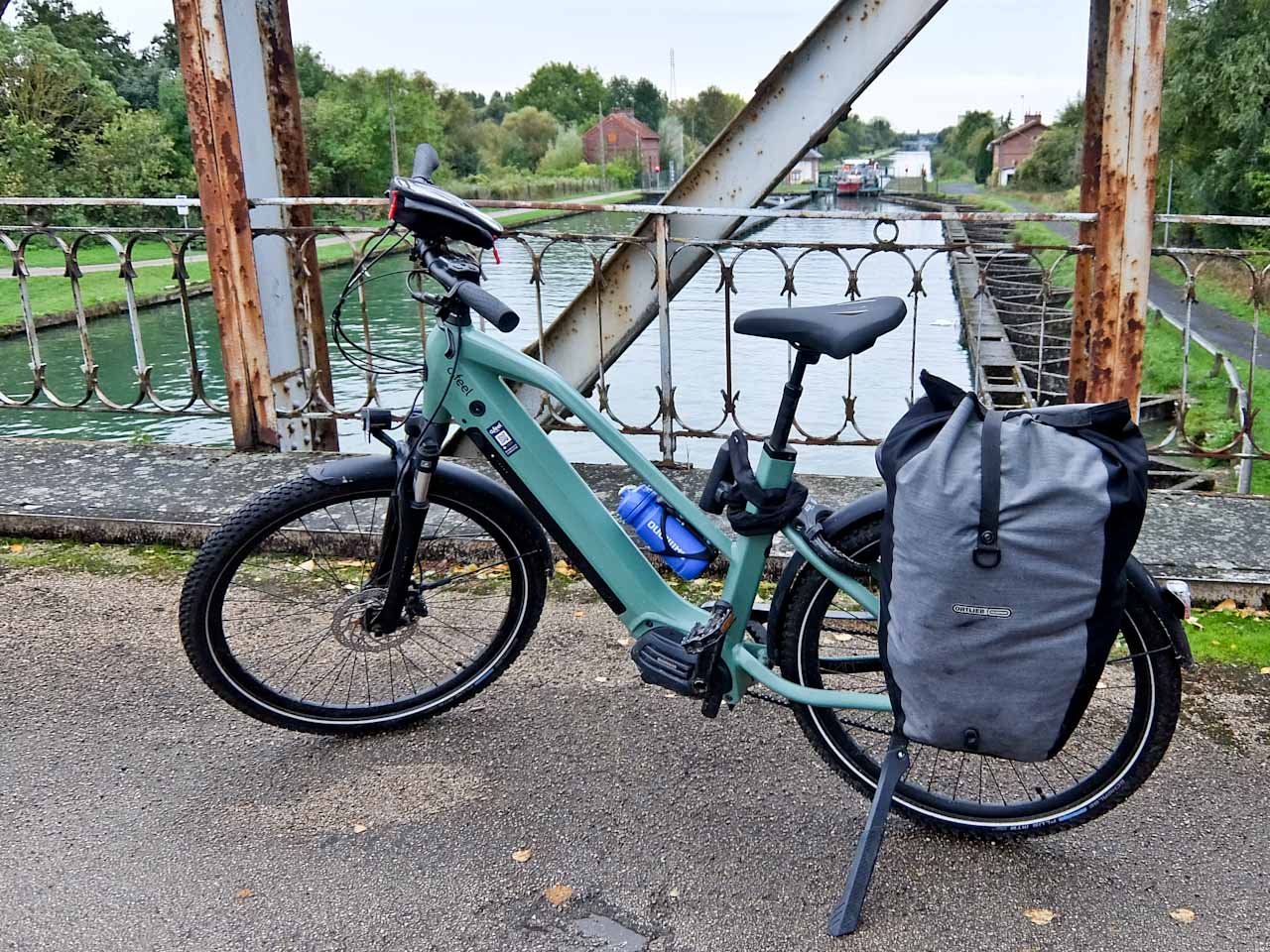
Bike
At street level, the old town radiates charm: cobblestone lanes, stone walls draped with greenery, and houses that feel frozen in time. It’s also on the EuroVelo3 long distance cycling trail and was the final point in my bike ride from Chantilly. There’s enough here to warrant a few day’s stay.
Belfry of Thuin
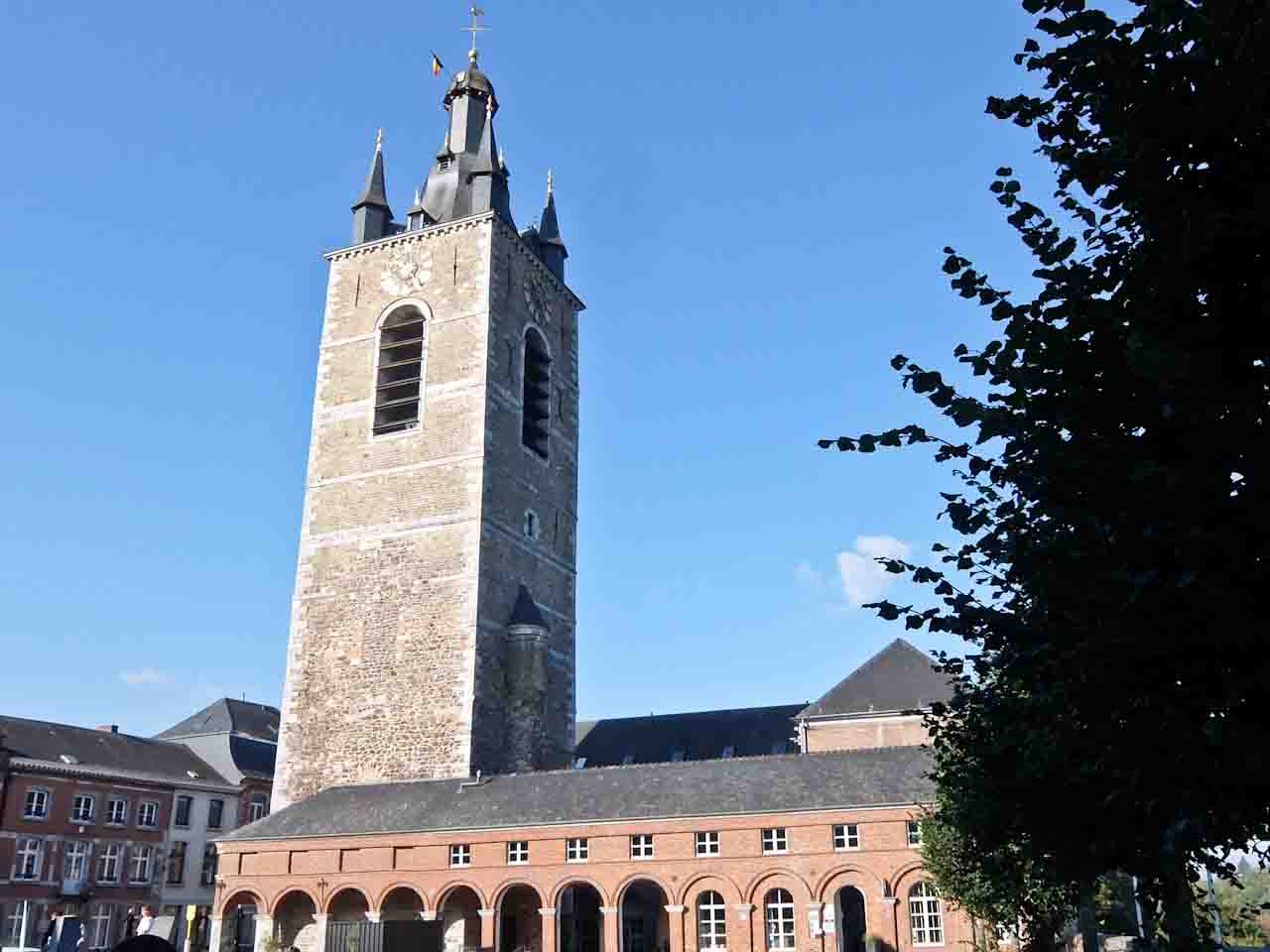
Thuin Belfry
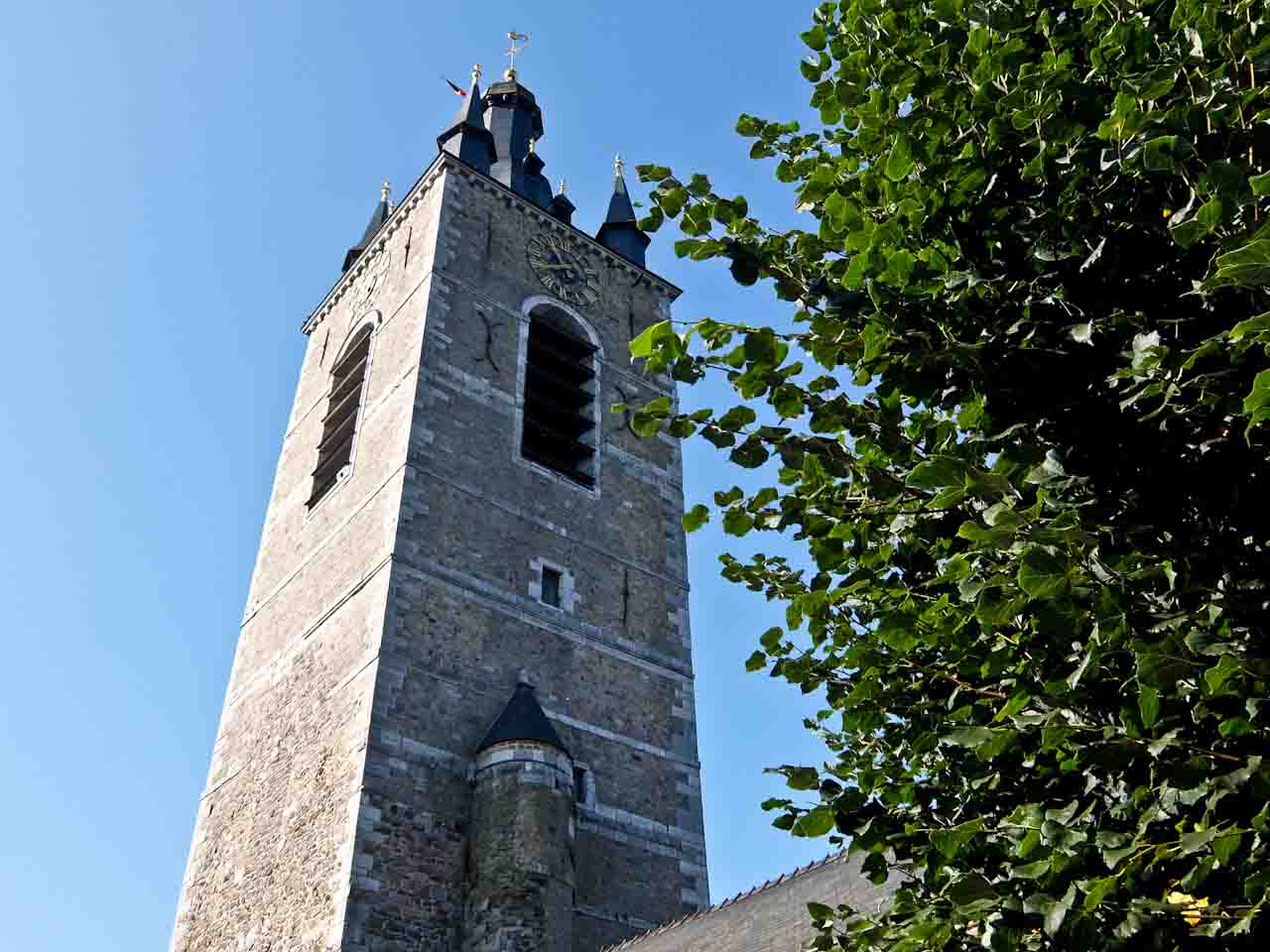
Thuin Belfry
A UNESCO World Heritage Site, the 17th-century tower, with its classical architecture and elegant proportions, is the only surviving remnant of Saint-Théodard Abbey. Brave souls can climb the belfry’s 143 steps for an unforgettable panorama of entire region. Come on a clear day, and the reward is one of the best views in Wallonia.
The Hanging Gardens
Thuin’s most distinctive attraction is its Hanging Gardens, a spectacular network of south-facing terraced vineyards cascading down the hillside. They date back to the Middle Ages, when the terraces were constructed to create fertile micro-climates for grapes, fruit trees, and medicinal herbs. The town’s fortifications provided protection from the harsh northern winds.
Today, a walk through the Hanging Gardens is like an open-air museum of horticultural history. The dry stone walls, narrow paths, and tiny vineyard plots were essential for the wine that made Thuin famous. Viticulture declined in the 20th century but it’s been revived in recent years. Production is small but you can buy bottles in the town.
Boatmen’s Quarter
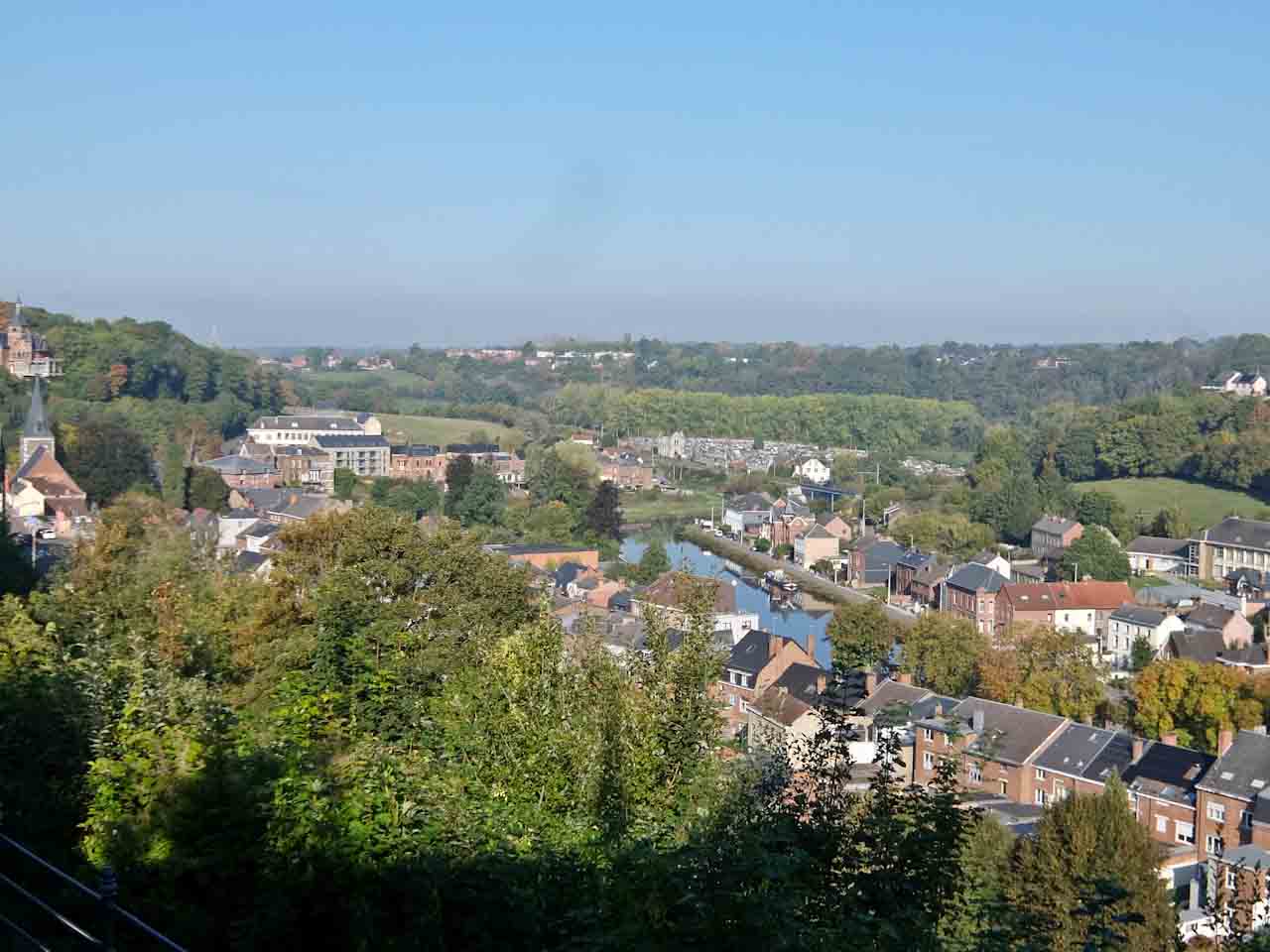
River Sambre
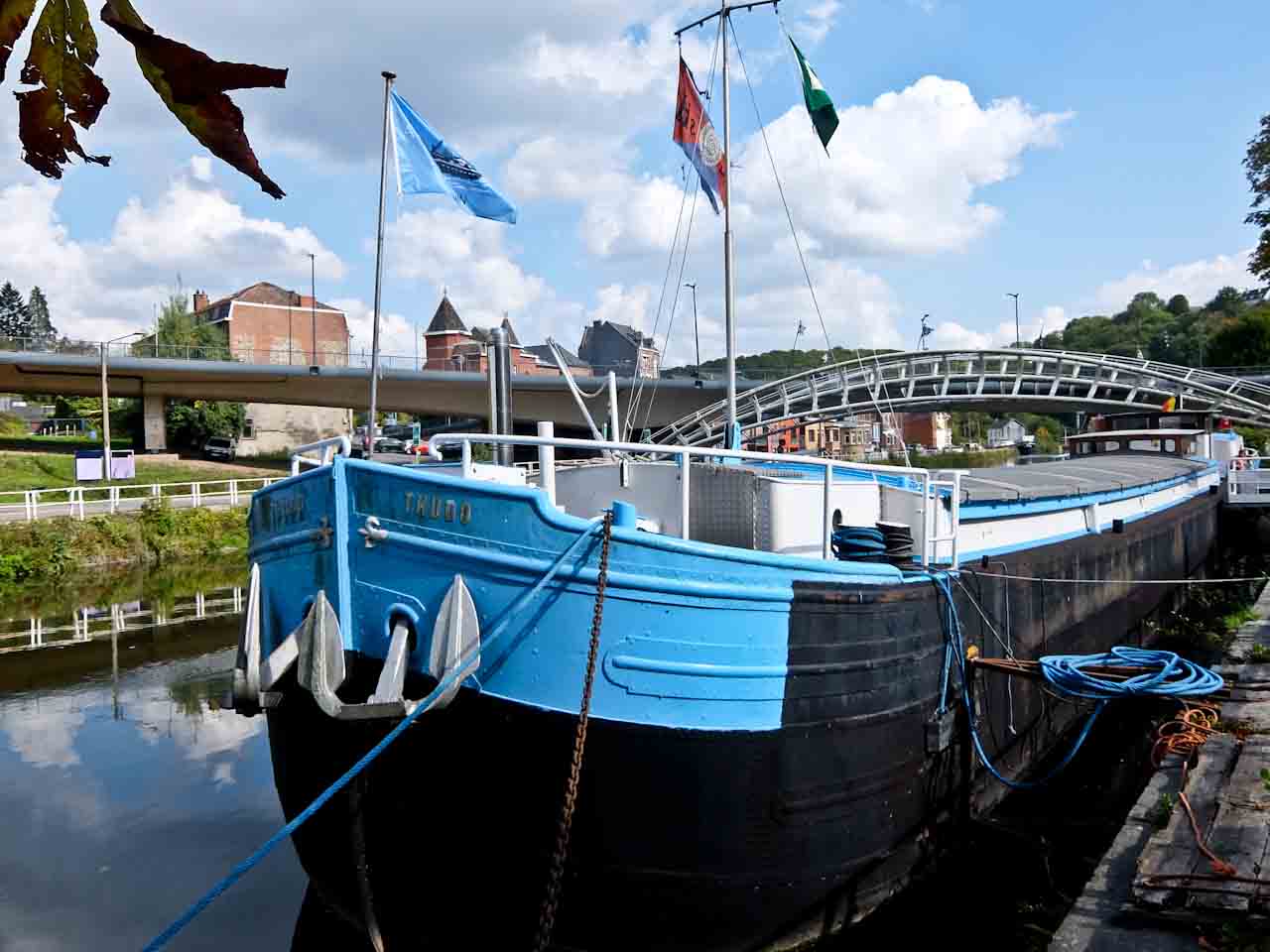
Thuin
At the foot of the town, by the river, the Boatmen’s Quarter reveals Thuin’s history of river navigation. In 1936, there were 1,104 boatmen heads of families for fewer than 5,000 inhabitants. Narrow brick houses, decorated with objects from the boats, preserve the atmosphere of a once-thriving community of bargemen.
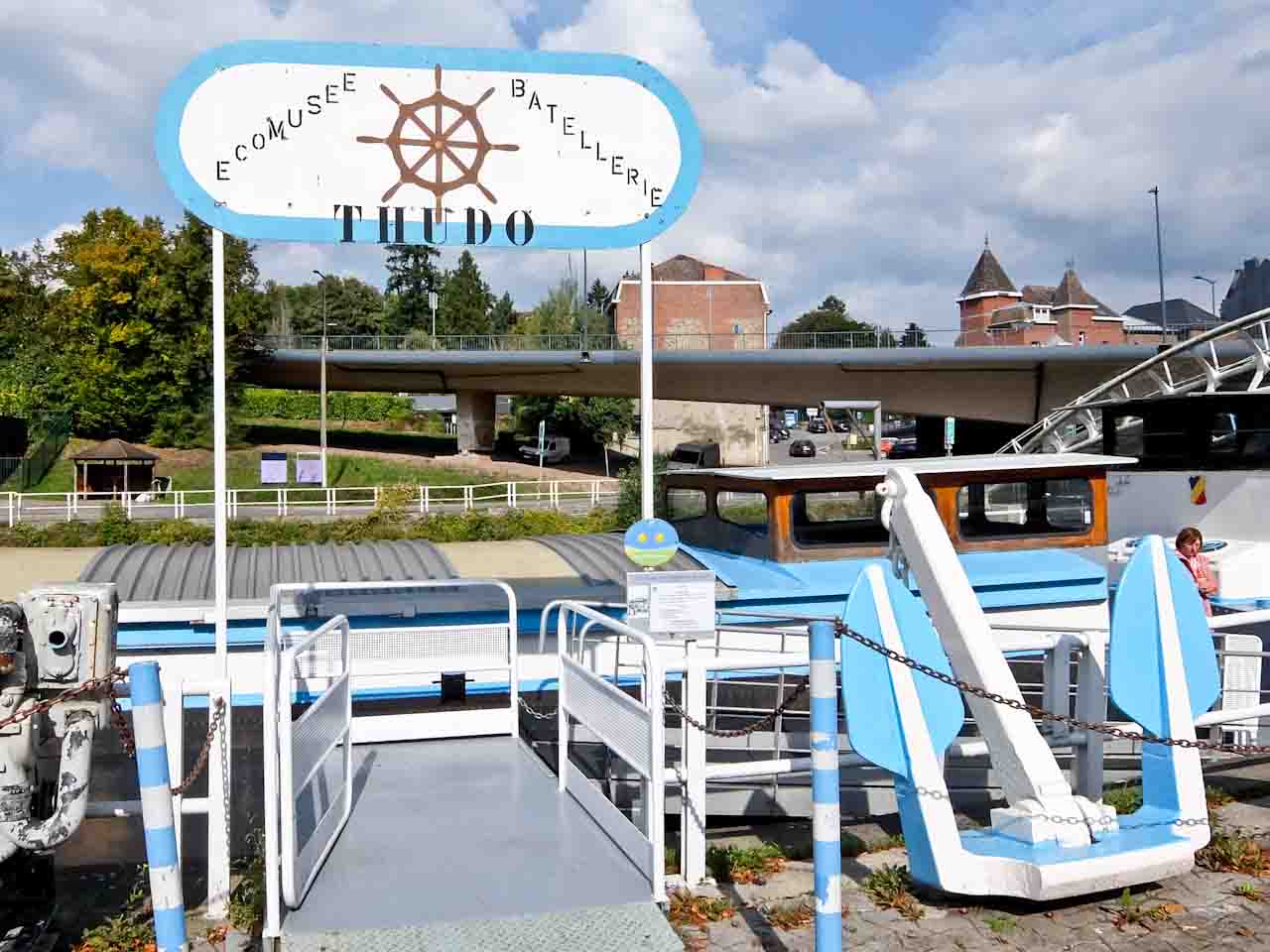
Thudo Ecomuseum
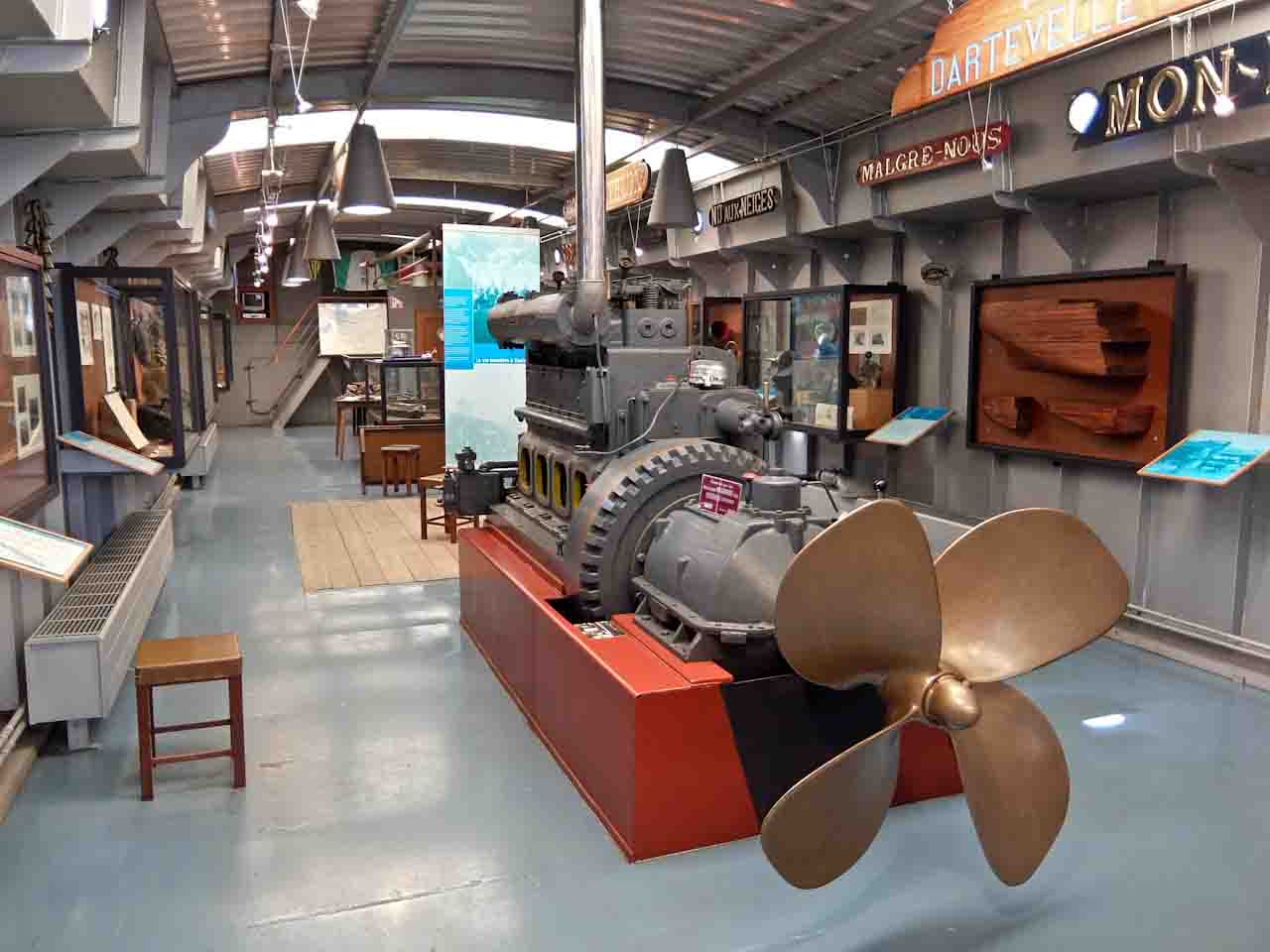
Thudo Ecomuseum
This was also once a thriving boatyard, now sadly gone. On a nearby narrow boat, the Thudo Ecomuseum offers a poignant dive into the river people’s traditions. Exhibits recount life on board barges, the tools of the trade, and personal stories that map the evolution of inland shipping along the Sambre.
Tramway Museum
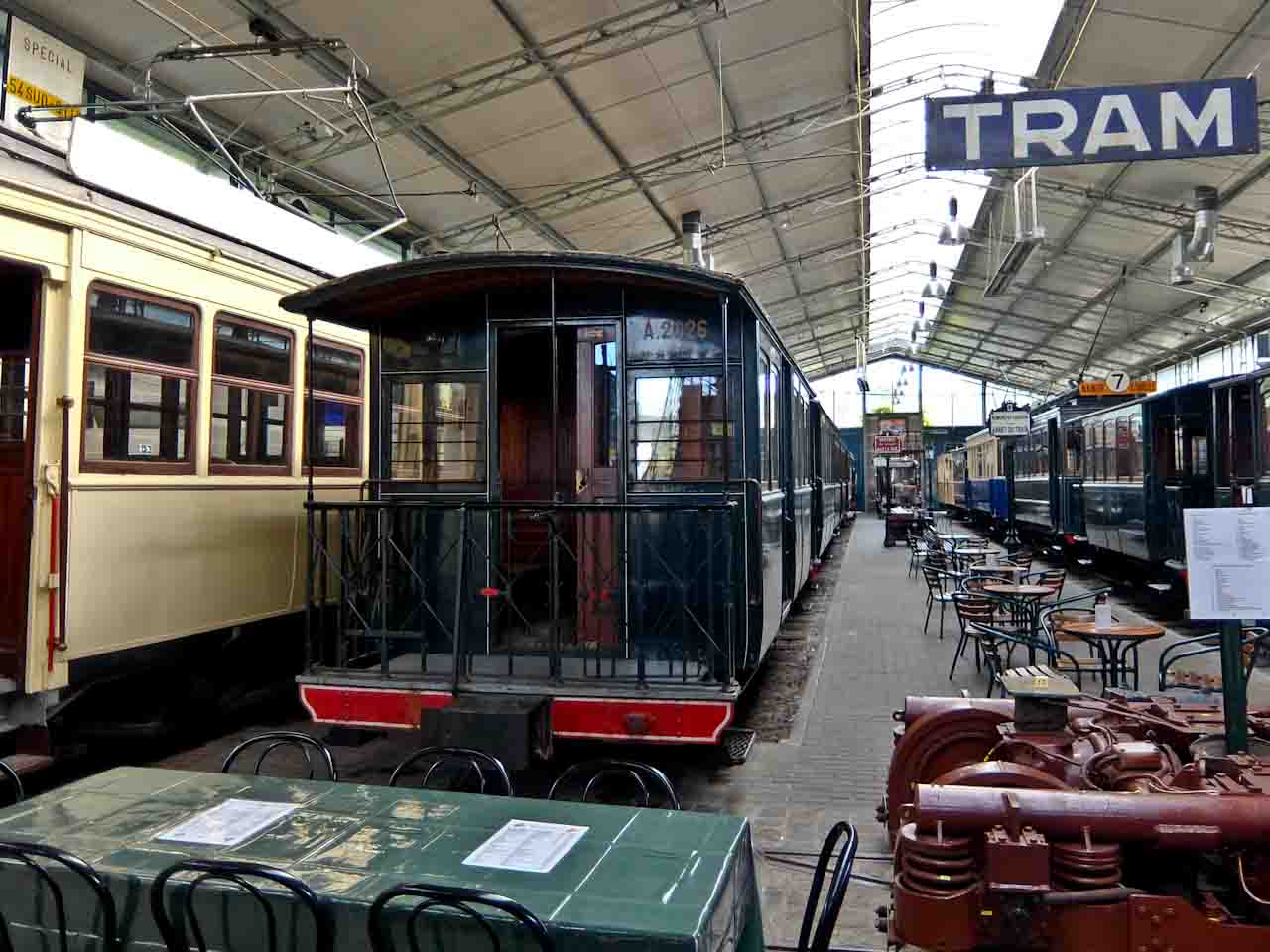
Tramway Museum
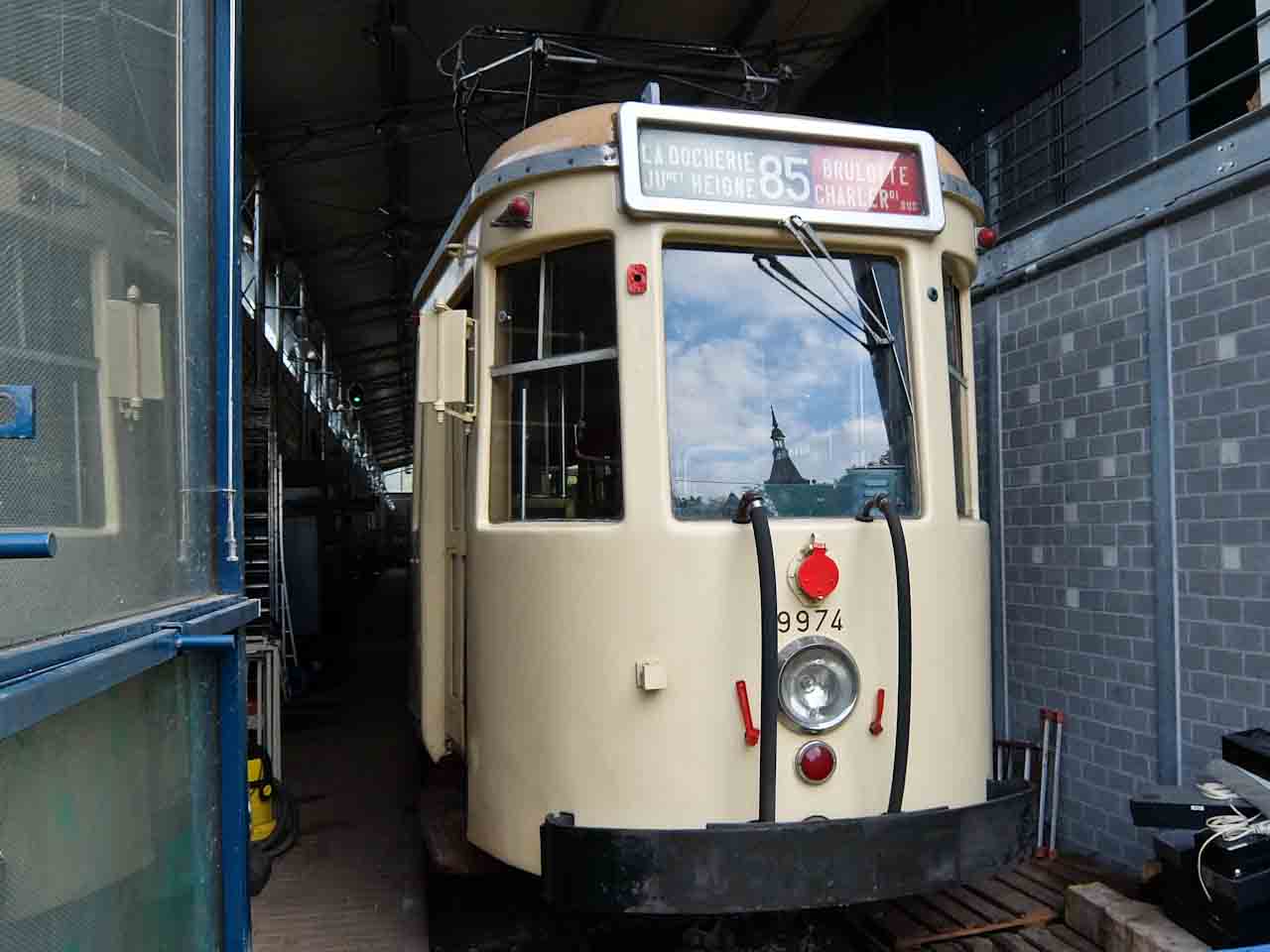
Tramway Museum
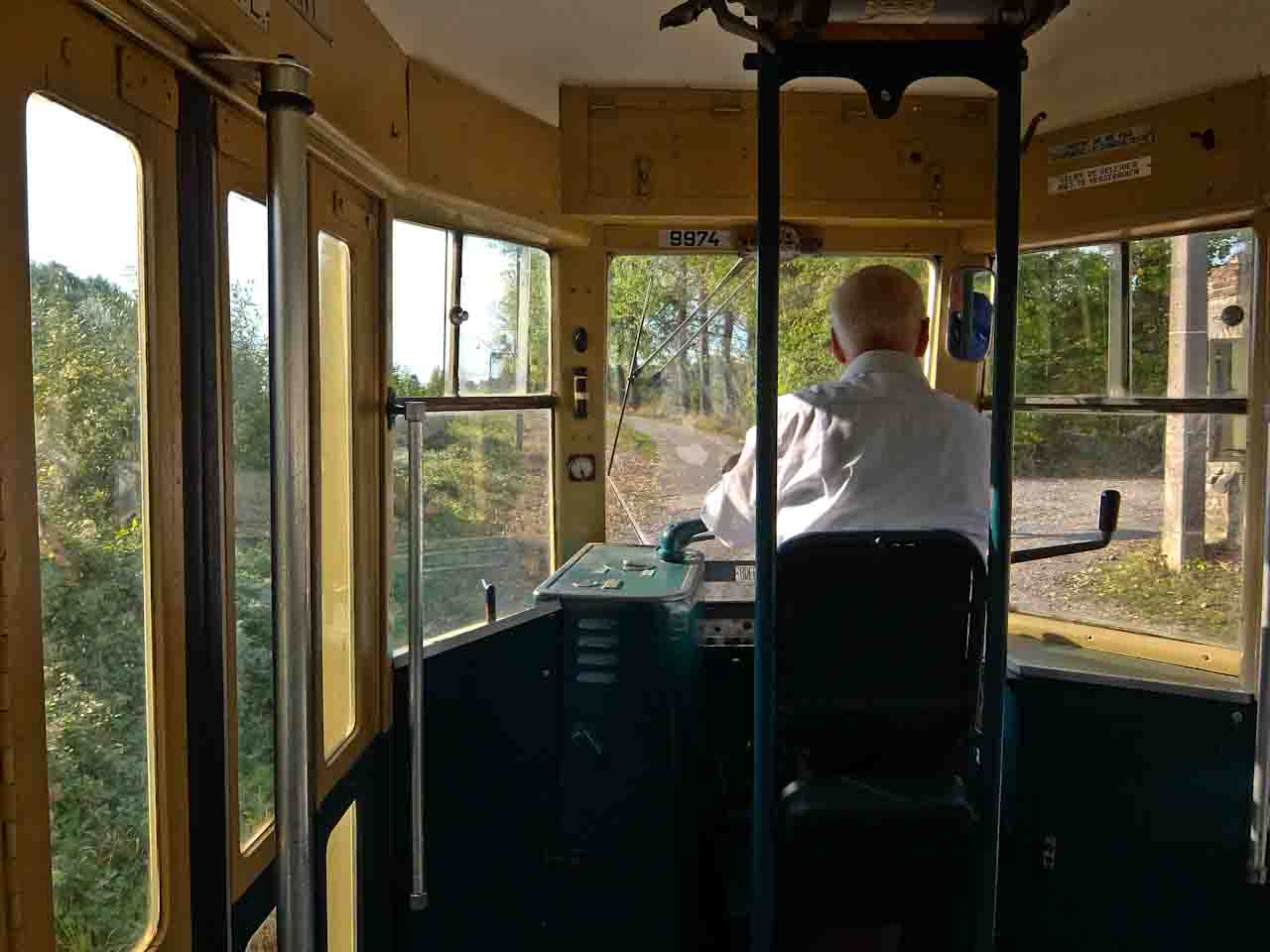
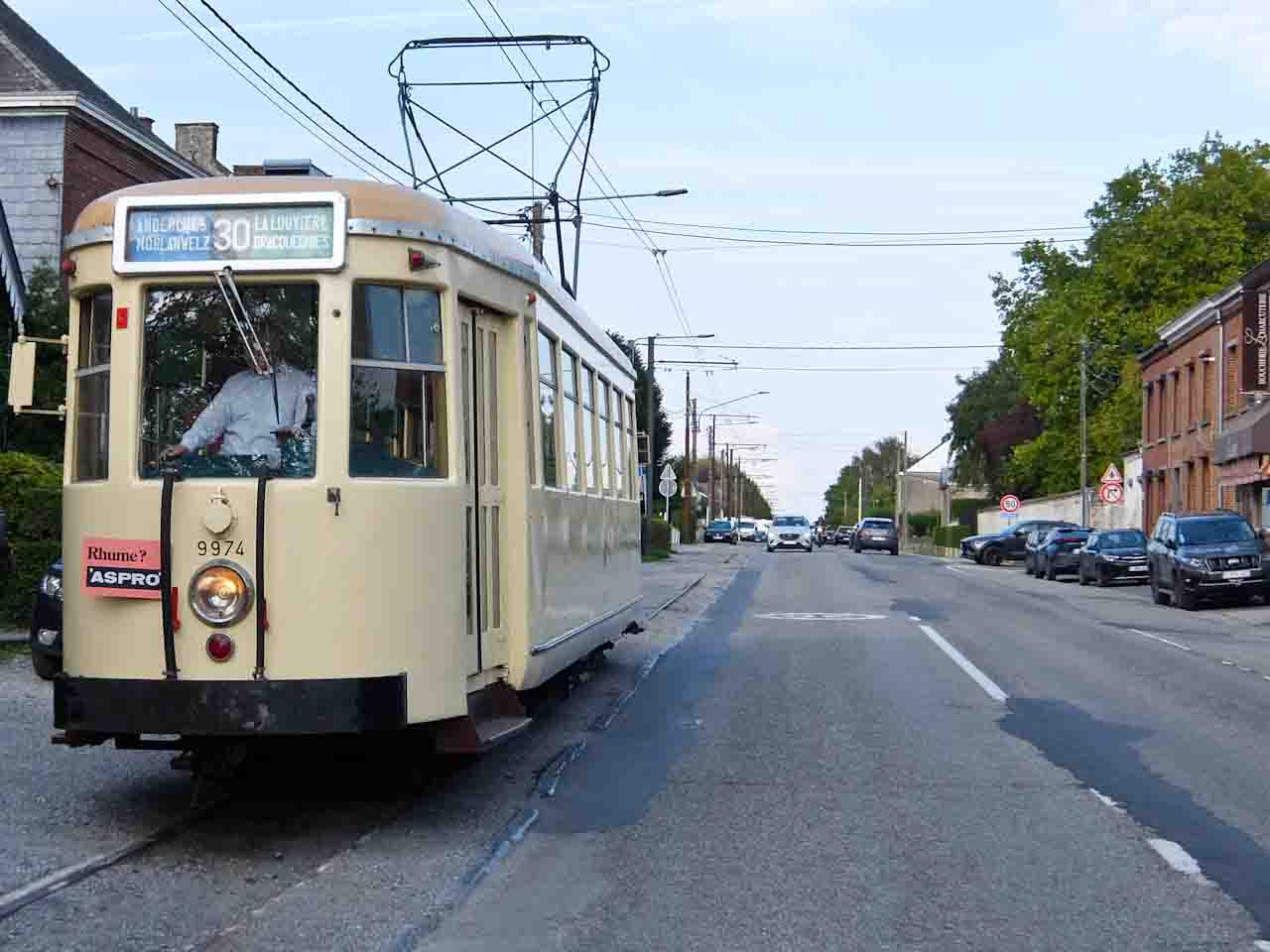
The Tramway Museum of Thuin is run by passionate volunteers and dedicated to the tram in all its forms, steam, electric and diesel. Many have been lovingly restored to working condition and they also offer tram rides.
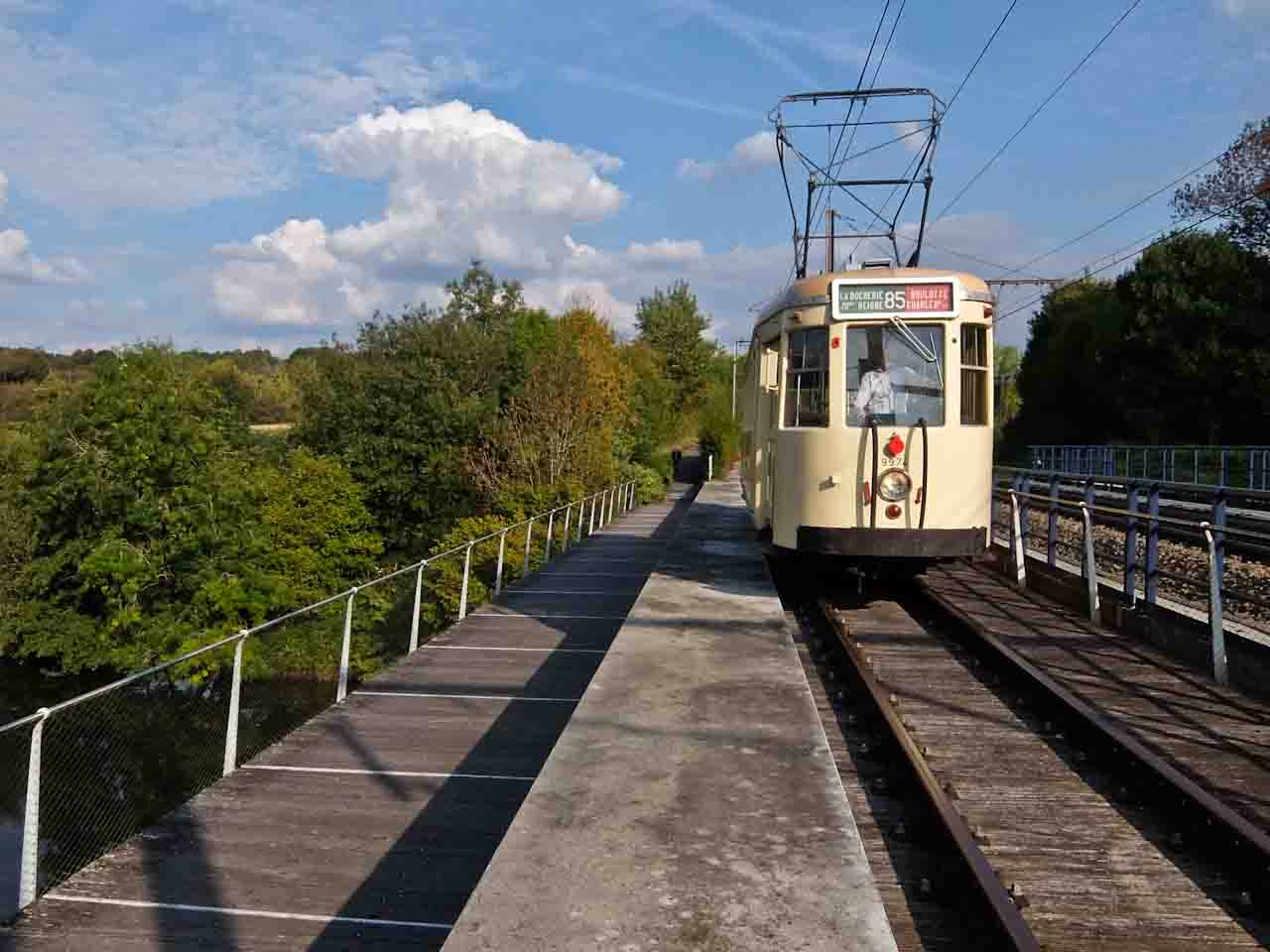
Tram Ride
Tram Ride
Tram Ride
I get on board for a return journey to the nearby village of Biesme-sous-Thuin. It weaves through fields, along riverbanks, and crosses bridges. At some points it even shares the road with cars. At intersections, the driver has to get out to stop the traffic, much to the astonishment of motorists.
Saint-Ursmer Collegiate Church
Saint-Ursmer Lobbes

Saint-Ursmer Lobbes

Saint-Ursmer Lobbes
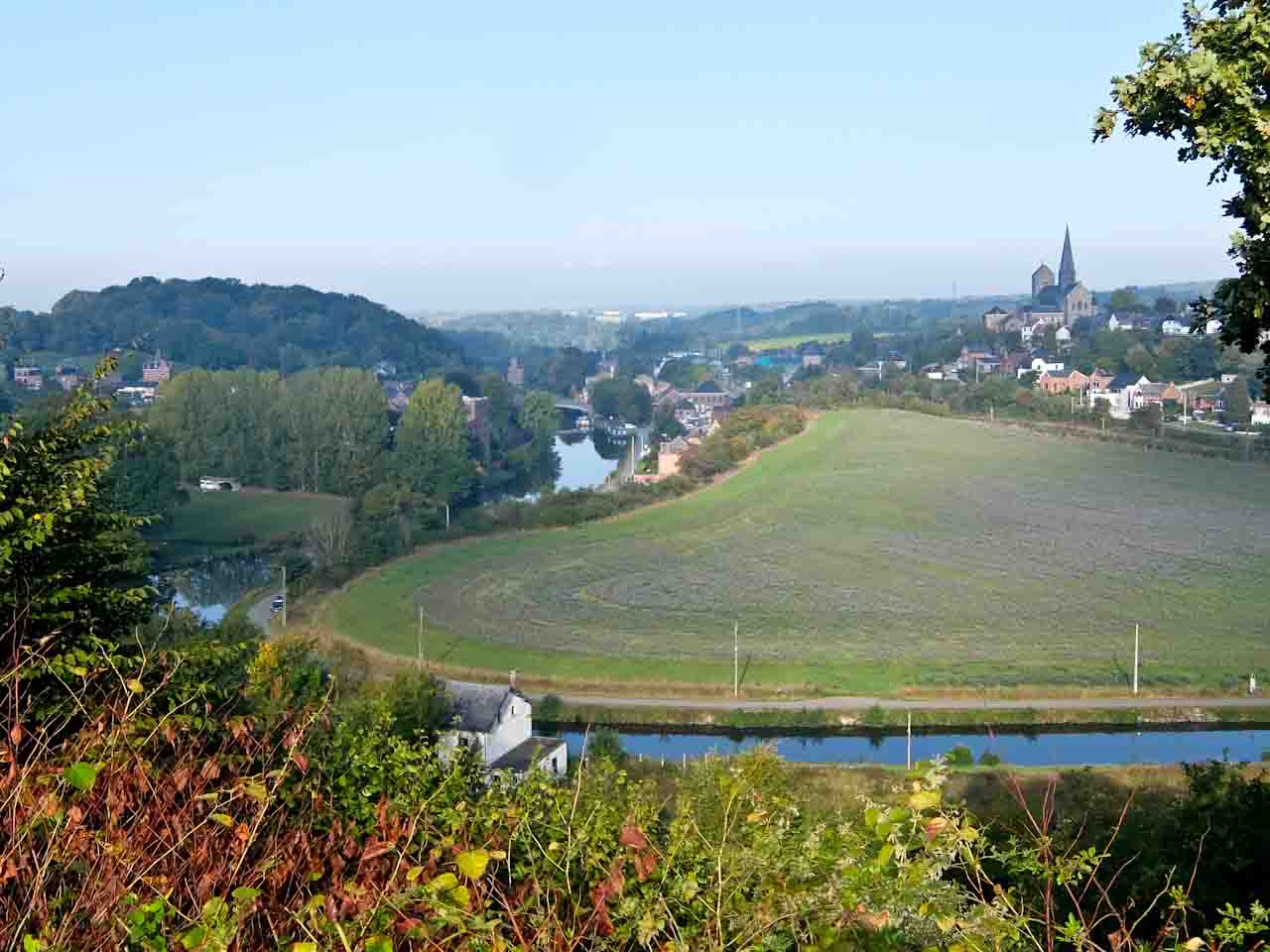
Just a few minutes from Thuin lies the Collegiate Church of Saint-Ursmer in Lobbes. This serene village, also perched above the Sambre, is home to the oldest remaining ecclesiastical building in Belgium. Founded in the 7th century, the church is a striking testament to early Carolingian and Ottonian architecture.
Abbey of Aulne
Abbey of Aulne
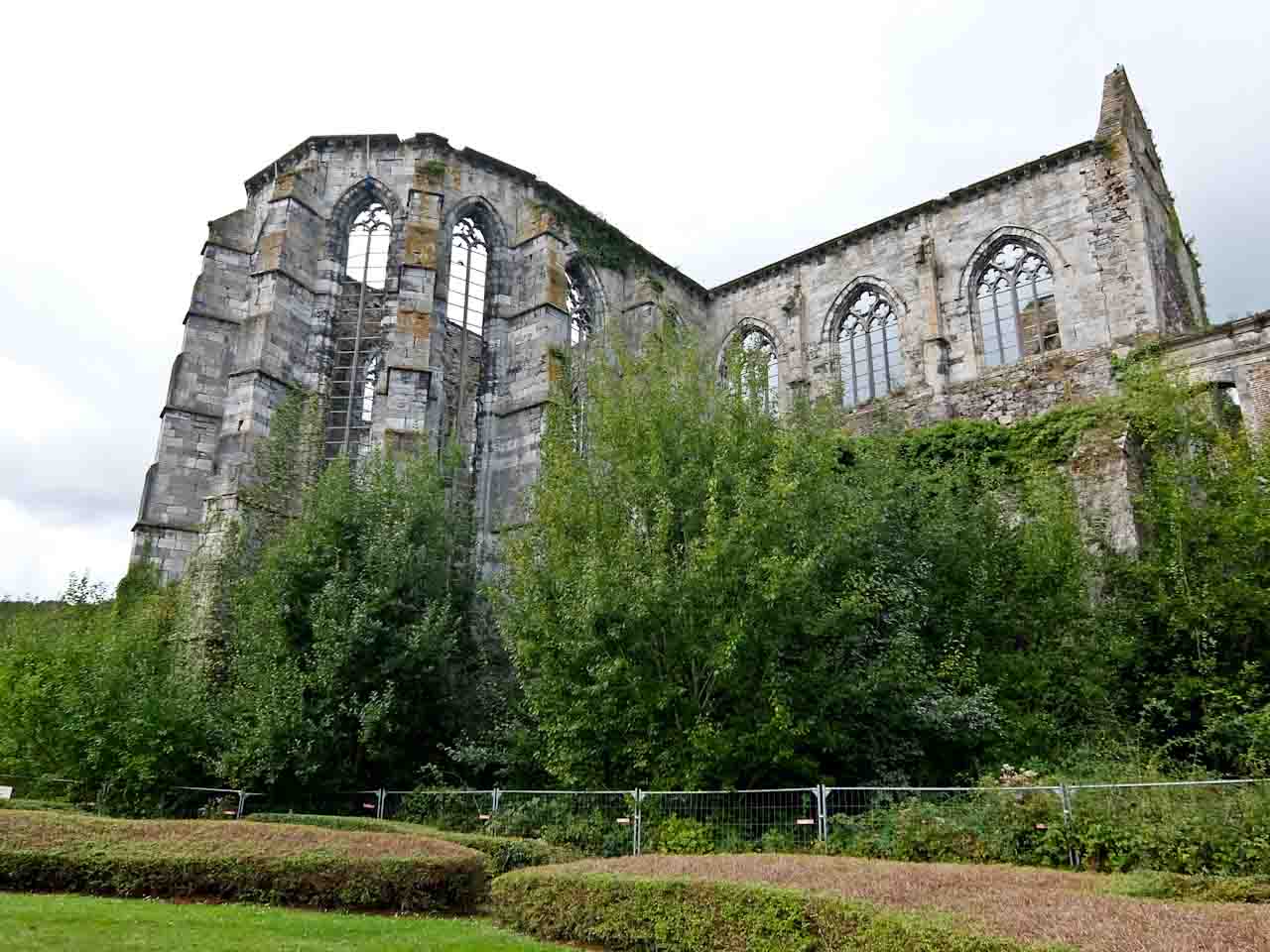
Abbey of Aulne
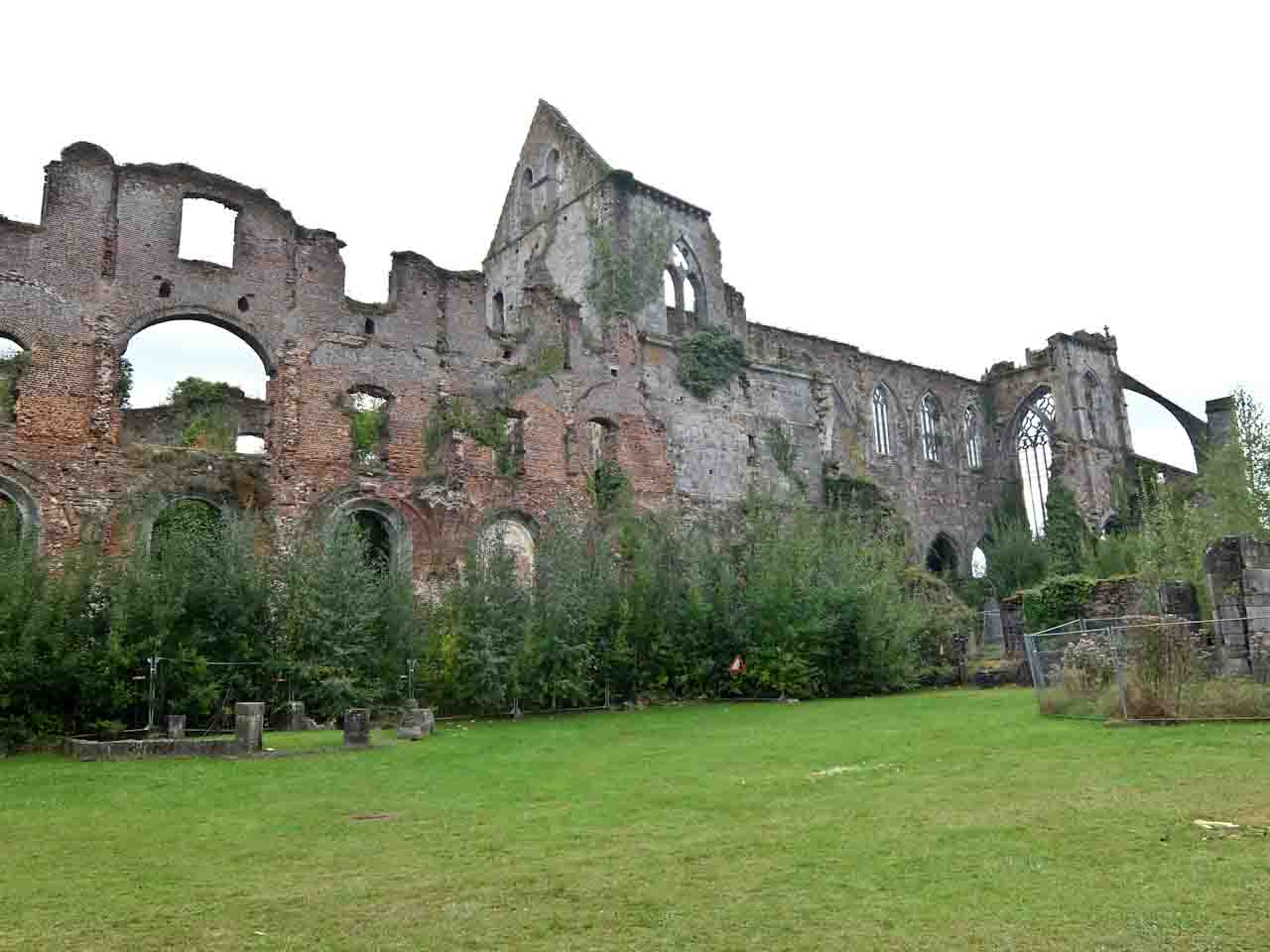
Abbey of Aulne
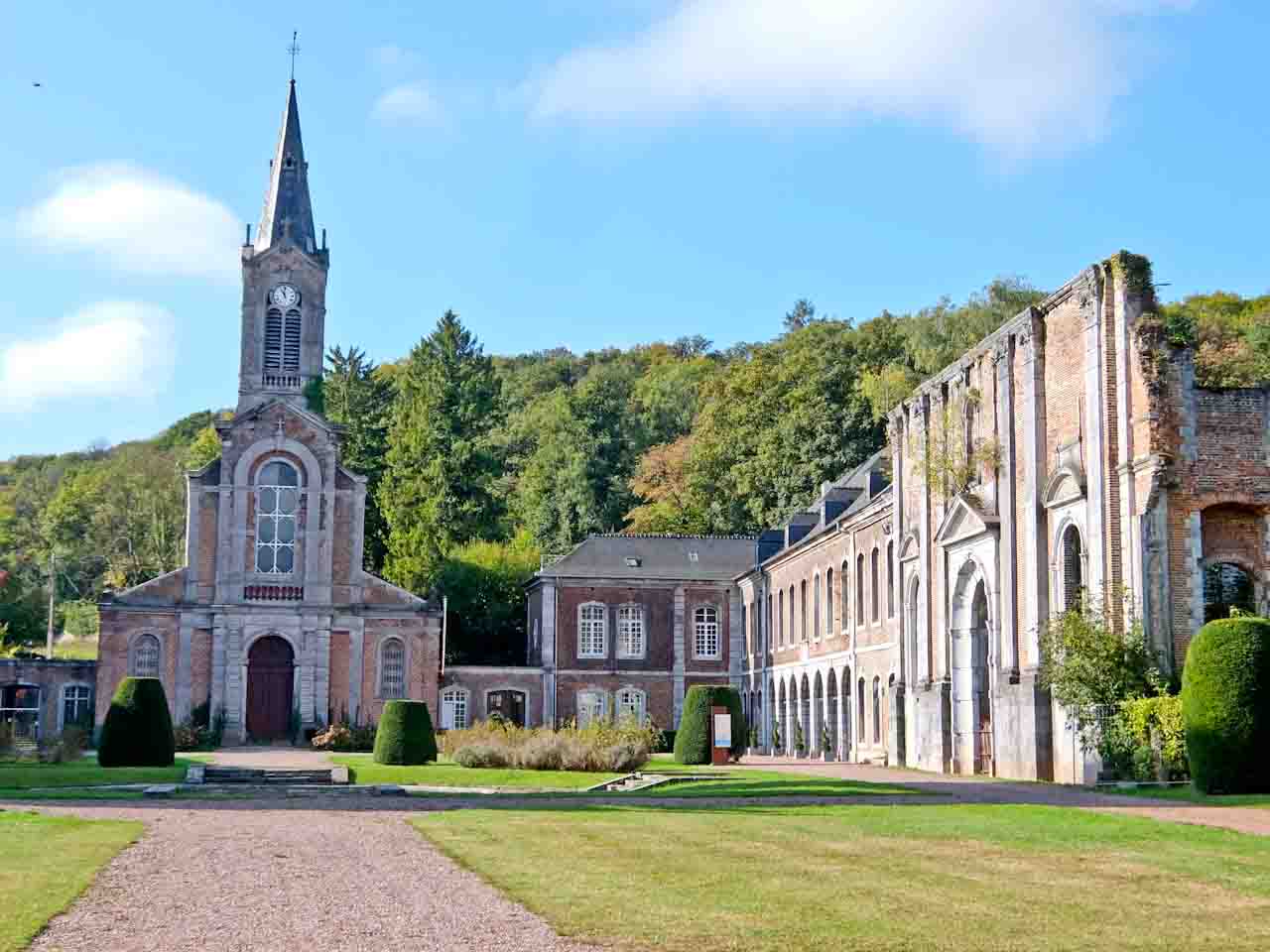
Just outside town lies the Abbey of Aulne, a vast and evocative ruin set along the Sambre River. Once one of the most powerful Cistercian abbeys in the region, it now stands as a picturesque skeleton of arches and stone walls slowly being reclaimed by nature. The abbey complex also features a hotel and restaurants where visitors can savour Aulne Abbey beers along with hearty Belgian fare.
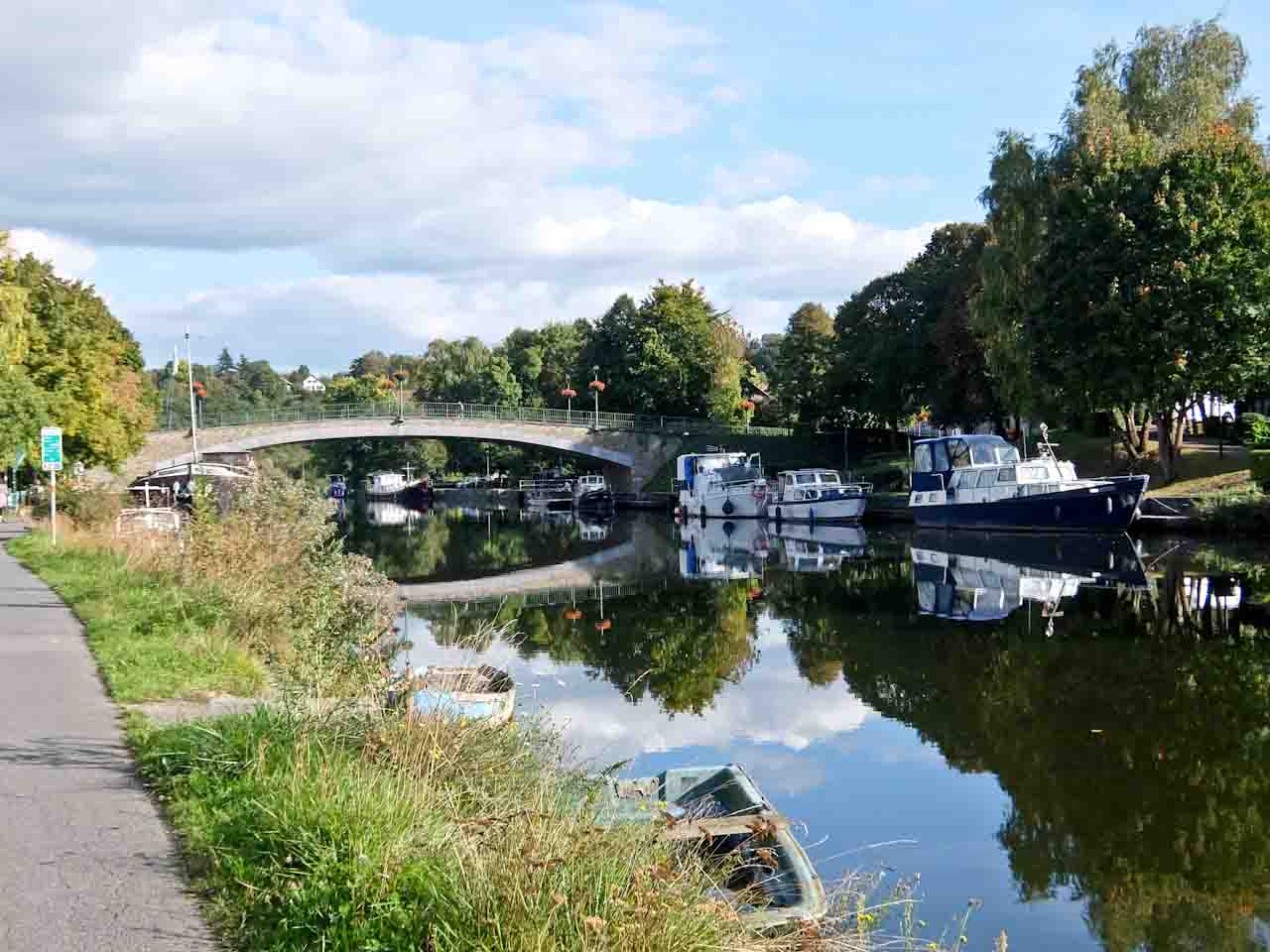
River Sambre
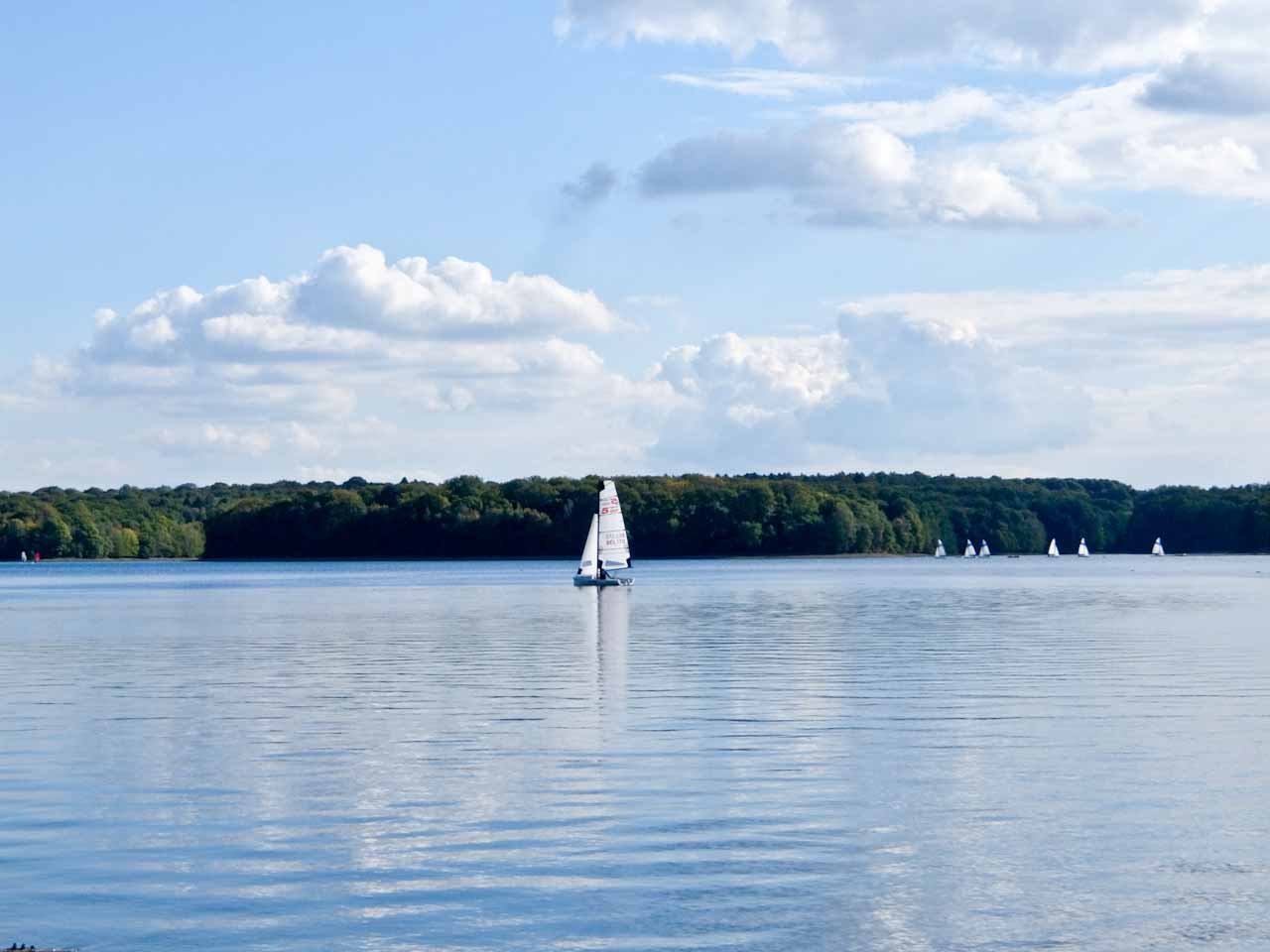
Lacs de l'Eau d'Heure
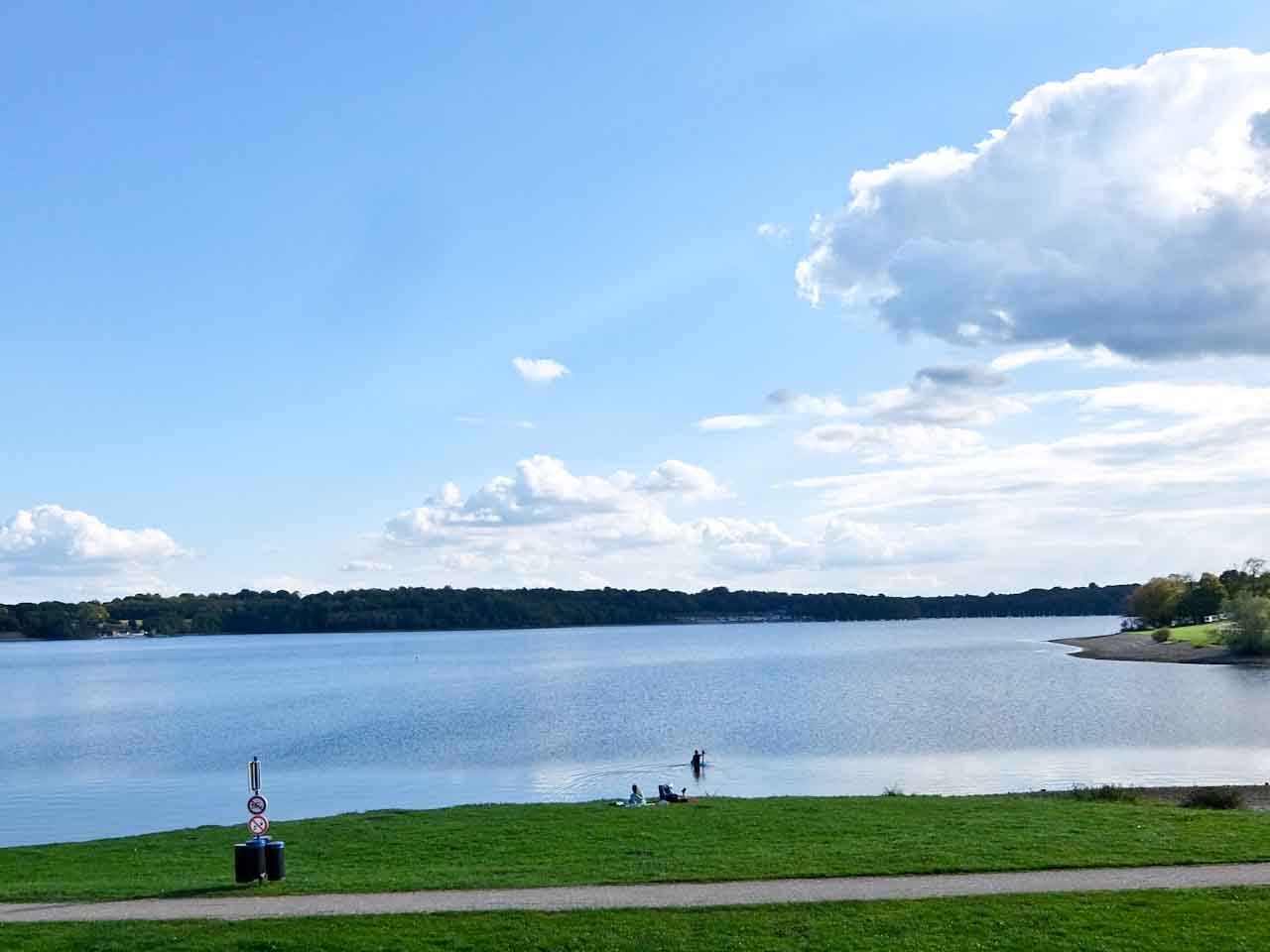
Lacs de l'Eau d'Heure
Thuin’s beauty isn’t confined to its architecture. The River Sambre’s towpath is perfect for morning walks or bike rides and more adventurous travellers can head toward the surrounding forests. 30 minutes’ drive south are the Lacs de l’Eau d’Heure. This is Belgium’s largest lake complex and offers boating, swimming, kayaking, stand-up paddleboarding and scenic trails.
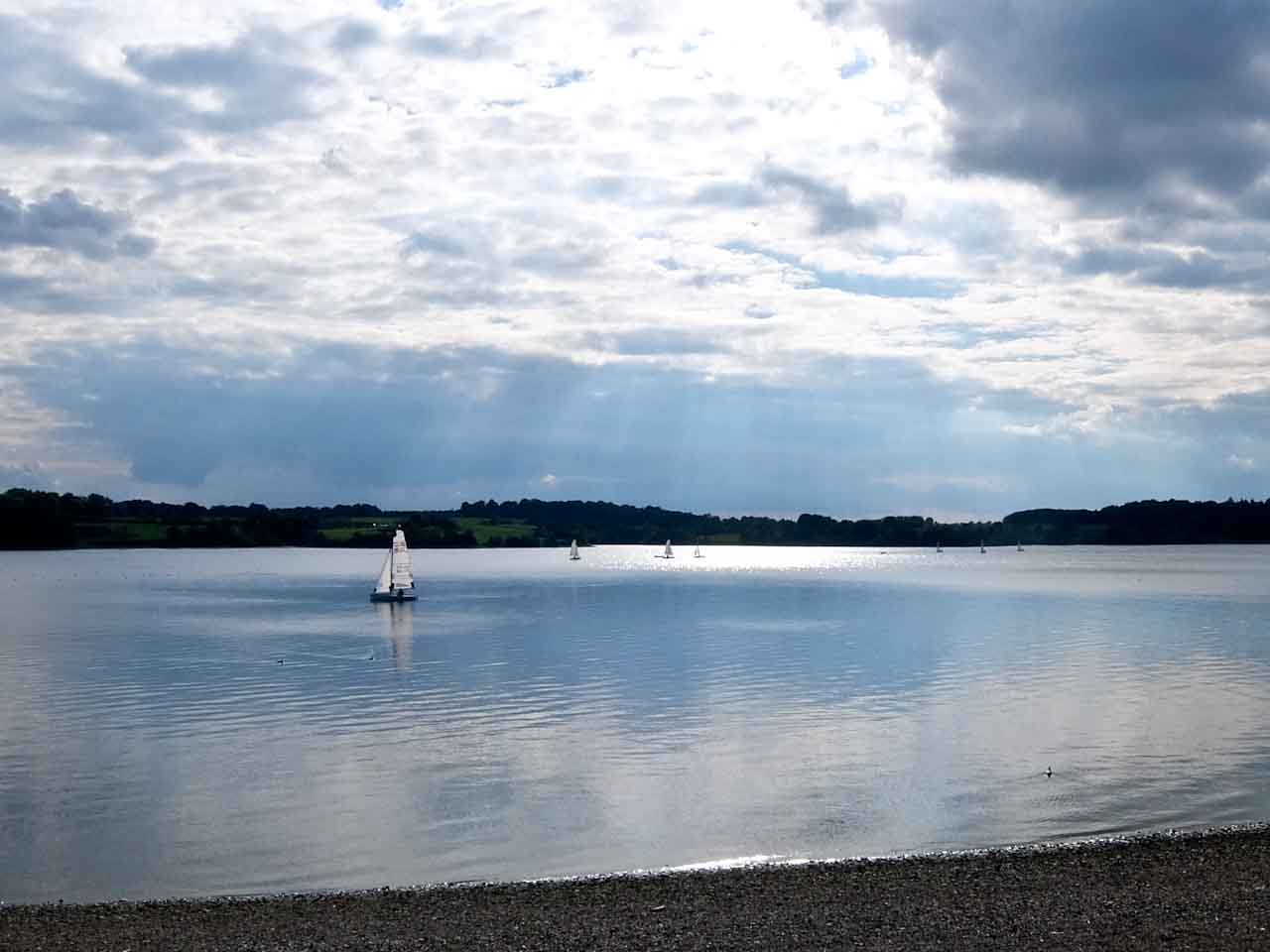
Lacs de l’Eau d’Heure
Factfile
GO: Eurostar to Lille from London St Pancras, then local trains to Thuin.
INFO: Pays des Lacs has information about the region.
Visit Wallonia has information about the country.
EuroVelo has information about the cycling route.
STAY: Le Relais de la Haute Sambre is comfortable base just outside Thuin with good food.
Auberge de L’Abbaye has views of the Aulne abbey ruins.
EAT: Les Caves de la Source serves typical Belgium fare.
Trattoria Casa Nostra has authentic Italian food.
Café Leblon is close to the Abbey of Aulne and has good bistro food.