
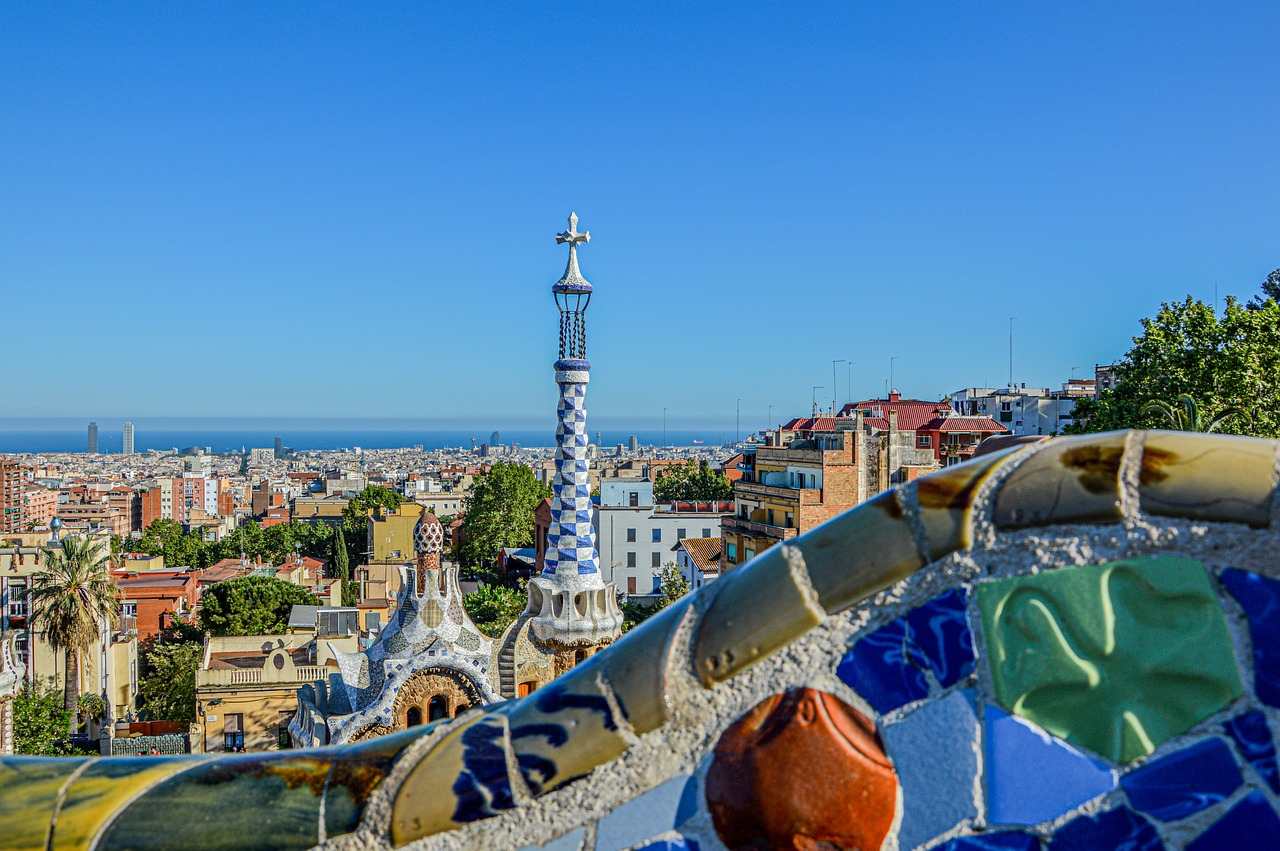
As city breaks go, Barcelona is among Europe’s top hot spots. It is as much loved for its Antoni Gaudí’s iconic architecture as it is for its mix of dreamy Mediterranean charm and a soft sandy city beach.
Yet, tourism overwhelms this popular Catalan city. Barcelona’s official website states that the city sees “an estimated 30 million” tourists annually, and disgruntled locals complain bitterly about rising house prices thanks to short-term holiday lets.
That’s why authorities in Catalonia have this month (February) approved a doubling of their visitor tax to up to €15 (£13) per night, making this one of the highest visitor levies in Europe. They say that the revenue will generate funds for affordable housing initiatives.
By April 1, 2026, a two‑night stay for a couple at one of the four-star hotels that make up nearly half of all hotels in Barcelona could now cost an extra €45.60, as the local authority can charge up to €11.40 per night per person. Stays at five-star hotels could be charged up to €15 a night.
Since 2012, there have been several hikes, but this one is the biggest. Efforts have ramped up, including the city’s decision last year to move forward with banning short-term rentals by 2028.
The city ranks among the top four in the world for conventions, according to the local tourism board, and attendees will be expected to pay the levy.
Naturally, hoteliers are worried that the tax rise could drive away too many tourists who visit Barcelona each year.
Starting April 1, 2026, and running through March 31, 2027, the rates will climb as follows:
- Holiday Rentals (Airbnbs/Apartments): A maximum of €12.50 per night, an increase from €6.25.
- Hotels: Depending on the star rating, guests will now pay between €10 and €15 per night, up from the current range of €5 to €7.50.
- Cruise Passengers: Rates to remain relatively steady at around €6.
This means that a family of four staying a week in a mid-range Barcelona hotel could find themselves paying over €400 extra just in taxes.